

The decision comes amid escalating nationwide protests. The recently repealed regulation set limits and rules on when and how to declare a state of emergency.
Lawmakers from both the ruling and opposition parties supported the move to repeal the old regulation. To declare a state of emergency, Bolivian President Rodrigo Paz now needs to submit a request to Congress – the legislative body that will approve or reject the proposal within 72 hours.
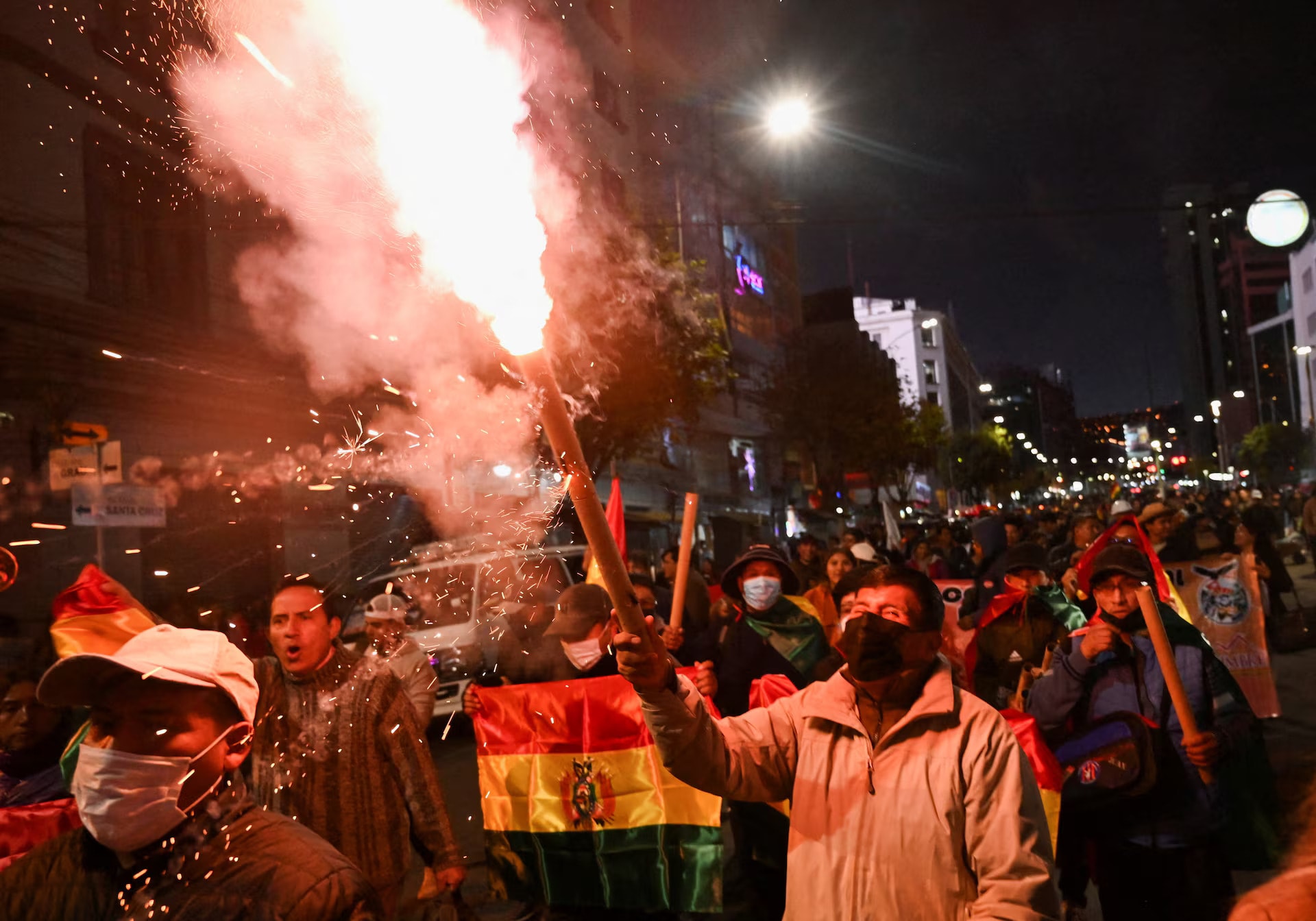
Bolivia has faced approximately four weeks of crisis, related to protests initiated by supporters of former left-wing President Evo Morales and union leaders.
Amid escalating political crisis, President Rodrigo Paz announced he would halve his salary and that of his cabinet ministers, asserting that the move demonstrated the government's commitment to the country.
The wage cuts come as Bolivia enters its fourth week of political and social unrest. The protests have exacerbated supply chain problems, leaving the cities of La Paz and El Alto short of food, fuel, and medicine.
Protesters are pressuring the centrist government of President Rodrigo Paz to lift austerity measures and address the rising cost of living. Teachers are demanding higher salaries and education funding, while transport unions have launched an indefinite strike over fuel shortages and supply concerns.
However, President Rodrigo Paz defended his decision to cut spending and reduce fuel subsidies, arguing that it was necessary to stabilize public finances. He is also preparing a reform package to present to Parliament, which includes gradually lifting fuel price controls and measures to boost domestic energy production and investment.
(According to Reuters)
Source: https://hanoimoi.vn/bolivia-thay-doi-quy-dinh-ve-tinh-trang-khan-cap-975836.html



![[Photo] Standing Committee member of the Party Central Committee Tran Cam Tu working with the Central Inspection Committee](https://vphoto.vietnam.vn/thumb/1200x675/vietnam/resource/IMAGE/2026/05/28/1779969579668_ndo_br_bnd-2495-jpg.webp)




























































































Comment (0)