

The Canadian government says the temporary border controls are aimed at reducing the risk of the Ebola virus entering and spreading within the country.
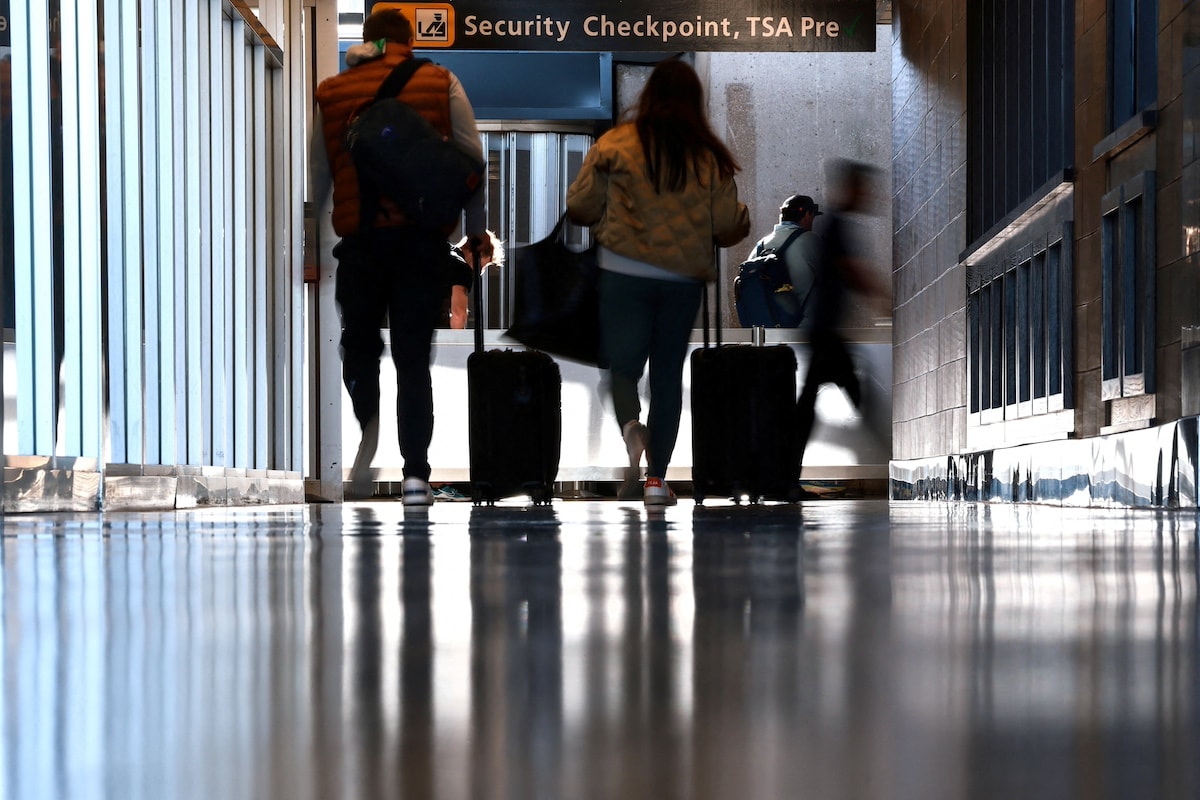
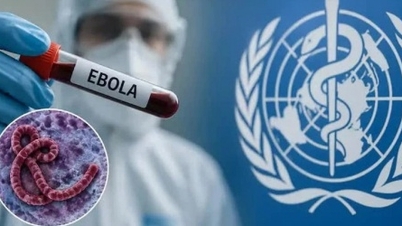
The World Health Organization (WHO) has raised the risk level for a national outbreak of the Bundibugyo strain of Ebola in Congo to "very high," and declared a public health emergency of international concern for the outbreaks in Congo and Uganda.
Speaking at an online meeting of the African Union on the epidemic situation on May 25, WHO Director-General Tedros Adhanom Ghebreyesus said that the slow detection of Ebola cases has forced response forces to "catch up" with the epidemic and the situation is likely to worsen.
On the same day, Uganda confirmed two new cases of Ebola, bringing the total number of confirmed cases in the country to seven.
Last week, the U.S. also banned entry for non-U.S. citizens who had recently traveled to Congo, Uganda, or South Sudan.
The Public Health Agency of Canada announced that, starting May 30, Canadian citizens, permanent residents, and foreign nationals who have visited affected areas but have not shown symptoms will be required to self-isolate for 21 days.
Meanwhile, the Bahamas is also preparing to announce entry restrictions for those who have visited these three African countries within the past 21 days.
Authorities in the United States, Canada, and the Bahamas have not yet reported any cases of Ebola.
Ebola is a serious infectious disease caused by a virus, with symptoms such as fever, fatigue, muscle aches, headache, sore throat, and possibly vomiting, diarrhea, and in some cases, internal and external bleeding.
According to the WHO, Ebola has a high mortality rate, depending on the strain of the virus and the level of medical response in the area where the outbreak occurs.
Source: https://hanoimoi.vn/canada-cam-cong-dan-tu-3-nuoc-chau-phi-nhap-canh-vi-ebola-972287.html


![[Photo] General Secretary and President To Lam presides over the meeting to approve the draft report on the results of the second inspection by the Politburo of the Standing Committee of the Hanoi City Party Committee.](https://vphoto.vietnam.vn/thumb/1200x675/vietnam/resource/IMAGE/2026/05/26/1779789811432_a2-bnd-4430-9620-jpg.webp)






































































Comment (0)