

How much is a World Cup ticket worth?
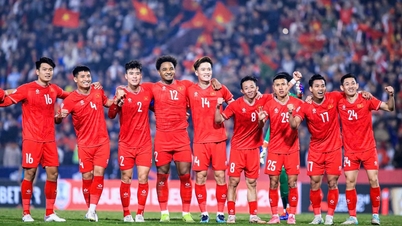
When football fans think of the World Cup, they often remember the golden trophies, historic goals, or world- class stars. But for national football federations, the World Cup has a very different meaning: a huge source of financial revenue. The 2026 World Cup is predicted to be the most profitable tournament in FIFA history. According to FIFA's financial projections, revenue in the 2023-2026 period could exceed $11 billion, an increase of approximately $4.56 billion compared to the previous period. Furthermore, according to an analysis by The Guardian, total FIFA revenue in the current period could reach $13 billion, an increase of about 73% compared to the $7.5 billion of the 2019-2022 period. The largest sources of revenue come from television rights, commercial sponsorships, ticket sales, and related services such as accommodation, food and beverage, tourism and travel, events, and entertainment.
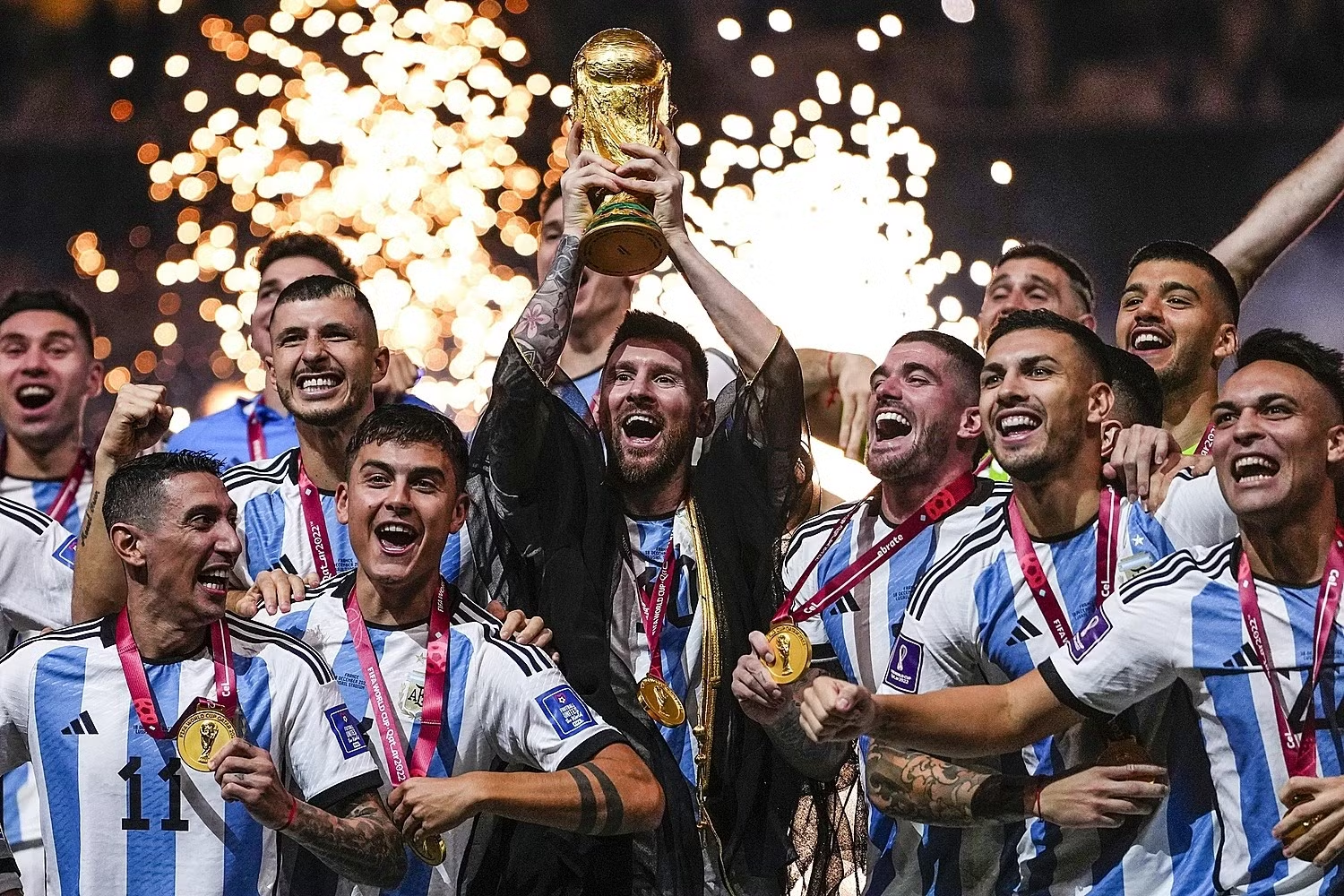
It's noteworthy that FIFA doesn't keep all of this money. A very large portion is distributed back to member federations, World Cup participating teams, and even clubs whose players are involved in the tournament. At the 2022 World Cup in Qatar, FIFA spent a total of $440 million in prize money on the 32 participating teams. The champion, Argentina, received $42 million, runner-up France received $30 million, while even teams eliminated in the group stage received $9 million. In addition, each team received an extra $1.5 million for tournament preparation. This means a team that simply qualifies can earn at least $10.5 million. For many developing football nations, this is a huge sum. In Asia and Africa, the annual operating budgets of many national football federations only range from a few million dollars per year. Therefore, qualifying for the World Cup could significantly improve their financial situation for many years to come.
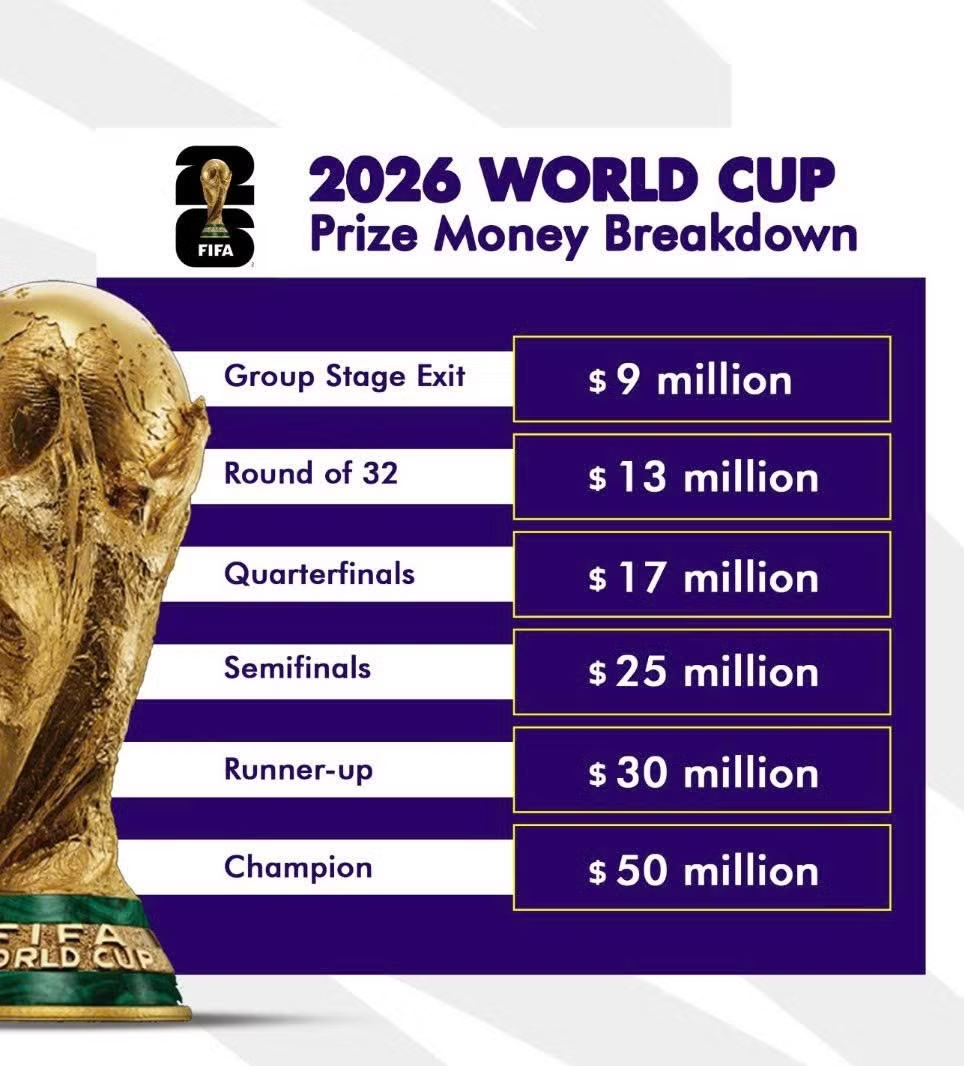
The 2026 World Cup even promises to generate greater revenue. According to Reuters, FIFA has approved a plan to increase the total prize money distributed to the 48 teams participating in the 2026 World Cup by approximately 15%, raising the total to nearly $900 million. This is the highest figure in the tournament's history. Al Jazeera reported that FIFA had previously announced a projected prize fund of around $727 million, with the winning team potentially receiving around $50 million, and each participating team receiving a minimum of $10.5 million. FIFA then continued negotiations to increase support because the costs of participating in the North American tournament are expected to rise significantly. This is why the World Cup is increasingly seen as a "gold mine" for football federations.

Many countries view qualifying for the World Cup not only as a professional goal but also as an economic opportunity. Prize money from FIFA can be used to upgrade facilities, invest in youth teams, improve training systems, or support domestic leagues. In many smaller countries, World Cup prize money can even be equivalent to several years' worth of sponsorship revenue. Therefore, the race to qualify for the World Cup is now more than just a competition to appear on the biggest stage in world football; it's also a competition to access the enormous financial resources that FIFA generates from the tournament.
Where is the money flowing?
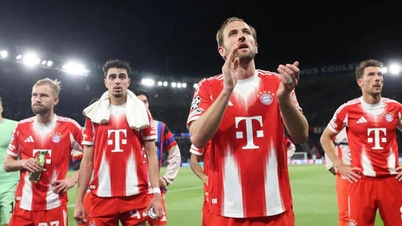
It's not just national teams that benefit from the World Cup. Over the years, FIFA has built a revenue distribution system to bring money from the world's biggest tournament back into the global football ecosystem. One of the most important programs is the FIFA Club Benefits Programme. This is a mechanism to reimburse clubs that release players to serve their national teams. At the 2022 World Cup, FIFA distributed a total of $209 million to clubs worldwide. Approximately 440 clubs from 51 member federations received money from this program. Payments were calculated based on the number of days a player served their national team, at around $10,950 per player per day. Manchester City received over $4.5 million from the 2022 World Cup. Barcelona, Bayern Munich, Al Sadd, and Monterrey also received significant payments thanks to the number of players who participated in Qatar.
The 2026 World Cup is also predicted to generate even larger sums of money for clubs. Reuters reports that FIFA will increase its Club Benefits Programme fund to a record $355 million, nearly 70% higher than the 2022 World Cup. Notably, for the first time, clubs will receive money not only for releasing players for the finals but also for the qualifying rounds. This shows that FIFA is trying to expand the scope of benefit sharing from the World Cup.
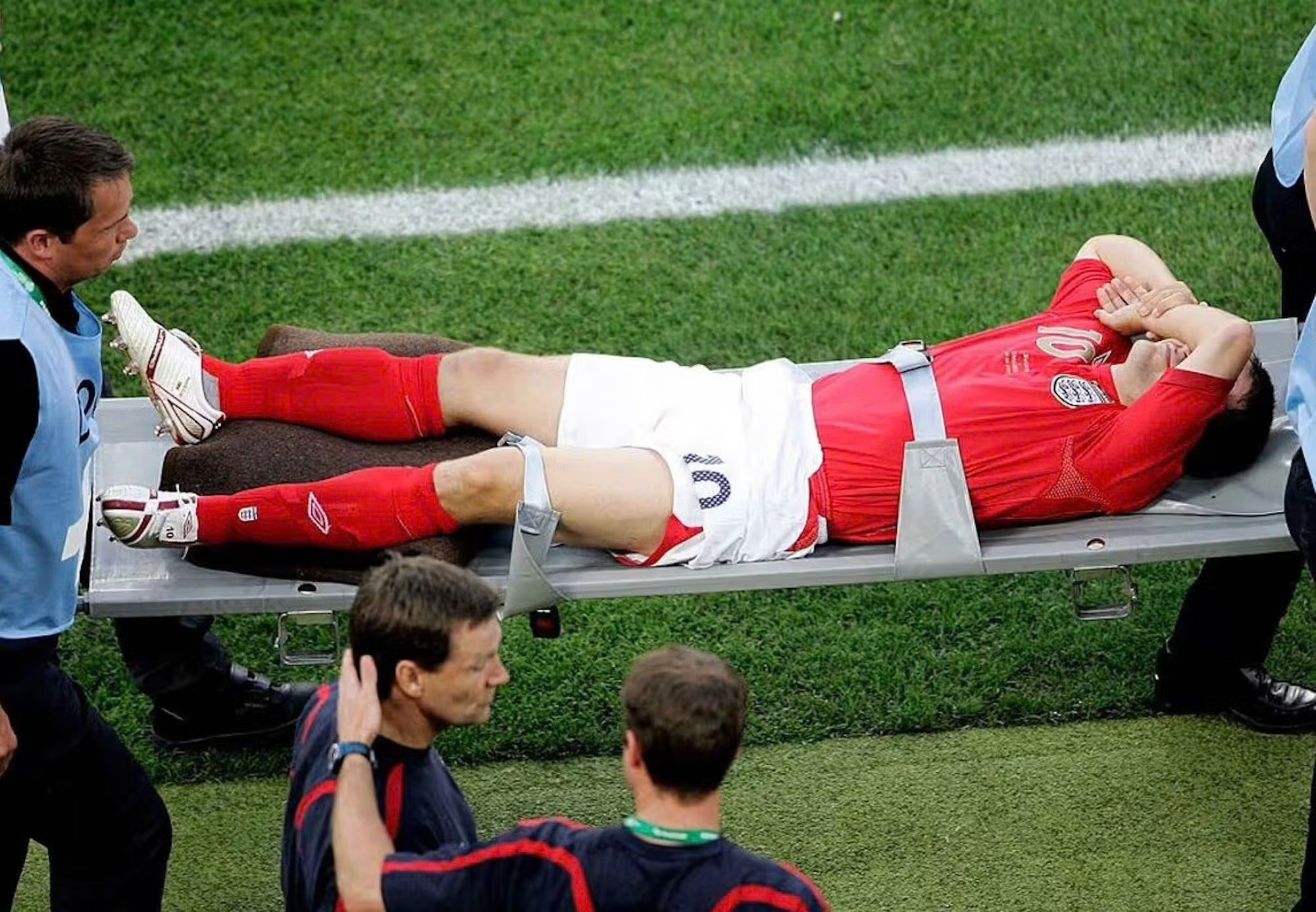
However, not all clubs are enthusiastic about the money FIFA pays when players participate in the World Cup. For top teams like Manchester City, Real Madrid, or Bayern Munich, the compensation of a few million USD represents only a very small percentage of their annual revenue, which amounts to hundreds of millions of euros. What worries them more is the risk of players returning in poor physical condition after a month of high-intensity competition, or worse, suffering long-term injuries. An injury to a star worth tens of millions of euros can cause far greater professional and commercial damage than the support from FIFA. Therefore, the relationship between big clubs and national team tournaments always involves a certain conflict: the World Cup helps increase the value of players, but also carries risks that teams must accept.
And the majority of the money is still distributed through national football federations. One of the biggest programs currently is FIFA Forward. According to Reuters, FIFA plans to allocate approximately $2.7 billion to its global football development program in the current period, many times more than before 2016. This money is used to build stadiums, training centers, develop youth football, women's football, and upgrade infrastructure in member countries. In other words, the World Cup doesn't just sustain FIFA. The tournament is acting as a "financial pump" for the entire global football ecosystem.
Of course, not everyone is happy with the current distribution. Many federations argue that the cost of participating in the World Cup is increasing faster than the support from FIFA. According to The Guardian, some European federations have expressed concerns that they may earn less profit than expected, or even face losses if they are eliminated early from the 2026 World Cup. This is due to the sharply increasing costs of accommodation, travel, taxes, and operations in North America. This is a rather interesting paradox. While FIFA is approaching new revenue records, the teams participating in the world's biggest tournament have to carefully consider the cost.
Nevertheless, it's undeniable that the World Cup remains the biggest revenue generator for world football. The Guardian predicts that revenue from tickets and services such as accommodation and food at the 2026 World Cup alone will reach approximately $3 billion. Revenue from television rights will exceed $4 billion, while commercial sponsorships will bring in around $2.7 billion. These figures explain why FIFA is increasingly expanding the scale of the World Cup.
From 32 to 48 teams, from 64 to 104 matches, the biggest tournament on the planet is generating more content, more viewers, and more revenue. For national teams, the World Cup remains first and foremost a sporting dream. But in an era where football has become a global industry, that dream also comes with enormous economic value. And sometimes, simply qualifying for the World Cup is enough to change the financial future of an entire footballing nation.
World Cup: A life-changing opportunity for unknown stars.
The World Cup can completely change a player's career in just a few short weeks. James Rodriguez and Enzo Fernandez are two prime examples of the power of the biggest football stage on the planet. Before the 2014 World Cup, James was considered a bright talent at AS Monaco but not yet among the world's top stars. Everything changed in Brazil when the Colombian midfielder scored 6 goals in 5 matches, winning the Golden Boot and helping Colombia reach the World Cup quarter-finals for the first time. His stunning goal against Uruguay in the round of 16 was even voted the best goal of the tournament by FIFA. Just weeks later, Real Madrid spent around 80 million euros to bring James to the Bernabeu, making him one of the most high-profile signings of 2014.
Eight years later, Enzo wrote a similar story in Qatar. In early 2022, the Argentine midfielder was still playing in South America before moving to Benfica for around €12 million. Entering the World Cup as a reserve, Enzo quickly demonstrated his ability, earning a starting spot and becoming a crucial link in Argentina's championship run. He was awarded the FIFA Young Player of the Tournament award. Less than two months after the World Cup ended, Chelsea spent over €120 million to sign Enzo, making him one of the most expensive transfers in English football history. From promising talents, James and Enzo became global stars thanks to a successful World Cup.
Source: https://cand.vn/world-cup-2026-hon-ca-mot-giac-mo-bong-da-post812693.html
![[Photo] Secretary of the National Assembly Party Committee, Chairman of the National Assembly presides over the meeting of the Standing Committee and Executive Committee of the National Assembly Party Committee.](https://vphoto.vietnam.vn/thumb/1200x675/vietnam/resource/IMAGE/2026/06/03/1780480353201_ndo_br_bnd-2585-jpg.webp)
![[Photo] First session of the 14th Congress of the Vietnam Trade Union](https://vphoto.vietnam.vn/thumb/1200x675/vietnam/resource/IMAGE/2026/06/03/1780465947883_ndo_br_img-3852-jpg.webp)
![[Photo] General Secretary and President To Lam presides over a meeting with the Central Organizing Committee.](https://vphoto.vietnam.vn/thumb/1200x675/vietnam/resource/IMAGE/2026/06/03/1780482764658_a1-bnd-4741-3342-jpg.webp)















































![[Video] Sunset at Lap An Lagoon – Where the sun sets over the fishing nets](https://vphoto.vietnam.vn/thumb/1200x675/vietnam/resource/IMAGE/2026/05/31/1780192137701_beach-landscape-sea-water-nature-grass-745871-pxhere-com.jpeg)









































Comment (0)