



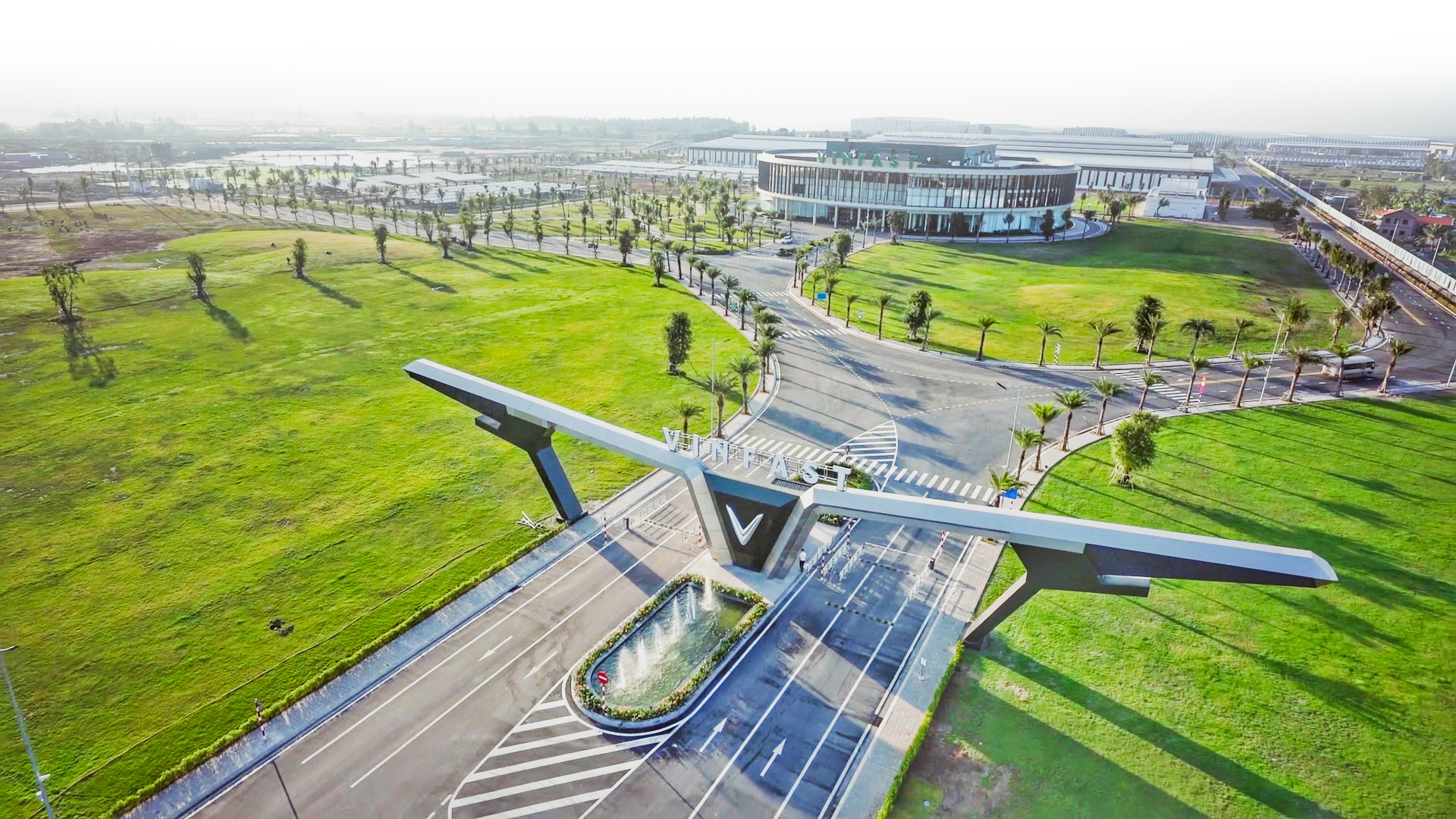
From a predominantly agricultural country with zero starting point in the automotive sector, Vietnam now has a car brand listed on the US stock market for over a year. The opening bell on the Nasdaq (US) exchange, rung by VinFast leaders, not only opened up opportunities to access international capital markets, boosting VinFast's strong future development, but also inspired other Vietnamese brands to expand globally. Since then, the name VinFast has been continuously mentioned not only domestically but also regionally and globally.
In just five years since its inception, VinFast has continuously made waves with its impressive advancements, such as: making Vietnam one of the countries with the highest number of charging ports in the region and the world, surpassing even the US and China; helping Vietnam become the world's first exporter of transportation services; and being a pioneer in implementing the franchised charging station model in Vietnam… Vingroup also leads in new applications that are trending globally, such as artificial intelligence (AI) and science and technology…
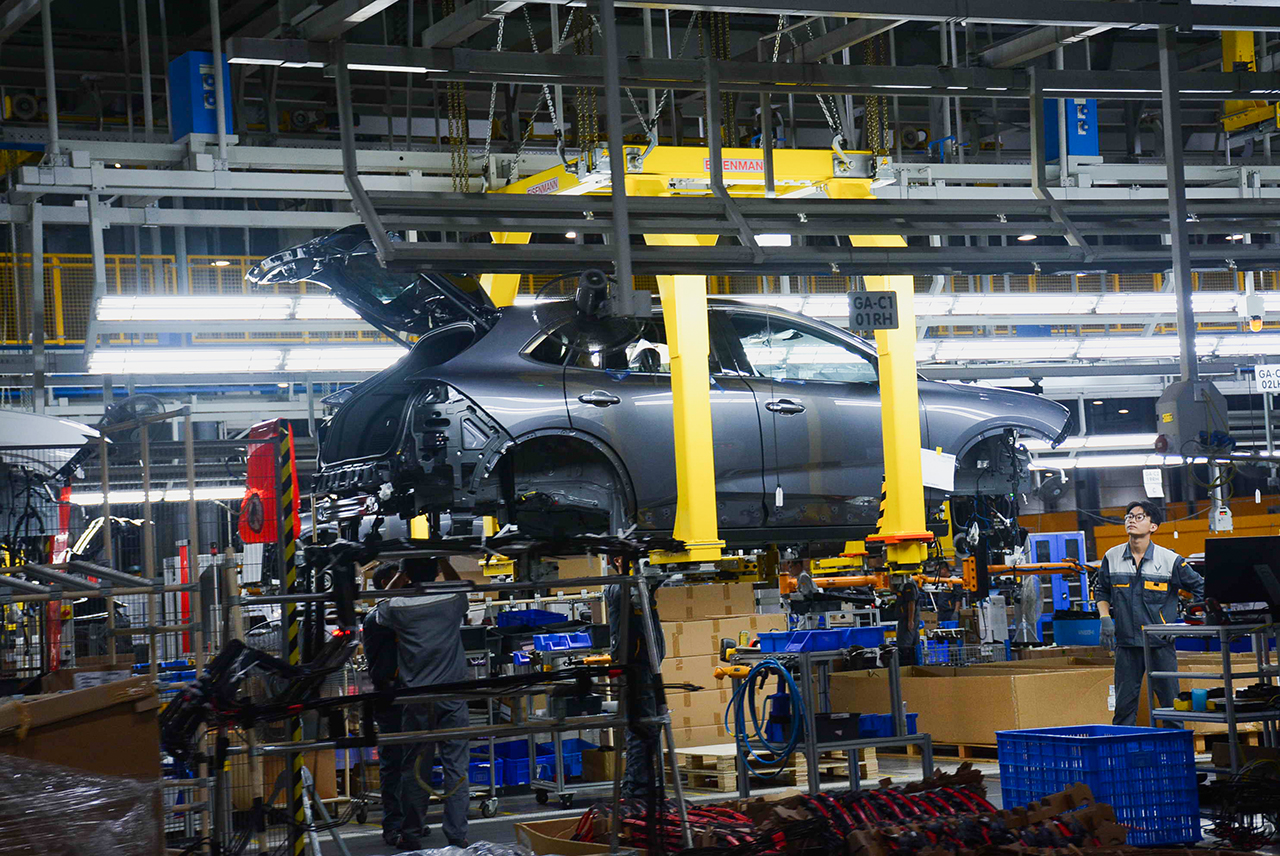
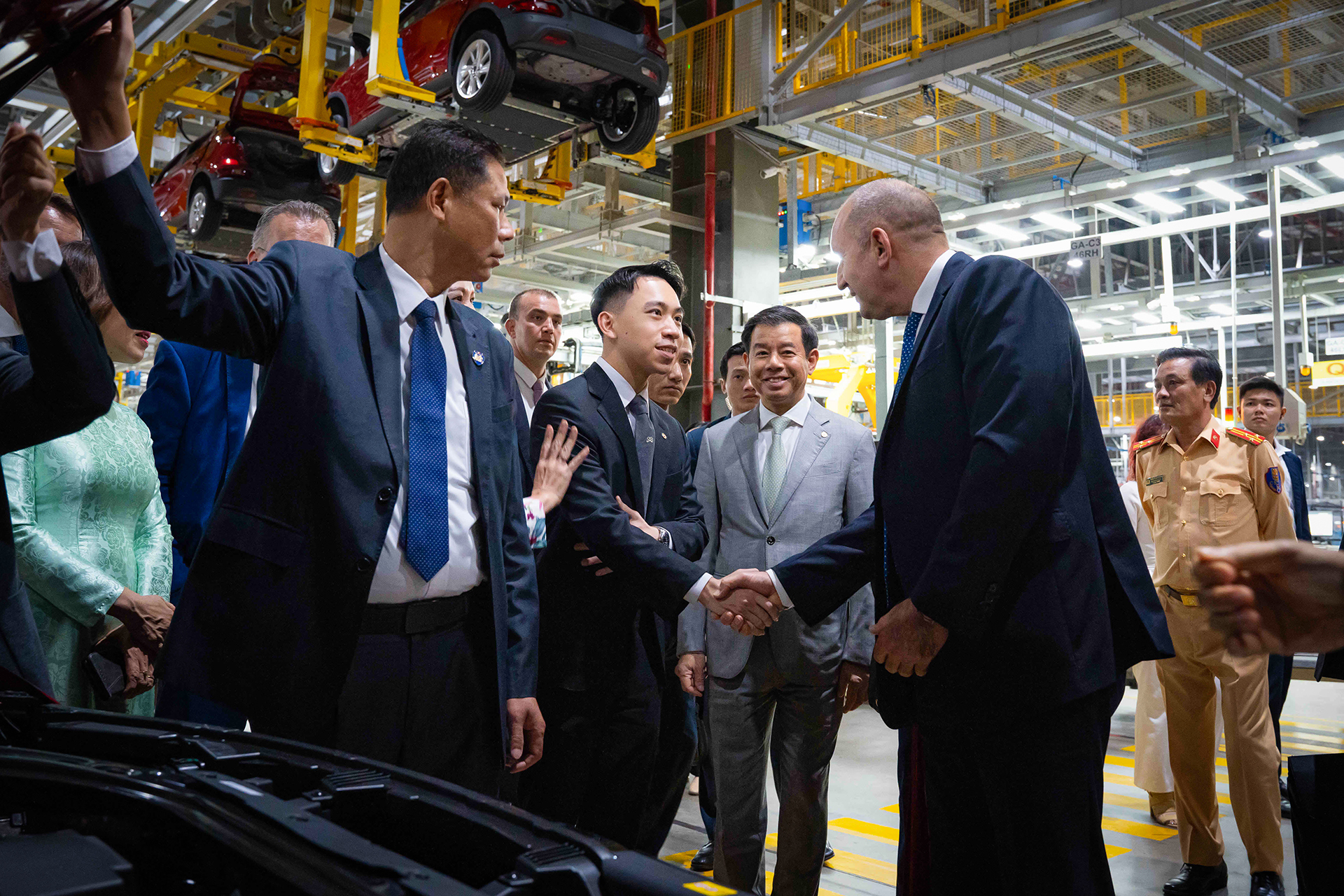
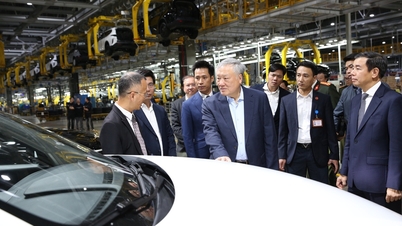
VinFast electric car manufacturing plant in Cat Hai district, Hai Phong city.
Ba Hung
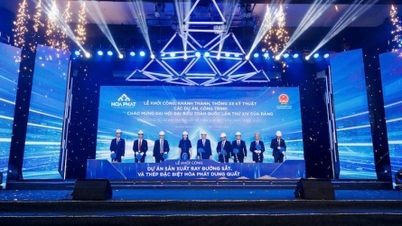
In the steel industry, Vietnam, which was once dependent on imports, has risen to the top 15 in the world for steel production, ranking 13th in 2022 with a production volume of 20 million tons. Notably, Vietnam has developed its own manufacturing and high-grade steel industry. Hoa Phat Group, Vietnam's largest steel company, deserves credit for achieving this position. In 2021, the British data firm Refinitiv Eikon (formerly Thomson Reuters Data) published the Top 30 largest steel companies by market capitalization in the world, and Hoa Phat Group ranked 15th with a market capitalization of $11 billion, larger than that of JFE Holdings, a leading Japanese steel group. Hoa Phat is also among the Top 50 largest steel producers globally. Within Southeast Asia alone, Hoa Phat is currently the largest steel producer in the region. According to projections, Hoa Phat's capacity will increase to 14 million tons/year by 2025, and further to 20 million tons of steel/year upon completion of the Dung Quat 3 plant as planned. At that time, Hoa Phat will be among the top 20 largest steel producers in the world, surpassing steel producers from the US, Russia, Germany, Brazil, and many Chinese steel producers, and standing alongside Hyundai of South Korea. Furthermore, the group is researching the production of high-quality products such as silicon steel sheets and specialized rail steel for high-speed trains, employing the most advanced and complex technologies in the global steel industry…
Other leading private enterprises in the country include Sungroup, FPT, Thaco, Masan, etc., which are also pioneers in various fields. These corporations have contributed significantly to Vietnam's development in recent years and have also inspired the domestic business community to move forward.

Despite relatively rapid growth and the emergence of leading companies, the number of Vietnamese businesses, especially large ones, remains modest compared to the population of over 100 million. Statistics show that, in terms of size and type, micro-enterprises account for nearly 70%, small enterprises about 25%, while medium-sized enterprises make up 3.5% and large enterprises 2.6%. Resolution 41 of the Politburo, issued in October 2023, on building and promoting the role of Vietnamese entrepreneurs in the new era, also clearly states that the majority of businesses are small in scale, with limited competitiveness, operational efficiency, business capacity, and management skills; the number of large-scale businesses capable of leading supply chains is small; and the ability to leverage opportunities from international economic integration and the Fourth Industrial Revolution is weak.
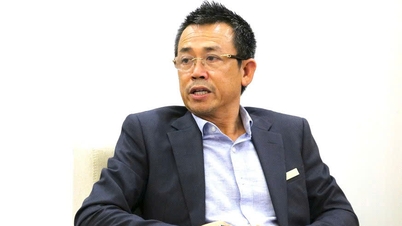
Dr. Nguyen Dinh Cung, former Director of the Central Institute for Economic Management Research, raised the question: How many businesses like Hoa Phat, Vingroup, Thaco… are we able to achieve such success? He believes that a healthy economy depends on healthy businesses. But the important thing is to continuously develop the workforce, both in quantity and quality; quantity leads to quality. “We can’t suddenly have 100 billionaires when the number of businesses is only a few hundred thousand. That means there must be a corresponding proportion of businesses. Only when there is a large force of businesses can we create an ecosystem, where there are leading companies in research and technology mastery… The key is to have a sufficient number of small and medium-sized enterprises (SMEs) before we can have large businesses,” Dr. Nguyen Dinh Cung said.
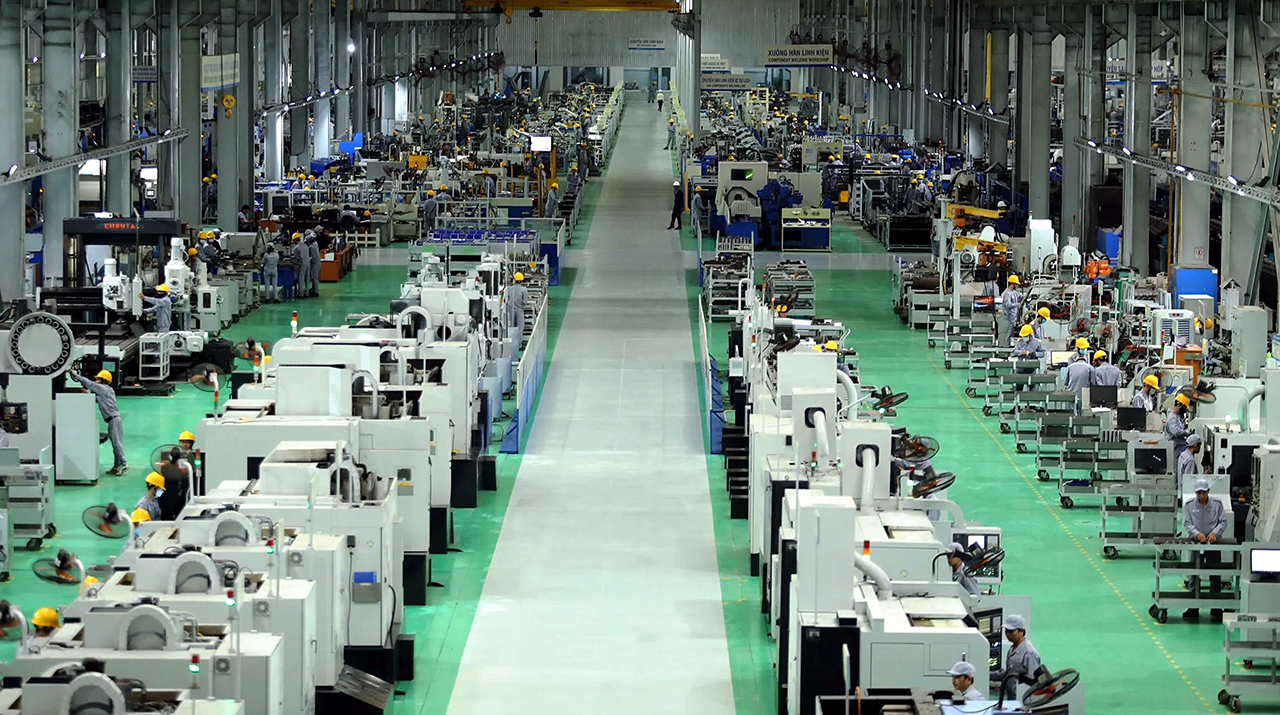
Production line inside Thaco's supporting industrial factory at Thaco Chu Lai Industrial Park (Quang Nam).
Manh Cuong
According to the report, nearly 70% of Vietnamese businesses are small and micro-enterprises, lacking medium-sized enterprises (SMEs) that act as a bridge between large and small/micro-enterprises. Meanwhile, only 30% of SMEs report profits, while 70% of SMEs report profits. Thus, it can be said that the larger the enterprise, the higher the likelihood of profitability, and there is a significant difference between micro-enterprises and other businesses in terms of their ability to survive in the market. Vietnam's economy is highly open and will continue to open up even as the global and regional economies are predicted to experience more unpredictable fluctuations. Building an independent, self-reliant, and resilient economy has become more urgent than ever. To achieve this, it is necessary to boost the morale and confidence of many private businesses that are currently experiencing setbacks. Our target of 1.5 million businesses by 2025 and 2 million businesses by 2030 is a very challenging number. Only with a large number of businesses can we create an ecosystem, where leading companies can emerge to excel in research and master technology.
Mr. Hoang Quang Phong, Vice President of the Vietnam Chamber of Commerce and Industry (VCCI), cited a nationwide VCCI survey showing that, as of September this year, only 32% of businesses indicated they would expand production and business in the next two years. This figure is slightly higher than the 27% in 2023, but remains the second lowest in the 18 years of VCCI's annual business survey. In addition, medium and large enterprises still indicated plans to expand production and business. Many companies in key sectors of the economy, such as manufacturing, agriculture, forestry, and fisheries, also continue to plan expansion. However, compared to the population size, the number of newly established businesses in Vietnam is quite modest. In particular, the number of small and micro-enterprises is shrinking or disappearing, making it increasingly difficult to achieve the set targets of having at least 1 million active businesses by 2020 and 1.5 million businesses by 2025. Therefore, more policies are needed to support the business community.
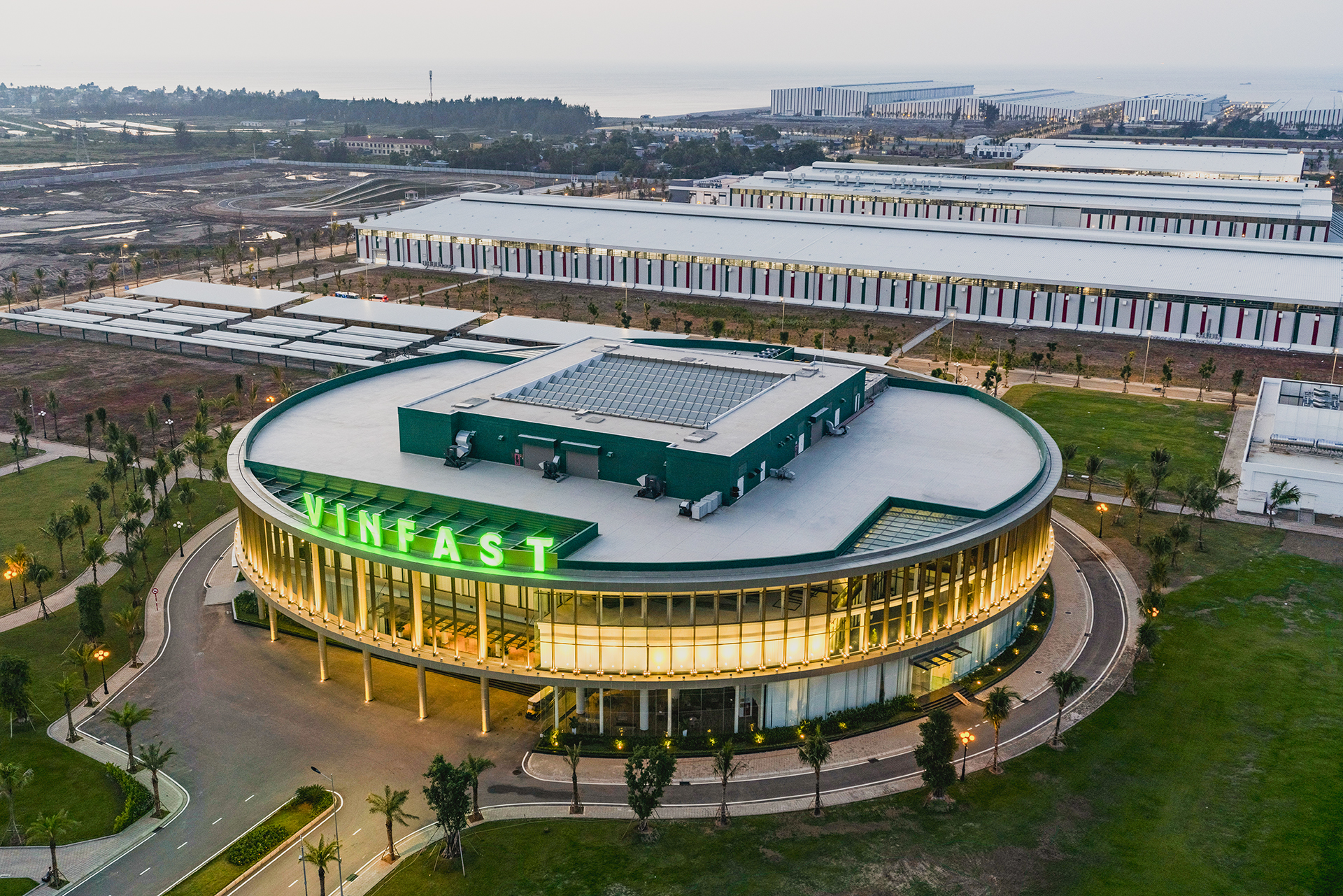
VinFast factory in Hai Phong

Economist Dr. Tran Dinh Thien, former Director of the Vietnam Institute of Economics, assesses that the ambition for growth and the resilience of Vietnamese businesses throughout history have been very strong. However, that ambition has taken on different nuances in each period. After numerous difficulties, it must be faced with the reality that the morale of businesses has somewhat declined due to epidemics, devastating storms and floods, surrounding bad debts, and slow business recovery. These factors have damaged and, to some extent, diminished, or even eliminated, the motivation of businesses and entrepreneurs. According to Dr. Tran Dinh Thien, there are three "fatal" weaknesses of the strength of Vietnamese private businesses: they are small, weak, and underdeveloped, despite having a history of development spanning several decades. Because of this, businesses have found it difficult to grow stronger, and expanding to larger scales is extremely challenging. Therefore, to achieve the goal of making the country strong and prosperous by 2045, according to market economic logic, private enterprises must play a foundational role with large corporations as the pillars.
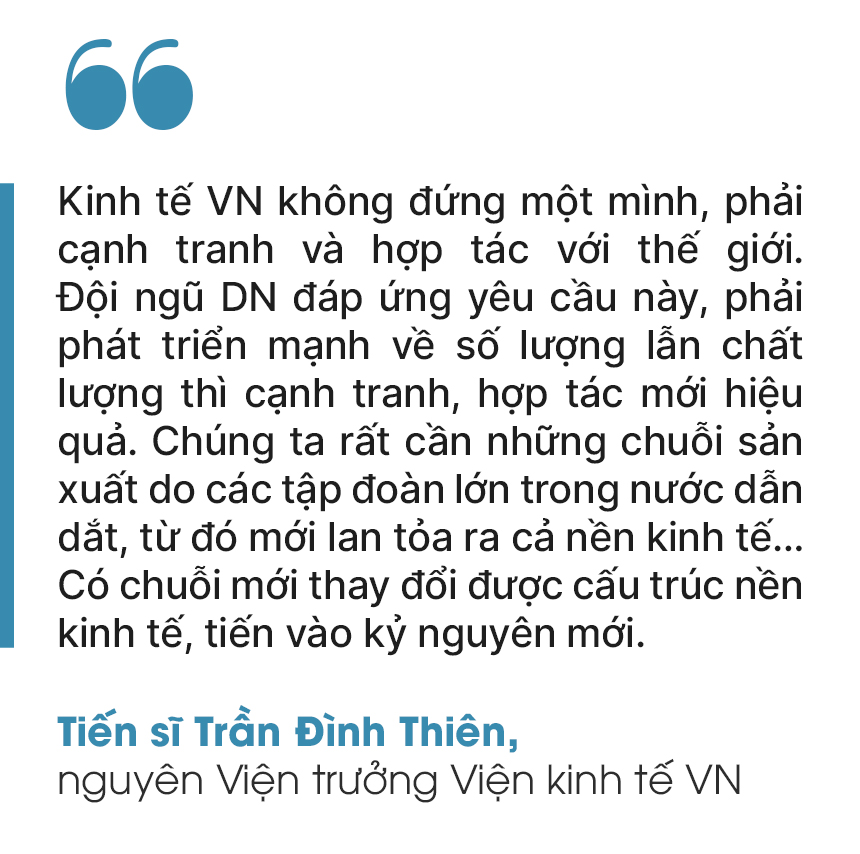
“What is concerning is that the foundation of our private enterprises is still quite weak. Their pivotal role is not yet clearly defined, and we haven't built production chains that participate in global value chains led by large domestic corporations and enterprises. Limited enterprise capacity and a lack of linkages to increase strength are also concerns. In a modern global economy, if we don't participate in production chains or are weak within them, it's difficult to build a strong economy,” Mr. Thien expressed his worries. From there, the expert emphasized: Vietnam's economy doesn't stand alone; it must compete and cooperate with the world. The business sector must meet this requirement, developing strongly in both quantity and quality for effective competition and cooperation. We urgently need production chains led by large domestic corporations, which will then spread throughout the economy… Only with such chains can we change the economic structure and enter a new era. It is these economic corporations that help create new spaces for other businesses to innovate and create.” Without a supply chain, small and medium-sized enterprises (SMEs) would not only fail to develop in isolation but would also shrink and disappear.
“Recently, Vietnam signed an agreement with the global technology corporation NVIDIA, which shows the shape of a modern economy that Vietnam must follow,” Mr. Tran Dinh Thien cited and emphasized: Removing bottlenecks to create a transparent business environment is something we have talked about a lot for a long time, but haven't done. Now we must do it to talk about a new era. “In reality, we have supply chains, but they are still very few and weak. No supply chain has yet taken shape in the market and made a mark on the world. For example, Hoa Phat is currently producing steel; we can create conditions to develop it into a supply chain, moving into mechanical engineering, railways, linking it with the Truong Hai automobile production chain, the VinFast electric vehicle chain…”, Dr. Tran Dinh Thien stated.
According to Dr. Nguyen Si Dung, former Deputy Head of the National Assembly Office, for Vietnamese businesses to truly grow strong and become pillars in various fields, ready to enter a new era, Vietnam needs to focus on three important prerequisites. First, strengthen support for existing large businesses. Concentrate resources on supporting the further development of "leading enterprises," especially in high value-added sectors such as technology, renewable energy, and advanced industrial production. For example, the government could consider preferential credit policies, tax reductions, or public-private partnerships (PPP) to enable leading enterprises to compete effectively in the international market.
Next, we need to build a generation of "medium-sized" businesses. We need to nurture them. Potential businesses can thrive by developing support programs for small and medium-sized enterprises (SMEs) with the potential to become large enterprises, focusing on management training, digital transformation, and technological innovation; connecting SMEs with large corporations to create a sustainable development ecosystem, helping small businesses gradually improve their competitiveness.
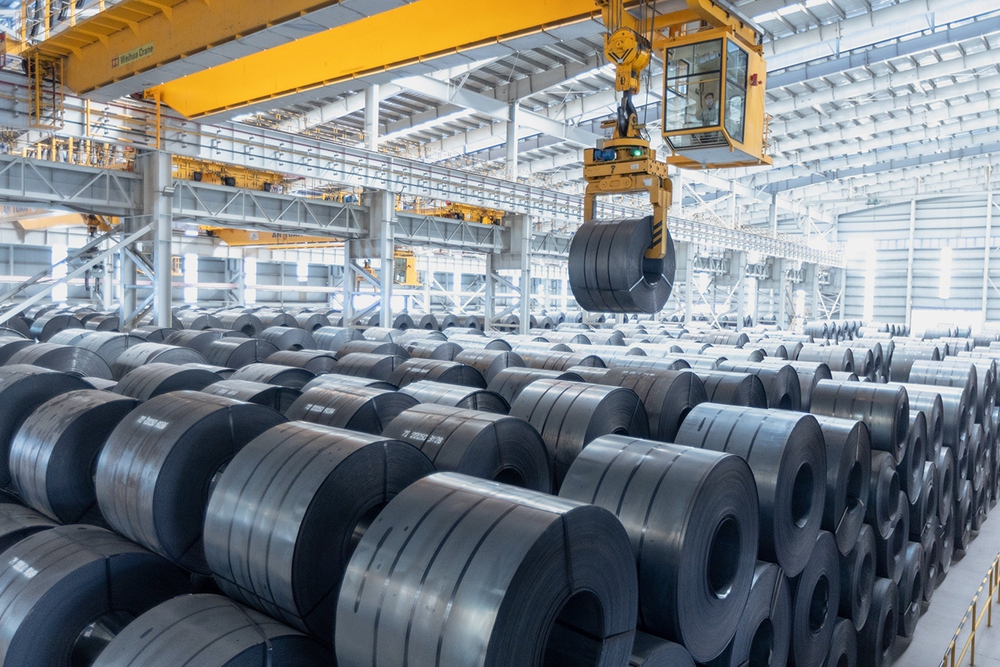
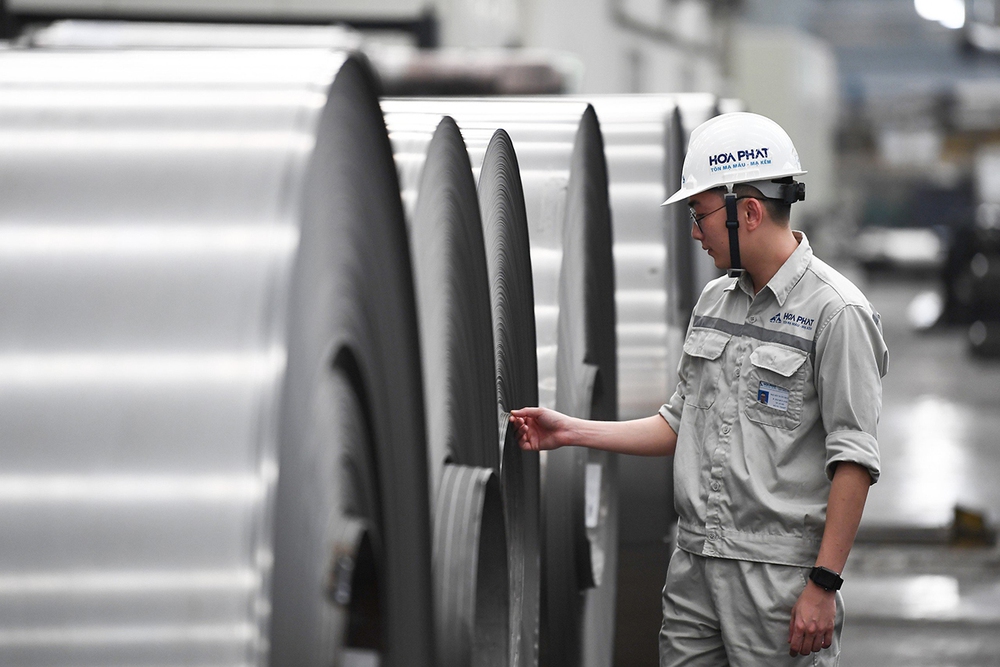
Manufactured by Hoa Phat Group
Another key point is improving the institutional and policy environment. It's crucial to ensure that resolutions and policies aimed at business development are effectively implemented, minimizing administrative barriers, informal costs, and inconsistencies in management. A stable and transparent legal environment will foster confidence in businesses to invest long-term and focus on sustainable development.
“To truly strengthen the business community, a comprehensive strategy is needed to both leverage the leading role of existing large enterprises and build a new generation of businesses capable of rising to the top. Most importantly, it is crucial to create a transparent, fair business environment that encourages innovation. This will be the foundation for Vietnamese businesses to become pillars in many sectors, contributing to the country's entry into a new era,” emphasized Dr. Nguyen Si Dung.
Thanhnien.vn
Source: https://thanhnien.vn/xay-dung-doi-ngu-doanh-nghiep-dan-dat-trong-ky-nguyen-moi-185241207201039869.htm


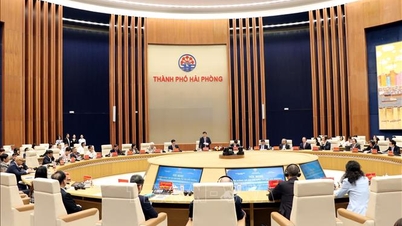
![[Photo] Prime Minister Pham Minh Chinh presides over a meeting on private sector economic development.](/_next/image?url=https%3A%2F%2Fvphoto.vietnam.vn%2Fthumb%2F1200x675%2Fvietnam%2Fresource%2FIMAGE%2F2025%2F12%2F20%2F1766237501876_thiet-ke-chua-co-ten-40-png.webp&w=3840&q=75)














































































Comment (0)