
In early 2026, Bao Thang Regional Medical Center will be transformed with a new look, featuring an 8-story inpatient treatment building that is comprehensively and modernly invested in and put into effective use. The building is scientifically designed, meeting all the technical standards of a Grade II hospital, creating a favorable environment for medical examination and treatment.
The functional areas are logically arranged, from spacious waiting areas and modern diagnostic imaging systems to specialized departments such as Emergency, Pediatrics, Internal Medicine, Interdisciplinary, Traditional Medicine, and Rehabilitation... All contribute to improving the quality of service and patient satisfaction.

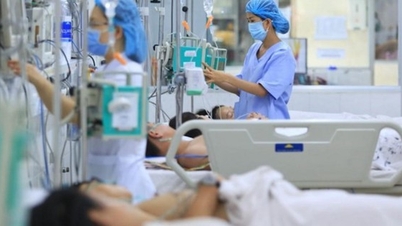
In this new workspace, the Emergency, Intensive Care, and Toxicology Department is where the changes are most clearly felt. Despite the constant urgency and tension, the working atmosphere in the department is full of responsibility and camaraderie.
Dr. Le Van Manh, Head of the Emergency, Intensive Care, and Toxicology Department, shared: "Since working in the new inpatient treatment building, the department's facilities have improved significantly. The wards are spacious and clean, the oxygen and medical electrical systems are synchronized, and the resuscitation equipment is modern, making treatment easier for us, especially for critical emergency cases. Staff are enthusiastic and feel secure in their work, while patients also feel more at ease and confident."
This atmosphere of innovation has also spread strongly at Lao Cai Provincial General Hospital No. 2, where the modern high-tech building has been in use for nearly a year. This is not only an important milestone in upgrading the infrastructure of a first-class hospital, but also opens up opportunities to deploy many high-tech and specialized medical services right in the locality.
Dr. Pham Van Thinh, Director of Lao Cai Provincial General Hospital No. 2, affirmed: The high-tech building is a great driving force for the hospital to continue innovating, improving the quality of medical services, and better meeting the healthcare needs of the people.
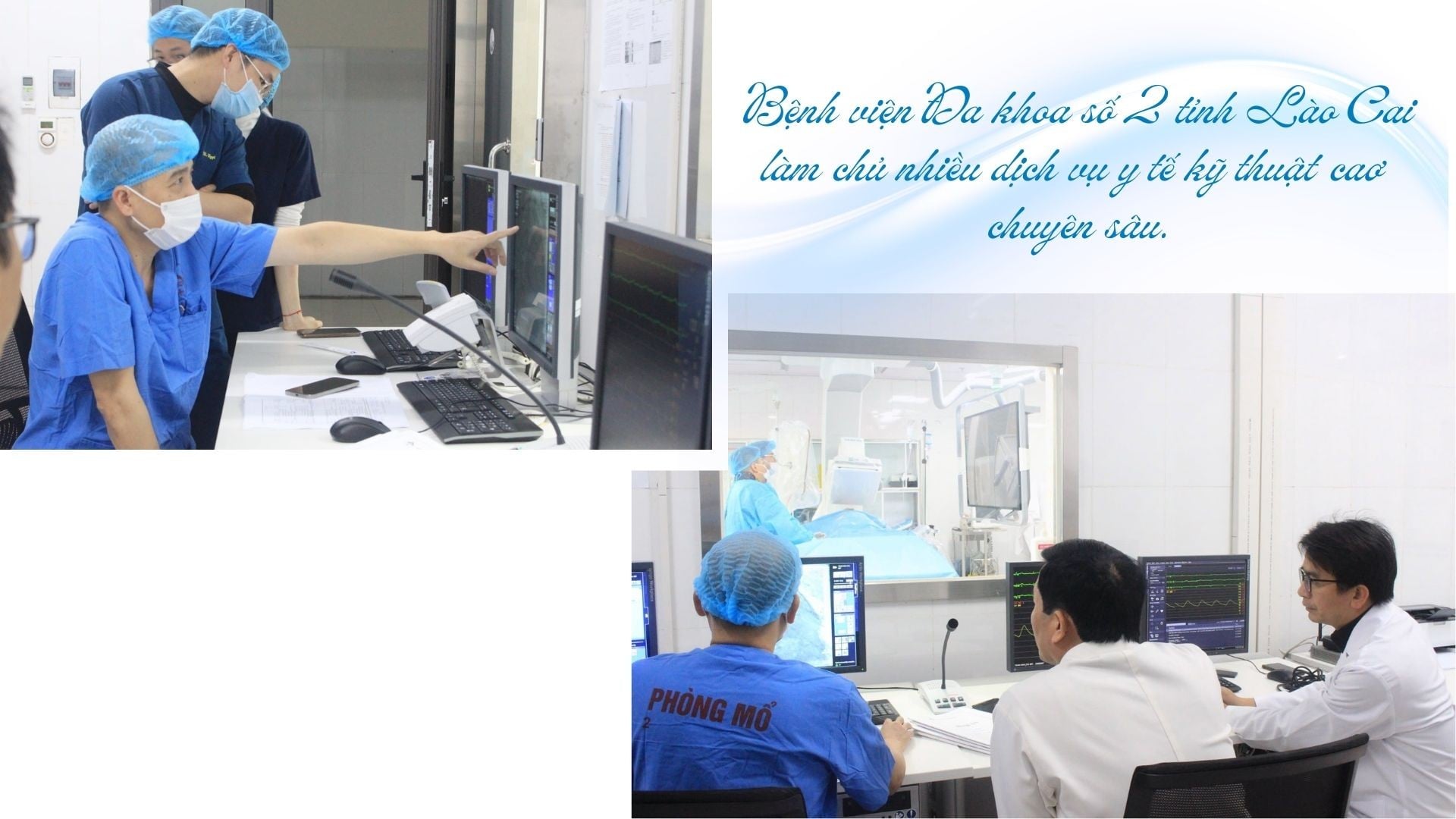
In the modern medical examination and treatment space, the working atmosphere is always urgent and serious. The hurried footsteps and professional exchanges between doctors, nurses, and technicians create a rhythm of responsible work every day. Head nurse Nguyen Thanh Hoa of the Outpatient Department said: Every day, the department receives more than 1,000 patients. Thanks to the automated registration kiosk system, patients only need less than 40 seconds to complete the procedures. This not only helps reduce pressure on medical staff but also enhances the experience, creating a professional and friendly impression right from the reception stage.
Entering the early days of 2026, Lao Cai Provincial General Hospital No. 2 continued to make its mark in the field of medicine when the Ministry of Health approved the implementation of 16 specialized techniques, bringing the total number of techniques in the highest category according to the Ministry of Health's classification at the hospital to nearly 800. Notably, the hospital has successfully performed kidney transplants from living donors and multi-organ harvesting from brain-dead donors right in the locality, opening up new hope for many patients.
Standing out in the overall picture, Lao Cai Provincial General Hospital No. 1 has now mastered 83.4% of the technical procedures according to the Ministry of Health's classification, with 1,280 specialized techniques; the rate of patients requiring referral to higher-level hospitals has decreased to below 2%. Many advanced and complex techniques are regularly implemented, notably thrombolysis and cerebral vascular intervention in stroke treatment, which received Gold and Titanium certifications from the World Stroke Organization for two consecutive years. Modern cardiovascular techniques are also effectively implemented, making the hospital a specialized center for heart failure treatment that meets the standards of the European Society of Cardiology.
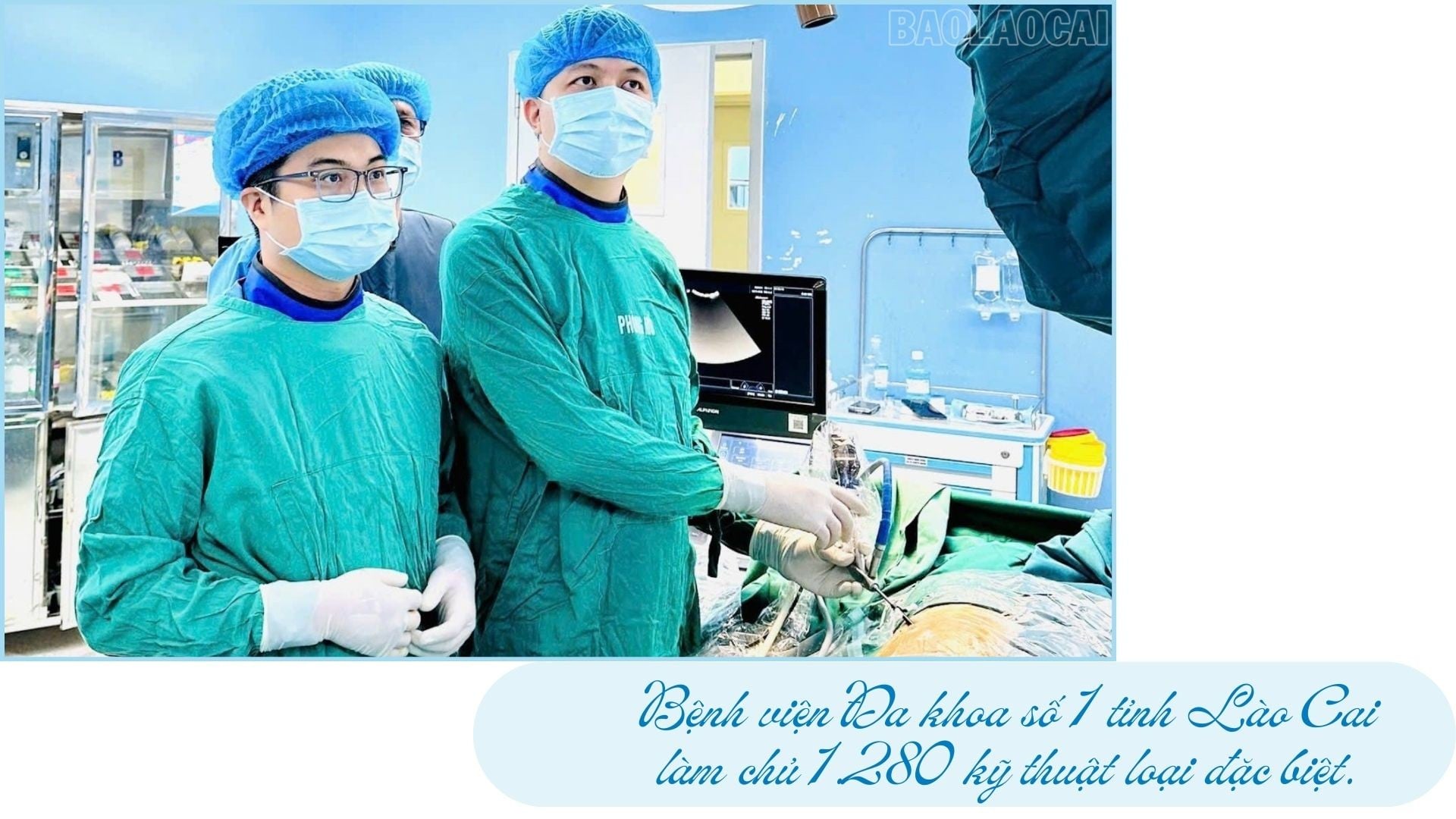
Simultaneously, the fields of interventional cardiology and surgery at the unit continue to develop strongly with many advanced techniques, from cancer treatment and organ trauma to neurosurgery, orthopedic trauma, and complex digestive surgeries... contributing to affirming the steady progress of the province's healthcare.

The achievements of the healthcare sector today are not only the culmination of professional efforts, but also reflect a systematic, in-depth investment process and a long-term vision. It is this foundation that has been and continues to provide momentum for the province's healthcare sector to confidently enter a new era.
During the period 2021-2025, the entire province of Lao Cai, following the merger, has undergone a strong transformation in its healthcare system with a total investment of over 2,400 billion VND for the construction and upgrading of facilities. From these resources, the public healthcare network has been gradually improved, ensuring that 100% of healthcare facilities basically meet the requirements of the new situation.
Many new healthcare facilities have been built during the 2020-2025 period, such as the regional health centers in Muong Khuong, Bao Thang, Van Ban, Bac Ha, Bao Yen, Bat Xat, and Si Ma Cai. Simultaneously, 12 projects to renovate and repair existing healthcare facilities have been implemented, contributing to upgrading the conditions for examination and treatment at many units, including: Yen Bai Traditional Medicine and Rehabilitation Hospital, Yen Bai Obstetrics and Pediatrics Hospital, the Mental Hospital, and the health centers in Nghia Lo, Yen Binh, and Tran Yen districts.
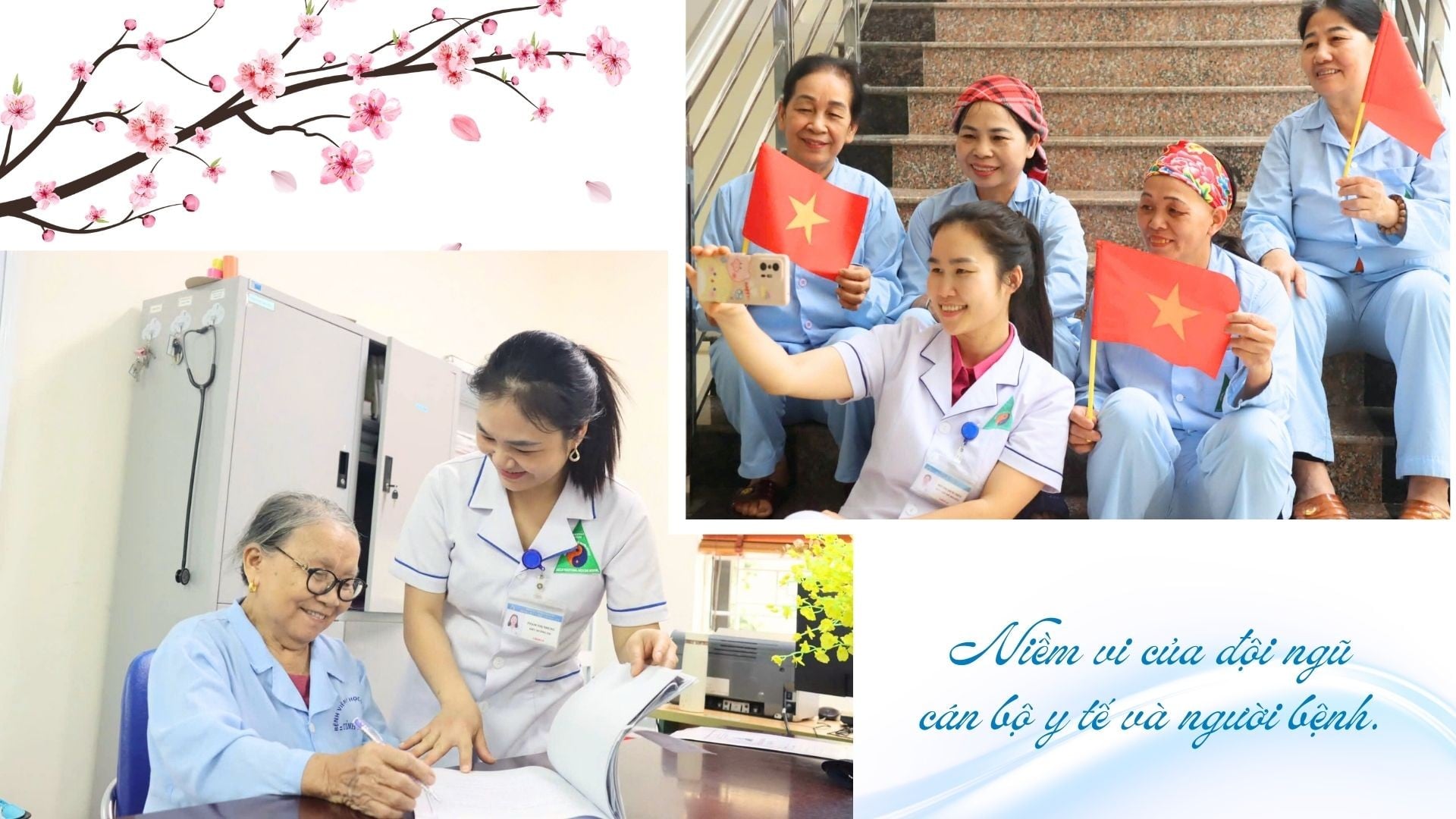
At the grassroots level, a system of 31 regional polyclinics and 319 health stations and health station points has been invested in and built, better meeting the primary healthcare needs of the people. Although some commune health stations built many years ago are now dilapidated and need further renovation, repair, or reconstruction to suit the current situation, the appearance of grassroots healthcare has been undergoing positive changes, instilling new confidence in healthcare workers and local people.
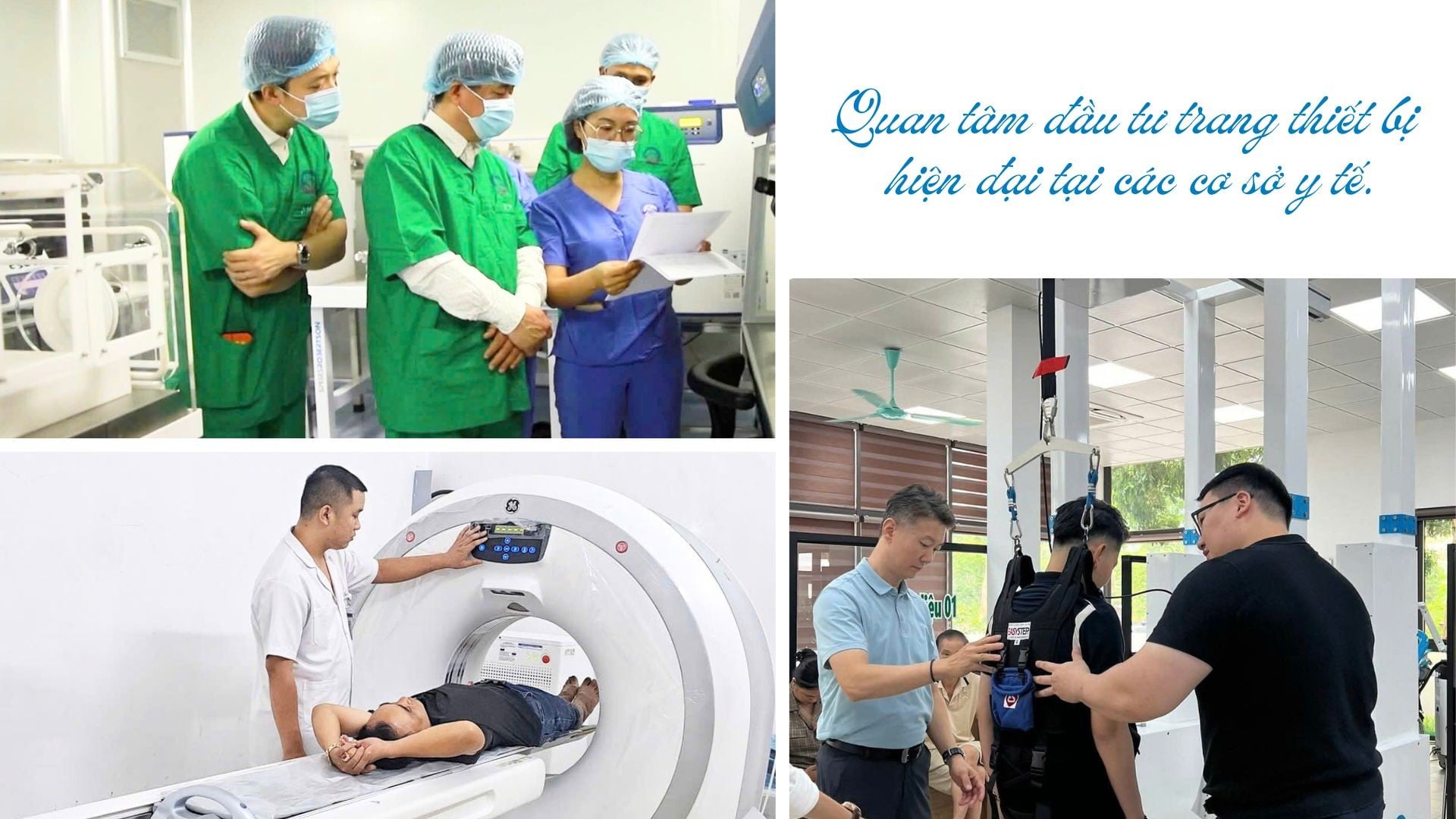
Along with infrastructure investment, over 1.63 trillion VND was allocated to modern medical equipment. Advanced diagnostic and treatment systems such as magnetic resonance imaging (MRI), CT scanners, DSA, hemodialysis, cancer radiotherapy, and assisted reproductive technology (IVF) were gradually put into use. Notably, 100% of hospitals in the former Lao Cai region now have CT and hemodialysis systems – a long-awaited dream of the local people.
Mr. Hoang Quoc Huong, Director of the Department of Health, stated: "These modern and well-equipped medical facilities not only demonstrate the profound concern of the Party, the State, and the province for the people's healthcare, but also serve as a great source of encouragement for medical staff to continue their dedication. In the spirit of the new spring, the Lao Cai health sector will continue to unite, improve professional capacity, master modern techniques, and provide increasingly safe, high-quality, and effective medical services."
Looking ahead to the 2026-2030 period, the Lao Cai health sector continues to propose prioritizing investment in key projects, expanding Provincial General Hospitals No. 1 and No. 2 towards becoming regional hospitals; building new and upgrading regional health centers and commune health stations, while simultaneously promoting digital transformation and issuing policies to attract and retain medical personnel, especially in remote and disadvantaged areas.
The health sector in Lao Cai is steadily progressing in its journey of caring for the people's health. In the new spring season, the people's trust is strengthened, and the sense of responsibility of the medical staff is amplified, creating momentum for the health sector to continue innovating and developing.
Source: https://baolaocai.vn/xuan-cua-niem-tin-post894256.html



















![[Photo] Reception to welcome General Secretary and President To Lam and his wife on their State visit to the Philippines](https://vphoto.vietnam.vn/thumb/1200x675/vietnam/resource/IMAGE/2026/06/01/1780295488620_vna-potal-chieu-dai-chao-mung-tong-bi-thu-chu-tich-nuoc-to-lam-va-phu-nhan-tham-cap-nha-nuoc-toi-philippines-8798060-7855-jpg.webp)












































Comment (0)