

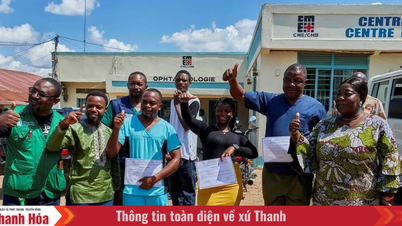
According to the WHO, the biggest obstacle currently is cultural conflict. Disease control efforts are severely hampered by opposition from some segments of the population to strict medical procedures for handling corpses, as it contradicts traditional local burial customs.
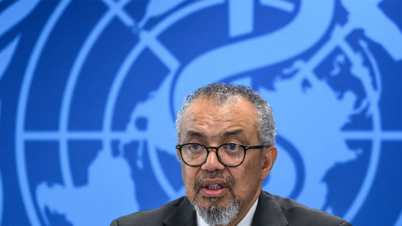
Although the WHO assesses the global risk as currently low (only high in Africa), continuously issuing warnings is a necessary solution to enable the world – including Vietnam – to proactively prevent the spread of the virus early and from afar.
There are four reasons why the WHO must always keep Ebola under surveillance.
1. Extremely potent and has a high mortality rate.
Unlike many other epidemic viruses, Ebola has an average mortality rate of up to 50%, and in some historical outbreaks, this figure can reach as high as 90%.

When a disease has the potential to claim the lives of half those who contract it, any single case is enough to trigger a global red alert.
2. "Healthcare underserved areas" and barriers from local customs and traditions.
Ebola outbreaks typically originate in Central and West African countries, where basic healthcare systems are underdeveloped and resources are limited.
In particular, epidemic control efforts here are facing numerous obstacles as a segment of the population opposes strict medical procedures for handling the bodies of victims, due to deep conflict with traditional local burial rituals.
Ebola poses an extremely high risk of infection because the viral load in the blood and bodily fluids of the deceased reaches its highest level immediately after death.
However, traditional cultural rituals here view funerals as the ultimate spiritual event: the living are obligated to wash, dress, and kiss the deceased to receive final blessings.
In some tribes, the water used to bathe the dead is considered sacred, containing the soul of the deceased. After bathing the dead, the water is saved for family members to apply to their heads, faces, or sprinkle around the house in the belief that it will bring blessings.
The conflict between the disease control procedures of healthcare workers and the spiritual beliefs of the local people is the reason why pathogens spread directly and epidemics persist for so long.
In the era of global trade, a disease originating in a remote village in Africa can appear in a major city in Asia or Europe just 24 hours after a flight. Early warning systems enable other countries to proactively monitor border crossings and prepare response scenarios.
3. Hard lessons from the past
The WHO faced significant criticism during the Ebola epidemic (2014-2016) in West Africa for its slow response in the early stages, which resulted in over 11,000 deaths. Learning from that costly lesson, the WHO changed its approach: it's better to issue early and even excessive warnings (*over-alert*) to allow countries to prepare, rather than remaining silent and being caught off guard.
4. Activate reserve funds and scientific research.
Every time the WHO issues a warning or declares a "Public Health Emergency of International Concern," it's like a wake-up call for aid.
It helps activate global emergency funding; encourages pharmaceutical companies to accelerate the production of vaccines and antiviral drugs; and supports the provision of personal protective equipment (PPE) for frontline doctors in affected areas.
Although Ebola is dangerous, there are three reasons why people need to be vigilant but not overly panicked.
1. This virus is not transmitted through the air.
Even if a sick person coughs or sneezes close to you, you won't get infected, which is completely different from COVID-19 or the flu.
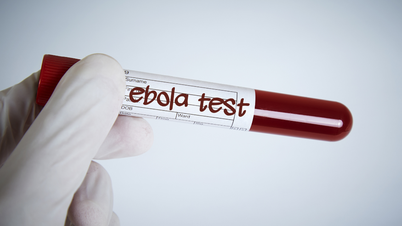
It is only transmitted through direct contact with the bodily fluids (such as blood, pus, saliva, sweat, vomit) of someone who has contracted the disease or has died from it, or through surfaces and objects contaminated with the patient's secretions.
In particular, people who are in the incubation period (before showing symptoms such as fever) are completely incapable of transmitting the disease to others.
2. Medicine offers effective control through supportive treatment protocols from the outset.
Although there is no specific vaccine for this Bundibugyo strain, if detected early and patients are promptly hospitalized for fluid and electrolyte replacement, supportive care, and symptomatic treatment, the chances of recovery are very high.
3. The risk in Vietnam is currently very low.
The WHO assessed the global risk of this outbreak as low. Furthermore, our country's health sector proactively activated the surveillance system, issued guidelines for the diagnosis and treatment of Ebola virus disease, and implemented remote body temperature measurement at all international border crossings from a very early stage.
Anyone returning from epidemic-affected areas in Africa is being closely monitored and supervised.
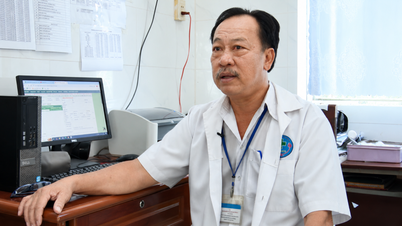
Dr. Nguyen Thanh Uc
Source: https://baodongthap.vn/xung-dot-van-hoa-khien-cho-dich-ebola-kho-dap-tat-o-chau-phi-a241535.html


![[Photo] General Secretary and President To Lam presides over a meeting on preparations for the review of one year of operation of the three-tiered government system.](https://vphoto.vietnam.vn/thumb/1200x675/vietnam/resource/IMAGE/2026/06/02/1780391821195_a1-bnd-4595-9717-jpg.webp)

















![[Infographic] The organization of the 2026 High School Graduation Examination: Essential information](https://vphoto.vietnam.vn/thumb/402x226/vietnam/resource/IMAGE/2026/06/02/1780402326179_infographic-cong-tac-to-chuc-ky-thi-tot-nghiep-trung-hoc-pho-thong-nam-2026-nhung-thong-tin-can-biet20260602062135.webp)










































Comment (0)