

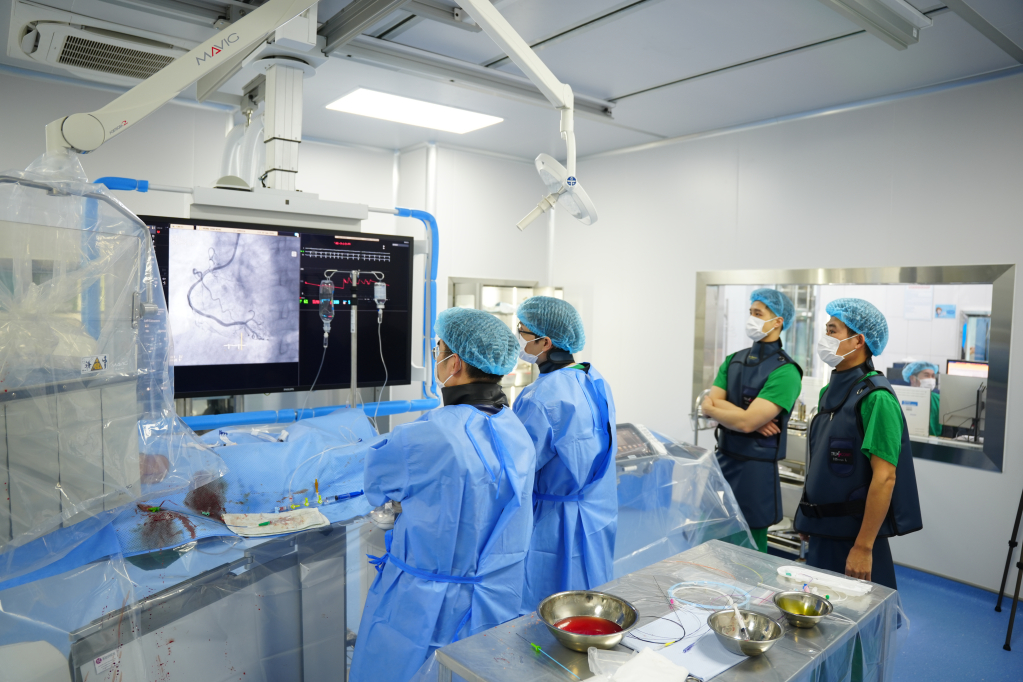
AI applications are creating a modern healthcare system.
A highlight of Quang Ninh 's healthcare transformation is the application of AI technology, which is not only seen as a technical support tool but is gradually becoming a "digital assistant" throughout the entire healthcare chain. This demonstrates that the province's healthcare development mindset has shifted from a post-disease response model to a risk prediction, early detection, and personalized treatment model.
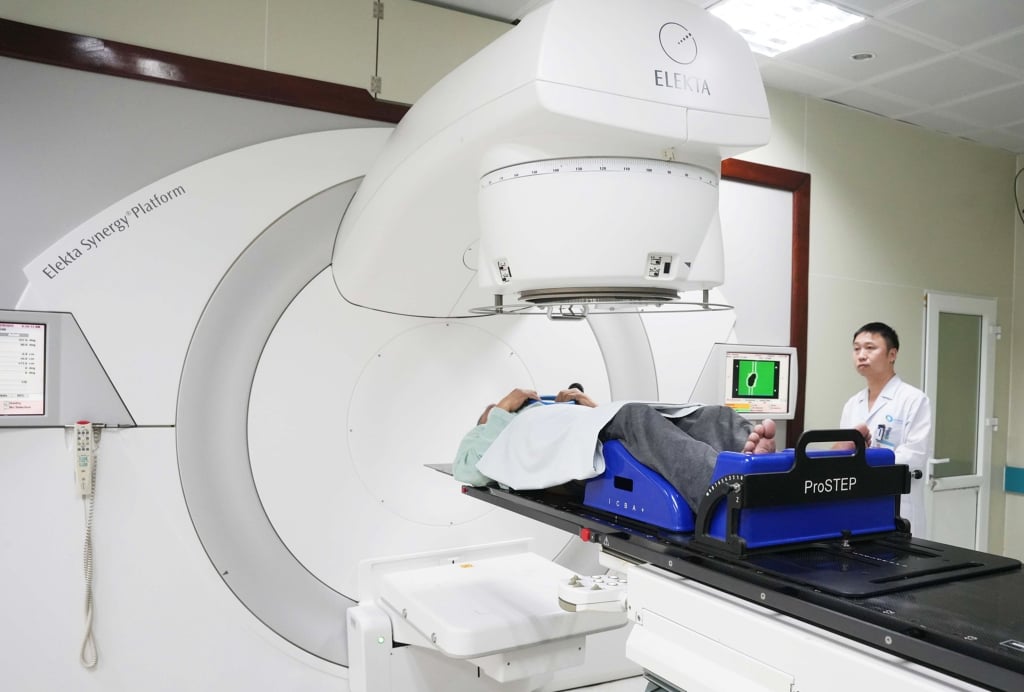
The fact that Quang Ninh Provincial General Hospital has put into operation a digital subtraction angiography (DSA) system integrated with AI is clear evidence of this trend. Dr. Ngo Quang Chuc, Head of the Department of Diagnostic Imaging and Interventional Radiology at Quang Ninh Provincial General Hospital, shared: "With this new DSA system, the integrated AI algorithm will help reduce image noise in real time, allowing for clear observation of small blood vessel structures and interventional devices such as stents and catheters even at low radiation doses. The system also supports 3D image reconstruction, planning and guiding interventional instruments accurately in complex cases; automatically detects and quantifies vascular stenosis and assesses the level of cerebral/cardiac perfusion."
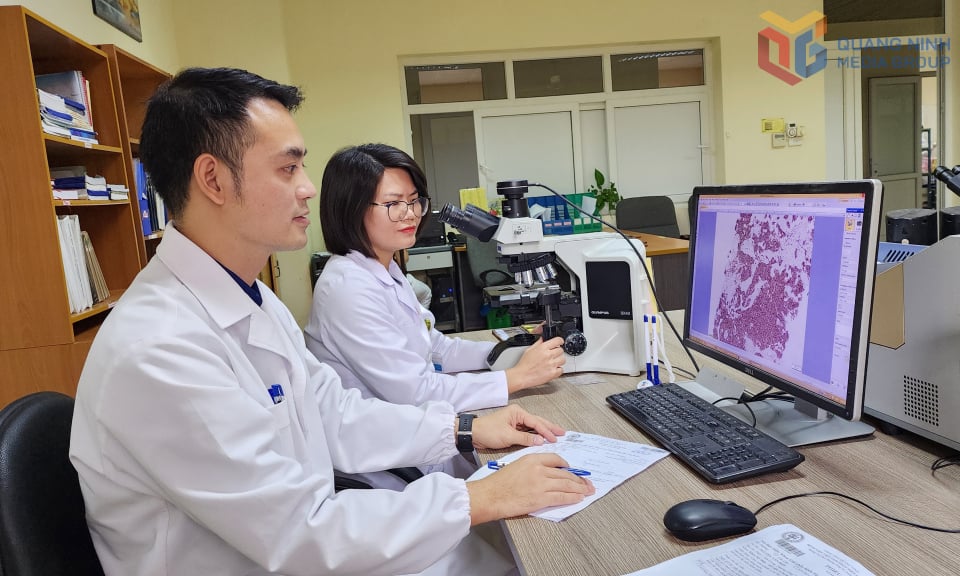
At Quang Ninh Provincial General Hospital, the RAPID software has been implemented in the treatment of acute ischemic stroke since 2021. This technology, developed by Stanford University (USA), can analyze CT or MRI images in just 30 seconds to 2 minutes, accurately identifying the location of the lesion, the volume of necrotic tissue, and the brain region at risk of being affected. Importantly, this technology has extended the "intervention window" for stroke patients to 24 hours, instead of the previous 6 hours. This is of great significance in Quang Ninh, where a large proportion of stroke patients are admitted late due to geographical distance or a lack of early symptom recognition.
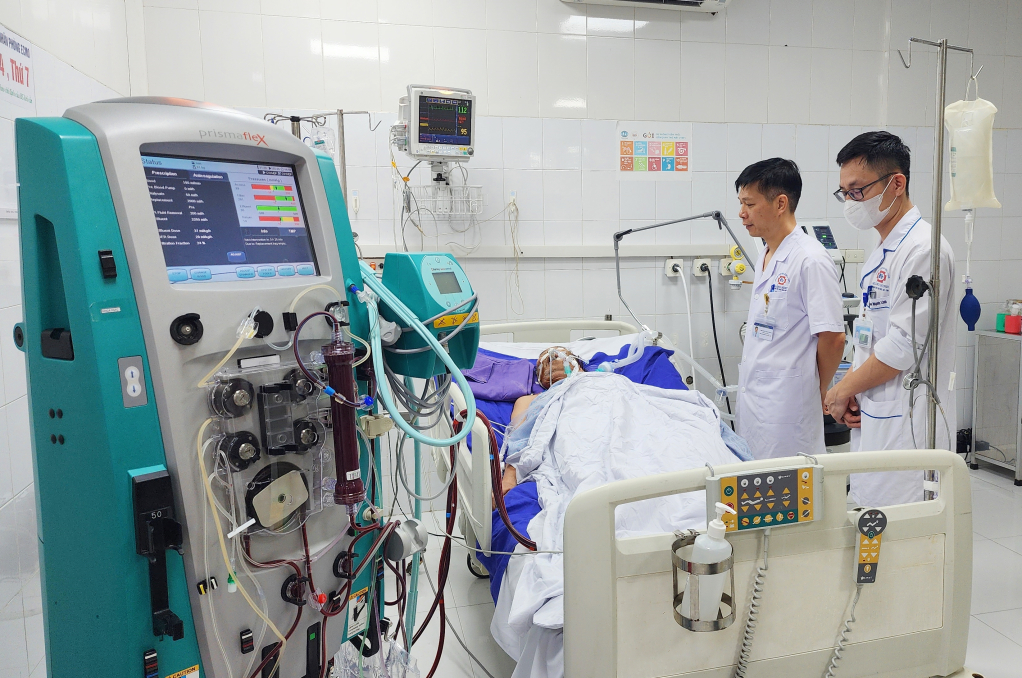
It is known that each year, the Provincial General Hospital receives approximately 250-300 stroke cases, mostly outside the "golden hour". Previously, late-arriving cases could only be treated medically, but thanks to RAPID, doctors can assess and prescribe more effective interventions. Images analyzed from RAPID are sent directly to the devices of doctors in the treatment team, enabling faster coordination in emergency cases. This AI technology is making a significant contribution to improving the effectiveness of emergency care and treatment, and reducing mortality and disability rates due to stroke in Quang Ninh.
Along with the Provincial General Hospital, Bai Chay Hospital is a pioneering unit in Quang Ninh's health sector in applying AI to examination, diagnosis, and treatment. Previously, early detection of lung lesions or diseases, especially lung cancer, required highly skilled doctors with extensive experience and state-of-the-art equipment. Now, with artificial intelligence (AI) technology, this process has become faster, more accurate, and more comprehensive. From the second quarter of 2025, when Bai Chay Hospital began parallel testing the application of AI in lung imaging diagnosis, it has assisted doctors in early detection of lesions and timely treatment decisions.

Not only at the provincial level, the Department of Health has directed its affiliated facilities to promote the application of AI technology in many activities. Many units are testing medical chatbots, support tools based on platforms such as ChatGPT, Deepseek, Copilot… to suggest clinical diagnoses, personalize treatment protocols, and summarize patient records. Big data analytics systems and artificial intelligence are also being applied in epidemiological surveillance, helping to detect early risks of disease outbreaks and supporting industry leaders in making faster and more accurate decisions. From now until July 2026, the Quang Ninh Department of Health and the Vietnam Association for Research and Application of Biomedical Technology have also signed a cooperation program to implement training in artificial intelligence (AI) applications for health sector officials and staff. It is expected that around 10 training courses will be organized, with over 1,000 healthcare professionals participating, contributing to promoting digital transformation and developing comprehensive digital capabilities for the healthcare sector.
With the application of science and technology, the health sector has successfully implemented advanced techniques from the central level, successfully performing two multi-organ harvesting procedures from brain-dead donors at the Provincial General Hospital and the Vietnam-Sweden Uong Bi Hospital, receiving a total of 14 organs and saving the lives of 17 patients. Notably, the Quang Ninh health sector has successfully performed kidney transplants for six cases, including four transplants from brain-dead donors and two transplants from living donors.
Between 2026 and 2030, Quang Ninh province plans to continue investing in high-tech equipment in the healthcare sector. The Oncology Center at Bai Chay Hospital will be equipped with a PET/CT system for cancer diagnosis and treatment. Several surgical robots will also be deployed in the fields of oncology, general surgery, and neurosurgery. To achieve these goals, the province is collaborating with technology corporations such as Viettel Group, FPT, and VNPT to research and develop digital platforms suitable for the specific needs of the healthcare industry.
"Digitizing" the healthcare system.
If AI is the "brain" supporting professional expertise, then electronic medical records and digital infrastructure are the "backbone" of a smart healthcare system. Quang Ninh becoming the first locality in the country to complete electronic medical records at 100% of its medical facilities not only represents a pioneering technological achievement but also demonstrates the capacity for organization, standardization, and data synchronization across the entire sector.
By June 2025, the province will be the first locality in the country to complete electronic medical records at 100% of its medical facilities. Simultaneously, medical facilities have connected data to the National Public Service Portal, implemented health insurance coverage using chip-embedded citizen ID cards, electronic prescriptions, and electronic health records for nearly 98% of the population, and deployed self-service kiosks for medical examinations and treatments…
Furthermore, 97.4% of the province's population has their health information managed and possesses health records; 100% of medical facilities have implemented digital healthcare solutions and platforms such as: integrating chip-embedded citizen identity cards, VNeID and VSSID applications, electronic prescriptions, cashless payment of hospital fees, remote medical examinations and consultations, online registration and results delivery, and the application of Artificial Intelligence (AI) in diagnosis to support clinical decision-making and treatment for patients.
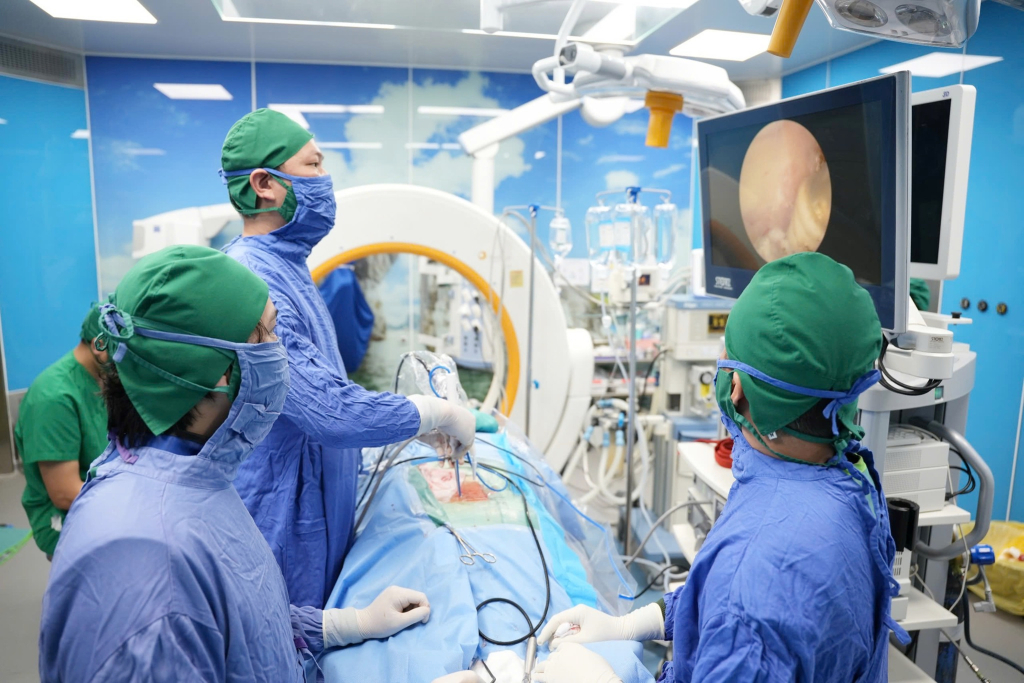
Ms. Nguyen Thi Huong, from area 4A, Ha Long ward, said: "I find digital applications in healthcare very convenient for people nowadays. Just using my phone, I can proactively schedule appointments via the hospital's website, hotline, or Zalo, choose a doctor, specialty, and suitable time slot, so I no longer have to wait as long as before. Especially, after having tests or scans done, I can view the results online directly on my phone without having to return to the hospital to get a paper copy. This method saves travel time, reduces crowds at the hospital, and helps people access medical services more quickly and modernly."

Notably, Quang Ninh's health sector is strongly shifting from "data digitization" to "intelligent data mining." The initiative to integrate AI with the electronic medical record system at Bai Chay Hospital demonstrates this direction. AI is directly integrated into the electronic medical record process. Based on existing data on symptoms, medical history, drug allergies, test results, diagnostic imaging, prescriptions, and treatment processes, the system can analyze, synthesize, and provide supportive suggestions. Doctors remain the ones who review, evaluate, and make the final decisions. AI only acts as a "digital assistant," providing healthcare staff with an additional reference channel in their professional work and in completing medical records.
Dr. Hoang Minh Tuan (Head of Quality Management Department, member of the team behind the initiative "Integrated AI solution with electronic medical record system to improve the quality and efficiency of medical examination and treatment") shared: Bai Chay Hospital is currently a Grade I hospital, a specialized hospital of the province, receiving nearly 1,500 outpatient visits and more than 1,000 inpatients daily. With such a large workload, the medical staff not only face pressure in medical examination and treatment but also have to perform many administrative and professional tasks. When AI is integrated with the electronic medical record system, reviewing records will be more convenient. This tool helps departments reduce manual operations while improving the efficiency of checking and monitoring the quality of records. In addition, features such as speech-to-text conversion, automatic standardization of recorded content, and support for nurses in developing care plans also help healthcare staff update patient records faster, allowing them more time to communicate, advise, and care for patients.
The implementation of health insurance-covered medical examinations and treatments using chip-embedded citizen ID cards, cashless hospital fee payments, self-service kiosks, and online results delivery are gradually changing the traditional operating model, which relies heavily on paper documents and manual procedures. Currently, 168 administrative procedures in the health sector are fully implemented online, reducing processing time by more than 30% compared to before. Building on the foundation of electronic medical records, the Quang Ninh Health Department continues to aim towards developing a centralized medical examination and treatment data system for the entire sector, ensuring connection with the national portal according to international standards. The ultimate goal of digital transformation is to build a comprehensive smart hospital system, aiming for three criteria: paperless, cashless, and no waiting.
According to Dr. Bui Manh Hung, Director of the Department of Health, in implementing Resolution 57-NQ/TW of the Politburo on the development of science, technology, innovation, and digital transformation, the Quang Ninh health sector will strongly develop science and technology in healthcare, especially the application of AI and IoT (Internet of Things) in the work of caring for people's health. After completing the digitization of this massive medical data system, the health sector will continue to connect medical records between commune-level to provincial-level, and provincial-level to central-level, thereby helping patients access the best medical examination and treatment right in their locality, as well as managing healthcare at the grassroots level.
It is clear that digital transformation in healthcare is not simply about applying modern technology, but a comprehensive reform of management thinking, operational methods, and service quality. With data becoming a core resource, AI becoming a professional support tool, and patients at the center of all activities, Quang Ninh's healthcare sector is gradually forming a truly smart hospital model.
With a standardized data platform, coupled with a commitment to investing in high technology and training digital human resources, Quang Ninh is not only improving its local healthcare capacity but also building a modern healthcare ecosystem capable of connecting with major medical centers nationwide. This will be a crucial foundation for improving the quality of healthcare for the people in the new era, while affirming Quang Ninh's pioneering role in the digital transformation of the healthcare sector across the country.
Source: https://baoquangninh.vn/y-te-thong-minh-nang-tam-chat-luong-kham-chua-benh-3407598.html


























![[Video] Sunset at Lap An Lagoon – Where the sun sets over the fishing nets](https://vphoto.vietnam.vn/thumb/340x192/vietnam/resource/IMAGE/2026/05/31/1780192137701_beach-landscape-sea-water-nature-grass-745871-pxhere-com.jpeg)





![[Photo] The General Secretary, President and his wife lay flowers at the Ho Chi Minh Monument in Manila.](https://vphoto.vietnam.vn/thumb/1200x675/vietnam/resource/IMAGE/2026/05/31/1780219759477_anh-man-hinh-2026-05-31-luc-16-29-07.png)






































































Comment (0)