

Typing the keyword "zalo web" into a search engine, the top results always include two addresses: "zaloweb.me" and "zaloweb.vn".
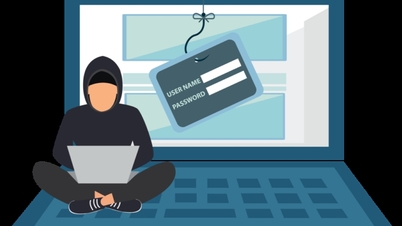
To deceive users, websites are created that mimic the real Zalo homepage, making it very difficult to distinguish between the real and fake, with content providing instructions on how to log in on a computer using various methods.
However, if you click the "log in to Zalo on the web" button, depending on the time, users may be redirected to pages advertising football betting, adult content, or pages containing viruses.
However, to avoid detection, hackers usually still allow users to redirect to the real Zalo homepage, which is https://zalo.me/.
Mr. Vo Duy Khanh, an expert from Bkav, stated: “We have been monitoring this for some time. Sometimes malicious actors plant viruses or display inappropriate content, and sometimes they redirect to the real Zalo homepage. However, with the need to use Zalo on computer browsers in offices and workplaces, a very large number of users are still searching for “Zalo web” every day and mistakenly accessing fake pages. This poses a serious threat to national security.”
"Bkav has sent a report to the Ministry of Information and Communications to block these malicious websites. This is not a problem with Zalo, but this popular chat application is being exploited by malicious actors," the expert said.
Bkav experts advise that anyone who has accidentally accessed the aforementioned fake websites should immediately scan for viruses to ensure cybersecurity.
Source: https://nhandan.vn/zalo-web-bi-gia-mao-khien-hang-trieu-nguoi-bi-lua-post835628.html




































































































Comment (0)