

1. What are the benefits of unripe sấu fruit?
The sấu fruit is a characteristic fruit of Northern Vietnam, often used when green or unripe to make sour soup, soaked in water to make a drink, candied, or eaten with salt and chili. According to Dr. Nguyen Thanh Hang, Department of Traditional Medicine, Hanoi Medical University, sấu fruit has a sour taste and a cooling nature, with effects that clear heat, generate bodily fluids, aid digestion, and reduce thirst in the summer.
The main uses of the sấu fruit:
1. Helps to cool the body and quench thirst.
During hot weather, the body loses water more quickly, easily leading to feelings of fatigue, dry mouth, and loss of appetite. According to Traditional Chinese Medicine, the sour fruit (Spondias mombin) has a sour taste and a cooling nature, which helps to clear heat—reducing internal heat buildup—and stimulate the production of natural fluids such as saliva and digestive juices, helping to alleviate dryness and thirst.
That's why a bowl of sour soup with star fruit or a glass of star fruit juice on a hot summer day feels so refreshing and cooling; the underlying reason is that the sourness of the star fruit stimulates the body to secrete natural fluids.
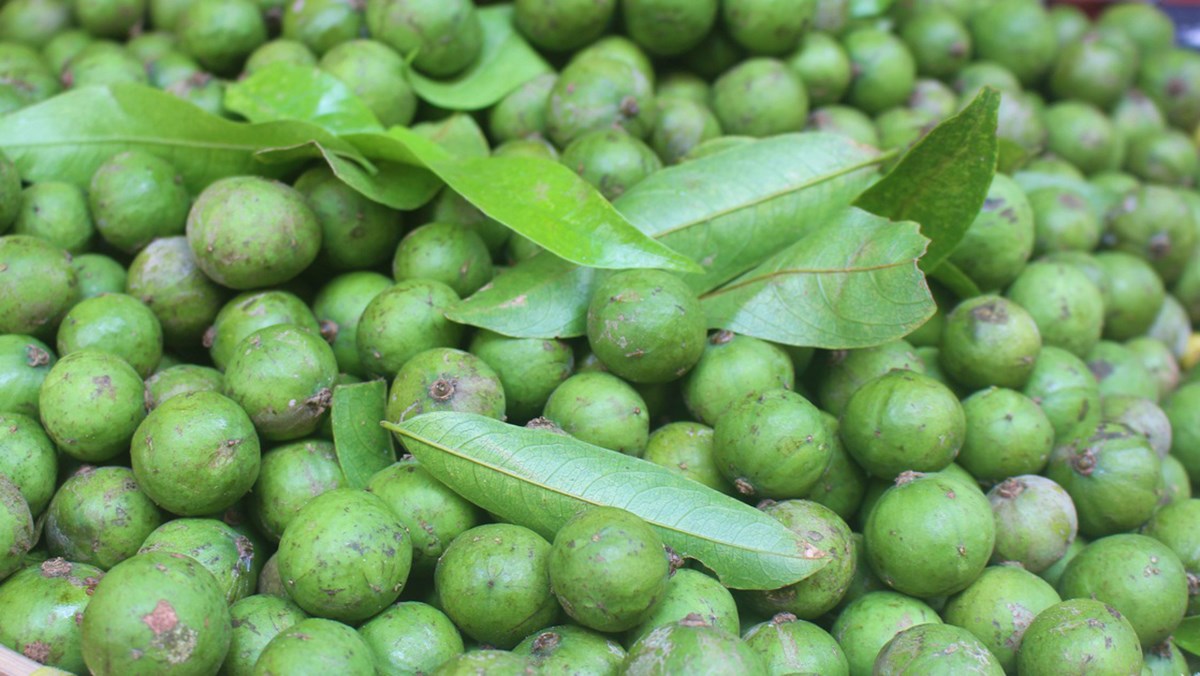
The sấu fruit has the effect of clearing heat, generating bodily fluids, aiding digestion, and reducing thirst during the summer.
2. Helps stimulate digestion
In summer, many people fall into a vicious cycle: the heat, loss of appetite, eating less, and then feeling even more tired. The sourness of the sấu fruit (a type of sour fruit) can help break this cycle in a rather simple way. When the sour taste touches the tongue, the body reflexively increases saliva and gastric juice secretion, signaling "ready to digest," making the food taste better.
3. Helps reduce the feeling of satiety during meals.
With meals high in protein or fat, the sourness of the sấu fruit acts as a natural balancer. The acid in sấu helps to soothe the greasy feeling, making the meal lighter and easier to eat. Furthermore, young sấu fruit contains a relatively high amount of vitamin C, which helps the body absorb iron from plant sources more effectively, especially from leafy green vegetables like water spinach, which are rich in iron but difficult to absorb when eaten alone.
This is why the combination of sấu (a type of fruit) and water spinach is not only delicious but also has a clear nutritional basis, even though our ancestors couldn't explain it in modern scientific terms.
4. Do unripe star fruits help with detoxification and weight loss?
Many people believe that drinking sour plum juice can help with weight loss or detoxification. This belief may stem from the fact that sour plum juice encourages increased hydration and improves digestion. However, these are only indirect effects; there is no scientific evidence to confirm that sour plums directly aid in weight loss or detoxification.
One more point to note: Many commercially available pickled star fruit drinks contain a significant amount of sugar. Regularly consuming large quantities can increase calorie intake, counterproductive for those trying to control their weight.
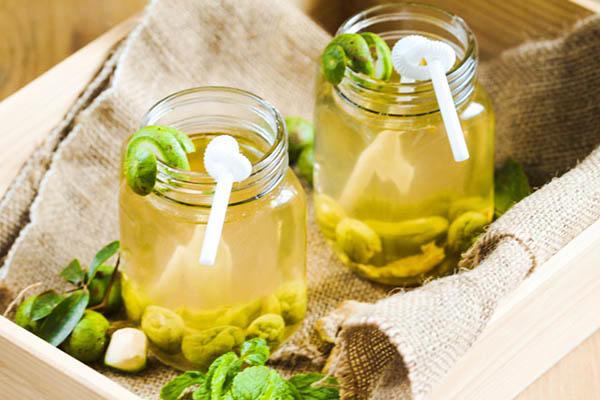
Sour plum juice is refreshing during the summer.
2. Things to note when eating sấu (a type of sour fruit)
According to Dr. Nguyen Thanh Hang, although it is a familiar fruit, unripe sấu (a type of sour fruit) has a relatively high acidity level, making it unsuitable for some people.
People with stomach problems: Those with gastritis, stomach ulcers, gastroesophageal reflux, or excessive acid secretion should limit their consumption of unripe ambarella fruit or overly sour ambarella juice. The acid from ambarella can increase feelings of heartburn, acid reflux, and epigastric pain, especially when eaten on an empty stomach.
People with weak enamel: The acid in sour plums temporarily softens the outer layer of tooth enamel. If you brush your teeth immediately after eating, this weakened enamel is more susceptible to damage. Therefore, you should rinse your mouth with water and wait at least 30 minutes before brushing your teeth.
For people with kidney disease, cardiovascular disease, or hypertension: Dishes like pickled star fruit, preserved star fruit, or star fruit soaked in salt often contain a lot of salt. This is especially important for those who need to limit sodium intake, even if the amount of star fruit consumed is not large.
Young children: Children's stomachs are still sensitive, and eating too much unripe star fruit dipped in salt and chili can easily cause irritation, stomach pain, and affect their developing tooth enamel. Parents should also pay attention to the amount of salt in spicy and salty star fruit dishes.
Pregnant women: Many expectant mothers enjoy eating sấu (a type of sour fruit) because its sour taste helps alleviate morning sickness, a common bodily reaction to sour flavors in general. However, eating too much sour sấu, drinking overly concentrated sấu juice, or consuming it with excessive salt and chili can cause stomach discomfort or increase the risk of heartburn, which is already common during pregnancy.
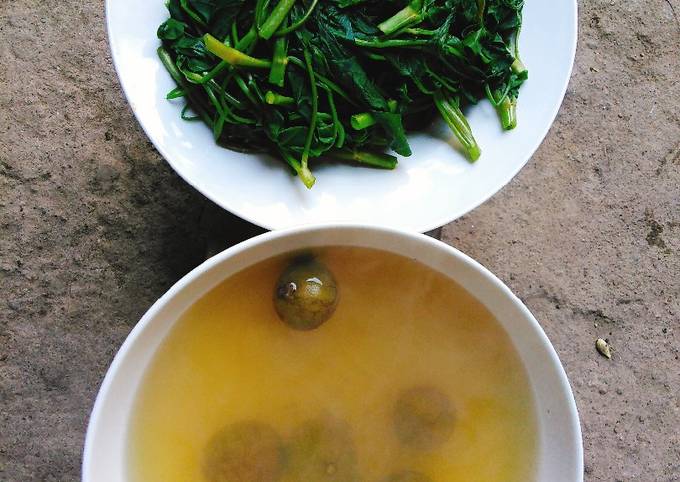
The vitamin C in sấu (a type of fruit) helps the body absorb iron from green vegetables.
While not a food to be avoided, unripe ambarella fruit should not be consumed indiscriminately. Dr. Nguyen Thanh Hang, a resident physician, advises using young ambarella in moderation, preferably incorporating it into soups rather than eating it directly due to its sourness or saltiness, and avoiding consumption on an empty stomach. A single ambarella fruit in a bowl of soup or a few slices of lightly pickled ambarella can offer positive effects recognized by traditional medicine. The key lies not in the fruit itself, but in how we use it: at the right time, in the right amount, and according to our individual health conditions.
See more trending articles:
Source: https://suckhoedoisong.vn/4-tac-dung-cua-qua-sau-non-169260512120609764.htm






































































































Comment (0)