

1. Benefits of cabbage
- 1. Benefits of cabbage
- 2. Some commonly used folk remedies from cabbage
- 3. Things to note when using cabbage
According to Dr. Phan Bich Hang, Department of Traditional Medicine, Hanoi Medical University, cabbage has a sweet taste, a cooling nature, and acts on the Stomach and Kidney meridians.
Cabbage has the effect of clearing heat, promoting diuresis, detoxifying, and generating body fluids. It is often used in cases of internal heat, constipation, mild stomach ulcers, edema due to damp heat, and digestive disorders.
The sweetness of cabbage has a harmonizing and nourishing effect; its cooling properties help to clear heat and soothe the condition of "heat accumulation in the stomach and intestines" – often seen in people with irregular eating habits, who consume a lot of spicy food, hot drinks, and alcohol. Therefore, cabbage can help improve symptoms such as heartburn, dry mouth, and constipation.
According to modern medicine, cabbage is rich in vitamin C, vitamin K, fiber, and antioxidants, which help protect the digestive mucosa and boost immunity, consistent with the "food and medicine have the same origin" principle of Traditional Chinese Medicine.
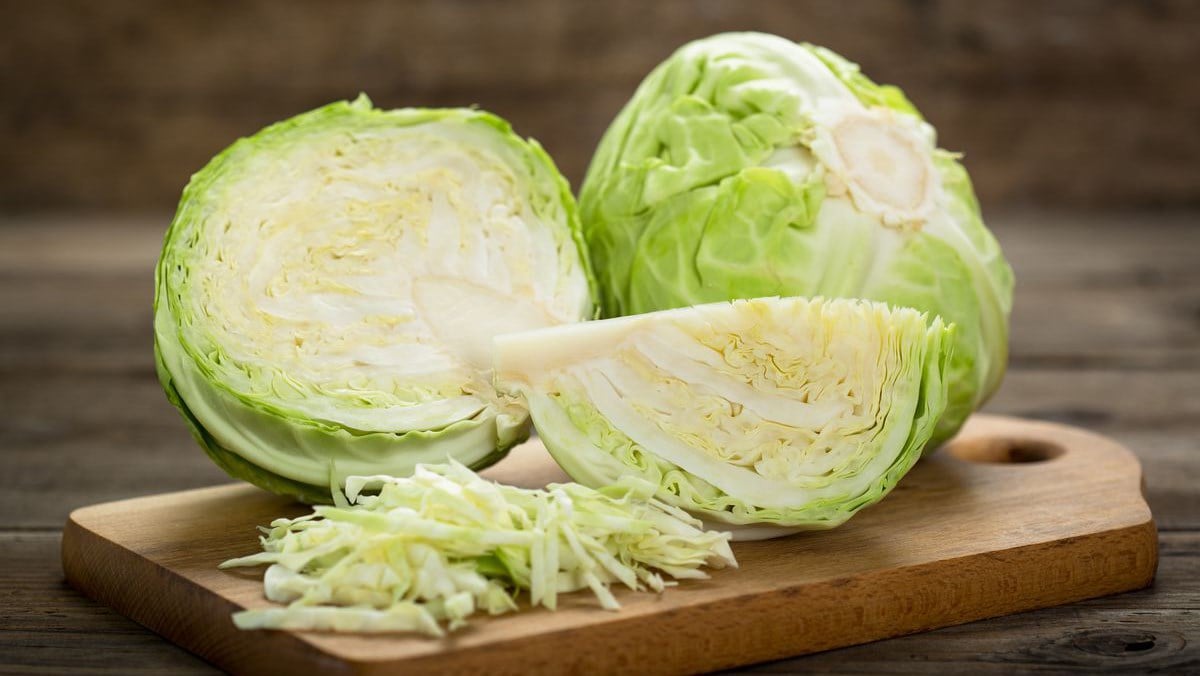
Cabbage has the effect of clearing heat, promoting urination, and detoxifying the body.
2. Some commonly used folk remedies from cabbage
Dr. Phan Bich Hang introduces some simple, easy-to-make folk remedies using cabbage:
2.1. Support for gastric ulcers
Ingredients: 200–300g of fresh cabbage.
Instructions: Wash thoroughly, squeeze out the juice and drink raw, once a day in the morning or before meals. Use continuously for 10–14 days.
Effects: Studies show that compounds in cabbage such as sulforaphane and kaempferol can act on inflammatory pathways, helping to reduce chronic inflammation, stimulate mucosal cell regeneration, and support the healing of gastric and duodenal ulcers. Therefore... It helps soothe the stomach lining, reducing dull pain in the upper abdomen, heartburn, and mild burning sensations.
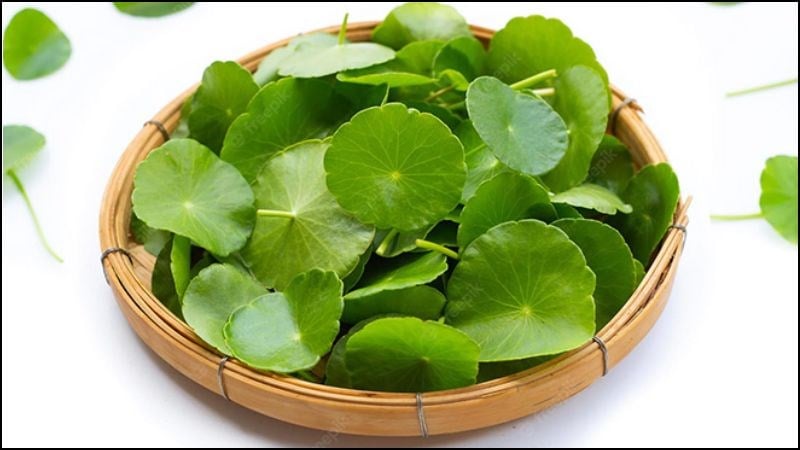
Centella asiatica combined with cabbage is suitable for people with internal heat, acne, or excessive thirst.
2.2. Clears heat, detoxifies, and cools the liver.
Ingredients: 200g cabbage, 50g centella asiatica (Gotu Kola).
Instructions: Wash thoroughly, boil or juice; use 2–3 times per week.
Effects: Centella asiatica (Gotu Kola) has a mildly sweet taste and a cooling nature. It helps to clear heat, detoxify, cool the blood, and promote urination. When combined with cabbage, it has a comprehensive heat-clearing effect, simultaneously clearing heat from the blood (Centella asiatica) and clearing heat and generating body fluids in the spleen and stomach (cabbage). This combination is particularly suitable for people with prolonged internal heat, prone to acne, excessive thirst, and dry mouth.
2.3. Supports digestion and reduces constipation.
Ingredients: 150g cabbage, 3–5 slices of fresh ginger.
How to use: Stir-fry or add to soup as part of a main meal; ginger helps balance the cooling properties of cabbage, preventing stomach upset.
Effects: Cabbage has the effect of clearing heat and generating body fluids, and is often used in cases of constipation caused by heat or fluid loss. However, for people with weak spleen and stomach, using cabbage alone can cause abdominal coldness and bloating. Combining it with fresh ginger – which is spicy and warm – helps to warm the stomach, dispel cold, promote the digestive function of the spleen and stomach, and reduce the risk of abdominal coldness. According to modern medicine, cabbage is rich in soluble and insoluble fiber, which helps increase stool volume, stimulate bowel movements, and improve constipation.

Fresh ginger combined with cabbage promotes the digestive function of the spleen and stomach, reducing the risk of stomach chills.
2.4. Supports the treatment of mild arthritis, swelling, and pain.
Ingredients: Fresh cabbage leaves (50-100 g) in sufficient quantity.
Instructions: Wash thoroughly, crush or mash until soft, apply to the swollen and painful joint area, and secure for 20–30 minutes each day.
Effects: Cabbage has cooling properties and helps to clear heat and reduce swelling. When applied externally, it soothes swollen and painful joints caused by heat or mild inflammation. Applying cabbage leaves is a traditional folk remedy often used to reduce heat, tightness, and pain in the affected area.
2.5. Reduces breast engorgement and supports milk flow for postpartum women.
Ingredients: 50–100 g of fresh cabbage leaves (approximately 2–3 large leaves).
Instructions: Wash the cabbage leaves thoroughly, let them dry or cool them in the refrigerator, then gently crush or mash them. Apply directly to the breasts (avoiding the nipples), leave on for about 20 minutes, 1–2 times a day.
Effects: According to traditional medicine, cabbage leaves have a cooling effect, helping to clear heat, reduce swelling, and soothe breast swelling and pain caused by milk engorgement after childbirth. According to modern medicine, cabbage leaves contain a lot of water and anti-inflammatory compounds; when applied topically, they have a cooling effect, reduce edema, and alleviate localized tightness, thereby supporting milk flow and helping mothers feel more comfortable.

3. Things to note when using cabbage
- Although cabbage is a mild food, it has a cooling effect, so people with weak spleen and stomach, or those prone to cold stomachs and diarrhea, should not consume it in large quantities or eat it raw frequently.
- When using raw cabbage for juicing, food safety and hygiene must be ensured.
- Traditional remedies using cabbage are only supportive and should not replace medical treatment for serious illnesses.
- Individuals with underlying medical conditions or persistent symptoms should consult a doctor before using this product.
People who should not eat cabbage:
People with weak spleen and stomach: who often experience coldness in the abdomen, abdominal pain, diarrhea, and discomfort from eating raw foods should not consume raw cabbage or cabbage juice frequently.
For people with stomach problems accompanied by bloating and abdominal distension: Eating raw cabbage can increase gas production, causing discomfort.
People with thyroid dysfunction should avoid excessive consumption of raw cabbage, especially for extended periods.
People with allergies to cruciferous vegetables should use caution, especially for topical application.
Women who have recently given birth often have cold and weak bodies: They should consume cooked cabbage combined with warming spices like ginger to prevent stomach chills.
See more trending articles:
Source: https://suckhoedoisong.vn/5-bai-thuoc-dan-gian-tu-bap-cai-169260115112023699.htm
![[Photo] General Secretary and President To Lam presides over a working session with the Central Policy and Strategy Committee on the development of the materials industry.](https://vphoto.vietnam.vn/thumb/1200x675/vietnam/resource/IMAGE/2026/05/21/1779359935432_a3-bnd-3129-1412-jpg.webp)

![[Photo] National Assembly Chairman Tran Thanh Man working with the Standing Committee of the Law and Justice Committee](https://vphoto.vietnam.vn/thumb/1200x675/vietnam/resource/IMAGE/2026/05/21/1779378929214_ndo_br_1-4610-jpg.webp)





























































































Comment (0)