

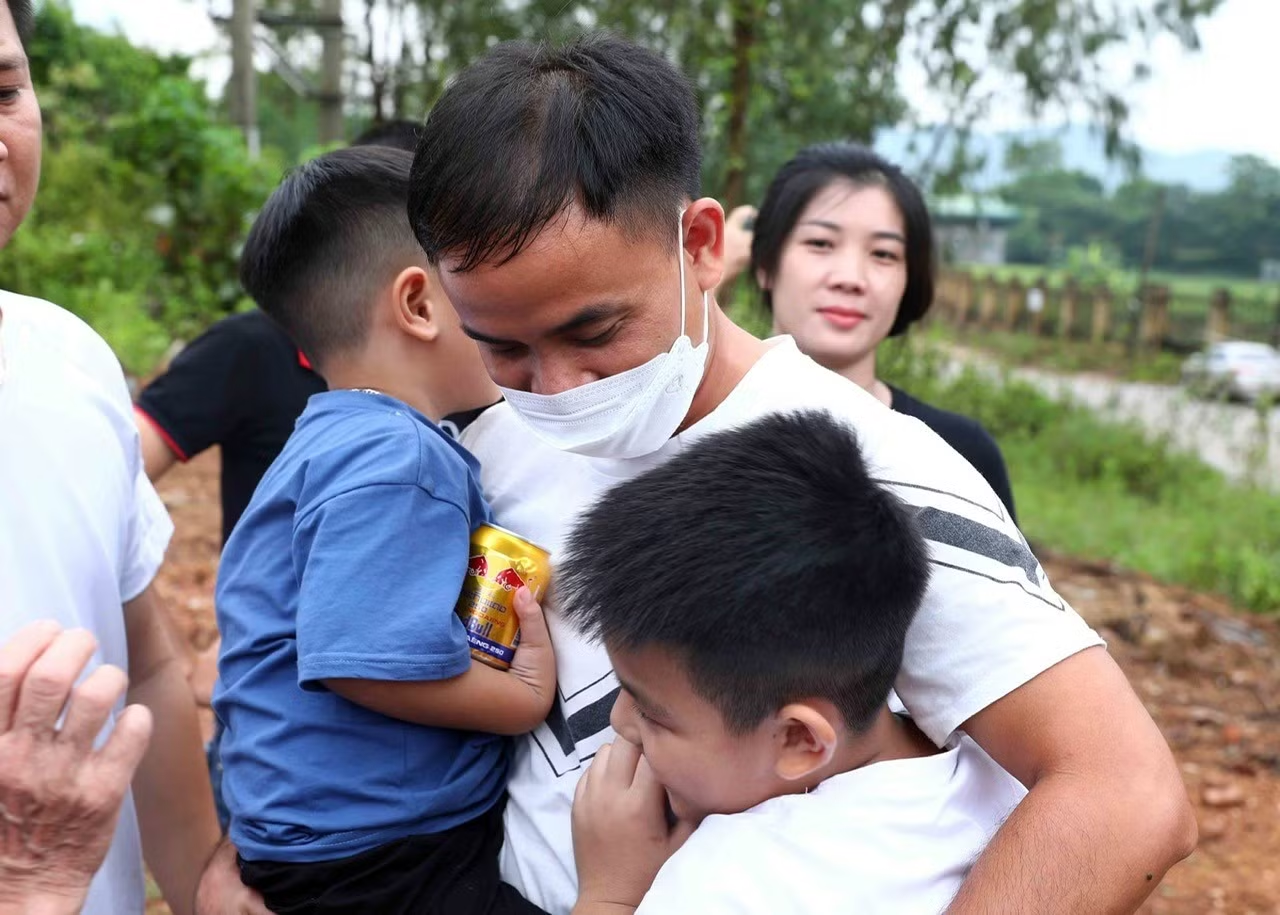
9,950 prisoners will be granted amnesty by decision of the President . They will return to their families and communities to continue pursuing their unfinished dreams and to strive for a more peaceful and happy life.
Granting amnesty to prisoners who have shown progress in rehabilitation demonstrates the humanity and leniency in the criminal policy of our Party and State, representing the culmination of the strictness of the law while also embodying the humane and tolerant nature of our regime.
The amnesty policy not only opens up opportunities for those who have made mistakes to rebuild their lives but also contributes to rekindling faith, a will to improve, and a desire for self-improvement in each inmate. This affirms the consistent policy of the Party and the State in closely combining punishment and education /rehabilitation, placing the individual at the center, and creating conditions for their reintegration into the community and becoming useful citizens.
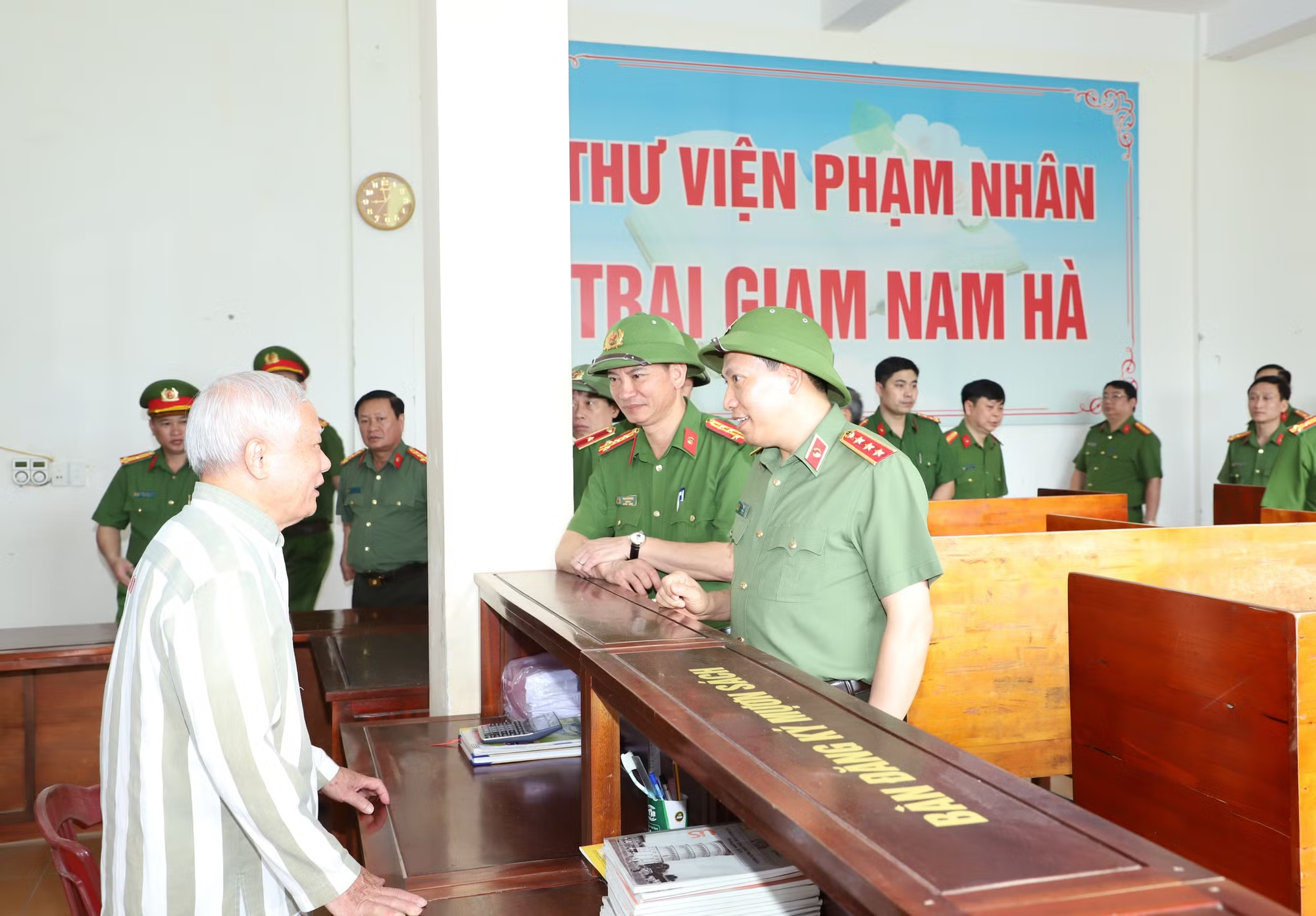
Speaking at the session reviewing the list of prisoners eligible for presidential pardon, Deputy Prime Minister Pham Gia Tuc emphasized that humanity and leniency towards offenders are fine traditions of our nation. That is, our laws demonstrate both strictness towards offenders, resolutely punishing those who are masterminds, ringleaders, stubborn, defiant, and dangerous repeat offenders, but also showing leniency towards those who are sincere, make amends, repent, and create favorable conditions for them to correct their mistakes and become honest, useful members of society.
Within a very short time, following the President's decision on amnesty (Decision 457/CĐ-CTN dated May 7, 2026), the Ministry of Public Security (the standing agency) directed its functional forces to make every effort and act urgently to ensure that the amnesty process was implemented strictly and rigorously, in accordance with the law, on schedule, and according to guidelines. The review and submission of the list of amnesties to the President for decision was highly appreciated by the Government leadership, ensuring fairness, strictness, and preventing any eligible individuals from being overlooked.
Regarding the amnesty process, Lieutenant General Le Van Tuyen, Member of the Central Committee of the Communist Party of Vietnam and Deputy Minister of Public Security, stated: After the President's amnesty decision is issued, detention facilities within the People's Public Security (CAND) and People's Army (QĐND) organize widespread dissemination and implementation through the public address system and public posting at various locations within the detention facilities. Simultaneously, units organize meetings to inform inmates about the eligibility criteria and conditions for amnesty, enabling them to self-assess and compare their eligibility.
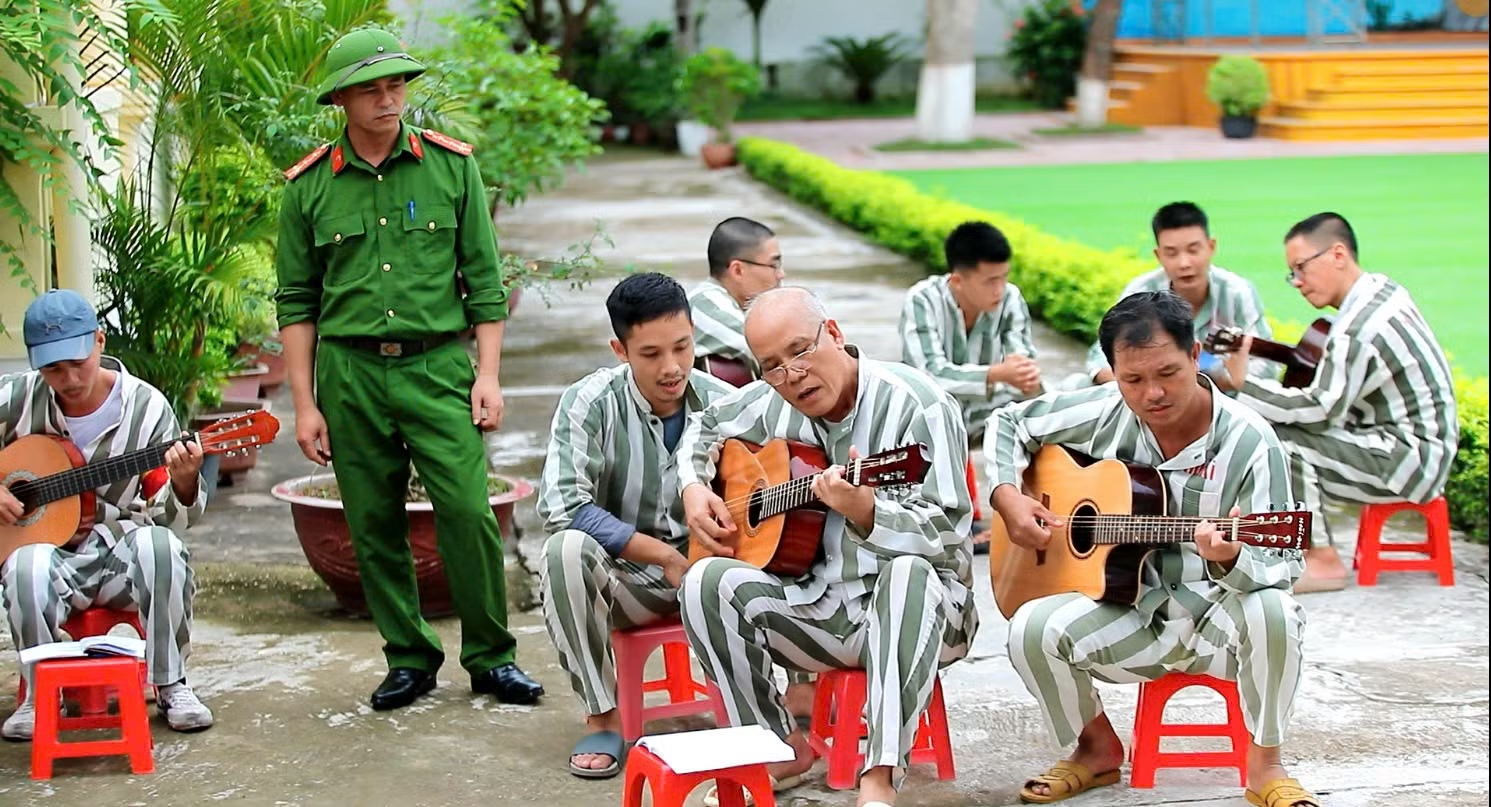

Based on this, the teams conduct a review and secret ballot to nominate eligible cases. Next, the Clemency Council at the prisons and detention centers will review each case individually. After the detention facilities propose the list, the inter-agency appraisal teams conduct the assessment; the Steering Committee of the Ministry of Public Security meets to review and seek opinions from members of the Clemency Advisory Council and relevant ministries and agencies, before submitting it to the Clemency Advisory Council for comments and compiling a list to be submitted to the President for decision.
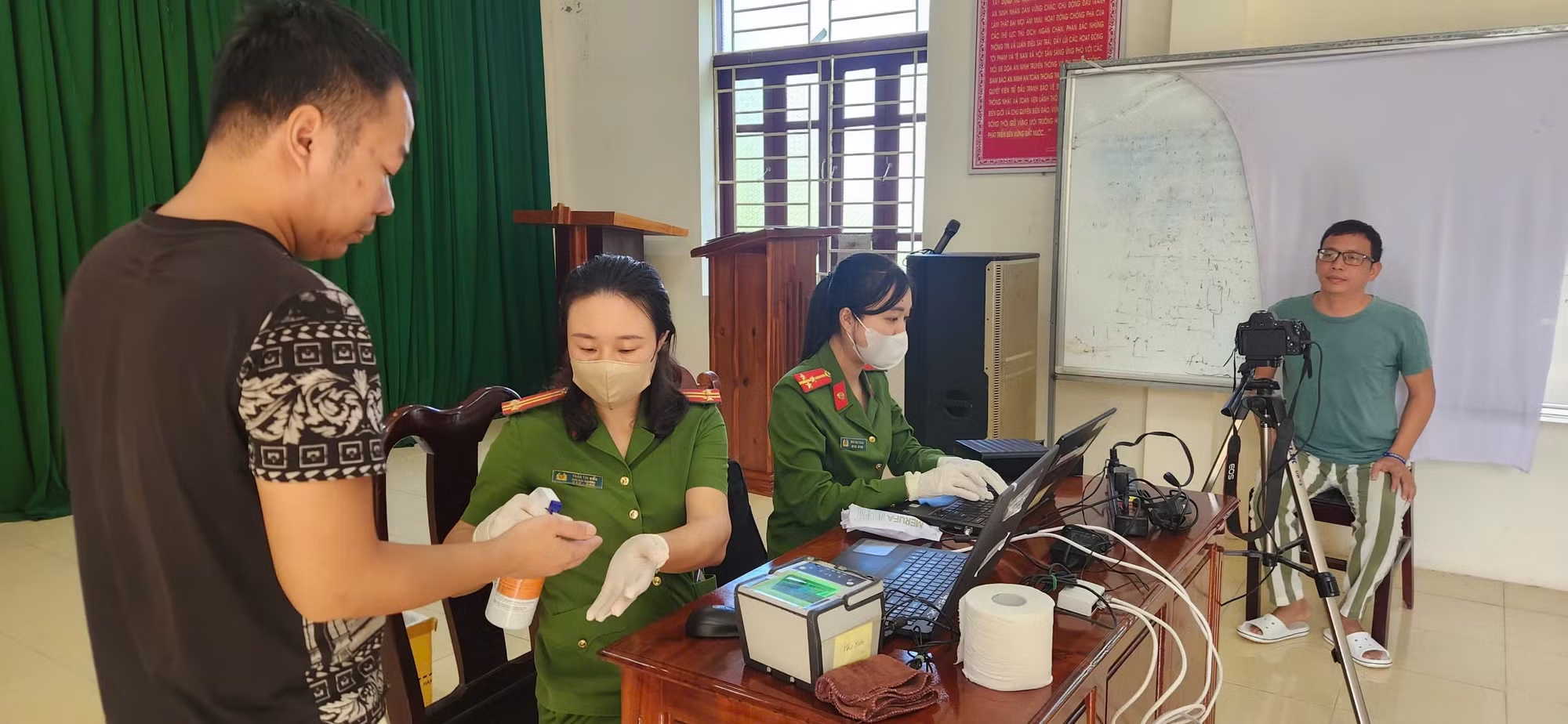
“The procedures for considering pardons are carried out very strictly, objectively, openly, and transparently, ensuring compliance with the Law on Pardons, the President's Decision, and the guidance of the Chairman of the Pardon Advisory Council. All cases recommended for pardon are agreed upon before being submitted to the President for consideration and decision,” Deputy Minister Le Van Tuyen affirmed.
During the amnesty process, the Ministry of Public Security has also strived to apply legal regulations to create the best possible conditions for those who have shown good behavior to be granted amnesty. Regulations such as ensuring public order and security and requiring a clear place of residence are two provisions that, if applied rigidly and inflexibly, could negatively impact the amnesty of prisoners. Previous amnesty programs have shown that the application of the criterion of "not negatively impacting public order and security" has been inconsistent in some areas.
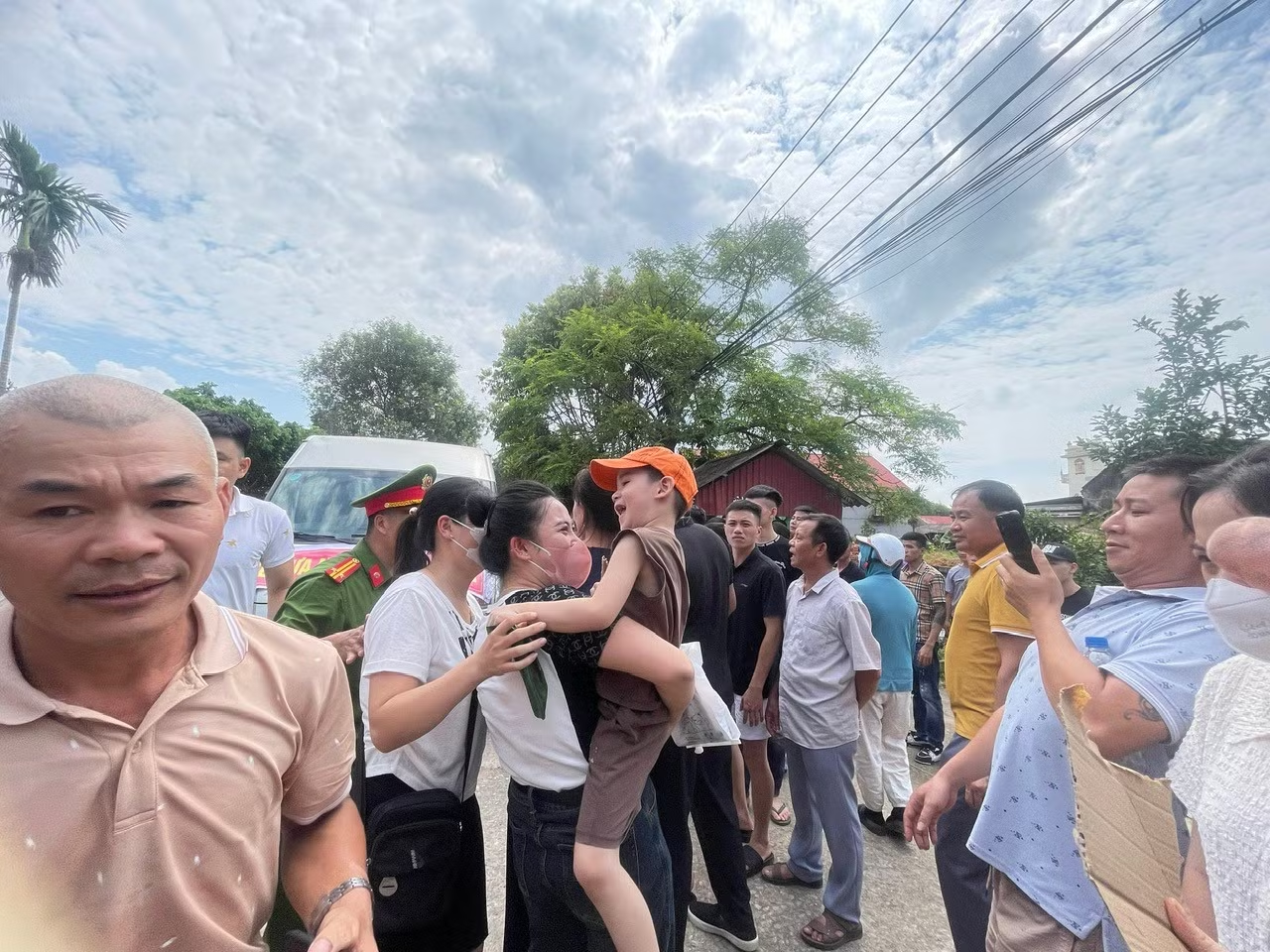
During the process of considering pardons for prisoners, Deputy Minister Le Van Tuyen noticed this obstacle and directed the Department of Police for Prison Management, Compulsory Education Facilities, and Juvenile Detention Centers (QLTG, CSGDBB, TGD) to develop specific criteria and advise the Government to include them in the Guidelines of the Pardon Advisory Council (HĐTVĐX). The criteria were developed comprehensively, considering not only the prisoner's personal background and sentence execution but also factors related to the social environment, the risk of complaints, the potential for exploitation to cause instability, and the socio-psychological impact of pardons. This concretization helps units apply the criteria consistently, minimizing subjective factors in the pardon review and recommendation process.
Major General Nguyen Thanh Truong, Director of the Department of Police for Prison Management, Correctional Services, and General Directorate, stated that the criteria were developed comprehensively, considering not only the personal background and sentence execution process but also factors related to the social environment, the risk of complaints, the potential for exploitation to cause instability, and the psychological impact on society if pardoned. The evaluation process is rigorous, combining information from the case file with on-site verification in the place of residence, ensuring a well-founded and objective assessment. Therefore, from 2025 onwards, the implementation of these criteria has ensured consistency in the process of considering and recommending pardons.
Regarding the residence of prisoners after their release from amnesty, this is also one of the regulations that presents a challenge. Many prisoners have served their sentences for a long time, some for 10 years, even 20 years or more, so their families have sold their houses and no longer have their old residences. Meanwhile, the new residences of their relatives lack household registration or any documents to prove residency there. Therefore, the police at the old address have no basis to confirm "clear residence," and the same applies to the new residences. This can disadvantage prisoners. Recognizing this, Deputy Minister Le Van Tuyen requested that local police confirm that prisoners will be residing at the permanent residence of their parents, spouse, or children, so that they have a place to return to and meet the legal requirements.
Along with effectively carrying out the work of educating and rehabilitating prisoners, the Ministry of Public Security has seriously implemented the Law on Temporary Detention, Custody and Prohibition from Leaving the Place of Residence, Decree No. 49 on community reintegration, and Decision No. 22 of the Prime Minister on providing loans to people who have completed their prison sentences.
To date, more than 15,000 people have received loans totaling over 1.3 trillion VND to stabilize their lives. The Ministry of Public Security also held a preliminary review of the implementation of Decree 49 and Decision 22, affirming that the work of reintegrating into the community has been seriously and effectively implemented by all levels, sectors, and police forces.
Deputy Minister Le Van Tuyen stated: "Local police forces closely coordinate with local authorities and relevant organizations to support former prisoners in accessing loans and creating jobs; many businesses and production facilities have accepted and employed them. In many cases, after rehabilitation, they have behaved well, built production facilities, and created jobs for others. The police force also actively supports local authorities in helping families stabilize their lives."
Tomorrow, the prison gates will open, not only closing the chapter on past mistakes but also beginning a new journey – a journey of rehabilitation and rebirth. With the care of the Party and the State, the responsible involvement of all levels and sectors, and the welcoming embrace of the community, we believe that those granted amnesty will stand firm on the path to redemption, becoming useful citizens, contributing to maintaining security and order, and building a more humane and better society.
Source: https://cand.vn/9950-pham-nhan-duoc-dac-xa-ngay-162026-post812523.html
![[Photo] Admire the coral "masterpiece" amidst the million-year-old heritage of Dak Lak province.](https://vphoto.vietnam.vn/thumb/1200x675/vietnam/resource/IMAGE/2026/05/31/1780221235105_anh-man-hinh-2026-05-31-luc-16-53-27.png)
![[Photo] The General Secretary, President and his wife begin their state visit to the Philippines.](https://vphoto.vietnam.vn/thumb/1200x675/vietnam/resource/IMAGE/2026/05/31/1780230559452_anh-man-hinh-2026-05-31-luc-19-28-11.png)

![[Photo] Solemn bathing ceremony and Buddha procession in Hue](https://vphoto.vietnam.vn/thumb/1200x675/vietnam/resource/IMAGE/2026/05/31/1780228263543_1-jpg.webp)
![[Image] Hanoi Police officially crowned champions of V-League 2025/2026](https://vphoto.vietnam.vn/thumb/1200x675/vietnam/resource/IMAGE/2026/05/31/1780244769054_ndo_br_039d561b692be875b13a-jpg.webp)









![[Video] Sunset at Lap An Lagoon – Where the sun sets over the fishing nets](https://vphoto.vietnam.vn/thumb/340x192/vietnam/resource/IMAGE/2026/05/31/1780192137701_beach-landscape-sea-water-nature-grass-745871-pxhere-com.jpeg)
































![[Photo] Admire the coral "masterpiece" amidst the million-year-old heritage of Dak Lak province.](https://vphoto.vietnam.vn/thumb/402x226/vietnam/resource/IMAGE/2026/05/31/1780221235105_anh-man-hinh-2026-05-31-luc-16-53-27.png)

































Comment (0)