

- 1. Eating less fat but choosing the wrong fats.
- 2. Eating the wrong type of carbohydrate
- 3. Skip the red, orange, and yellow vegetables.
- 4. Eating too much salt
- 5. Magnesium deficiency
- 6. Regularly drinking alcohol.
- 7. Persistent negative mood
- 8. Not getting enough sleep
- 9. Just jogging without strength training.
The human body is a sophisticated machine. To maintain balance and protect internal organs, fat tends to accumulate preferentially in the abdominal area. This layer of fat includes both subcutaneous fat and visceral fat deep within the abdominal cavity, combining to form what is commonly known as "stubborn belly fat" because it is the last area the body consumes when you lose weight.
According to medical reference indices, the thickness of subcutaneous fat in the abdominal area of normal adult men ranges from 5 to 15 mm; in women, it is 12 to 20 mm. Exceeding these thresholds is a warning sign of abdominal obesity, which leads to a range of risks related to cardiovascular disease, diabetes, and metabolic disorders.
However, when you start losing weight overall, belly fat typically decreases by about 30% compared to the general rate. This means that with the right changes to your habits, you can absolutely shrink your waistline faster than you think. So, what are the habits that are secretly sabotaging your efforts?
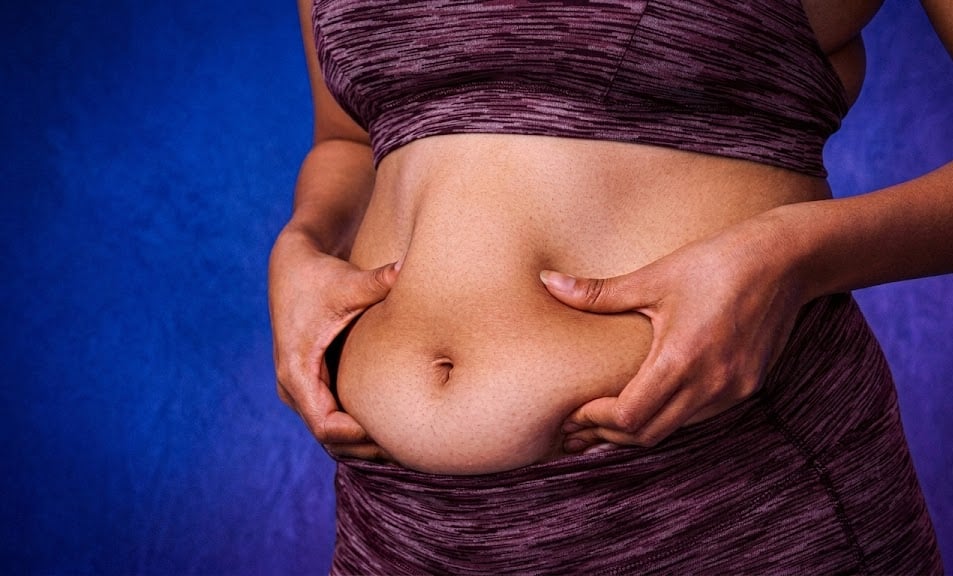
There are many habits that silently contribute to belly fat every day without you even realizing it.
1. Eating less fat but choosing the wrong fats.
Many people follow the advice to eat less fat and rush to buy products labeled "low-fat," unaware that to compensate for the taste, manufacturers often add sugar or use types of fats that are difficult to metabolize. As a result, weight doesn't decrease, and belly fat increases.
What the body really needs isn't a complete elimination of fat, but rather a prioritization of monounsaturated fatty acids, the healthy fats found in olive oil, avocados, fatty fish, and nuts. Monounsaturated fatty acids help create a feeling of fullness, thereby limiting snacking on unhealthy foods.
2. Eating the wrong type of carbohydrate
Starch isn't the "enemy," but simple starches (white rice, white bread, refined sugar) can cause blood sugar to spike and then drop rapidly, forcing the pancreas to secrete more insulin, and high insulin levels signal the liver to store fat.
Instead, switch to complex carbohydrates: brown rice, oats, corn, barley, sweet potatoes. These foods are digested more slowly, helping to stabilize blood sugar and reduce the risk of abdominal obesity and type 2 diabetes in the long term.

You should eat complex carbohydrates: brown rice, oats, corn, barley, sweet potatoes.
3. Skip the red, orange, and yellow vegetables.
While green salads are generally good, many people don't know that eating more red, orange, and yellow fruits and vegetables like tomatoes, carrots, bell peppers, and pumpkins is even more beneficial, especially for reducing waist size. A study published in the International Journal of Nutrition confirmed the link between this food group and a slimmer waistline thanks to their carotenoid content and characteristic antioxidants.
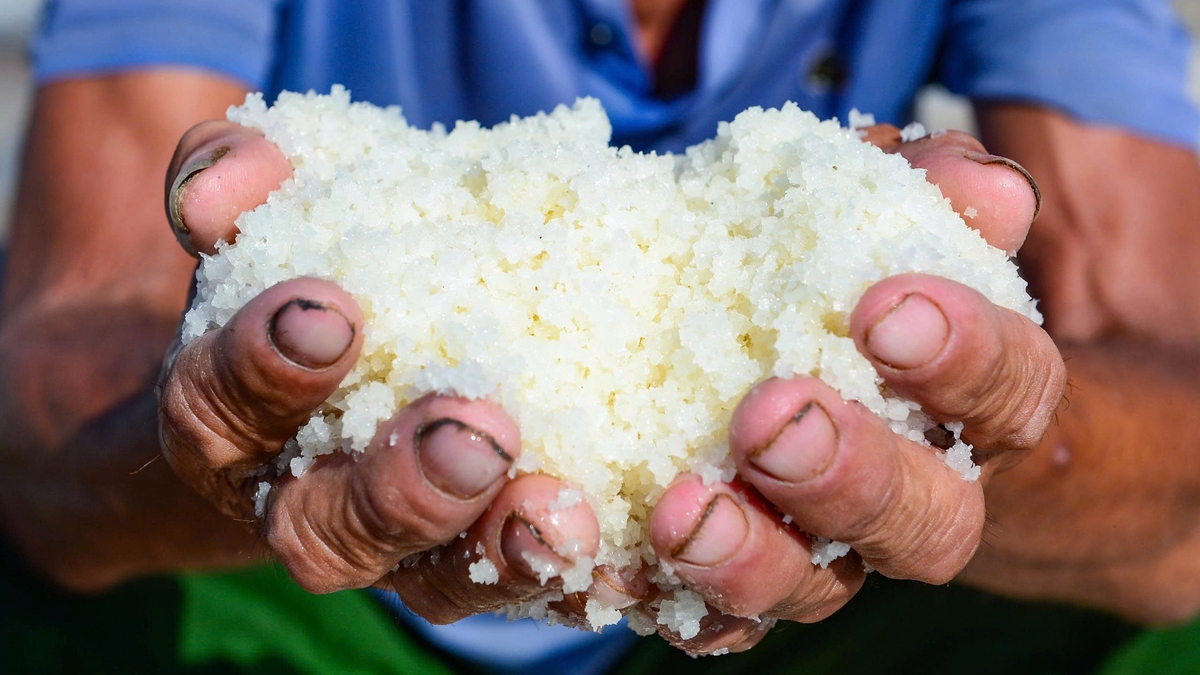
4. Eating too much salt
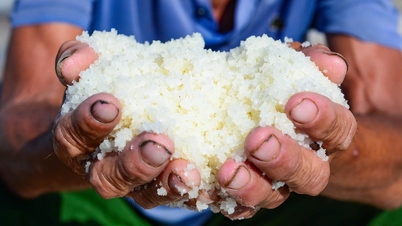
Excess sodium causes the body to retain water in tissues to balance ion concentrations, resulting in noticeable edema in the abdomen and face. Fast food, fried foods, hot pot, and takeout often contain significantly higher levels of salt than actually needed. Instead of cutting back on flavor, you can enhance it with garlic, chili peppers, green onions, etc., which are low in sodium and beneficial for metabolism.
5. Magnesium deficiency
Magnesium is a mineral involved in coordinating over 300 biochemical reactions in the body, including controlling blood sugar and insulin levels. A 2013 study indicated that adequate daily magnesium intake helps lower fasting blood sugar and insulin levels, two factors directly linked to abdominal fat accumulation.
If you frequently experience eyelid twitching or calf cramps, it could be a sign of magnesium deficiency. Supplementing through foods like seaweed, whole grains, spinach, and nuts is the simplest and most effective way to address this.
6. Regularly drinking alcohol.
"Beer belly" isn't just a figure of speech. A study by Danish scientists confirms a direct link between beer consumption and abdominal fat accumulation, and wine is no exception. The mechanism isn't simply about calories: alcohol also stimulates the release of cortisol, a hormone that breaks down muscle and promotes visceral fat storage.
7. Persistent negative mood
Research from Rush University Medical Center shows that women with symptoms of depression have a significantly higher rate of abdominal fat accumulation compared to those without the condition. This is not only due to overeating when feeling sad, but also because depression reduces physical activity and chronically increases cortisol levels.
Exercise is a natural "medicine" that increases dopamine and serotonin levels in the brain, while also improving fat metabolism. If you have too low energy to exercise on your own, don't hesitate to seek help from a mental health professional.
8. Not getting enough sleep
This is the most underestimated but powerful cause. People who sleep less than 5 hours a night tend to consume about 300 more calories per day than those who sleep a full 8 hours, due to elevated levels of the hormone ghrelin (which stimulates hunger), particularly promoting cravings for fatty and sugary foods.
At the same time, staying up late disrupts the circadian rhythm of cortisol, which normally peaks in the early morning and is lowest at midnight. When this cycle is disrupted, the body easily enters a state of "crisis" and stores fat as a survival reflex. Getting 7-8 hours of sleep, turning off electronic devices before bedtime, and avoiding caffeine after 2 PM are the most basic steps.

It's necessary to incorporate high-intensity interval training exercises.
9. Just jogging without strength training.
Running is a good foundation, but if you rely solely on running, your body will gradually adapt and burn fewer calories over time. To break this stagnation and effectively shape your physique, you need to combine it with weight training (increasing muscle mass, boosting resting metabolic rate) and HIIT (High-Intensity Interval Training). Consistent research shows that combining these three methods yields superior results in reducing belly fat compared to doing any one exercise alone.
Belly fat doesn't accumulate in a day, nor does it disappear in a week. But the good news is that most of the causes mentioned above can be addressed by changing your lifestyle habits, without the need for extreme dieting or exhausting exercise. Identifying the right "culprit" is the most important step on that journey.
Please check out more videos of interest:
Source: https://suckhoedoisong.vn/9-thoi-quen-am-tham-nuoi-mo-bung-moi-ngay-169260521192439231.htm
![[Photo] General Secretary and President To Lam presides over the meeting to approve the draft report on the results of the second inspection by the Politburo of the Standing Committee of the Hanoi City Party Committee.](https://vphoto.vietnam.vn/thumb/1200x675/vietnam/resource/IMAGE/2026/05/26/1779789811432_a2-bnd-4430-9620-jpg.webp)






































































































Comment (0)