

The mechanism of bone and joint tuberculosis infection originates from pulmonary tuberculosis. Tuberculosis bacteria enter the body primarily through the respiratory tract, developing and causing damage in the lungs. When the immune system is weakened, these bacteria can spread through the bloodstream or lymphatic system to other organs, including bones and joints.
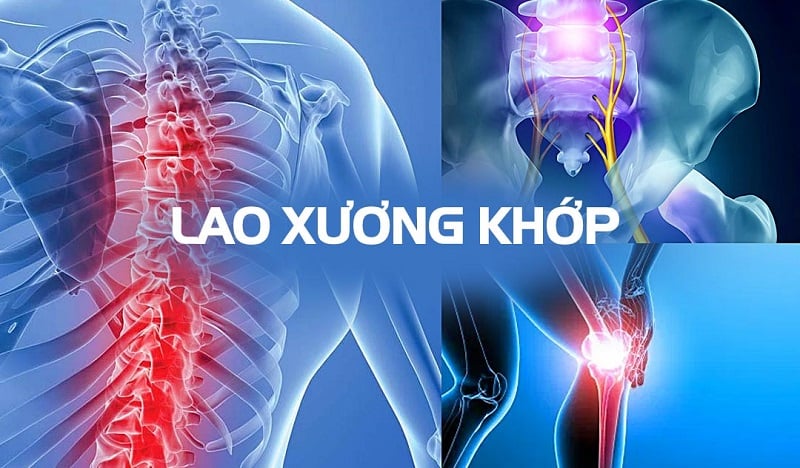
These injuries are usually localized in the spine, hip joints, knee joints, toe joints, and finger joints, and can cause bone deformities if not treated promptly.
Although bone and joint tuberculosis itself is not airborne, there are some exceptions to note:
Simultaneous tuberculosis infection: If a person has tuberculosis at the same time, bacteria from the lungs can spread through coughing and sneezing, infecting others.
Contact with pus or blood from a tuberculous abscess: When a cold abscess is present, the pus or blood contains tuberculosis bacteria, and contact through open wounds or mucous membranes can cause infection.
Mother-to-child transmission: In cases where the mother has bone and joint tuberculosis or pulmonary tuberculosis during pregnancy, the bacteria can be transmitted to the fetus through the placenta, although this is very rare.
Who is susceptible to bone and joint tuberculosis?
Although bone and joint tuberculosis is less common than pulmonary tuberculosis, certain groups are at higher risk if they have been exposed to tuberculosis bacteria or have weakened immune systems. Identifying these risk groups correctly helps in proactive prevention and early treatment.
- Individuals who have previously had tuberculosis, such as pulmonary tuberculosis, lymph node tuberculosis, or primary tuberculosis, have an increased risk of recurrence or progression to bone and joint tuberculosis.
- People in close contact with tuberculosis patients include family members living together, healthcare workers, or people living in communal environments with tuberculosis patients such as dormitories, prisons, and hospitals.
- People with weakened immune systems: such as those with HIV/AIDS, those taking immunosuppressant drugs, malnourished individuals, those with diabetes, chronic kidney disease, or those addicted to alcohol or drugs.
- Young children (<5 years old) and the elderly (over 65 years old): these groups have immature or weakened immune systems due to age.
- People living in substandard conditions—poor nutrition, cramped living spaces, lack of ventilation, high population density—create conditions conducive to the survival and spread of tuberculosis bacteria.
Patients need to take their tuberculosis medication correctly and completely according to the prescribed regimen to avoid relapse, drug resistance, and reduce the risk of spreading the disease.
Ways to prevent bone and joint tuberculosis
To prevent the risk of infection and protect public health, the following preventive measures should be implemented:
- Isolation and protective measures when in contact with patients: Wear a mask, maintain distance, and avoid sharing enclosed spaces with tuberculosis patients, especially those with active pulmonary tuberculosis.
- Adherence to treatment is crucial: Patients need to take their tuberculosis medication correctly and completely according to the prescribed regimen to avoid relapse, drug resistance, and reduce the risk of transmission.
- Boost your immune system: Maintain a nutritious diet, exercise regularly, get enough sleep; limit alcohol and avoid smoking to support your immune system.
- Maintain a well-ventilated living environment: Clean homes with plenty of natural light help limit the growth of tuberculosis bacteria.
- Regular health screening: People who have had tuberculosis, those with weakened immune systems, or those who frequently come into contact with tuberculosis patients should have regular health checkups and chest X-rays to detect the risk of bone and joint tuberculosis early.
For effective treatment of bone and joint tuberculosis, patients need to adhere to the following principles:
Adhering to the standard treatment protocol of the Ministry of Health is crucial. Strict adherence to the treatment protocol and scheduled follow-up appointments are important factors in effectively controlling the disease and preventing complications.
Regular follow-up examinations and monitoring, including liver and kidney function tests, X-rays, blood tests, and clinical progress assessments, are crucial for timely medication adjustments if needed. Adequate rest and a balanced diet are also essential: a balanced diet with sufficient protein, vitamins, and minerals will boost immunity and support bone recovery.
Never stop taking medication or change the dosage without consulting a doctor, as this can lead to drug resistance and a relapse of the disease.
Source: https://suckhoedoisong.vn/ai-la-nguoi-de-bi-lao-xuong-khop-169251115224112125.htm
![[Image] Pleasant weather helps students enter the 10th grade entrance exam with confidence.](https://vphoto.vietnam.vn/thumb/1200x675/vietnam/resource/IMAGE/2026/05/29/1780034401612_ngay-1-thi-lop-10-minh-duy-8-5009-jpg.webp)



![[Photo] Ba Lang An Lighthouse - the "eye of the sea" amidst the "rock museum" of Quang Ngai province.](https://vphoto.vietnam.vn/thumb/1200x675/vietnam/resource/IMAGE/2026/05/29/1780038698840_anh-man-hinh-2026-05-29-luc-14-10-42.png)






















































































Comment (0)