

Efforts to maintain a consistent presence.
Western classical music was introduced and established in Vietnam from the mid-20th century, associated with the names of artists such as Ta Bon, La Huu Toan (violin), Le Bich (flute), Tran Ngoc Xuong, Hoang Van, Hoang Dam (composers)... In 1959, the Vietnam Symphony Orchestra was established with over 100 musicians. In 1963, the Vietnam Symphony Orchestra - Chorus - Opera (now the Vietnam National Opera and Ballet Theatre) was founded, staging and performing some major works by world composers such as Mozart and Beethoven...
The 1960s are considered the golden age of Vietnamese classical music, with many famous works: the operas "Cô Sao" (by Đỗ Nhuận), "Bên bờ Krông Pa" (by Nhật Lai)...; the symphonies "Lửa cách mạng" (by Trần Ngọc Xương), "Giải phóng Điện Biên" (by Hoàng Đạm)...
However, for a long time, Vietnamese classical music has faced numerous challenges. Barriers such as inadequate infrastructure, a shortage of artists, and especially the lack of a discerning audience have caused classical music to stagnate.
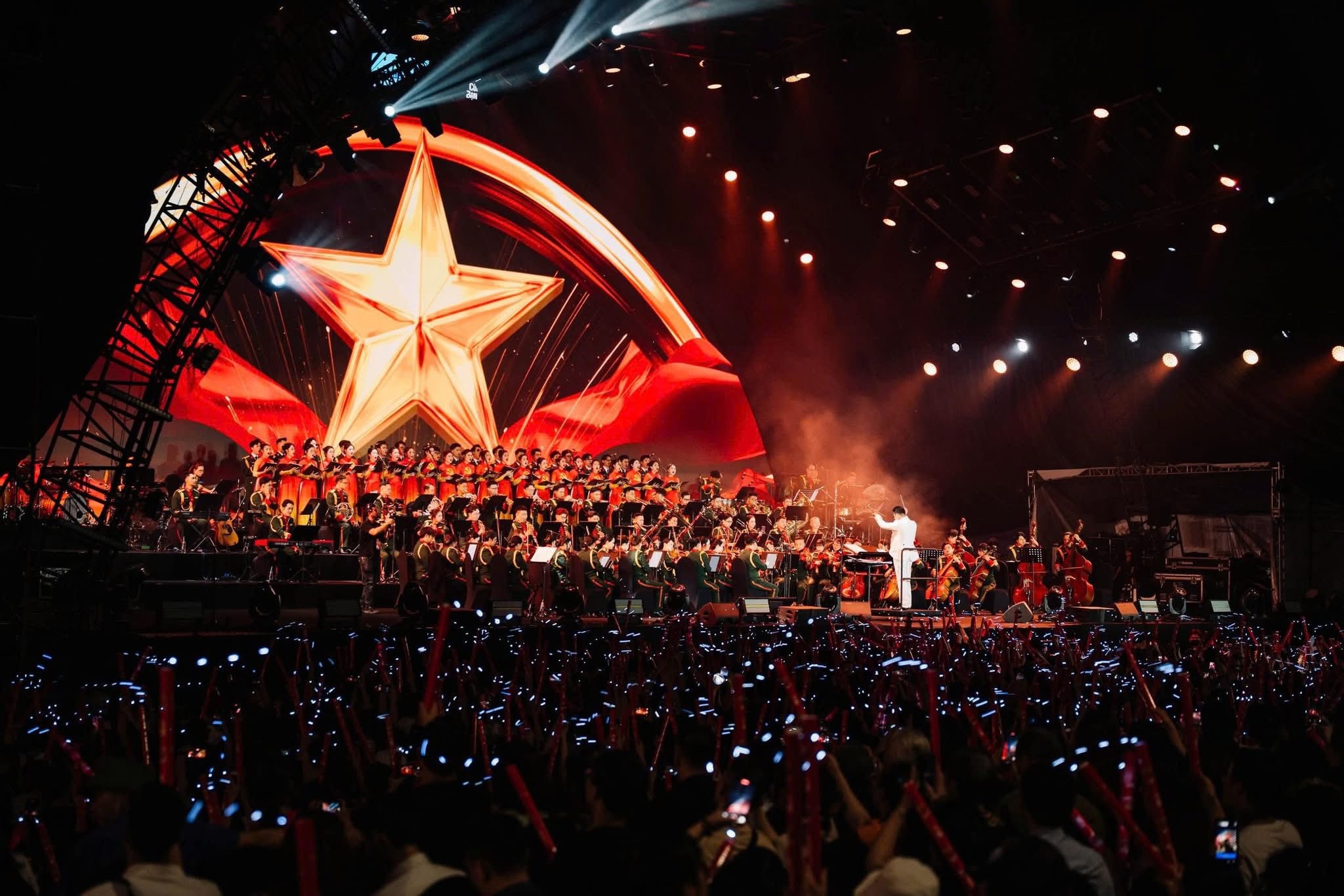
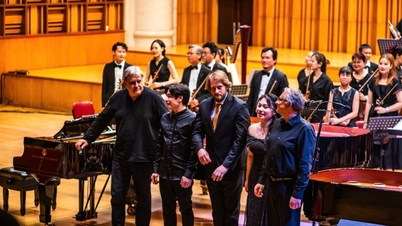
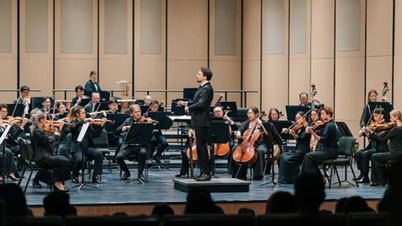
In recent years, with the return and contributions of a generation of artists formally trained in major classical art traditions around the world, classical music in Vietnam has begun to develop. The number of symphony and chamber concerts by international and Vietnamese artists has increased significantly. The introduction of Vietnamese classical music to the world has also received considerable attention.
According to Dr. Bui Cong Duy, People's Artist and Deputy Director of the Vietnam National Academy of Music, classical music in Vietnam is undergoing rapid and encouraging changes. “We now have better orchestras, beautiful theaters that meet international standards, and a larger audience for classical music. Five to ten years ago, to enjoy an opera or ballet of international standard, you had to fly to Europe, Japan, or South Korea, which was very expensive. Now, Vietnamese audiences can enjoy Carmen , Swan Lake , or listen to the London Symphony Orchestra right here in Hanoi.”
With enhanced international cooperation, the organization of high-quality music events, and the participation of many young talents in international music competitions achieving high results, classical music has flourished, contributing to raising the status of the country's music scene. This transformation also stems from the standardization of the training system and the diversification of operational models. Alongside the core orchestras such as the Vietnam National Symphony Orchestra (VNSO), the Vietnam National Opera and Ballet Theatre (VNOB), and the Ho Chi Minh City Symphony Orchestra and Ballet Theatre (HBSO), the emergence of orchestras like the Sun Symphony Orchestra (SSO), the Vietnam Youth Symphony Orchestra (VYO), and the Military Symphony Orchestra (MSO) has significantly increased the presence of classical music in daily life.
The establishment of the Vietnam Classical Music Association at the end of 2025 also marks an important milestone in the development of classical music. According to the President of the Vietnam Classical Music Association, Dr. Nguyen Van Than: “Classical music is a cultural language that connects nations. Many countries have included this art form in their cultural diplomacy strategies. Vietnam needs an organization of sufficient stature to participate deeply in the flow of international integration, thereby building a modern and sustainable classical music ecosystem.”
Expanding access opportunities for the public.
Looking at developed countries in Europe, America, or some Asian countries like Japan, South Korea, and China, they all invest heavily in classical art, with long-term strategies for training personnel and audiences for this genre. This is because, to create a truly meaningful classical music scene, there must be synergy between three forces: composers, performers, and the appreciative public. In reality, this is also a challenge facing classical music in Vietnam.
In recent times, instead of waiting for audiences to enter theaters, orchestras have proactively brought art to public spaces and created innovative performances. A prime example of this trend is the series of concerts at the Vietnam Fine Arts Museum, providing the public with access to two high-level art forms: symphonic music and fine art. Other innovative models include the Music Summer Camp Project of the Ho Chi Minh City Conservatory of Music and the Vietnam National Academy of Music, bringing classical music closer to young people; and the Educational Concert Project by the Vietnam Youth Music Institute (VYMI) in collaboration with the Vietnam Symphony Orchestra, offering diverse experiences tailored to different age groups and audiences.
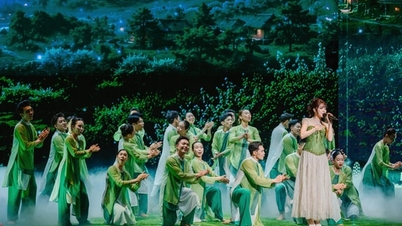
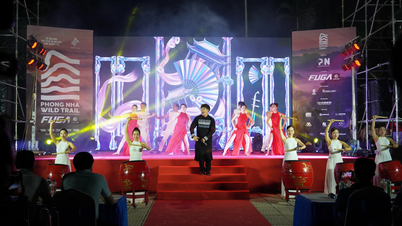
Most recently, on the occasion of the 51st anniversary of the Liberation of Southern Vietnam and the reunification of the country, the "Symphony of the Mountains and Rivers" program by the Military Symphony Orchestra (MSO) impressed audiences with its combination of contemporary pop and symphony, performed outdoors, bridging the gap between classical art and everyday life.
The development of symphonic and chamber music in Vietnam is entering an era of deep integration and community cohesion. People's Artist Ha Manh Trung, former Deputy Director of the Vietnam National Opera and Ballet Theatre, believes that with the tireless efforts of generations of artists in standardizing academic standards, combined with a flexible approach to engaging audiences, and the increasing attention of the Party and State to cultural development, classical music promises to flourish.
"Developing classical music in the new era also requires focusing on modernizing the approach through technology, diversifying performance formats to reach a wider audience. At the same time, it's crucial to promote training and support for young talents, combined with music education in schools, thereby creating a foundation for Vietnamese classical music to gradually assert its position," commented People's Artist Ha Manh Trung.
Source: https://daibieunhandan.vn/am-nhac-co-dien-chinh-phuc-khan-gia-dai-chung-10418358.html

![[Photo] Standing Committee member of the Party Central Committee Tran Cam Tu working with the Central Inspection Committee](https://vphoto.vietnam.vn/thumb/1200x675/vietnam/resource/IMAGE/2026/05/28/1779969579668_ndo_br_bnd-2495-jpg.webp)































































Comment (0)