

People following a low-carb diet may reduce their fasting blood glucose levels, their three-month average glycemic index, and their insulin requirements.
Carbohydrates (carbs), including starch, sugar, and fiber, directly affect blood sugar levels. The body breaks them down into glucose (sugar) and it enters the bloodstream. Low-carb diets focus on reducing carbohydrate consumption, prioritizing foods that help stabilize blood sugar, and supporting blood sugar control.
This diet requires a total carbohydrate intake of 120-225g per day, with most calories coming from fat and protein. A very low-carb diet, on the other hand, requires 20-50g per day. The main goal of a low-carb diet is to activate a metabolic process called ketosis, which causes the body to switch from burning carbohydrates to burning fat for energy. Low-carb diets don't count calories but rely on a higher protein-to-fat ratio, promoting feelings of fullness.
In 2018, the University of Sydney (Australia) evaluated the impact of low-carb diets on blood sugar control in people with type 1 diabetes based on nine studies. They concluded that following a low-carb diet reduced HbA1C (average blood sugar level over three months). This suggests that people who eat fewer carbs are better able to control their blood sugar. Stable blood sugar reduces the risk of diabetes-related complications.
People with type 1 diabetes who follow this diet also have a lower need for insulin. Reducing insulin doses can prevent low blood sugar, weight gain, and metabolic problems.
According to a 2015 study by Temple University School of Medicine (USA), 10 obese type 2 diabetes patients who followed this diet for two weeks showed significant improvement in their fasting blood glucose levels. Their insulin hormone levels decreased, and they became more sensitive to insulin. Their average A1C decreased from 7.3% to 6.8% in just 14 days.
In 2005, scientists at Duke University (USA) also studied the impact of low-carb diets on type 2 diabetes. 28 people with this disease followed a diet of less than 20g of carbs per day for 16 weeks. The results showed a 17% reduction in fasting blood sugar and a decrease in A1C from 7.5% to 6.3%.

A low-carb diet essentially eliminates carbohydrates, prioritizing vegetables and protein. (Image: Freepik)
According to the American Diabetes Association, the appropriate carbohydrate intake for people with diabetes depends on factors such as age, activity level, type and severity of the disease, gender, medications used, and overall health. Patients should consult their doctor to determine the appropriate daily carbohydrate intake for their individual needs.
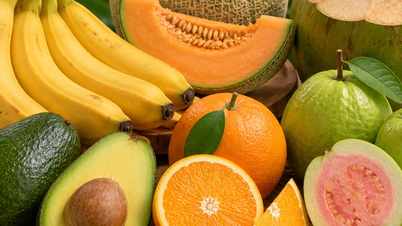
When following a low-carb diet, patients should prioritize non-starchy vegetables such as cucumbers, broccoli, lettuce, and tomatoes. These vegetables are rich in fiber and have minimal carbohydrates, thus having little impact on blood sugar. Whole-grain carbohydrates should be chosen from fruits and whole grains, for example, apples, strawberries, blueberries, cantaloupe, brown rice, oats, beans, sweet potatoes, and whole-wheat bread.
Limit your consumption of refined, processed, and sugar-rich foods such as soft drinks, white bread, white rice, sweets, fruit juices, fried foods, and processed meats.
Under this regimen, diabetics may experience hypoglycemia. If hypoglycemic medication is used, blood sugar levels can drop rapidly. Hypoglycemia can cause dizziness, confusion, sweating, and loss of consciousness in severe cases.
A low-carb diet, if not well-balanced, can easily lead to nutrient deficiencies. Carbohydrates are the body's main source of energy. Cutting out too many carbs can also prevent the body from absorbing enough essential nutrients. Meals should include fiber-rich vegetables, vitamins, minerals, healthy fats, and lean protein. It is best for patients to consult their doctor before adopting such a diet to avoid any negative health effects.
Mai Cat (According to Very Well Health )
| Readers can post questions about endocrine disorders and diabetes here for doctors to answer. |
Source link





























![[Photo] Reception to welcome General Secretary and President To Lam and his wife on their State visit to the Philippines](https://vphoto.vietnam.vn/thumb/1200x675/vietnam/resource/IMAGE/2026/06/01/1780295488620_vna-potal-chieu-dai-chao-mung-tong-bi-thu-chu-tich-nuoc-to-lam-va-phu-nhan-tham-cap-nha-nuoc-toi-philippines-8798060-7855-jpg.webp)







































































Comment (0)