

According to Dr. Nguyen Tien Dung, Deputy Director of the Stroke Center at Bach Mai Hospital, saturated fat is one of the main causes of increased LDL cholesterol (bad cholesterol) in the blood. High levels of LDL cholesterol in the blood increase the risk of cardiovascular diseases and stroke.
According to Dr. Dung, saturated fats are usually solid at room temperature. Foods containing saturated fats include beef, lamb, pork, poultry, especially animal skin and fat.
"Saturated fats can cause health problems because they increase cholesterol levels in the blood ," said Dr. Dung.
You should choose a diet that restricts saturated fat to only 5% to 6% of your calories. If we need about 2,000 calories per day, no more than 120 of those calories should come from saturated fat, which is about 13 grams of saturated fat per day.
Unsaturated fats can help lower levels of bad cholesterol and triglycerides, while also providing essential nutrients the body needs.
The expert shared that you should balance your calorie intake with your calorie expenditure to achieve and maintain a healthy weight. At the same time, choose whole grains, lean and plant-based proteins, and plenty of fruits and vegetables. Limit salt, sugar, animal fats, processed foods, and alcohol.
In addition, for a heart-healthy diet, we should choose lean meats and skinless poultry. You should also limit the use of tropical oils such as coconut oil, palm oil, and palm kernel oil in cooking.
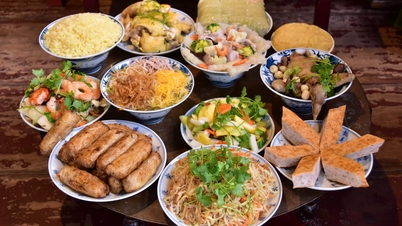
You should prioritize a diet rich in fish and nuts, replacing some meats with beans or legumes. Families should increase the amount of fruits, vegetables, and whole grains in their diets to help the body absorb fewer calories.
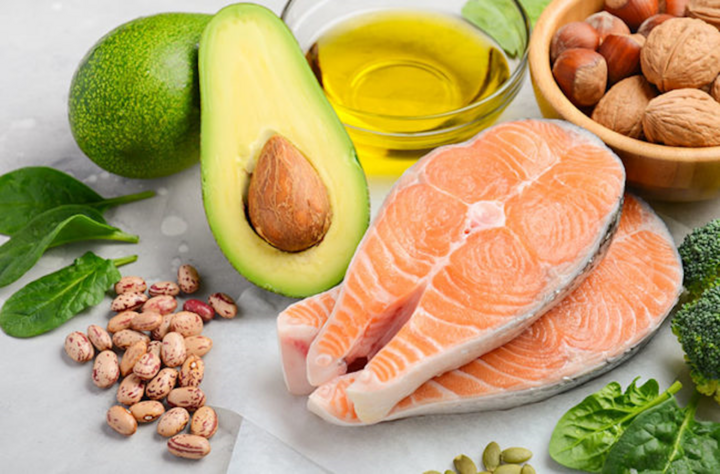
Eat more fish and add avocados to your diet to help lower bad cholesterol in your blood.
Diet to reduce bad cholesterol in the blood
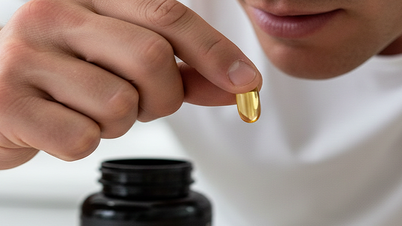
- Eat plenty of fish: Consume at least 200-300 grams of un-fried fish per week. Choose fatty or oily fish such as anchovies, herring, mackerel, black cod, salmon, sardines, bluefin tuna, whitefish, skipjack sea bass, and grouper, which are rich in essential omega-3 fatty acids.
- Eat nuts: Eat a small handful of unsalted nuts and seeds for good fats, energy, protein, and fiber. Good choices include almonds, cashews, macadamia nuts, hazelnuts, peanuts, pistachios, pumpkin seeds, sunflower seeds, and walnuts.
- Add avocados to your diet: Eat or cook with avocados to supplement your diet with healthy fats, fiber, and essential vitamins and minerals.
- Choose good cooking oils: Use oils that are lower in saturated fat. Good options include oils from avocado, canola, corn, grapeseed, olive, peanut, safflower, sesame, soybean, and sunflower.
- Replace full-fat dairy products with fat-free and low-fat options. For those who eat meat or poultry, choose the leanest cuts possible.
Source


![[Photo] Prime Minister Pham Minh Chinh attends the Conference on the Implementation of Tasks for 2026 of the Industry and Trade Sector](/_next/image?url=https%3A%2F%2Fvphoto.vietnam.vn%2Fthumb%2F1200x675%2Fvietnam%2Fresource%2FIMAGE%2F2025%2F12%2F19%2F1766159500458_ndo_br_shared31-jpg.webp&w=3840&q=75)



























































































Comment (0)