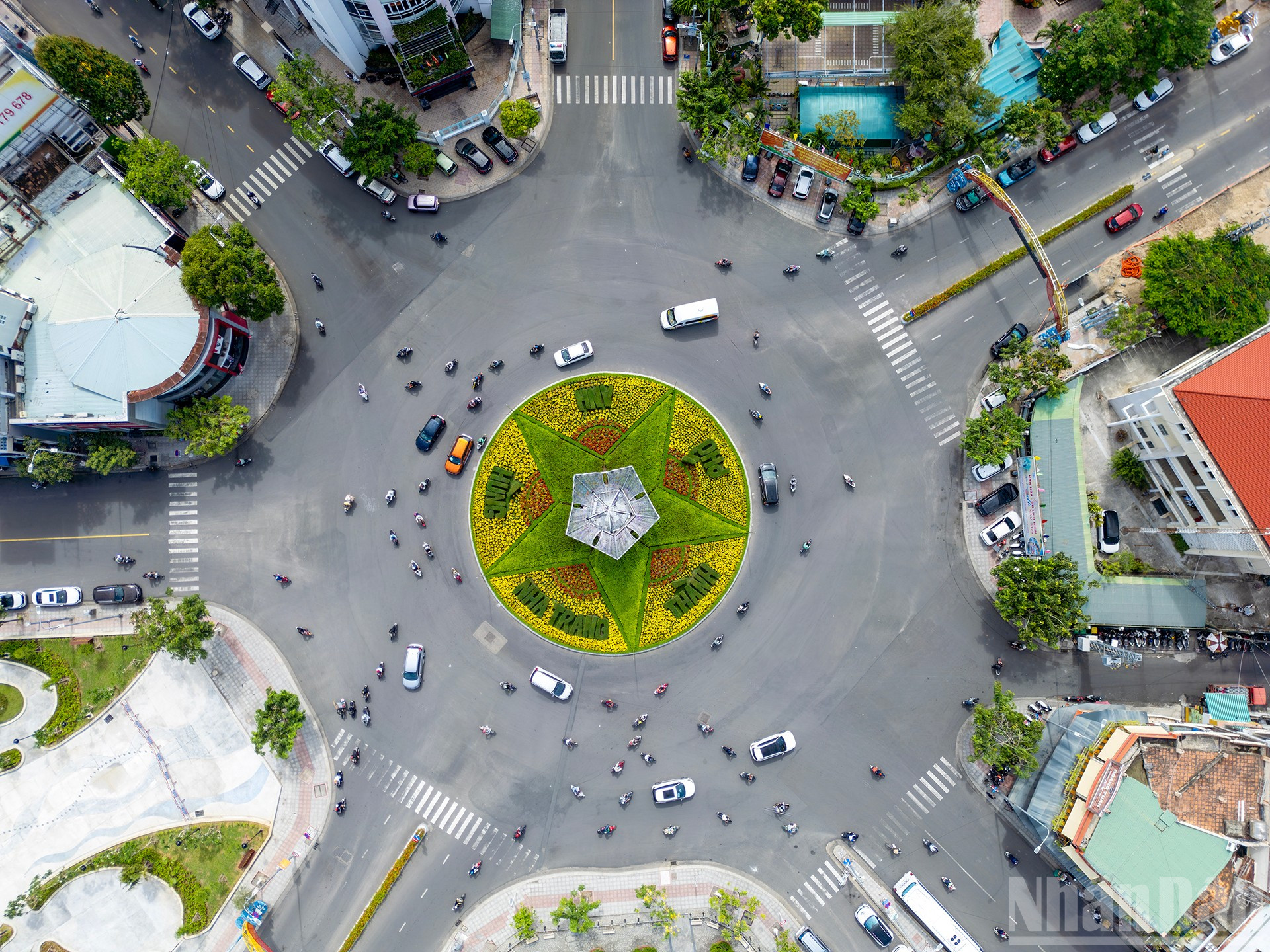
For a long time, Nha Trang city (Khanh Hoa province) has been one of the most popular and beloved tourist destinations in Vietnam, especially in the summer. This coastal city boasts beautiful beaches with clear blue water and long stretches of golden sand; modern, comfortable, and high-class resorts, hotels, and accommodations…
Báo Nhân dân•06/06/2025
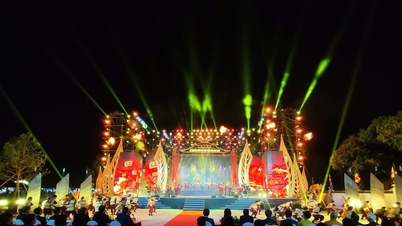
The first-ever Nha Trang Sea Culture and Tourism Festival, taking place from June 7-9, features nearly 40 attractive artistic performances and events, drawing a large number of tourists to this beautiful coastal city.
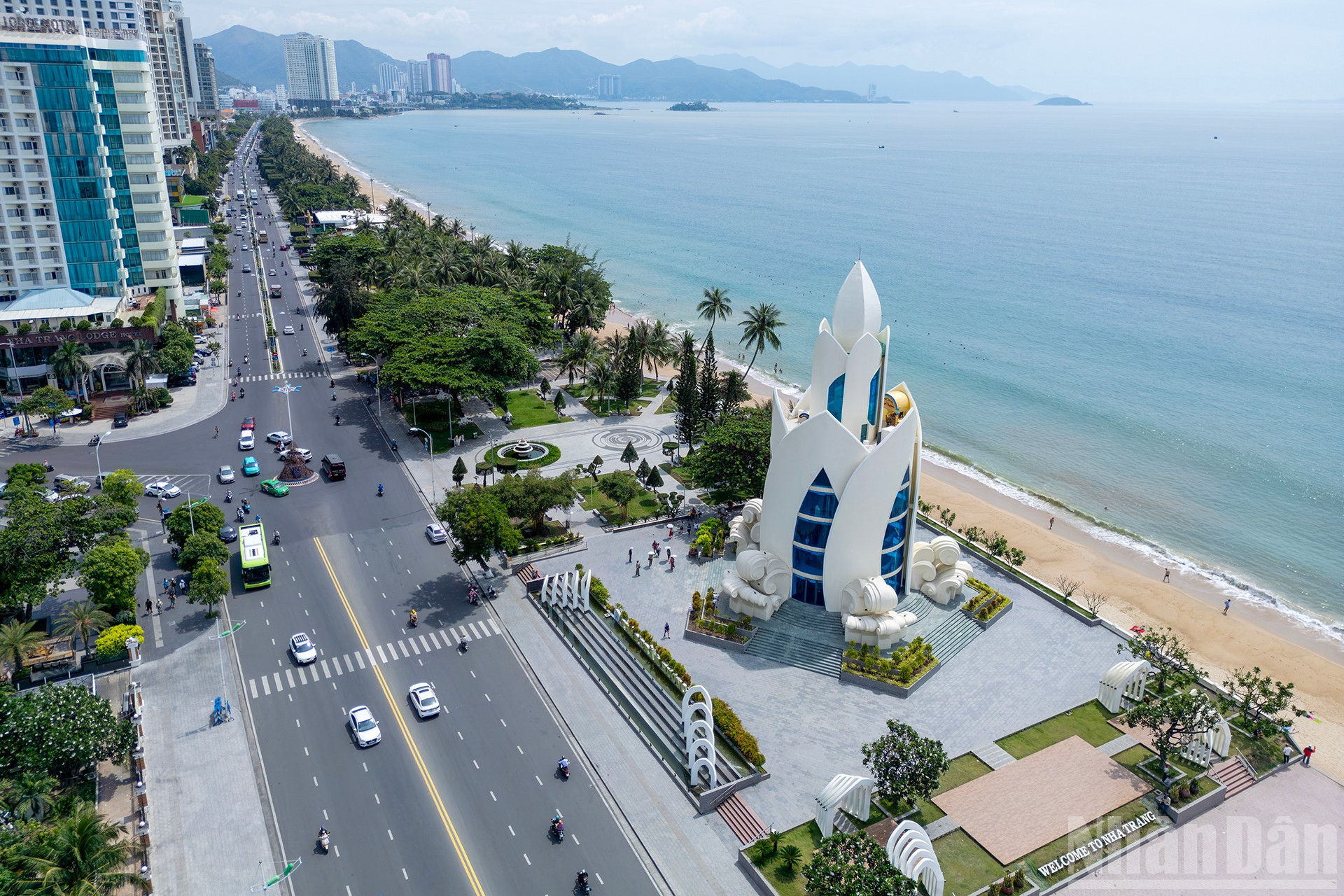
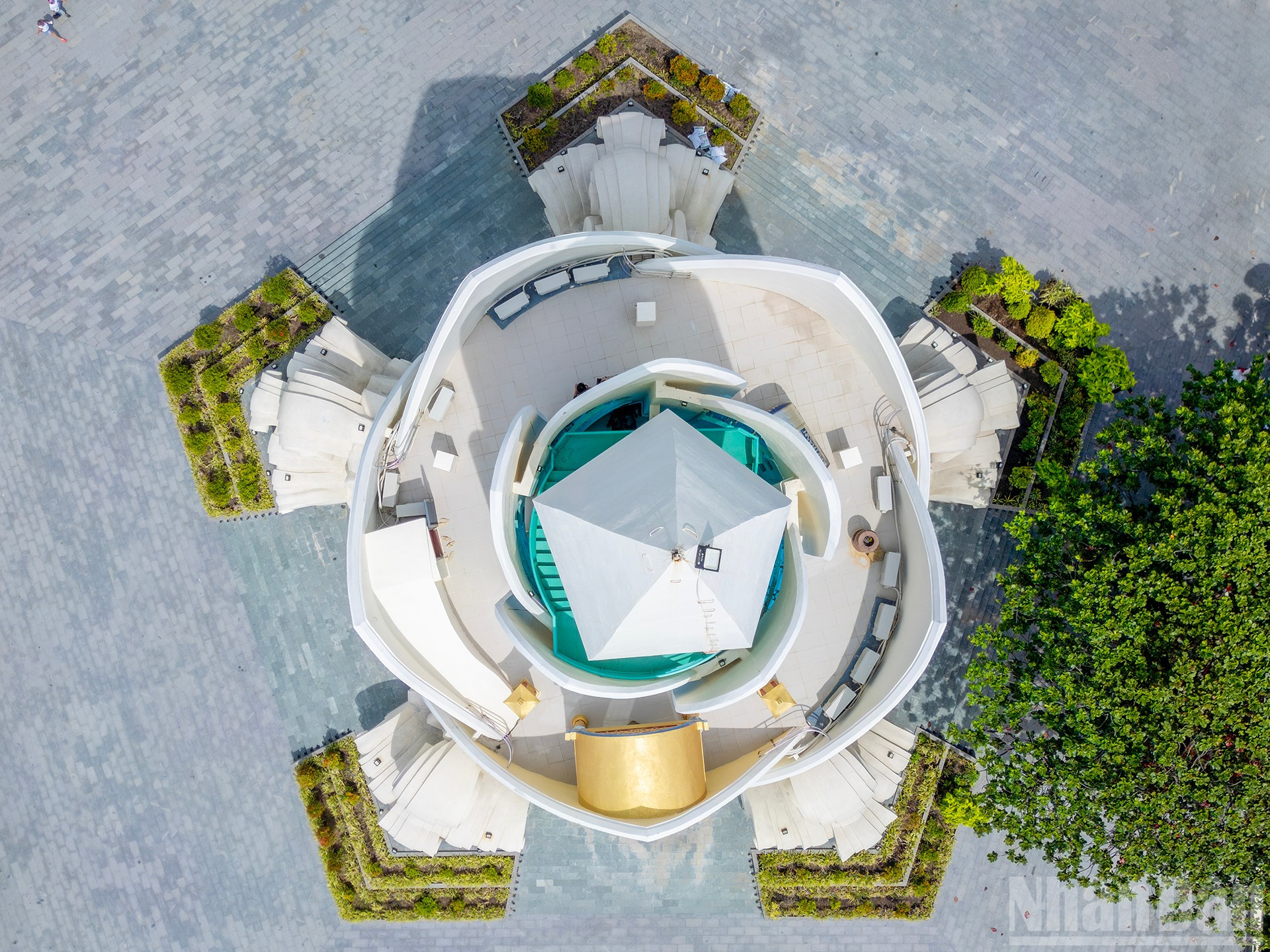
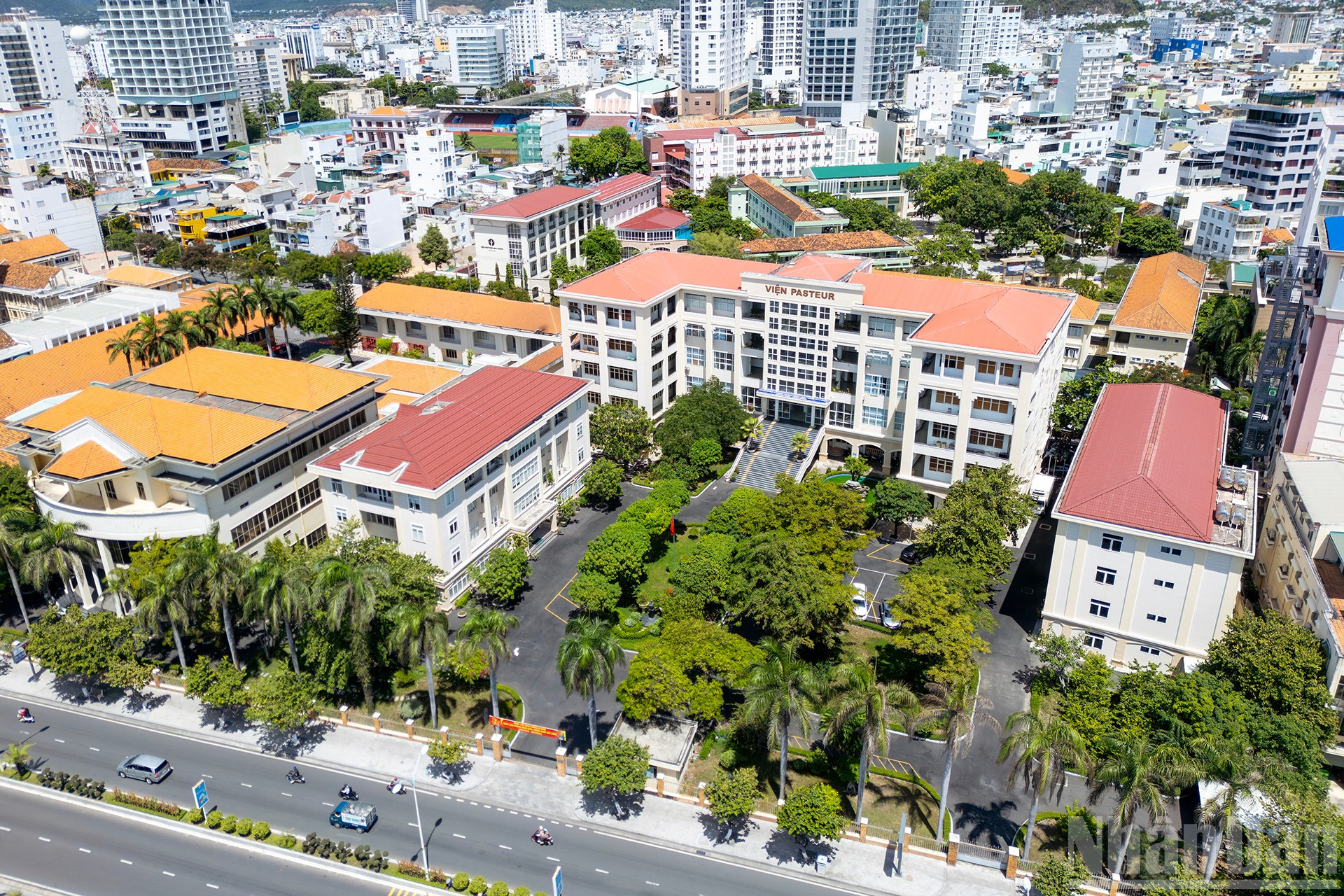
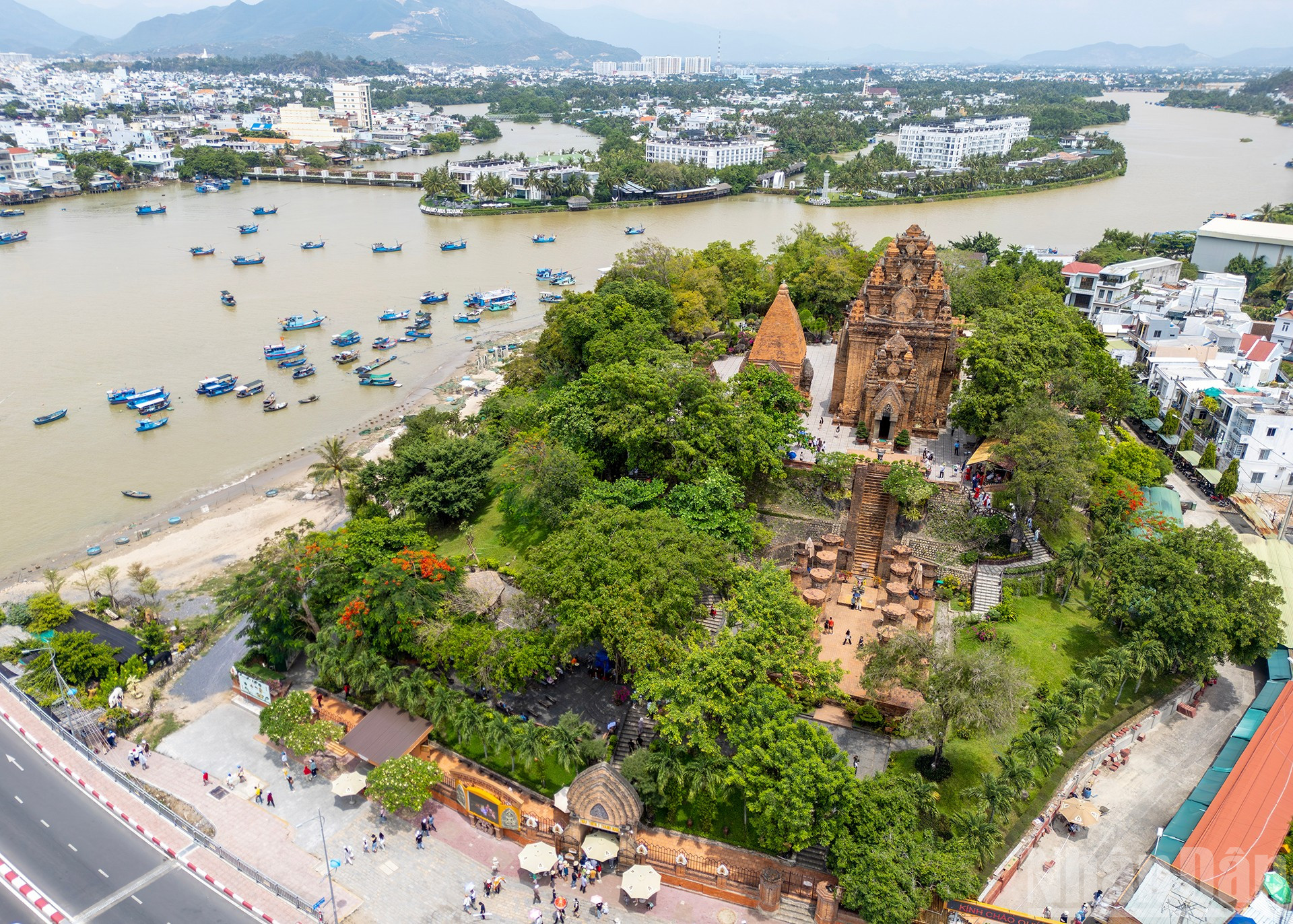
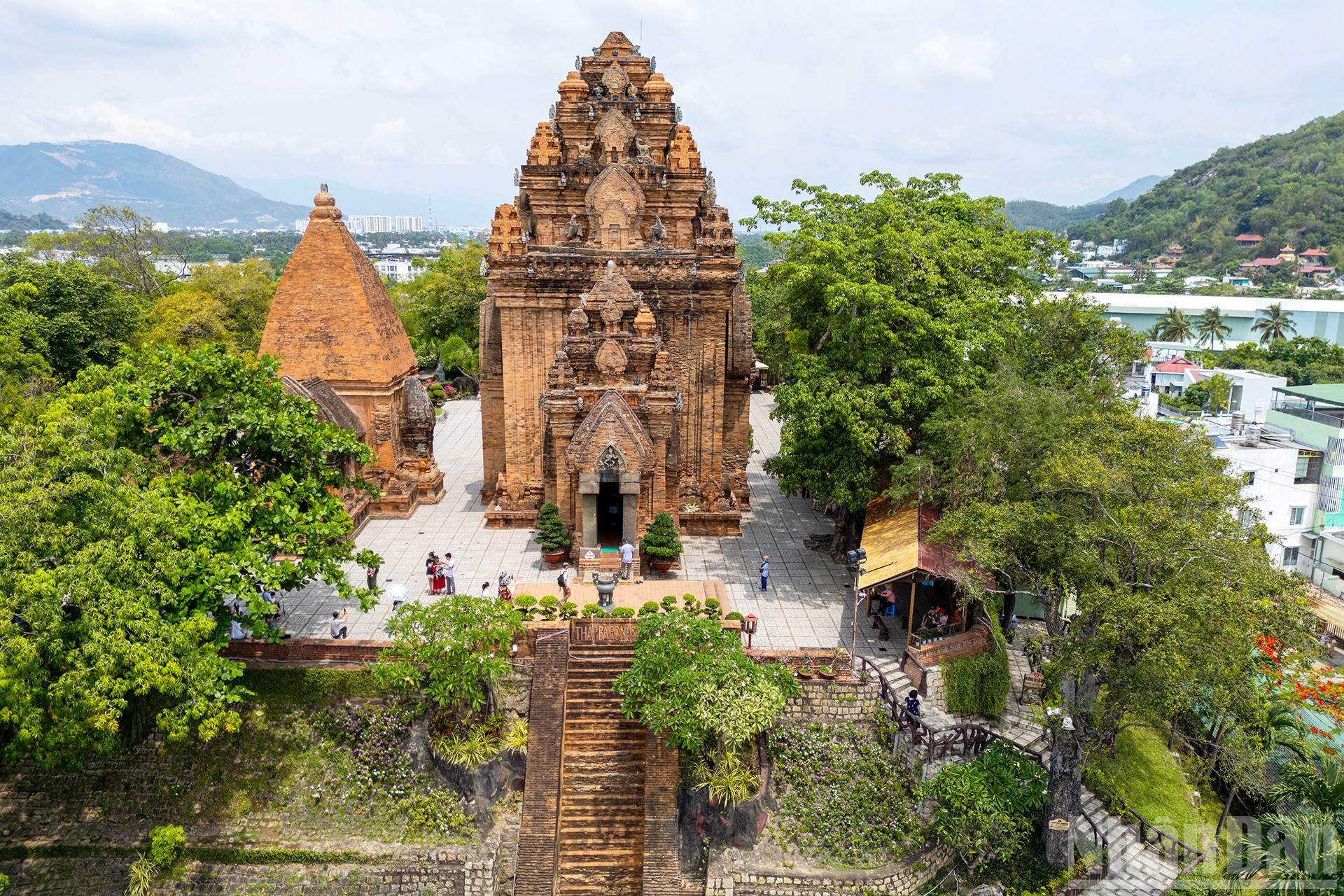
The city's iconic landmark is the Agarwood Tower, located in 2/4 Square. With its architecture resembling an agarwood bud reaching towards the sky, the tower not only honors the cultural value of Khanh Hoa's agarwood – a national intangible cultural heritage – but also serves as a unique tourist attraction. It is a place where tradition and modernity, nature and humanity, converge. The Agarwood Tower has a six-story architecture, combining images of agarwood buds, sails, ocean waves, and sacred flames. Inside, the tower houses exhibition spaces showcasing Khanh Hoa's culture and characteristic products such as agarwood and bird's nests; and a spiritual memorial area. The hollow top of the tower creates a nighttime lighting effect like a torch, symbolizing the local development. Nha Trang boasts numerous historically significant scientific research institutions. The Pasteur Institute of Nha Trang, established in 1895, is one of the oldest medical facilities in Vietnam, belonging to the global Pasteur Institute system founded by Louis Pasteur. Since the early 20th century, the Institute has played a pioneering role in research, disease prevention, vaccine production, and medical personnel training. Nha Trang also boasts the Ponagar Tower, a special national historical site. This ancient Cham-Pa temple complex is located on Cu Lao hill, near the mouth of the Cai River, about 2km north of Nha Trang city center. Built between the 8th and 13th centuries, the structure is dedicated to Thien Ya Na Thanh Mau – the mother of the land, the creator goddess, protector of crops, and teacher of trades, according to Cham legend.
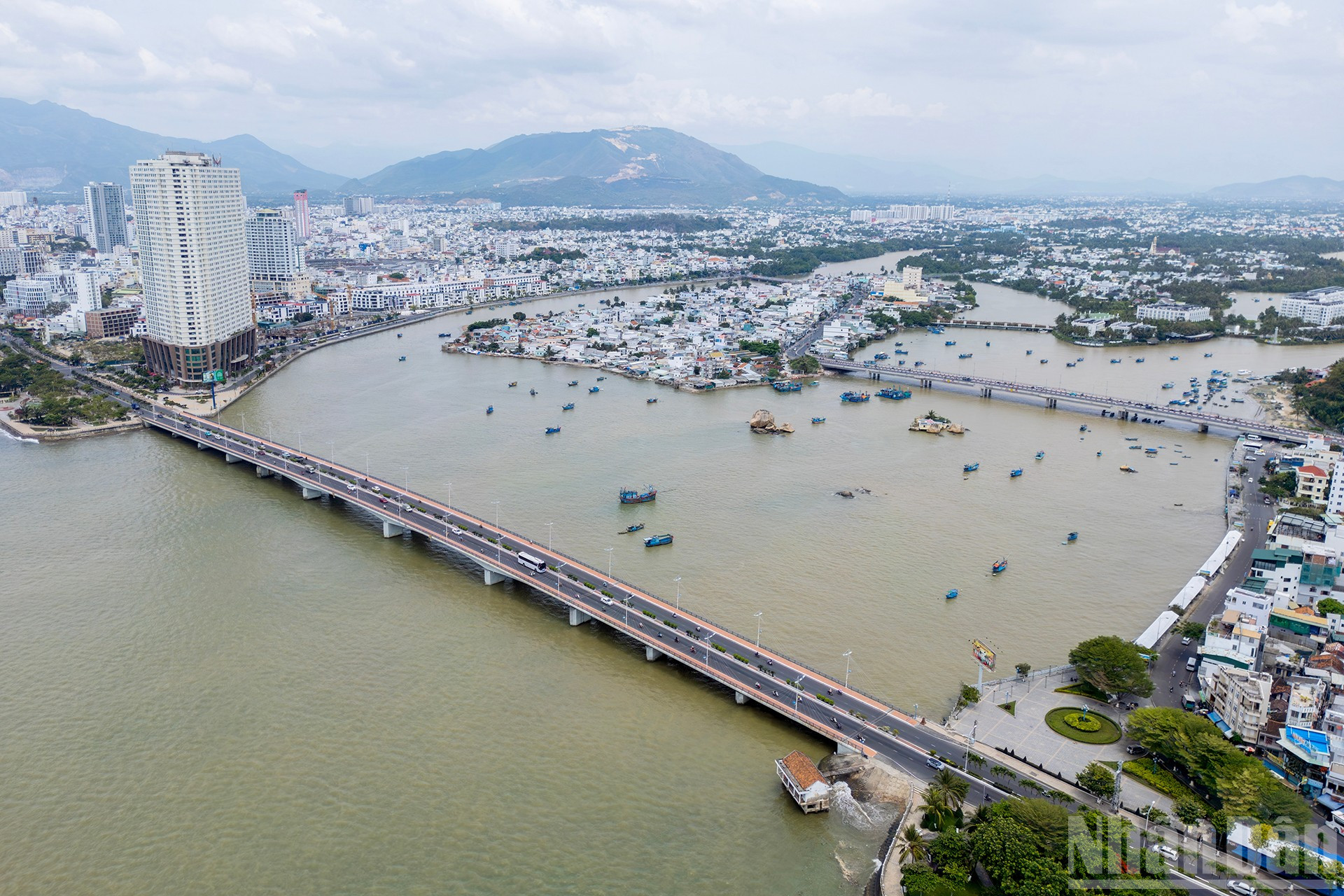
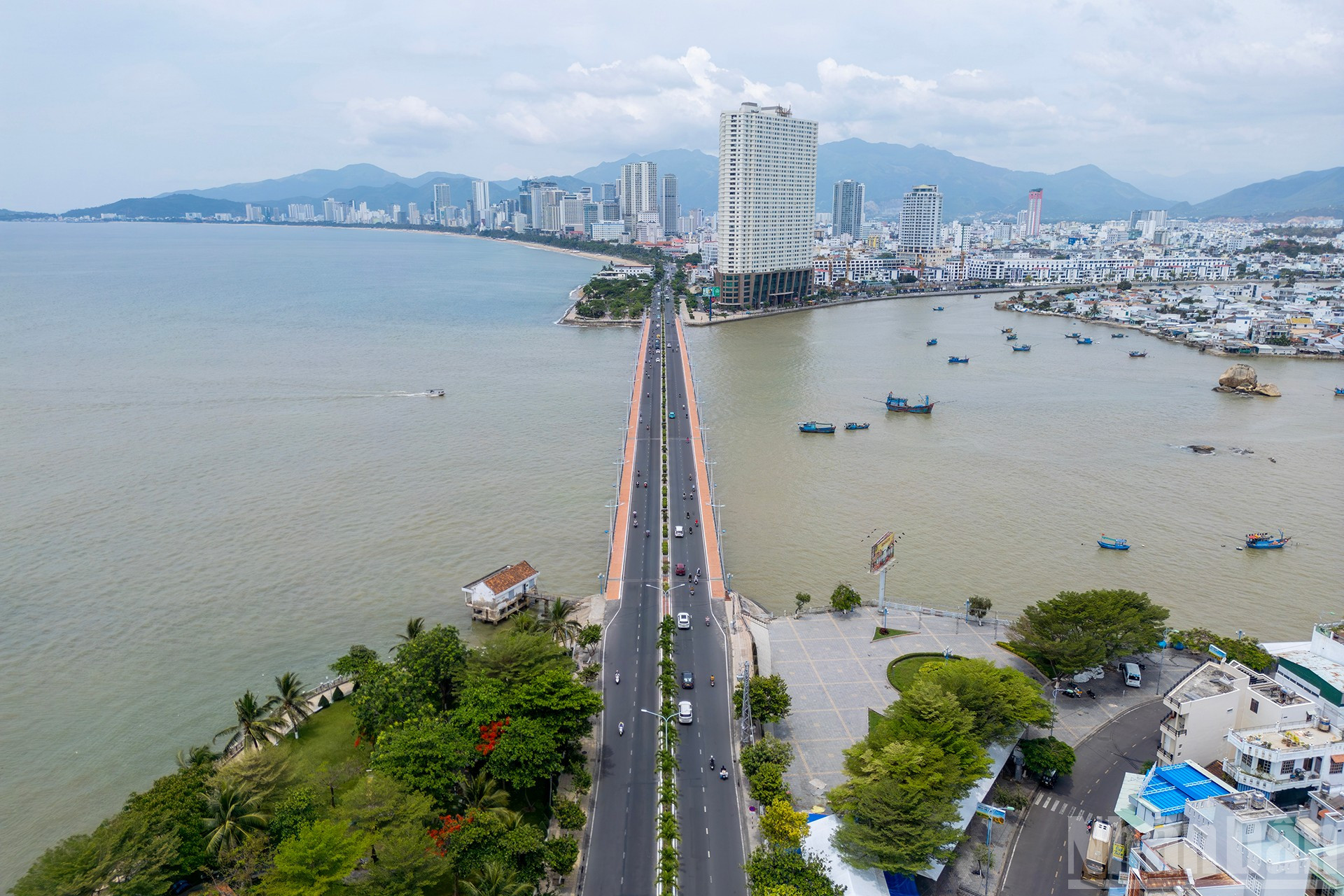
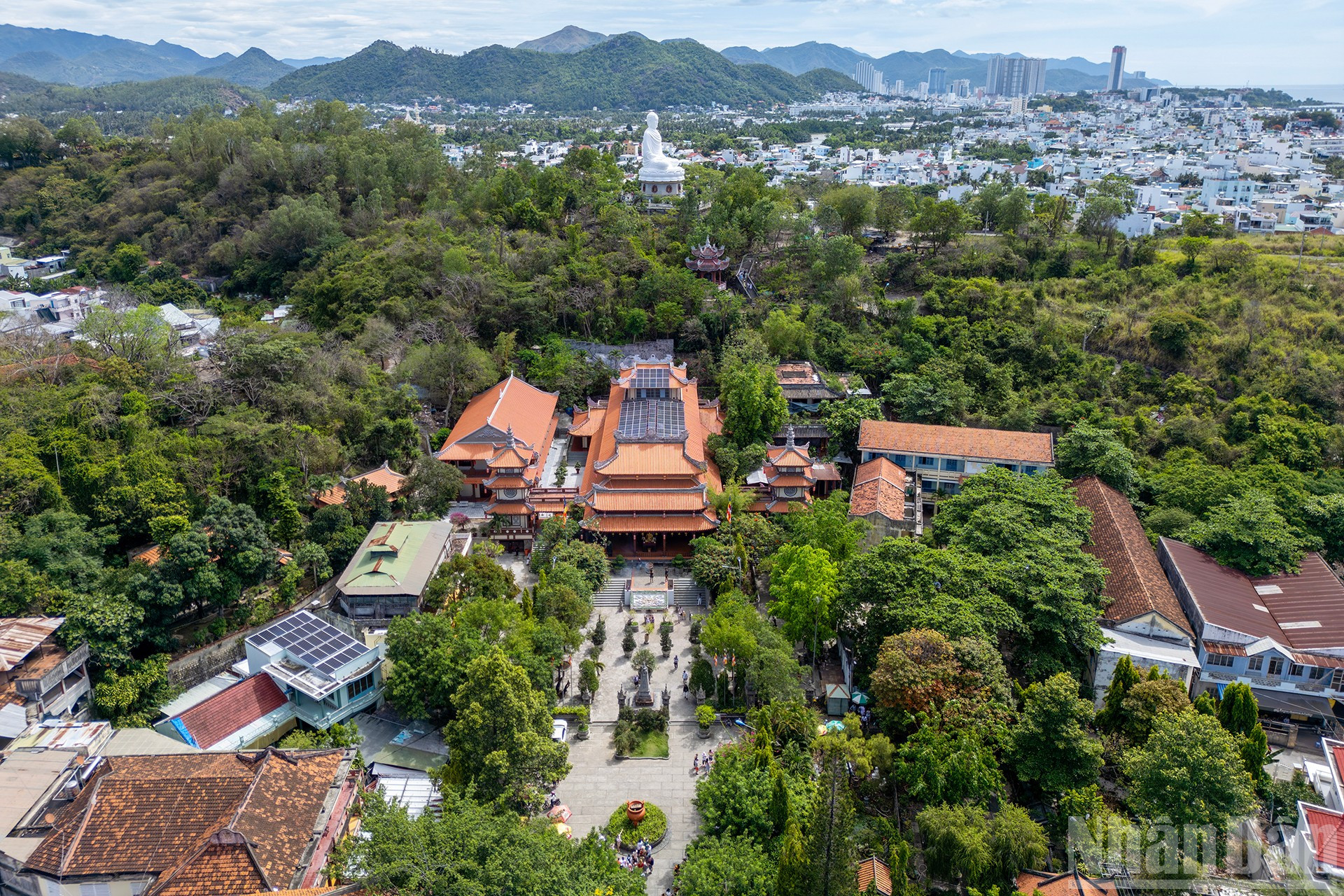
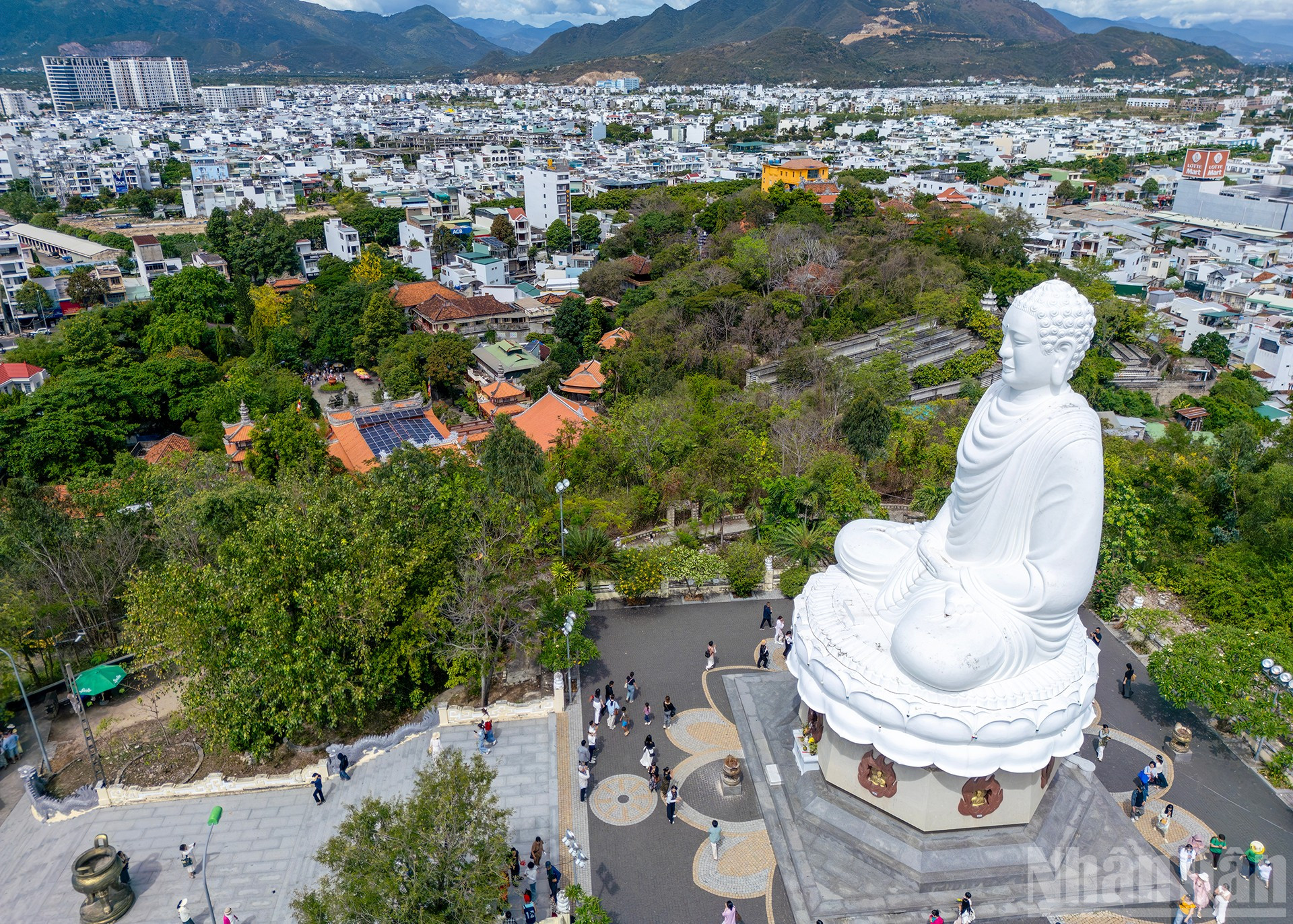
The complex consists of three levels: the gate tower (now only remnants remain), the Mandapa vestibule with 22 octagonal brick columns, and the temple complex with the remaining four towers, the main tower being 23m high. The towers were built with tightly fitted fired bricks without the use of binders, showcasing the unique construction techniques of the Cham people. Not far from the Ponagar Tower are two bridges spanning the Cai River, connecting the city center with the northern area: the Xom Bong Bridge and the Tran Phu Bridge. Both bridges play an important role in the development of Nha Trang's transportation and tourism infrastructure, facilitating travel for residents and tourists. Tran Phu Bridge is a modern bridge connecting Tran Phu Street with Pham Van Dong Street. The bridge is 458.27 meters long and 22 meters wide with 4 lanes. Construction began on September 3, 1999, and was completed on September 2, 2002. The bridge not only serves as a transportation route but also offers beautiful views, attracting many tourists. Nha Trang boasts numerous religious structures. Located atop Trai Thuy hill, the Golden Buddha statue at Long Son Pagoda is a prominent spiritual symbol of Nha Trang. Built in 1963, the statue is 24 meters tall, comprising a 14-meter-high Buddha body and a 7-meter-high, 10-meter-diameter lotus pedestal. This is the largest outdoor Buddha statue in Vietnam, depicting the Buddha Shakyamuni seated and preaching with a compassionate and serene expression. From the statue's vantage point, visitors can enjoy panoramic views of the city and Nha Trang Bay, creating an experience that is both sacred and spectacular.
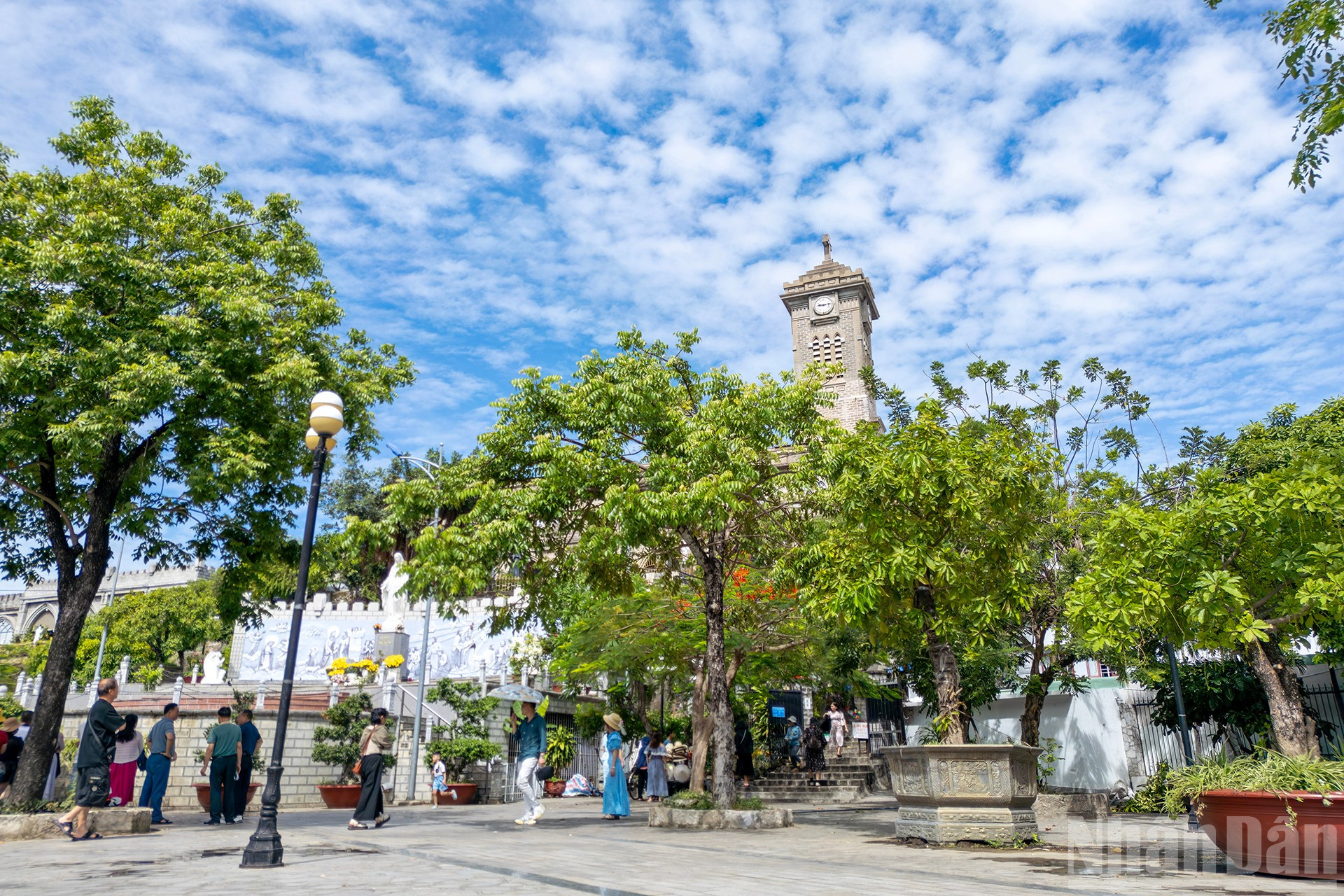
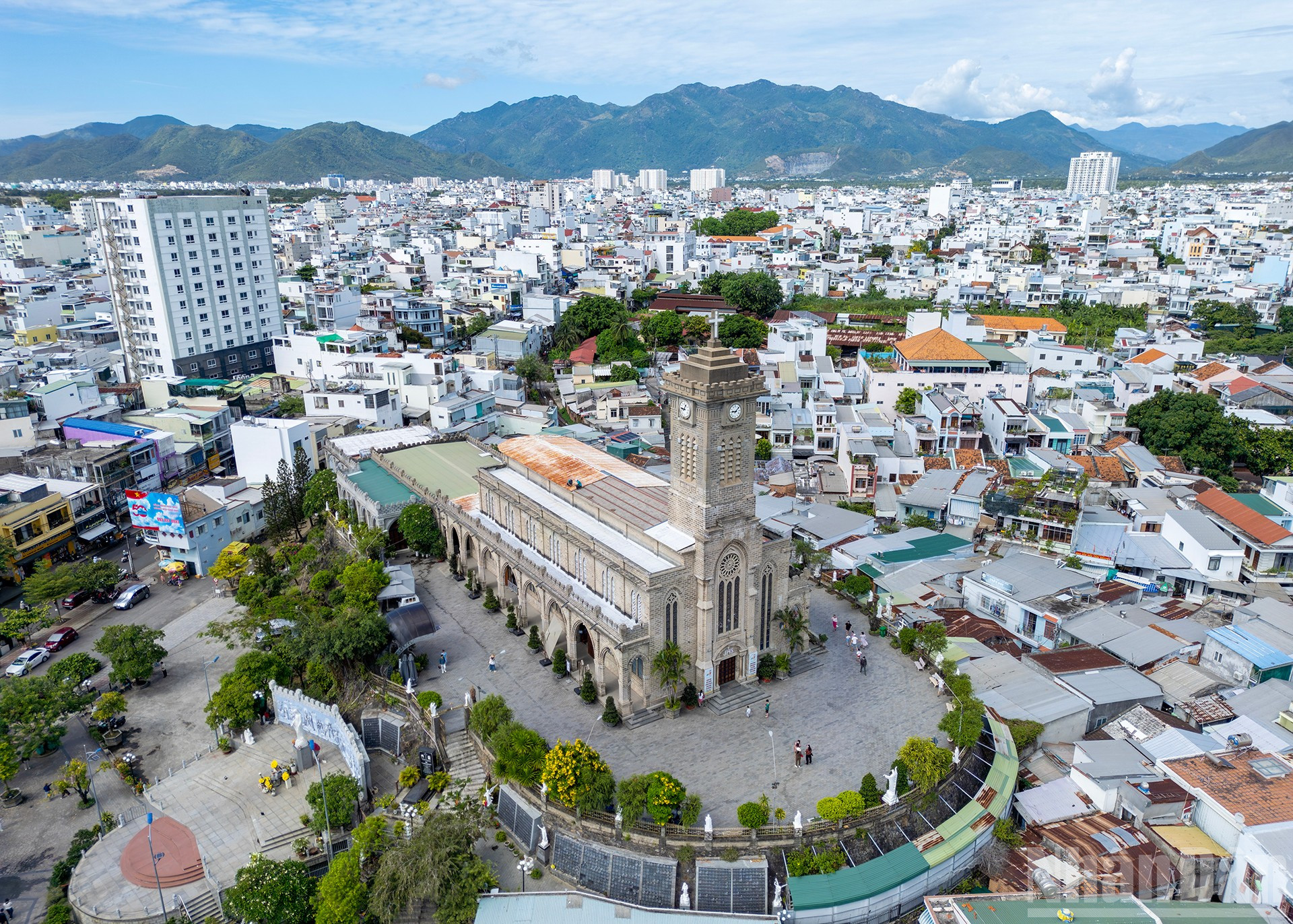
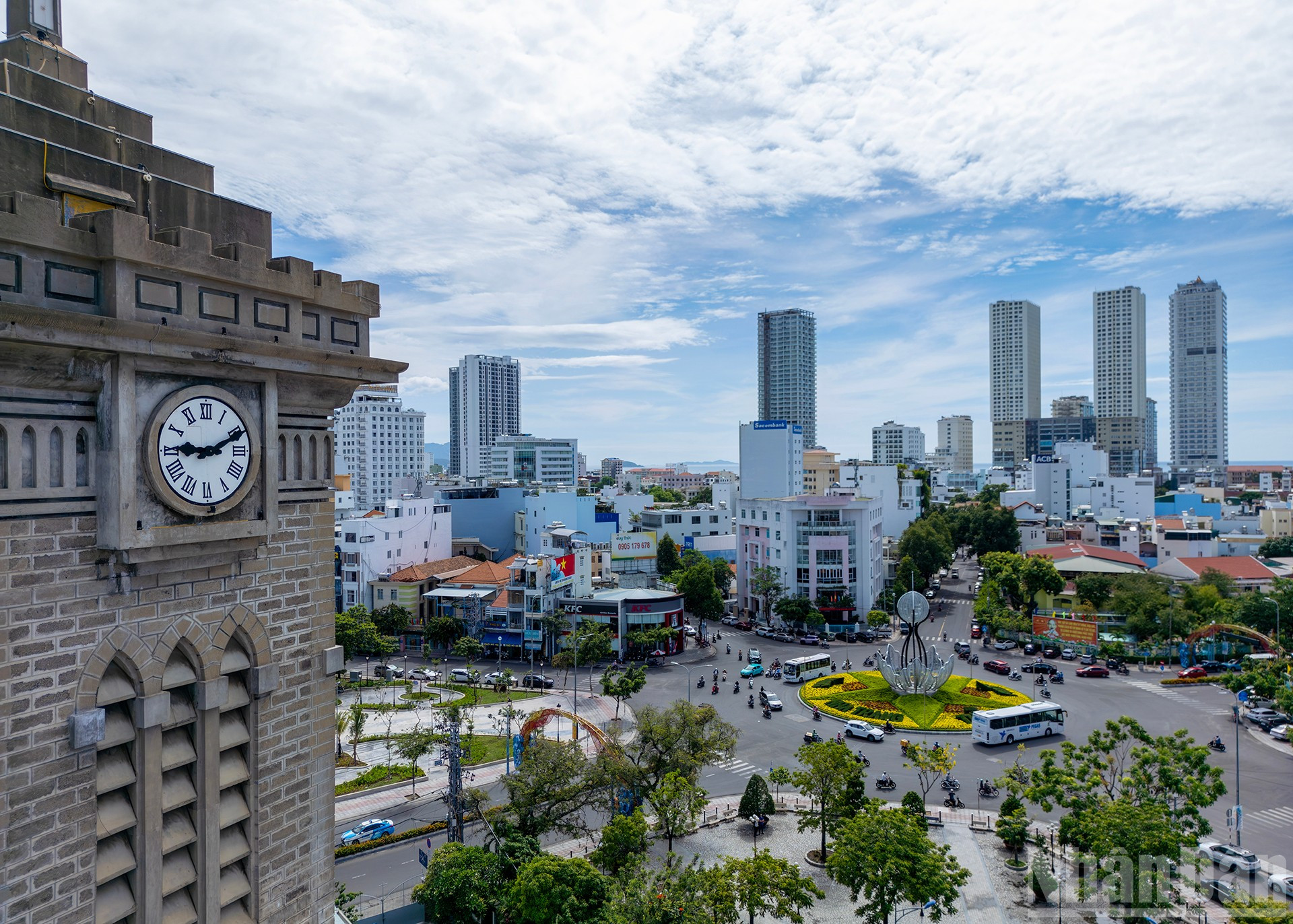
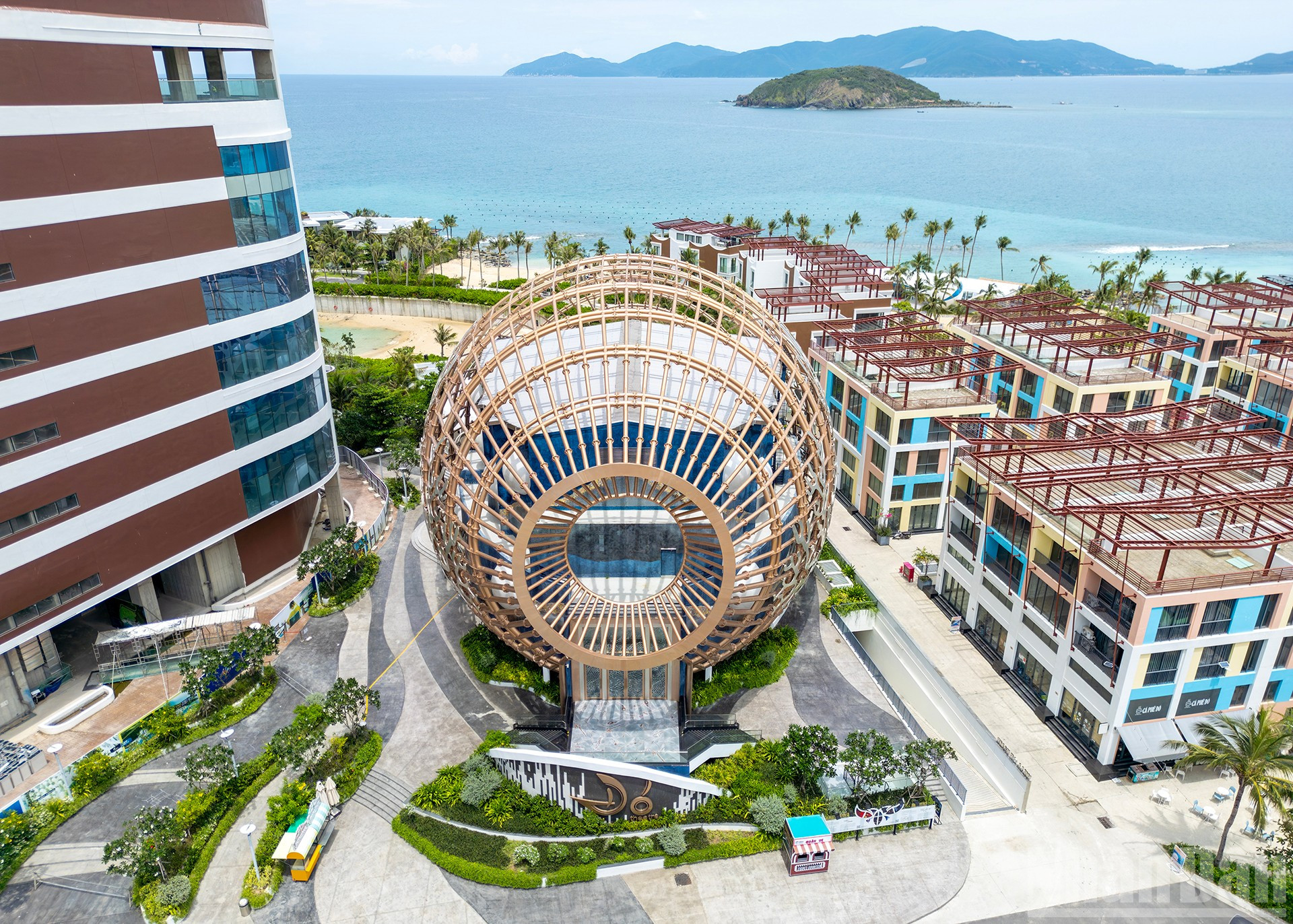
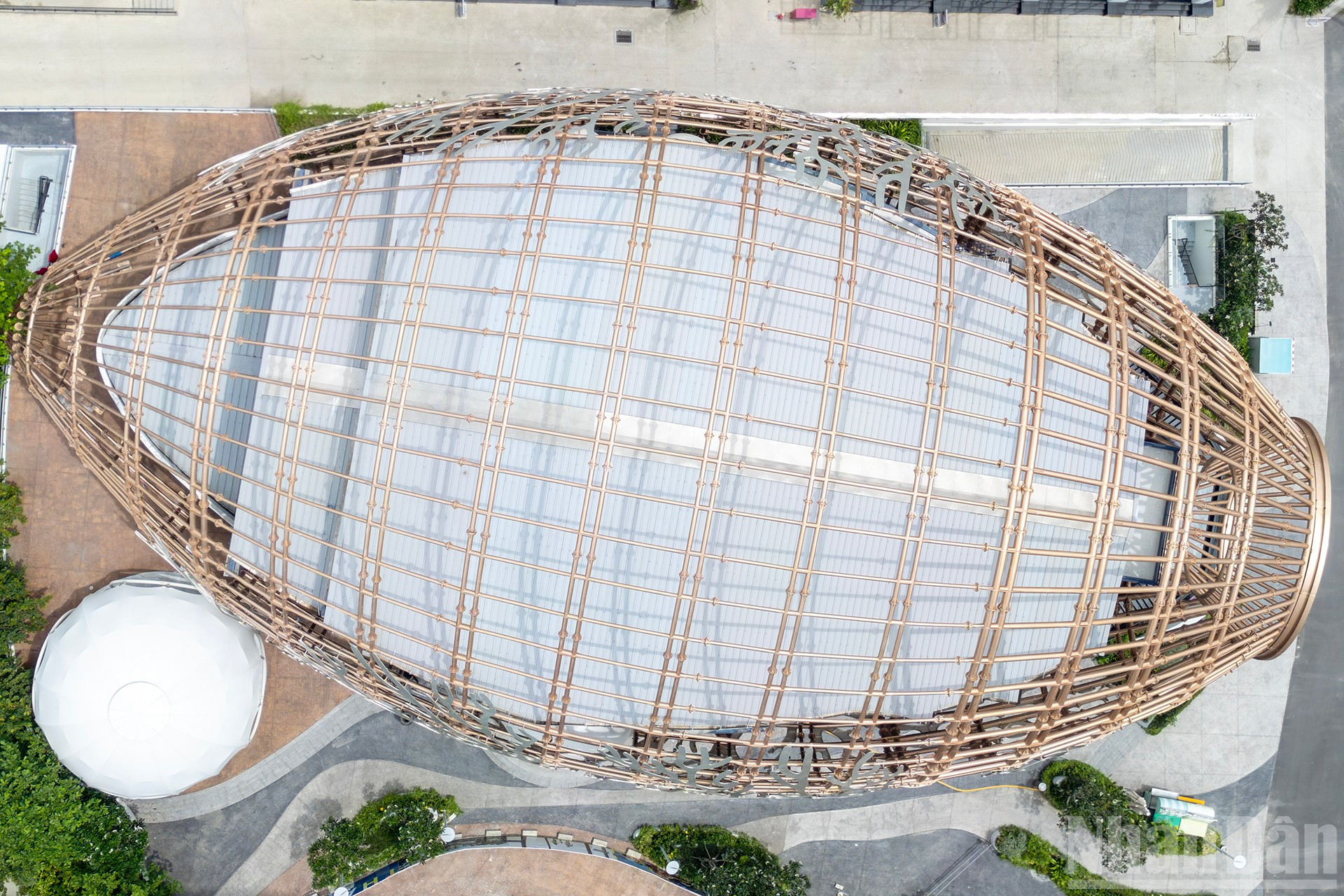
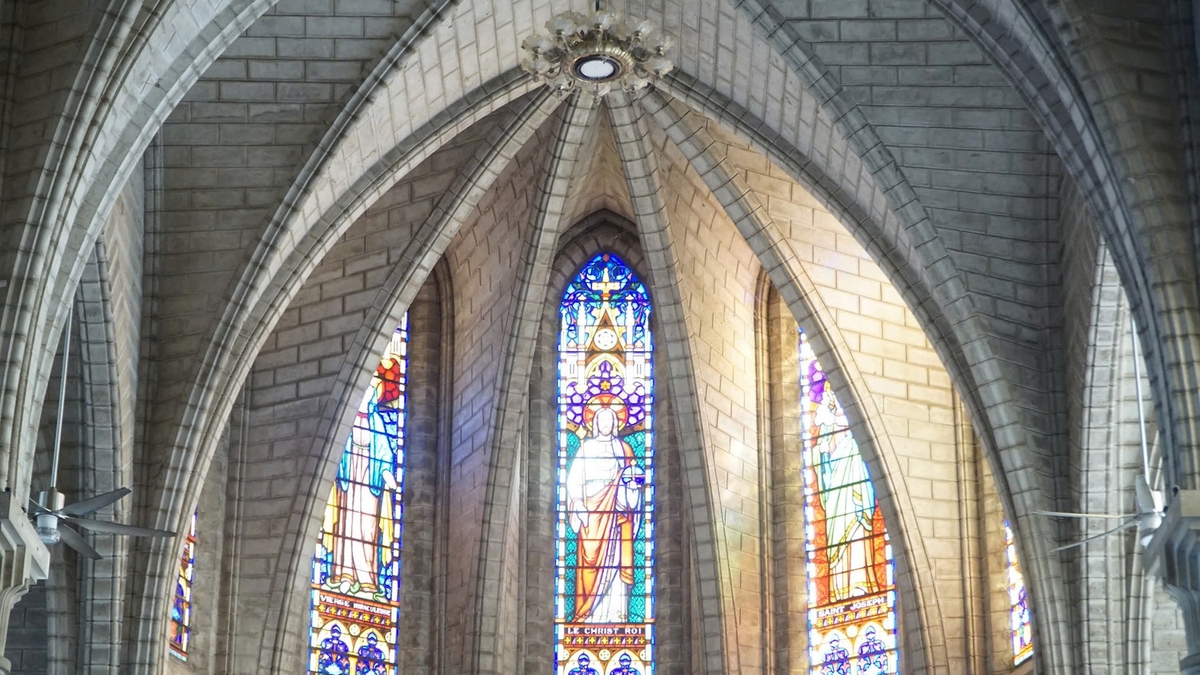
Another major religious landmark in Nha Trang is the Mountain Church, officially known as the Cathedral of Christ the King, which is a spiritual and distinctive architectural symbol of the coastal city. Located atop Hoang Lan Hill, the church was built between 1928 and 1933 in the Western Gothic style, with a 38-meter-high bell tower and arched vaults reaching towards the sky, creating a majestic and elegant appearance. Locals call it the "Mountain Church" because of its elevated location and unique rock architecture. Father Louis Vallet, the initiator of the church's construction, is buried at the foot of the hill as a testament to his devotion. Today, the church is not only a place of worship but also a tourist attraction, offering a sense of peace and sacredness amidst the bustling city. The newest landmark in Nha Trang is the "Do" Theater, located in the Bai Tien area within the Vega City complex. This unique art installation is inspired by the "do" – a traditional Vietnamese fishing tool. With its design resembling a giant "do," the theater stands out in the bay, harmoniously blending folk and modern architecture. The Theatre boasts a versatile performance space with a 240m² pool and a 536-seat auditorium, equipped with international-standard sound and lighting systems. The Theatre is not only a novel cultural destination but also a symbol of contemporary art in the coastal city of Nha Trang.
Nha Trang in summer is a vibrant symphony of golden sunshine, blue sea, and unique cultural values. Through each image, the seaside city is full of life, inviting tourists from near and far to explore, experience, and fall even more in love with this charming land on the central coast of Vietnam.














![[Video] 24-hour News on March 7, 2026: Prime Minister Pham Minh Chinh: Gia Binh Airport will open up new development opportunities for the Red River Delta.](https://vphoto.vietnam.vn/thumb/402x226/vietnam/resource/IMAGE/2026/03/07/1772888754831_7-3-jpg.webp)














































Comment (0)