

At MEDLATEC Tay Ho Polyclinic, Ms. D.HN (27 years old, Hanoi ) said that for the past two years she has frequently experienced nasal congestion, runny nose, and sneezing fits, especially when the weather changes or in winter. Initially, she tried to treat it herself by using vasoconstrictor medication and rinsing her nose with saline solution.
 |
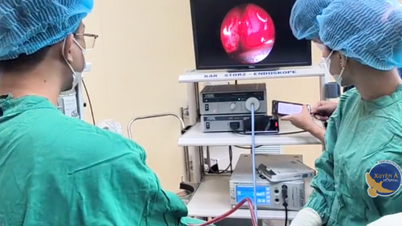
| The image is for illustrative purposes only and is not related to the content of the article. |
However, the symptoms only subsided temporarily before quickly recurring. Recently, nasal congestion and runny nose worsened, making it difficult for her to sleep and affecting her daily work. In addition, she experienced itching and redness on her back, and peeling skin on both arms, so she decided to seek medical attention.
Upon general examination, the doctor noted that the patient was alert, responsive, and had stable vital signs. An ENT specialist examination revealed typical symptoms such as intermittent sneezing, nasal itching, nasal congestion, and clear nasal discharge. Nasal endoscopy showed nasal mucosal edema, hypertrophy and pallor of the right inferior turbinate, granulation tissue proliferation on the posterior pharyngeal wall, and bilateral tonsil hypertrophy.
The CT scan of the maxillofacial sinuses revealed grade II maxillofacial sinusitis according to the Lund Mackay classification, accompanied by right inferior turbinate hypertrophy and deviated nasal septum. Additionally, due to skin lesions, the patient was examined by a dermatologist and diagnosed with seborrheic dermatitis/atopic dermatitis.
Based on the examination and test results, the doctor determined that the patient had allergic rhinosinusitis accompanied by seborrheic dermatitis. An outpatient treatment plan was developed to control symptoms and limit recurrence.
According to Ms. Nguyen Thi Hong Tuyet, an ENT specialist at MEDLATEC Tay Ho Multi-Specialty Clinic, the clinical symptoms in this patient suggest allergic rhinitis. However, a CT scan of the sinuses helps accurately assess the extent of damage to the sinus system and detect any accompanying anatomical abnormalities. This provides the doctor with a basis for making an accurate diagnosis and developing an appropriate treatment plan.
According to Dr. Tuyet, allergic rhinitis and sinusitis is an overreaction of the immune system when the body comes into contact with allergens in the environment such as house dust, pollen, animal dander, mold, or changes in weather.
When exposed to these allergens, the nasal mucosa and paranasal sinuses become inflamed, causing characteristic symptoms such as persistent sneezing, nasal itching, clear nasal discharge, and nasal congestion. In some cases, itchy eyes and watery eyes may also occur.
Although not life-threatening, chronic allergic rhinitis and sinusitis can lead to chronic sinusitis, sleep disorders, reduced concentration, and significantly affect quality of life. In particular, many people have a habit of self-medicating with vasoconstrictors for extended periods, which can lead to drug dependence and damage to the nasal mucosa.
According to experts, treatment for allergic rhinitis and sinusitis usually begins with medical treatment using drug groups such as antihistamines, corticosteroids (inhaled or oral), and leukotriene receptor antagonists. In some cases, patients may be given allergen-specific immunotherapy to reduce long-term allergic reactions.
Surgery is only indicated when a patient experiences persistent nasal congestion or runny nose that does not respond to medical treatment. Several methods may be applied, such as inferior turbinate reshaping or posterior nasal nerve ablation surgery, to reduce secretions and relieve nasal congestion.
To effectively prevent and control allergic rhinitis and sinusitis, patients should avoid exposure to allergens such as house dust, pollen, pet dander, and cigarette smoke. They should also maintain a clean and well-ventilated living environment and wear a mask when going outside or cleaning the house.
Nasal irrigation with a suitable solution helps clean the nasal mucosa and reduce allergic irritation. Patients also need to strictly follow their doctor's instructions for medication use, monitor symptom progression, and have regular follow-up appointments to adjust the treatment plan as needed.
Experts advise that nasal congestion, runny nose, and sneezing during weather changes are symptoms many people often mistake for a common cold. However, if nasal congestion persists, sneezing is frequent, there is clear nasal discharge, or it recurs seasonally, people should seek medical attention promptly.
Accurately identifying the cause of allergies, combined with appropriate treatment and lifestyle changes, will help control the condition effectively, limit complications, and improve quality of life.
Source: https://baodautu.vn/ba-dau-hieu-thuong-gap-cua-viem-mui-xoang-di-ung-d543883.html
















































































































Comment (0)