

1. What types of diseases can bamboo leaves treat?
- 1. What types of diseases can bamboo leaves treat?
- 2. Things to note when using bamboo leaves
1.1 Group of cold, fever and respiratory illnesses
- When suffering from a cold with fever and dry mouth , a remedy consisting of 30g bamboo leaves, 12g gypsum, 8g Ophiopogon japonicus, 7g rice, 4g Pinellia ternata, 2g ginseng, and 2g licorice root can be decocted and drunk throughout the day.
- For colds and high fevers , a commonly used remedy consists of 16g of bamboo leaves, 16g of honeysuckle flowers, 12g of licorice root, 8g of perilla, and 8g of mint. Alternatively, another formula can be used: 20g of bamboo leaves, 40g of mint, 20g of perilla, 20g of basil, and 20g of *Cissus quadrangularis*, decocted and drunk daily.
- In the treatment of acute bronchitis , doctors often prescribe a herbal remedy consisting of 12g of bamboo leaves, 16g of gypsum, 12g of mulberry bark, 12g of Ophiopogon japonicus, 12g of Adenophora stricta, 12g of Asparagus cochinchinensis, 12g of Dioscorea opposita, and 8g of chives, decocted and drunk daily.
- For cases of laryngitis causing loss of voice , a classic remedy includes 12g of bamboo pith, 12g of bamboo leaves, 12g of mulberry bark, 10g of fritillaria bulb, 8g of tangerine peel, 8g of balloon flower root, 6g of processed Arisaema amurense root, and 4g of ginger, decocted and drunk daily.
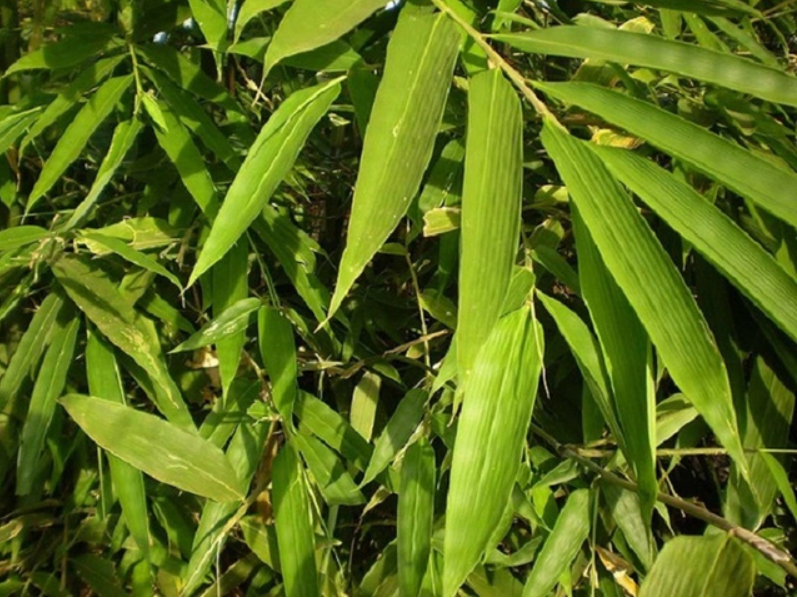
Bamboo leaves are a valuable medicinal ingredient in many traditional remedies.
1.2 Urinary tract diseases
To treat acute cystitis , the herbal remedy consists of 16g of bamboo leaves, 12g of rehmannia glutinosa, 12g of akebia quinata, 12g of scutellaria baicalensis, 6g of licorice, and 6g of rush pith, decocted and drunk daily as one dose.
For painful urination and frequent urination , there is a much simpler folk remedy: Take 20g each of fresh bamboo shoots and centella asiatica, crush them with a few grains of salt, add filtered water, stir well, and strain the liquid to drink. Use one dose per day.
1.3 Infectious Diseases
To aid in the treatment of chickenpox , the herbal remedy consists of 8g of bamboo leaves, 8g of forsythia suspensa, 4g of balloon flower root, 4g of fermented soybean extract, 3g of mint, 3g of gardenia fruit, 3g of licorice root, and 2 shallots, decocted and drunk daily as one dose.
For measles during the eruption phase , a commonly used remedy consists of 20g of bamboo leaves, 16g of Sài đất (Wedelia chinensis), 16g of honeysuckle flowers, 12g of Ophiopogon japonicus, 12g of Adenophora stricta, 12g of Pueraria lobata, and 12g of Glycyrrhiza glabra, decocted and drunk daily as one dose.
1.3 Other remedies
For canker sores (mouth and tongue ulcers), a remedy consisting of 16g bamboo leaves, 20g gypsum, 16g rehmannia glutinosa, 16g cypress, 16g licorice root, 12g scrophularia ningpoensis, 12g Polygonatum odoratum, and 12g Akebia quinata can be decocted and drunk daily.
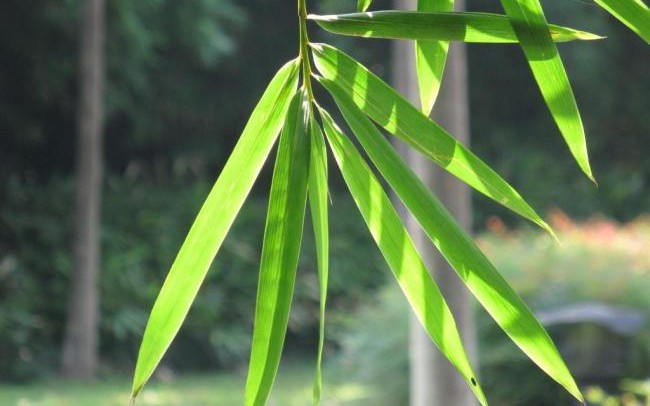
For convulsions in children , a decoction made from 16g of bamboo leaves, 12g of rehmannia glutinosa, 12g of ophiopogon japonicus, 12g of uncaria rhynchophylla, 12g of vinca leaves, 10g of gardenia fruit, 8g of silkworm pupae, and 8g of mint can be drunk daily.
To treat hiccups caused by heat , a remedy can be used consisting of 20g of bamboo leaves, 20g of bamboo sap, 30g of gypsum, 20g of roasted rice, 8g of Pinellia ternata, 16g of Ophiopogon japonicus (without the core), and 10 persimmon calyxes. Boil with 800ml of water until only 300ml remains, and divide into two doses to be taken daily.
Note: The above remedies should be used under the guidance of qualified healthcare professionals to ensure proper dosage and suitability for each individual's condition.
2. Things to note when using bamboo leaves
Although bamboo leaves are a safe and natural remedy with many uses, users still need to follow certain guidelines to ensure safety and avoid unwanted side effects.
Those who need to exercise caution
The most important note for pregnant women : Bamboo leaves can cause uterine contractions, leading to a risk of miscarriage or premature birth if used in large doses or for extended periods. Women who are breastfeeding should also consult their doctor before use.
Those with a weak constitution should also consider carefully: Because bamboo leaves are cold in nature, people with weak spleen and stomach, who frequently experience cold hands and feet, are sensitive to cold, or are currently suffering from diarrhea should not use them. Similarly, people who have recently recovered from illness and whose digestive system and yang energy are still weak are also not suitable for using herbs with strong heat-clearing properties like bamboo leaves.
Important notes when using
First, avoid overuse: Drinking too much bamboo leaf tea daily does not increase the effectiveness of treatment; on the contrary, it can cause electrolyte imbalance or diarrhea due to its crude fiber content and anthraquinone compounds. Therefore, it is necessary to adhere to the recommended dosage.
Secondly, pay attention to the decoction time: To preserve optimal medicinal properties, bamboo leaves should not be decocted for too long, ideally no more than 20 to 30 minutes. The active ingredients in bamboo leaves dissolve well in water but are easily broken down if boiled for too long at high temperatures.
Finally, it's important to remember that bamboo leaves cannot replace medical treatment: Remedies made from bamboo leaves only provide supportive care in cases of mild colds or early-stage infections. For cases of prolonged high fever, severe infections, or chronic illnesses, patients need to seek medical attention promptly.
Source: https://suckhoedoisong.vn/bai-thuoc-chua-benh-tu-la-tre-169260515103201943.htm










































































Comment (0)