International media praises the sustainable tourism practices of the people of Cu Lao Cham.
Báo Lao Động•29/05/2024
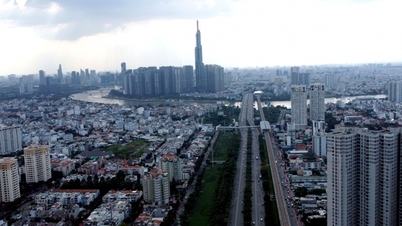
While Hoi An is under pressure from the tourism boom, Cham Island has handled the challenges of preserving its identity and conserving its natural ecosystem well, according to SCMP. The ancient wooden houses in Hoi An have given the town a UNESCO World Heritage site, making it an attractive destination for Asian tourists, with millions visiting each year.
The boats on the river have become a distinctive feature of Hoi An. But complaints are starting to emerge as tourism becomes excessive. According to SCMP , the town's population is only 120,000, while an estimated 4 million tourists visit annually. Artisans and craftspeople are being overwhelmed by souvenir businesses. The number of tourists is expected to increase further. Cu Lao Cham, an island cluster located near Hoi An, is also facing similar challenges. To preserve the island's natural ecosystem, the number of tourists and tourism activities must be strictly managed. The Cu Lao Cham island cluster was recognized as a UNESCO Biosphere Reserve in 2009, as part of a route connecting pristine beaches, coral reef diving spots, and local homes with Hoi An on the mainland. The island is home to 277 species of coral, 250 species of fish and crustaceans, and 97 species of mollusks. British filmmaker Tom Fawthrop called it a "conservation miracle" by the locals. The natural ecosystem has been preserved thanks to the cooperation of the local people. They clean the sea, avoid plastic pollution, and refrain from overfishing in the waters around the island.
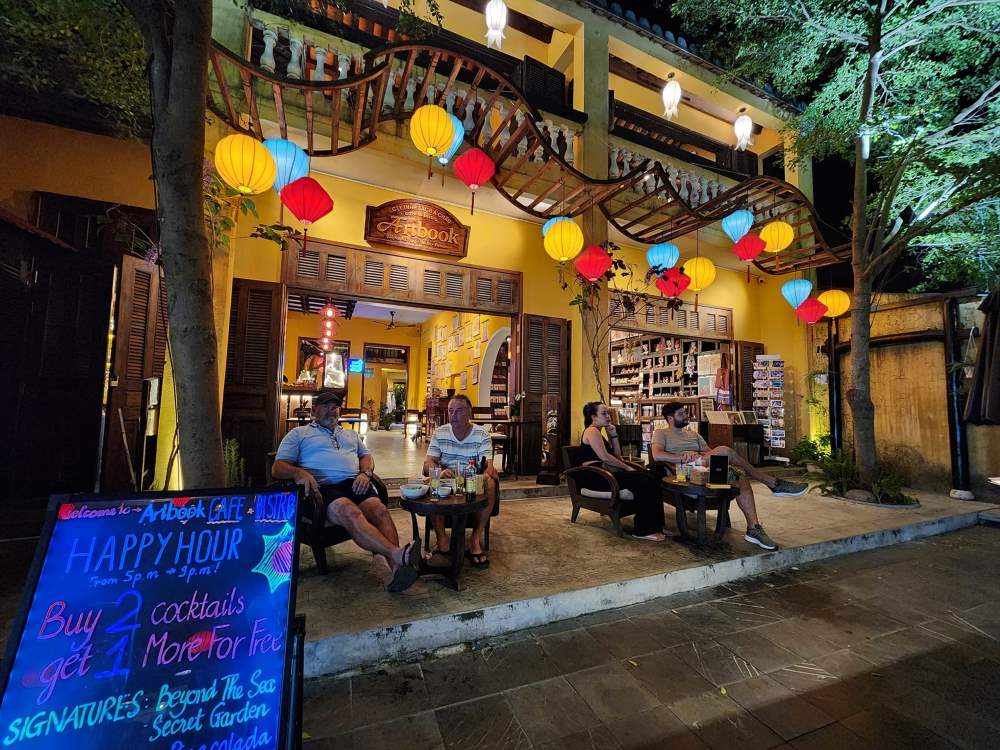
Hoi An still retains its pristine, natural beauty. Photo: Hoang Bin
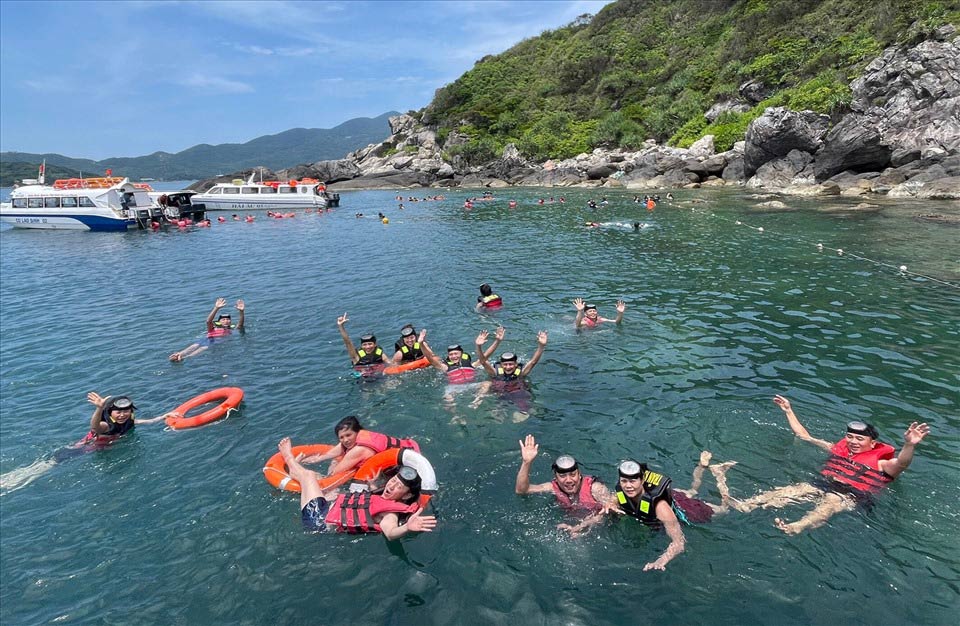
Environmental scientist Le Ngoc Thao, Director of the Marine Protected Area (MPA) on Cu Lao Cham Island, told the SCMP – a Hong Kong (China) daily newspaper: "It's not easy to get fishermen to agree to stop fishing in coral reefs and accept sustainable fishing zones. We have to convince people that they can earn much better incomes if they take tourists snorkeling to see a pristine coral reef teeming with fish." Many fishermen have agreed and adapted to using boats to carry tourists. Thanks to this, the MPA has been able to protect the coral reefs, which are facing the global threat of warming waters. This island is the only place in Vietnam that has promoted the zero-plastic bag policy and the “3R” programs (reduce, reuse, and recycle) since 2011, as well as combating overfishing for decades. Thanks to strict regulations implemented to prevent overfishing of the island's freshwater crabs, the population has increased by 75%. To counteract the downsides of a surge in tourism, visitor numbers are limited to 3,000 per day. Gradually, conservation efforts and a cautious approach to tourism have paid off. Fish populations have increased, local awareness has changed, transforming the island into one of the cleanest in Vietnam.
Coral reef viewing tourism has attracted more than 400,000 visitors per year to Cu Lao Cham Island. Photo: Nguyen Linh
Regarding the city of Hoi An, a management plan has been put in place to protect the heritage site from the dangers of flooding and overconstruction. However, many projects are contributing to changes in the city, including leveling sand dunes along the riverbank to build amusement parks. In recent years, traditional basket boat trips on the Thu Bon River have increased, bringing with them loud music that disrupts the tranquility of the area. Boat owners have responded, and local tour operators have equipped their basket boats with portable sound systems to cater to tourists' needs, increasing their income. Ms. Le Ngoc Thao added: "We are campaigning against loud music." Previously, the MPA had done this in November 2023, when the Quang Nam provincial government banned karaoke singing in the Bay Mau mangrove forest and tourist areas near Hoi An, in order to limit noise pollution. Change is a double-edged sword in modern tourism. Cao Huyen, a tour guide, said: "Despite all the changes, I still love Hoi An… and we need tourists to come here. I think the solution is to maintain some autonomy… and not be swallowed up by the commercial values of mass tourism."


![[Photo] First session of the 14th Congress of the Vietnam Trade Union](https://vphoto.vietnam.vn/thumb/1200x675/vietnam/resource/IMAGE/2026/06/03/1780465947883_ndo_br_img-3852-jpg.webp)
![[Photo] Secretary of the National Assembly Party Committee, Chairman of the National Assembly presides over the meeting of the Standing Committee and Executive Committee of the National Assembly Party Committee.](https://vphoto.vietnam.vn/thumb/1200x675/vietnam/resource/IMAGE/2026/06/03/1780480353201_ndo_br_bnd-2585-jpg.webp)


![[Photo] General Secretary and President To Lam presides over a meeting with the Central Organizing Committee.](https://vphoto.vietnam.vn/thumb/1200x675/vietnam/resource/IMAGE/2026/06/03/1780482764658_a1-bnd-4741-3342-jpg.webp)














































![[Video] Sunset at Lap An Lagoon – Where the sun sets over the fishing nets](https://vphoto.vietnam.vn/thumb/1200x675/vietnam/resource/IMAGE/2026/05/31/1780192137701_beach-landscape-sea-water-nature-grass-745871-pxhere-com.jpeg)





































Comment (0)