

The Khmer people are one of the largest ethnic minorities in Vietnam, with approximately over 1.3 million people, mainly concentrated in the Southern region: An Giang, Ca Mau, Can Tho City, Dong Nai, Dong Thap, Tay Ninh, Ho Chi Minh City, and Vinh Long. This community has a long history of residence, creating a unique and distinctive cultural space, playing an important role in the unified yet diverse Vietnamese culture.
Throughout history, the Khmer people have created, preserved, and transmitted a rich cultural heritage, manifested in many areas such as language, writing, beliefs, religion, traditional festivals, folk performing arts, folk knowledge, traditional crafts, architecture, clothing, and cuisine . Khmer cultural values not only reflect the spiritual life and community mindset but also contain many humanistic and historical values.
Currently, the Southwestern region of Vietnam has over 450 Khmer Theravada Buddhist temples. The Khmer temple system plays a particularly important role in community life, not only as a center for religious and spiritual activities but also as a place for preserving and teaching the Khmer language and script, storing ancient texts, folk art, providing moral education, and maintaining traditional cultural values for generations of the Khmer people. Traditional festivals such as Chol Chnam Thmay, Sene Dolta, Ooc Om Boc, the Moon Worship Festival, Ngo boat racing, Dua Tpeng (Pha Bau)... continue to be widely maintained in localities with large Khmer populations. These are not only community religious and cultural activities but also environments for practicing and transmitting many traditional art forms such as Du Ke, Ro Bam, Ngu Am music, Aday singing, Chan dance, Rom Vong dance, Lam Thon dance...
Many forms of Khmer ethnic cultural heritage have been included in the National List of Intangible Cultural Heritage, such as: Southern Khmer Dù kê art, Rô băm art, Oóc Om Bóc festival, folk performance art of Ngũ âm music, Khmer flattened rice cake making craft, and Khmer folk dance art. This is an important basis for implementing activities to preserve, restore, and promote traditional cultural values in the current period.
Besides the values that are preserved and promoted, the Khmer ethnic culture of Southern Vietnam is currently being strongly impacted by industrialization, urbanization, international integration, and digital transformation. Traditional cultural spaces tend to shrink; many cultural values face the risk of disappearing; and the environment for practicing community culture is changing rapidly, especially in areas with strong urbanization and areas with large labor migration.
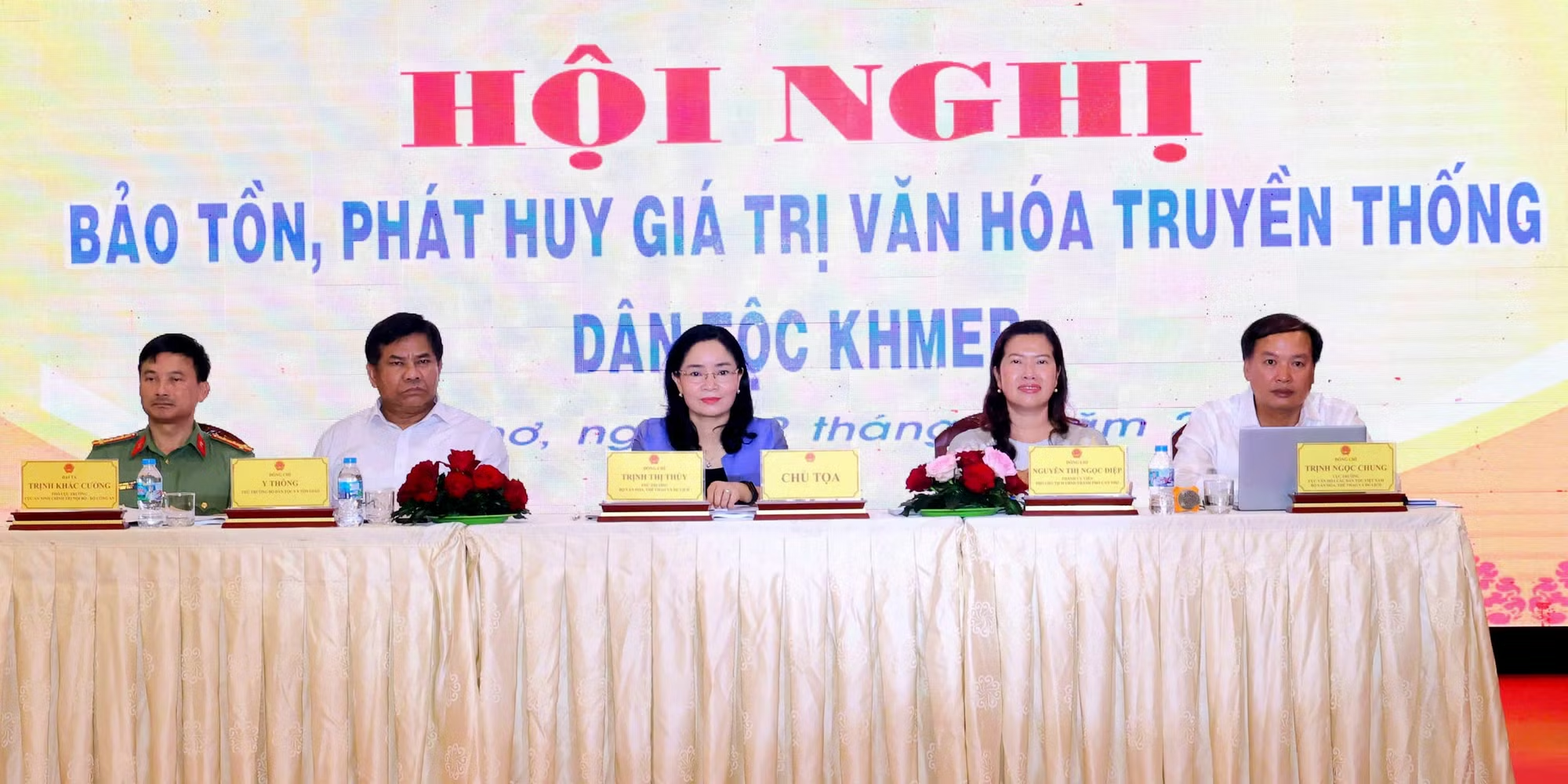
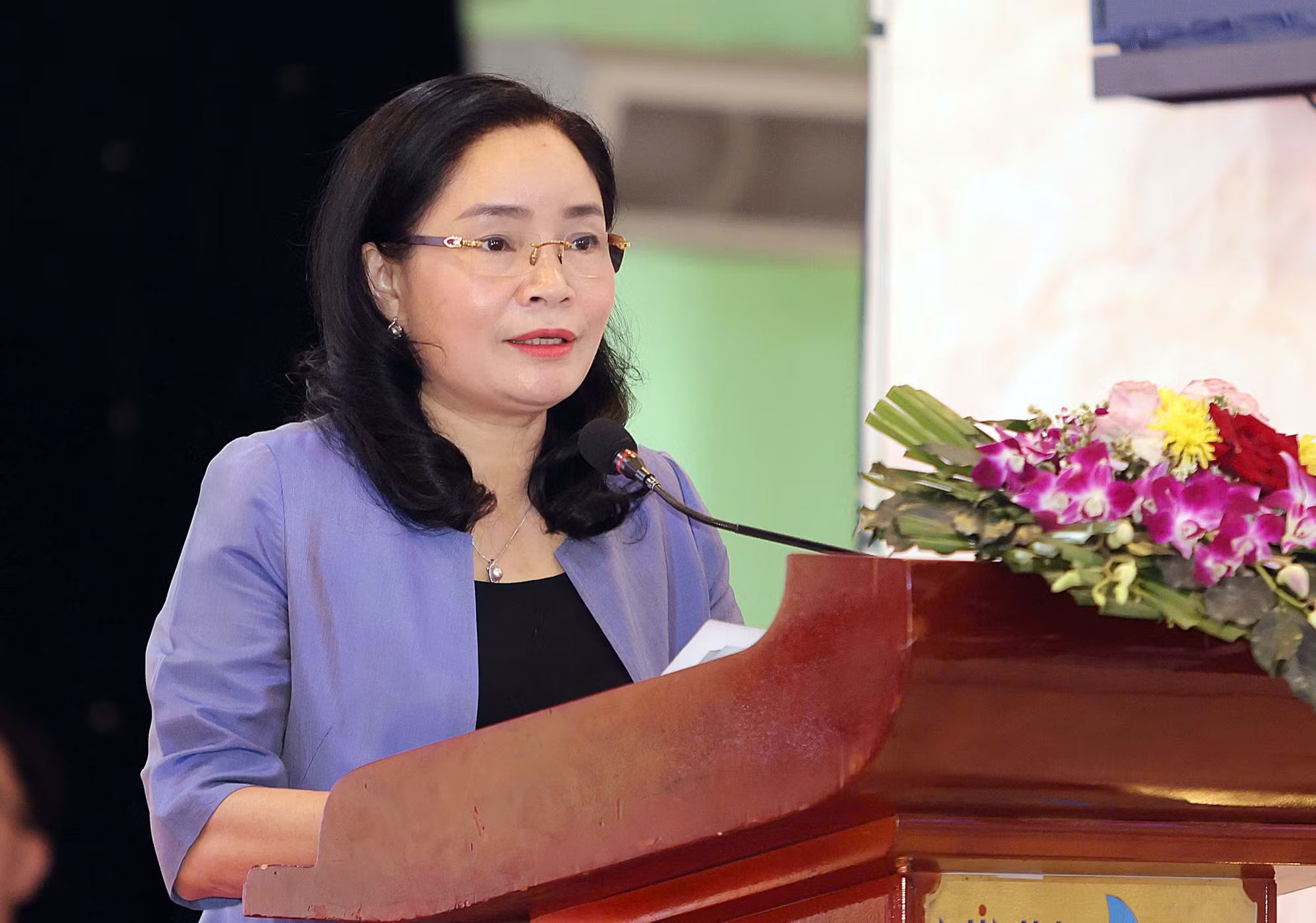
Ms. Trinh Thi Thuy, Deputy Minister of Culture, Sports and Tourism, emphasized that the conference is an opportunity to objectively and comprehensively assess the current state of conservation and promotion of the traditional cultural values of the Khmer ethnic group over the past period; clarifying the achievements, limitations, difficulties, and causes. At the same time, it is also a forum for ministries, departments, localities, scientists, artisans, religious leaders, and representatives of the Khmer ethnic group to exchange experiences, propose appropriate models and solutions, and promote the traditional cultural values of the Khmer people in practice.
Through this, we aim to unify understanding and action throughout the entire political system regarding the role and significance of Khmer cultural preservation; recognizing that this is not only a cultural task but also an important political and social task, contributing to strengthening national unity and sustainable national development.
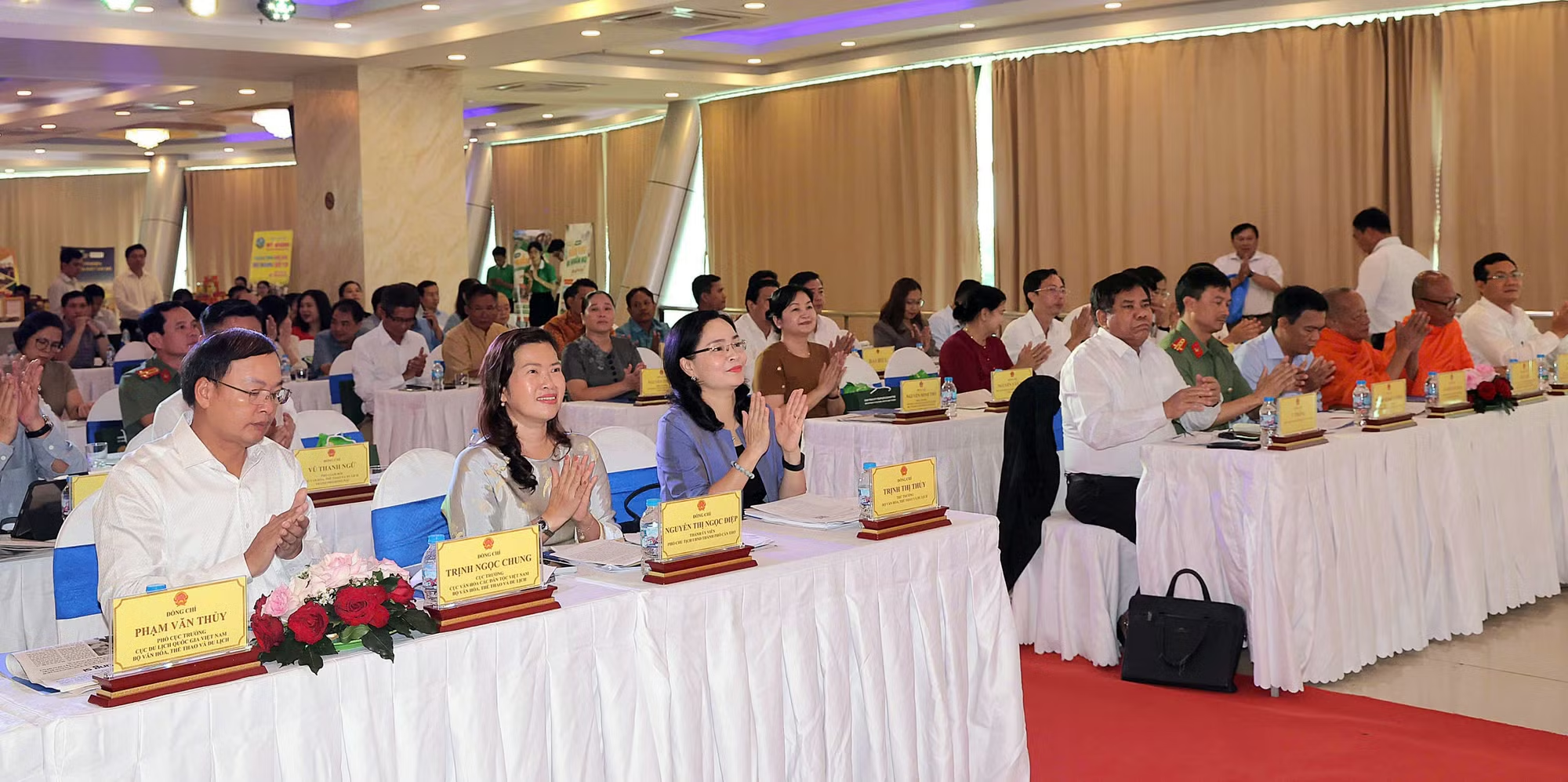
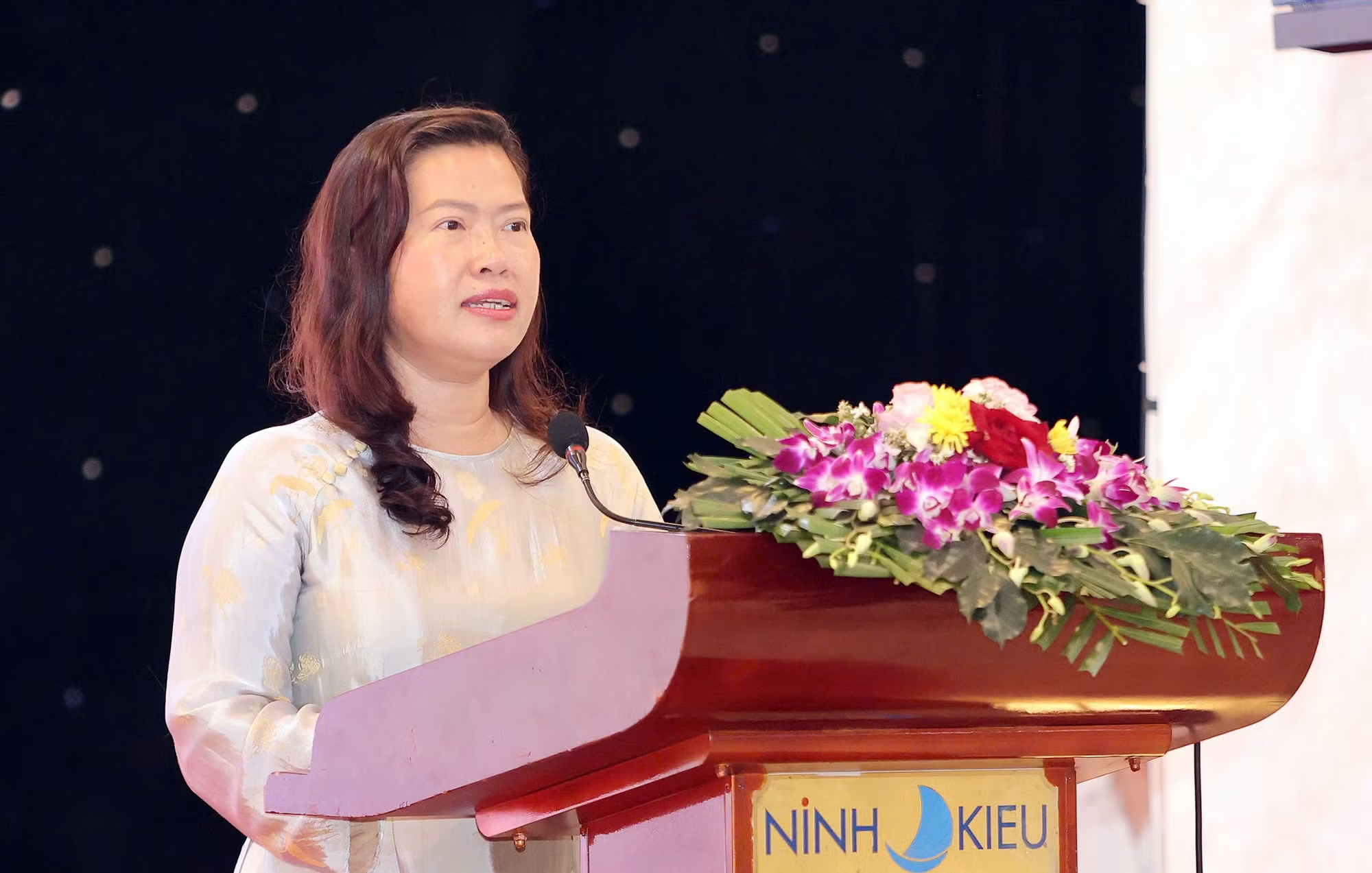
According to Ms. Nguyen Thi Ngoc Diep, Vice Chairman of the People's Committee of Can Tho City, Can Tho City was formed by rearranging the entire natural area and population of Can Tho City, Soc Trang Province, and Hau Giang Province. Can Tho City has a large ethnic minority population, with the Khmer ethnic group comprising 543,266 people, accounting for 14.11% of the city's population. Currently, Can Tho City has 120 Khmer Theravada Buddhist temples; 6 ethnic minority artisans have been awarded the titles of "People's Artisan" and "Outstanding Artisan" in the field of intangible cultural heritage by the President of Vietnam; and 16 intangible cultural heritage sites.
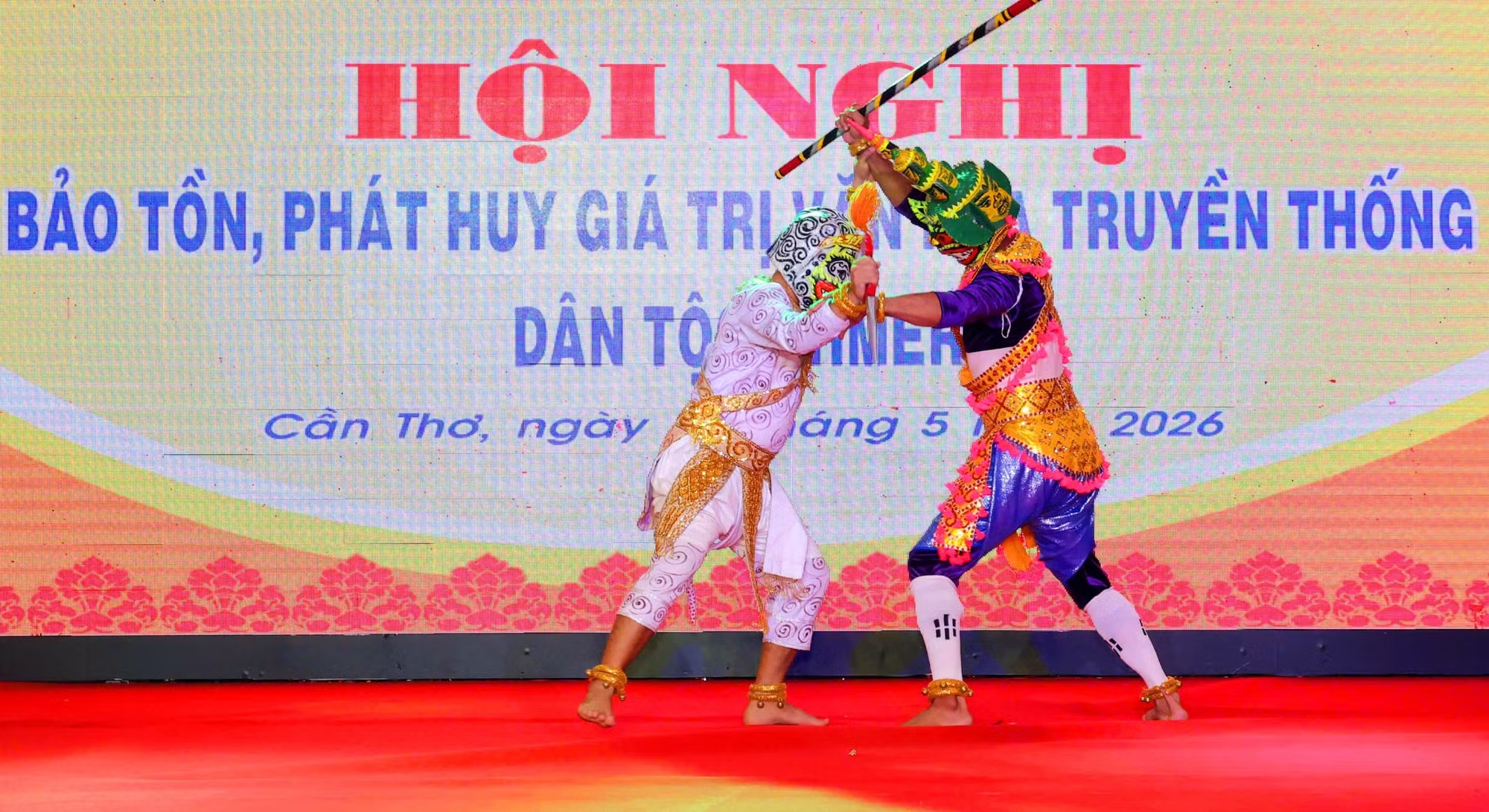
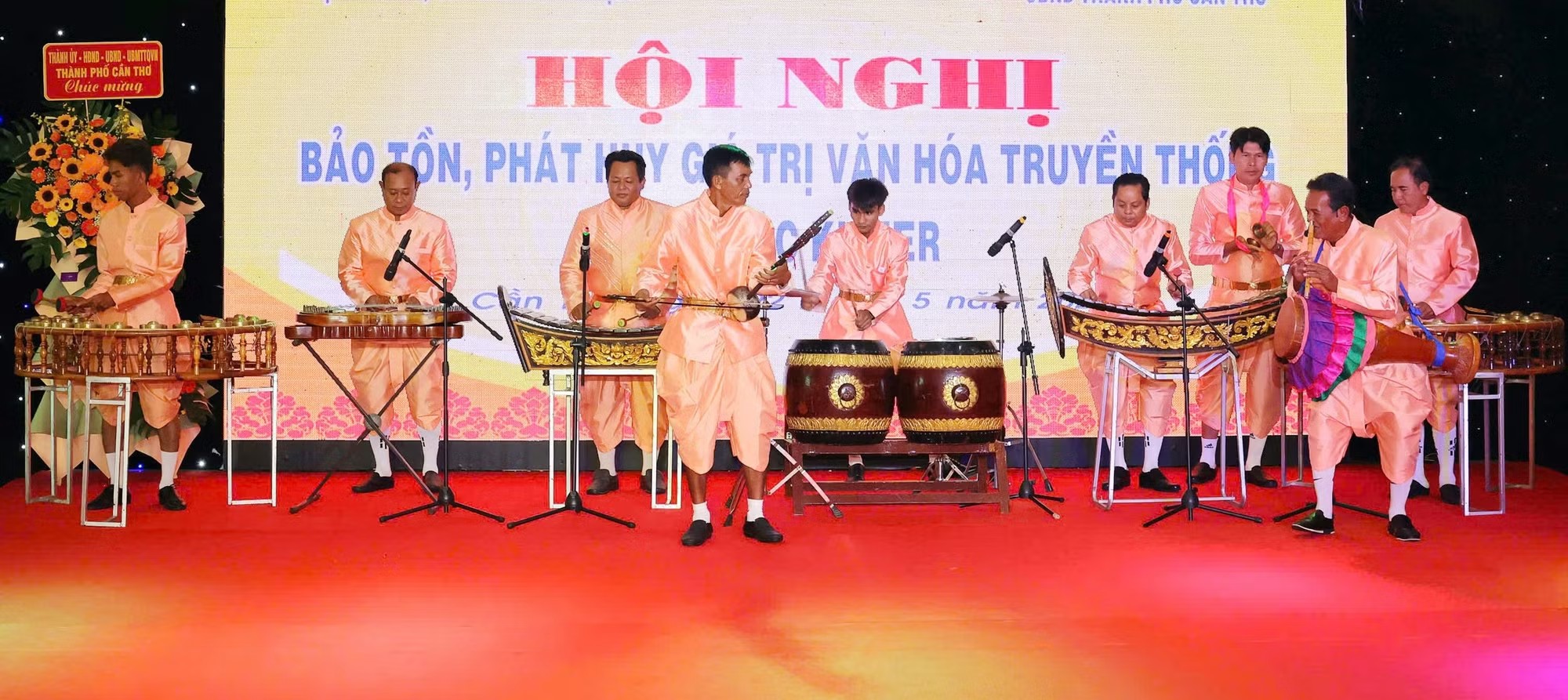
The Vice Chairman of the People's Committee of Can Tho City emphasized that the preservation and promotion of the traditional cultural values of the Khmer ethnic group has always been a priority for Can Tho City, creating favorable conditions for its preservation and development. Over the years, Party committees and authorities at all levels in the city have implemented comprehensively and effectively the Party's guidelines and policies, and the State's laws on ethnic affairs and ethnic policies, especially national target programs, with a focus on the socio-economic development program for ethnic minority and mountainous areas; specific policies to support socio-economic development in ethnic minority areas; and policies for influential figures among ethnic minorities, etc.
At the same time, attention should be paid to caring for the material and spiritual lives, creating jobs and favorable conditions for ethnic minorities in general, and the Khmer people in particular, so that they can work and produce with peace of mind, develop their family economies, contribute to socio-economic development, maintain security and order in ethnic minority areas, strengthen national unity and build a strong grassroots political system.
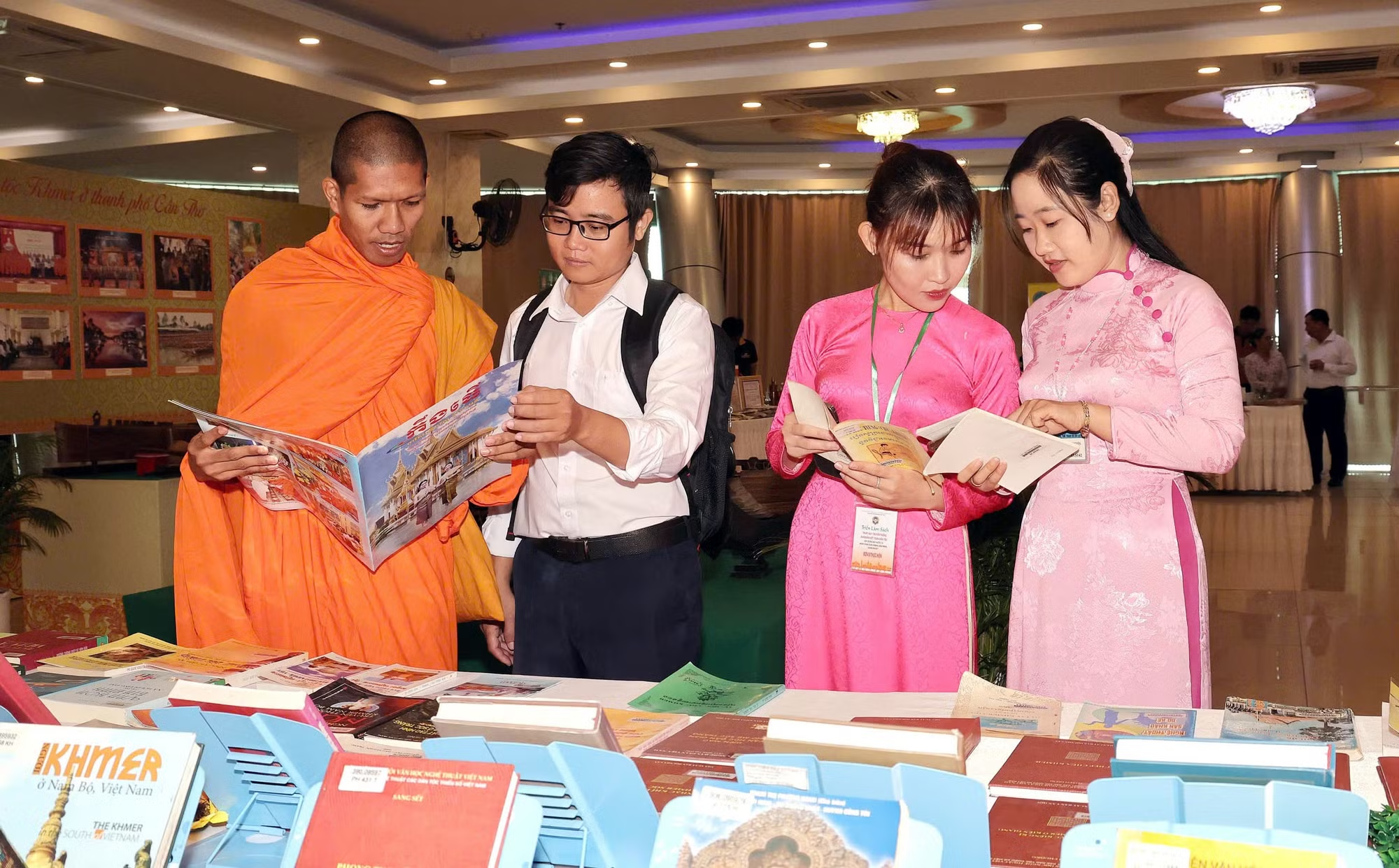
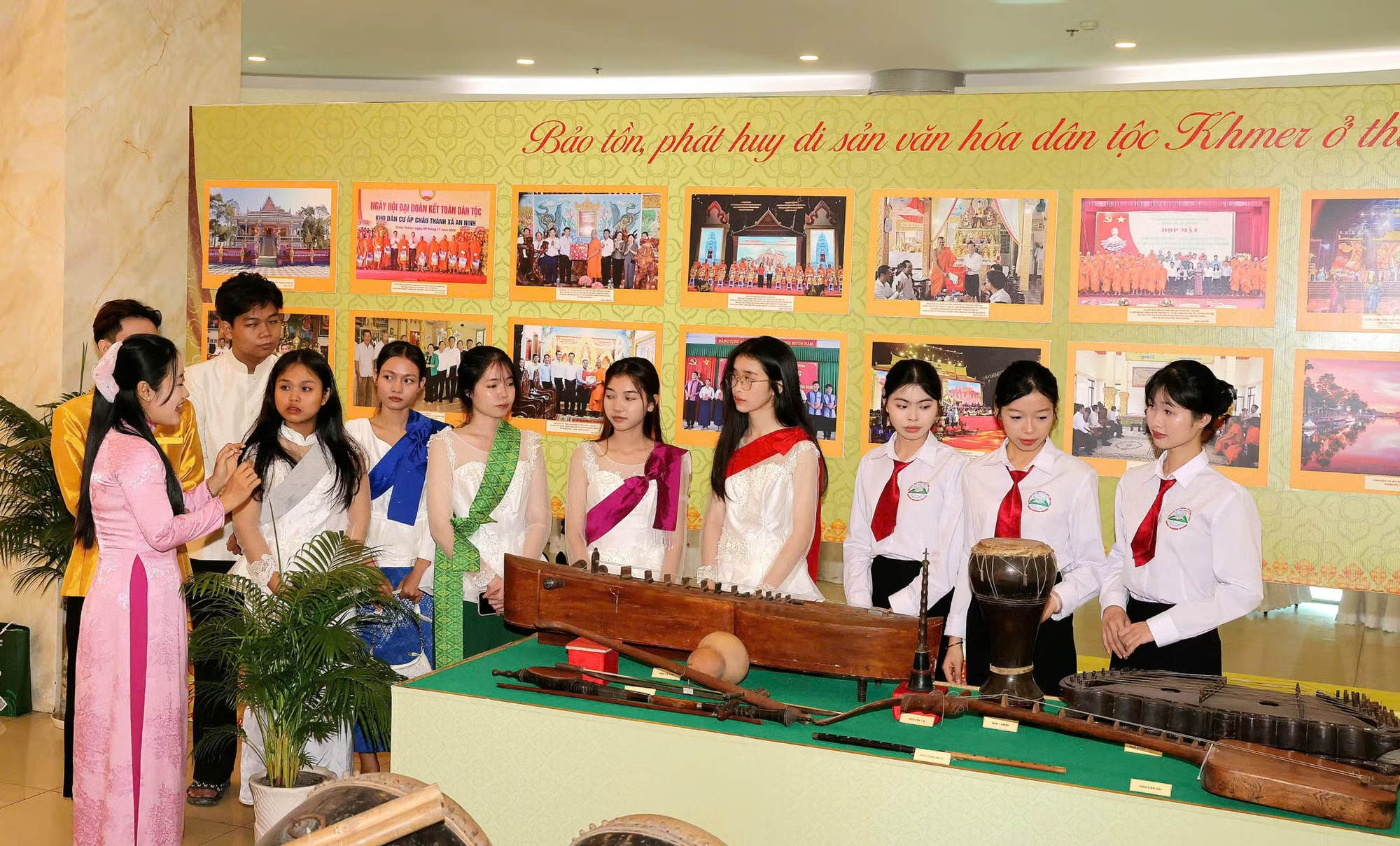
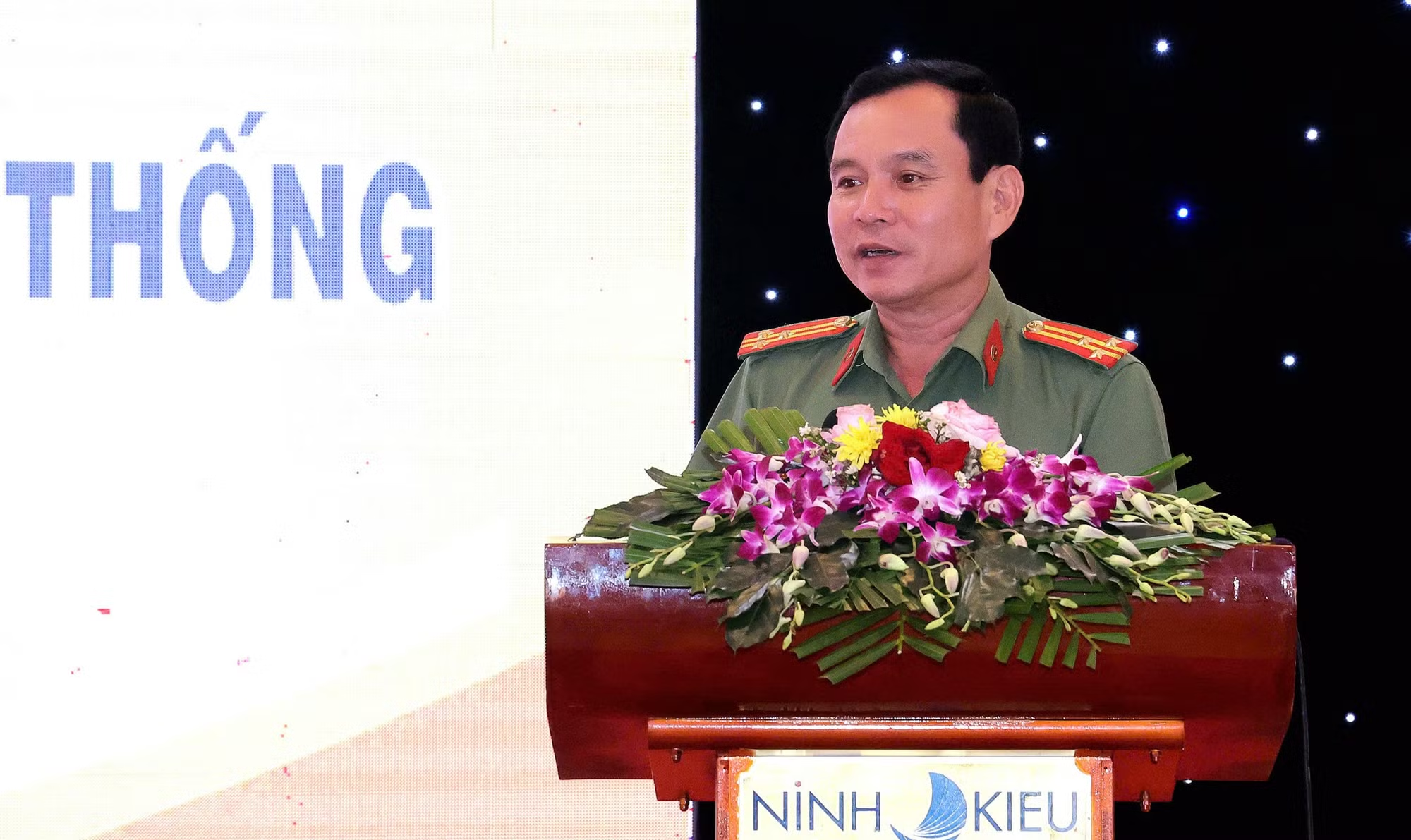
At the conference, the leaders of the Department of Internal Security - Ministry of Public Security presented a thematic report on ensuring security and order and preserving the traditional culture of the Khmer ethnic group.
Source: https://cand.vn/bao-ton-phat-huy-gia-tri-van-hoa-truyen-thong-dan-toc-khmer-post811623.html














![[Photo] Reception to welcome General Secretary and President To Lam and his wife on their State visit to the Philippines](https://vphoto.vietnam.vn/thumb/1200x675/vietnam/resource/IMAGE/2026/06/01/1780295488620_vna-potal-chieu-dai-chao-mung-tong-bi-thu-chu-tich-nuoc-to-lam-va-phu-nhan-tham-cap-nha-nuoc-toi-philippines-8798060-7855-jpg.webp)














































Comment (0)