

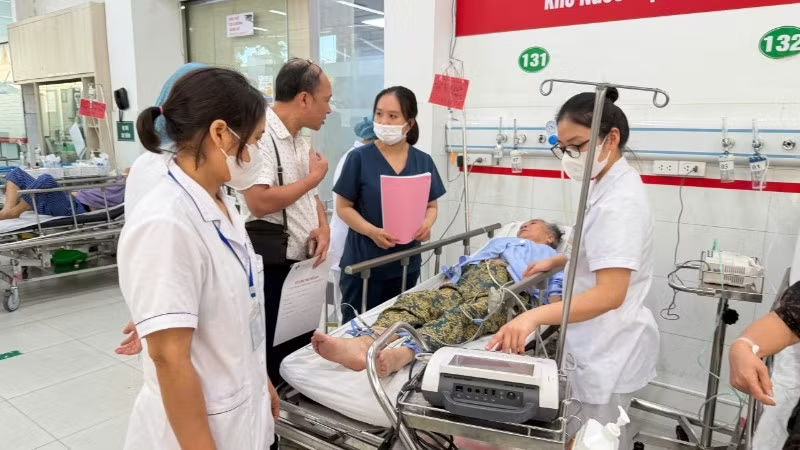
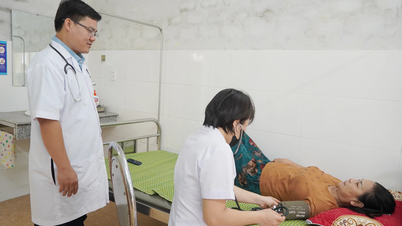
It was only 10 a.m., but the sun was already scorching, and the temperature had risen sharply. The A9 Emergency Center at Bach Mai Hospital was continuously receiving emergency cases, including people brought in by family members from within the city and those transferred from lower-level hospitals… all were promptly categorized to "clear" the reception area as quickly as possible.
Dr. Dang Tuan Dung from the A9 Emergency Center said: "On average, the center receives about 250 emergency patients each day. However, during peak hot weather days, this number increases to 300 cases per day. Although we don't have exact statistics, the number of cases related to the heat is quite high."
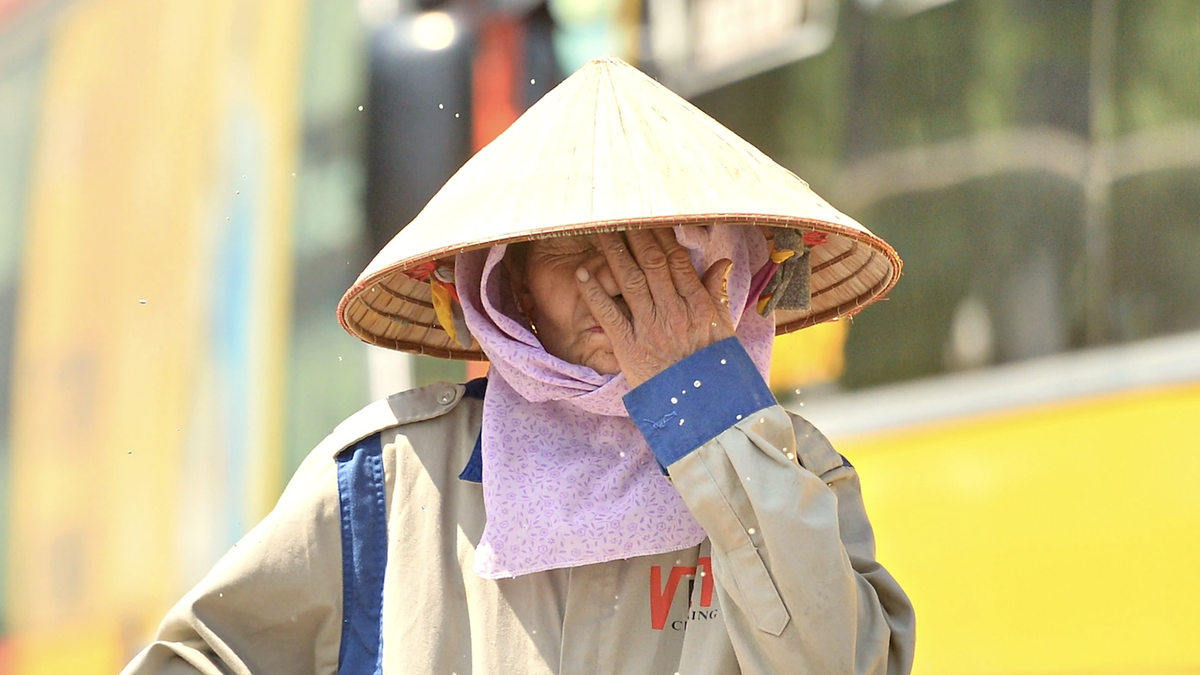
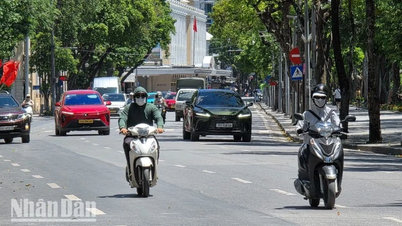
According to Doctor Dung, between 12 and 3 PM, when the temperature peaks, frequently exceeding 40 degrees Celsius, it significantly impacts health, increasing problems such as sunburn, cramps, fainting, and heatstroke. The most dangerous of these is heatstroke, and this is also the time when the most heat-related emergency cases are received.
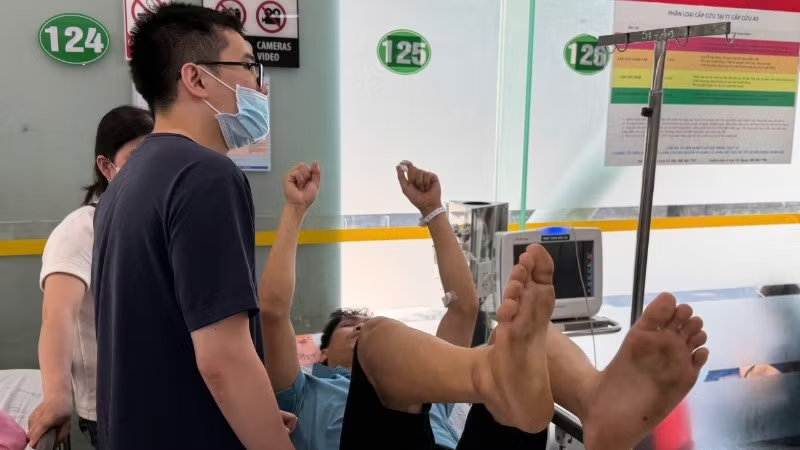
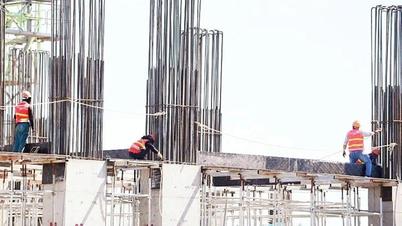
Notably, the majority of emergency patients during this period were young people of working age, brought in exhausted and profusely sweating. Some cases involved hyperthermia due to heatstroke, with more severe cases potentially leading to coma or seizures. For example, a male worker was admitted after working outdoors in the hot sun for an extended period. The patient was exhausted and severely dehydrated, diagnosed with rhabdomyolysis and acute renal failure due to dehydration. After receiving first aid, having his body temperature lowered on-site, and being transferred to the hospital, the patient received intravenous fluids, treatment for acute rhabdomyolysis, and temperature control. His health is now stable.
Besides young people, the elderly or those with underlying health conditions are also at high risk of complications during hot weather and high outdoor temperatures. For those with underlying conditions, hot weather can worsen their condition or trigger an acute flare-up.
Regarding warning signs, Dr. Dang Tuan Dung pointed out that people suffering from heatstroke or heat exhaustion often exhibit symptoms such as excessive sweating, muscle pain, muscle weakness, cramps, dizziness, headache, fatigue, nausea, or fainting. When body temperature rises to 39-40 degrees Celsius, the skin becomes hot and dry, accompanied by altered consciousness such as delirium, convulsions, or coma, these are signs of a worsening condition requiring immediate emergency treatment.
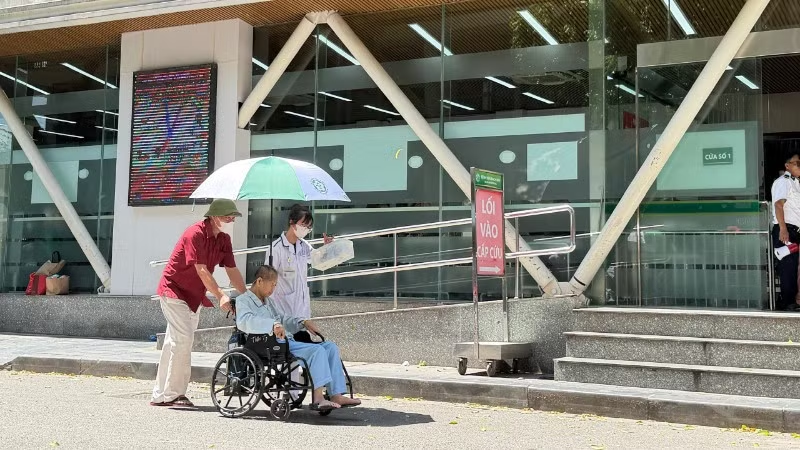
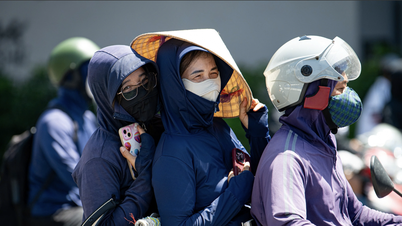
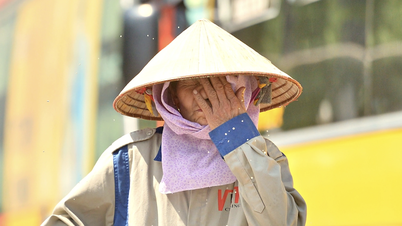
To effectively prevent the health effects of heat, people should limit going outside or working for extended periods during peak hours of intense heat, especially from late morning to early afternoon; they should schedule breaks in cool, shaded areas and stay well-hydrated. If working or traveling outdoors in the heat is unavoidable, people should wear hats and sun-protective clothing, use physical heat-relief methods, and replenish fluids with electrolytes and oral rehydration solution (ORS).
At the same time, it's necessary to take breaks between sessions so that the body can recover and replenish lost fluids and electrolytes.
Dr. Dung advises that when someone shows signs of dizziness, headache, and fatigue due to heatstroke, they should be quickly moved to a cool place, and given compresses or a fan to lower their body temperature. If the patient is conscious, give them water or oral rehydration solution to replenish electrolytes and have them rest in a safe place. In cases of coma, seizures, or vomiting, they should be placed on their side to ensure an open airway. If cardiac arrest occurs, perform cardiopulmonary resuscitation (CPR) and call emergency services (115) or immediately transfer them to the nearest medical facility.
Source: https://nhandan.vn/benh-nhan-cap-cuu-do-nang-nong-tang-cao-post964775.html


![[Photo] General Secretary and President To Lam presides over the meeting to approve the draft report on the results of the second inspection by the Politburo of the Standing Committee of the Hanoi City Party Committee.](https://vphoto.vietnam.vn/thumb/1200x675/vietnam/resource/IMAGE/2026/05/26/1779789811432_a2-bnd-4430-9620-jpg.webp)

















































































Comment (0)