

After more than two months of operating under the new government apparatus, Dong Nai is entering a phase of shaping its development strategy, leveraging opportunities to combine resources, identifying bottlenecks to overcome, and gradually transforming its potential into a driving force to become one of the four largest economic centers in Vietnam, second only to Ho Chi Minh City, Hanoi, and Hai Phong.
 |
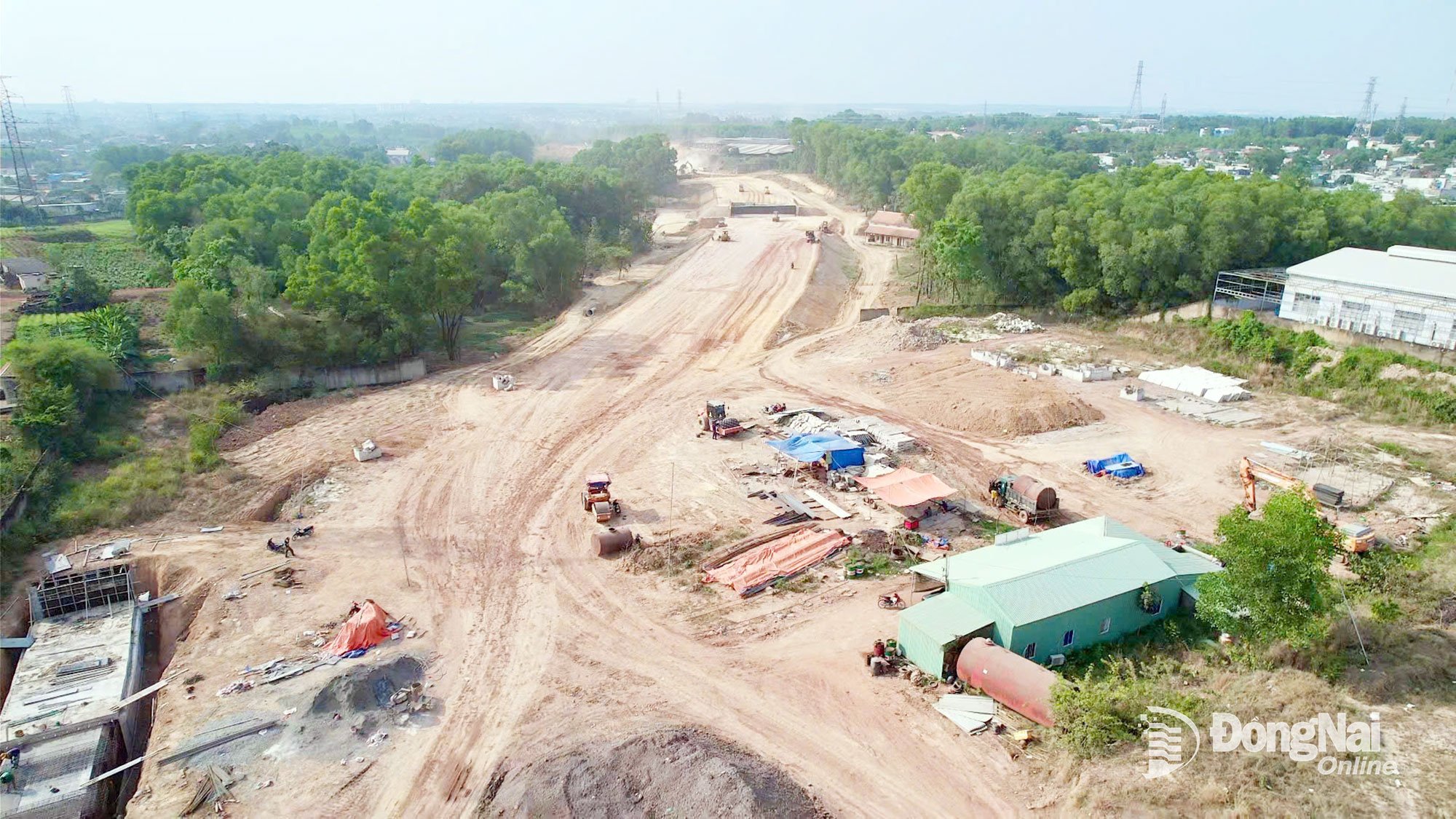 |
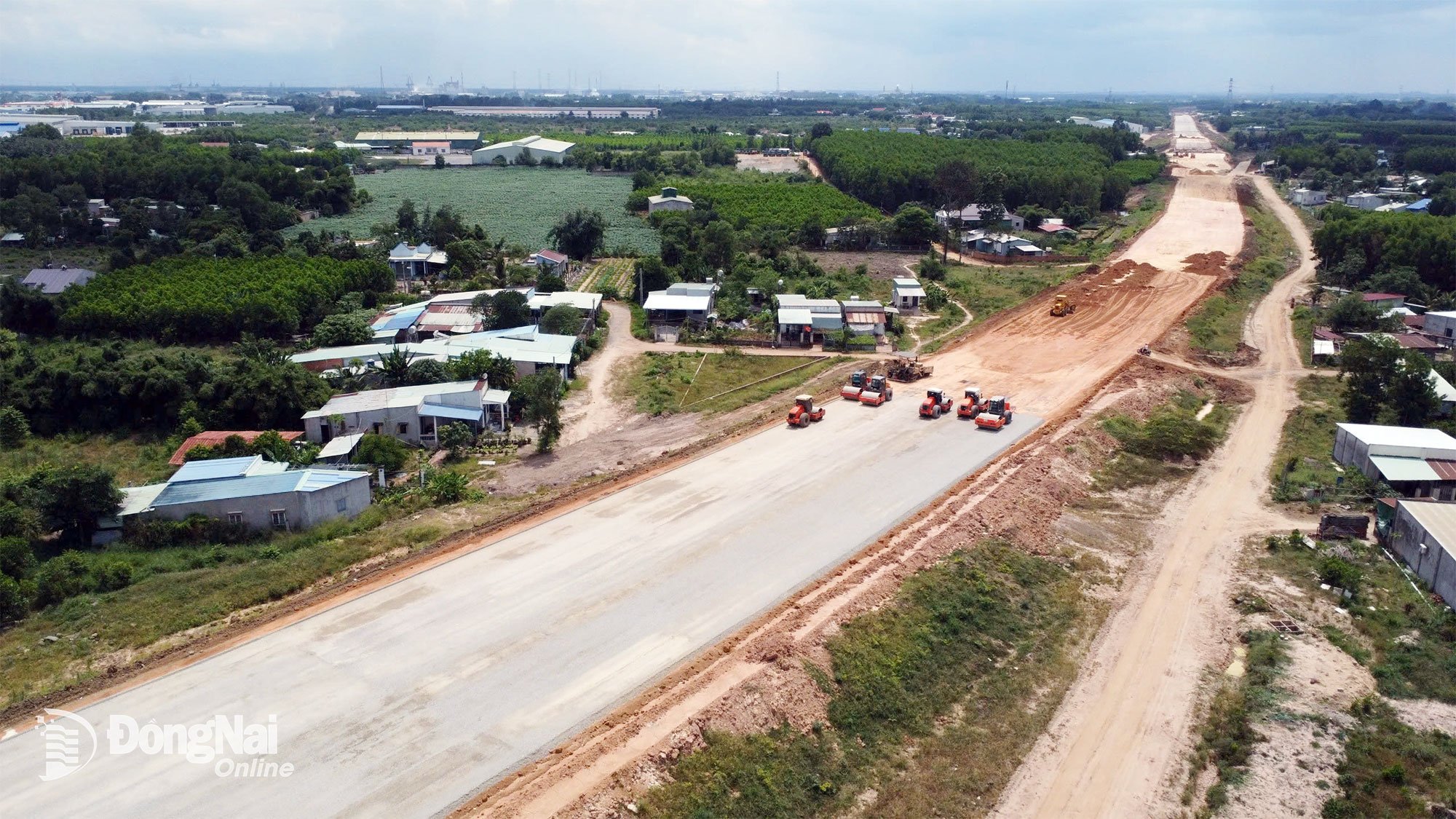
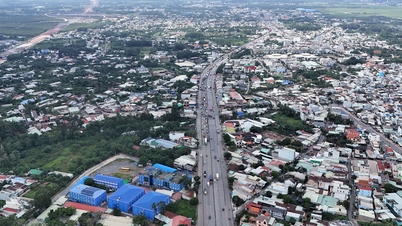
| Efforts are being made to accelerate the progress of the Bien Hoa - Vung Tau expressway project, specifically the section passing through Dong Nai province . (Photo: Contributor) |
Strategically located at the intersection of key economic regions: the Southeast, South Central, Central Highlands, and Mekong Delta, Dong Nai province possesses all the elements of a border-inland region, with great potential for sustainable industrial development, high-tech agriculture , border trade, logistics, and modern services associated with Long Thanh International Airport, river ports, inland container depots (IDC), and smart cities.
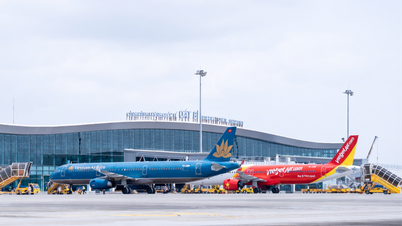
According to experts, Dong Nai has a diverse, multimodal transportation network (air, road, rail, and waterway) with Long Thanh Airport as Vietnam's international air gateway and Phuoc An Port as a major seaport center of the country. However, overall, transportation infrastructure remains a "bottleneck" hindering the province's development for a long time.
Dr. Tran Du Lich, a member of the National Monetary Policy Advisory Council and a member of the Socio-Economic Advisory Group of Dong Nai province, believes that to fully utilize the potential and strengths of the locality, Dong Nai needs to prioritize investment in a transportation system connecting the Dong Xoai to Bien Hoa route to effectively exploit the vast land area in the northern part of the province. Simultaneously, Dong Nai is developing its strengths in airports and seaports linked to border crossings. Therefore, if a railway line from Ho Chi Minh City to the border crossing and a highway to Chon Thanh are established soon, this system will create a strong impetus for the province's development.
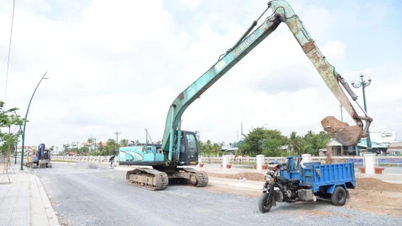
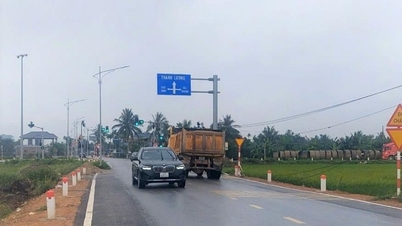
Identifying "bottlenecks" to create breakthroughs, the Party Committee and government of Dong Nai province have determined that 2025 will be the year of investment in infrastructure, creating a solid foundation for double-digit economic growth. Along with this directive, the province has taken decisive action. Currently, Dong Nai is likened to a "massive construction site" with 10 expressways and an extensive provincial transportation system that has been, is being, and will be implemented.
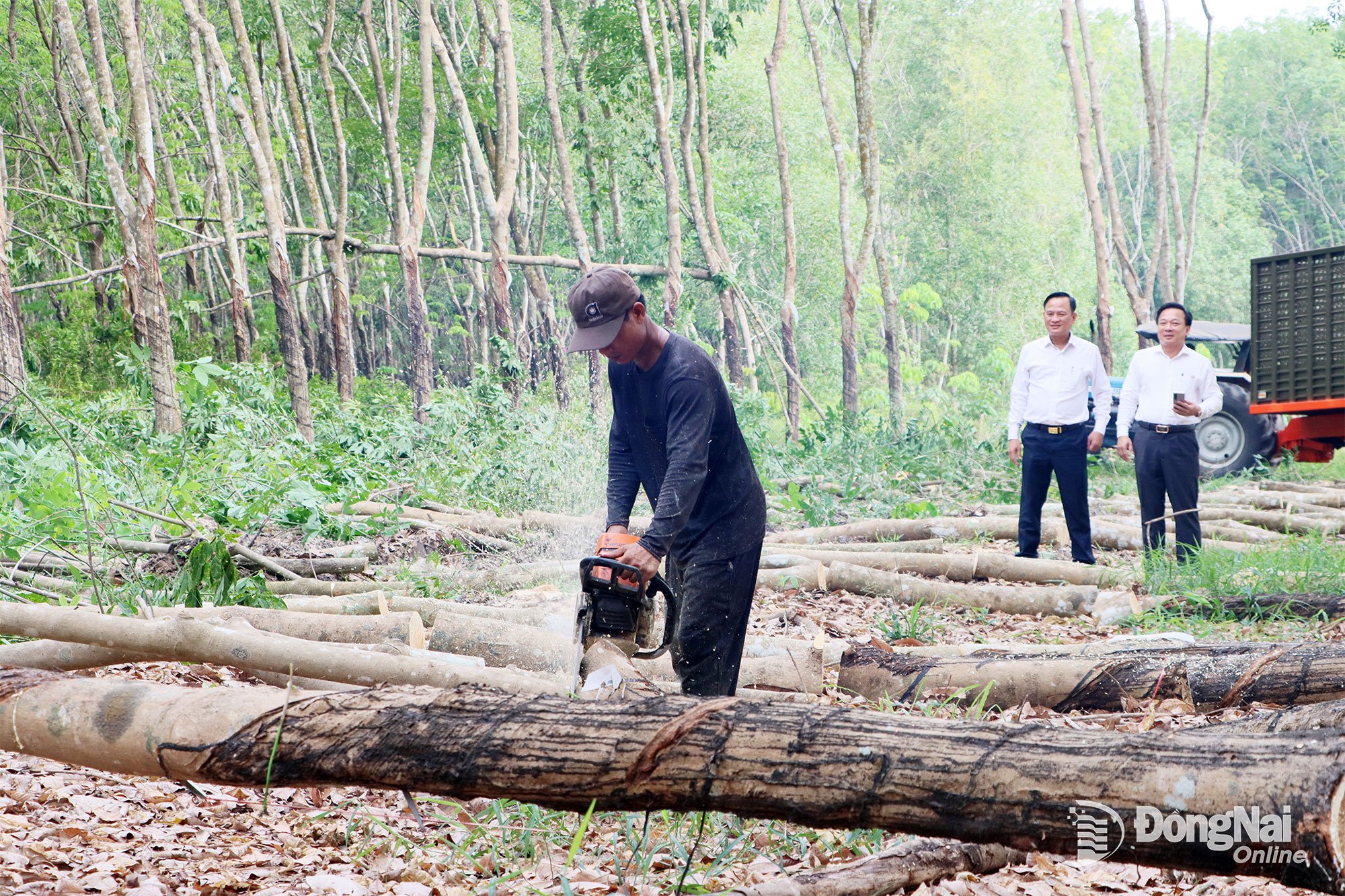 |
| Residents of Chơn Thành ward are clearing their 15-year-old rubber plantations to hand over the land for the construction of the Ho Chi Minh City - Thủ Dầu Một - Chơn Thành expressway. Photo: Xuân Túc |
At several key transportation projects such as the Ho Chi Minh City Ring Road 3, the Bien Hoa - Vung Tau Expressway, and connecting routes to Long Thanh Airport, Cai Mep - Thi Vai Port, and industrial and urban areas, contractors are organizing construction in "3 shifts, 4 teams," braving the sun and rain to accelerate project progress.
In the northern region, the Ma Da Bridge construction project, connecting the province, is progressing according to schedule, with over 70% of the land already handed over to the construction unit. This rapid pace is continuing in the Gia Nghia - Chon Thanh and Ho Chi Minh City - Thu Dau Mot - Chon Thanh expressway projects, where investors and local authorities are working urgently to complete the inventory and survey of houses and assets on the land by the end of September; and to complete compensation and land clearance work in 2025, in accordance with the provincial leadership's directives.
Besides accelerating the implementation of key transportation projects that have been and are being invested in, the province will prioritize the development of a plan to expand transportation infrastructure connecting to the former Binh Phuoc areas in order to exploit the potential of the vast land resources, open up opportunities to promote socio-economic development, and transform "potential" into "advantage" to attract investors and create a stable source of budget revenue for the province.
Comrade Ho Van Ha, Provincial Party Committee member, Vice Chairman of the Provincial People's Committee
Focusing on resolving land clearance bottlenecks and accelerating the progress of key projects has promptly unlocked public investment capital, creating a ripple effect for the province's economic growth. In August 2025 alone, Dong Nai disbursed nearly 4.8 trillion VND. To date, the total public investment capital disbursed in the province has reached over 13.5 trillion VND, exceeding 36% of the plan. Thanks to the strenuous efforts of the entire political system, in the first seven months of the year, the province's economic picture has shown impressive growth in many indicators; in particular, the trade balance continues to maintain a surplus of 4.4 billion USD; the Gross Regional Domestic Product (GRDP) maintains a growth rate of over 8% compared to the same period in 2024, placing it among the leading localities nationwide.
Removing administrative procedural "barriers".
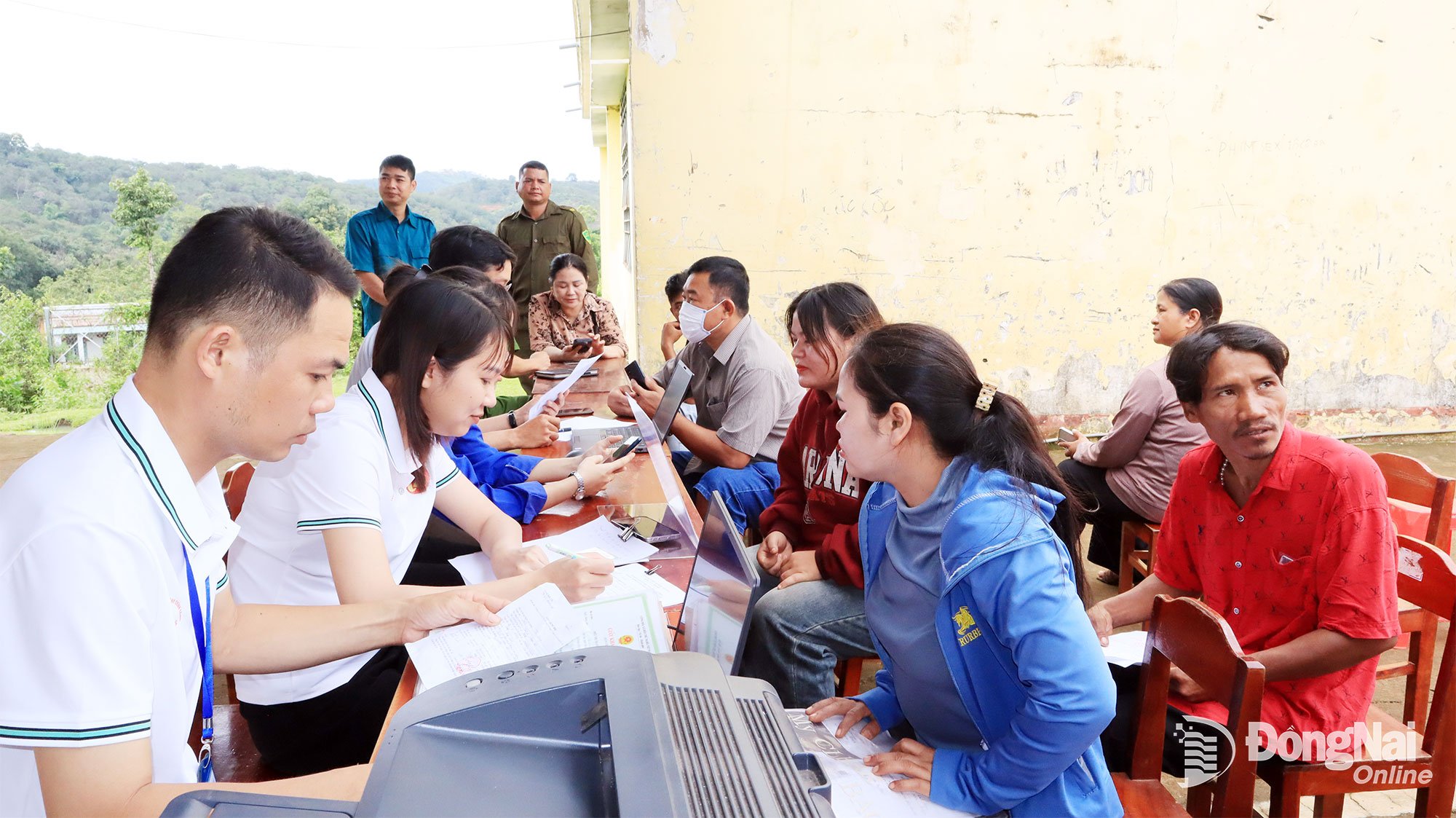 |
| The mobile public administrative service center model in Bu Dang commune has been highly appreciated by residents and businesses. Photo: Xuan Tuc |
One of the fundamental solutions that the provincial leadership is particularly focusing on is improving the capacity of cadres, civil servants, and public employees; promoting administrative reform, and creating a transparent mechanism to better serve the people and businesses.
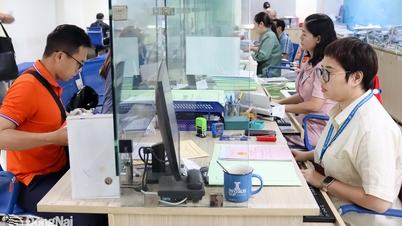
In Bu Dang commune, what has particularly impressed residents and businesses since the implementation of the two-tiered local government system is the commune government's proactive approach in developing a mobile public administrative service center. Besides the prompt guidance and resolution of administrative procedures, the cheerful and friendly service attitude of the officials and staff has created a very positive impression on the people and businesses.
According to Nguyen Thanh Tung, Chairman of the People's Committee of Bu Dang commune: "The new administrative system is a service-oriented one, so it is absolutely essential for the government to proactively reach out to the people and businesses and treat them as customers."
“Besides ensuring that citizens' procedures and documents are processed directly, quickly, and according to their wishes, officials also go to the grassroots level to listen to the opinions, suggestions, concerns, and desires of the people and businesses. Based on these thoughts and aspirations, the commune leaders will direct specialized agencies to advise and resolve issues promptly. This is also one of the criteria we consider when evaluating the capacity of officials and civil servants in our unit,” Mr. Tung affirmed.
At the Dong Phu Commune Public Administrative Service Center, officials and civil servants handle hundreds of applications and procedures for citizens and businesses every day, so delays in delivering results are unavoidable. However, instead of making promises as before, the new commune government has required officials and civil servants who are late in delivering results to citizens and businesses to write a letter of apology, stating the reason for the delay and asking for understanding and sympathy.
According to Ngo Sy Quyen, Deputy Director of the Dong Phu Commune Public Administrative Service Center: The center has proactively advised the Commune People's Committee to implement apology letter templates to apologize to citizens and businesses in cases of delayed processing of documents, regardless of subjective or objective reasons. In addition, the center also directly calls and even meets with citizens and businesses to apologize, aiming to improve the spirit of receptiveness and service attitude.
Thanks to the decisive implementation of numerous solutions to strengthen administrative reform, comprehensive digitalization, and ensuring professionalism, dynamism, transparency, speed, and efficiency, by the end of August 2025, Dong Nai province had risen to 3rd place out of 34 provinces and cities nationwide in the index of serving citizens and businesses, according to the National Public Service Portal, with 85.75 points. The province also ranks among the top in the country in attracting FDI capital with 219 projects and a total investment of over 1.8 billion USD.
Regarding administrative reform efforts, the Provincial People's Committee recently issued a plan to build and implement a friendly government model with "4 requests, 4 always, and 5 no's" in 100% of communes and wards. The "4 requests" include: saying hello, apologizing, thanking, and asking permission; the "4 always" include: always smiling, always gentle, always listening, and always helping; and the "5 no's" include: no authoritarianism, arrogance, causing difficulties or inconvenience; no bureaucracy, indifference, or irresponsibility; no corruption, waste, or group interests; no flattery, lobbying, or deception; and no abuse of position or power in implementation.
official duties.
The Provincial People's Committee has also requested that communes and wards publicly display the phone numbers of the Party Committee Secretary, Deputy Secretary, Chairman, and Vice Chairman of the People's Committee, as well as commune-level officials and civil servants. At the same time, they are required to post a list of administrative procedures and suggestion boxes at their offices, or publicly disclose similar information on their websites and social media so that citizens can directly assess the effectiveness of public service and the handling of administrative procedures by officials and civil servants.
XT
Source: https://baodongnai.com.vn/kinh-te/202509/bien-diem-nghen-thanh-dot-pha-9d014d3/
![[Image] "Journey of Hope" promotes the organ and tissue donation movement in Vietnam.](https://vphoto.vietnam.vn/thumb/1200x675/vietnam/resource/IMAGE/2026/05/20/1779294400833_1-8910-jpg.webp)
![[Photo] National Assembly Chairman Tran Thanh Man working with the Standing Committee of the National Assembly's Delegation Affairs Committee.](https://vphoto.vietnam.vn/thumb/1200x675/vietnam/resource/IMAGE/2026/05/20/1779294340023_ndo_br_1-1691-jpg.webp)
![[Photo] General Secretary and President To Lam works with the Party Committee of the Ministry of Health on the work of Vietnamese traditional medicine.](https://vphoto.vietnam.vn/thumb/1200x675/vietnam/resource/IMAGE/2026/05/20/1779294323718_a1-bnd-2978-3319-jpg.webp)


























































Comment (0)