


Shaping a new approach to strategic technology.
In June 2025, the Prime Minister signed Decision No. 1131/QD-TTg on the List of Strategic Technology Groups and Strategic Technology Products. This is an important step in identifying priority areas to focus resources on the development of science , technology, and innovation in the new period.
However, along with the implementation of Resolution No. 57-NQ/TW of the Politburo , the requirement for national development towards double-digit economic growth has placed new demands on the selection and development of strategic technologies.
Based on the review process, the Ministry of Science and Technology has advised on the development of a strategic technology list that focuses more effectively on areas with the potential to significantly impact economic growth, competitiveness, national defense, security, and strategic autonomy. Simultaneously, the new list also includes key infrastructure sectors with long-term significance for national development, such as high-speed rail and urban rail technology.
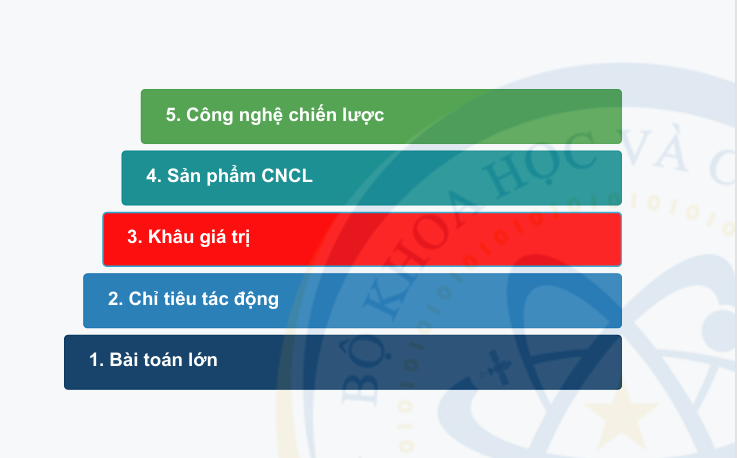
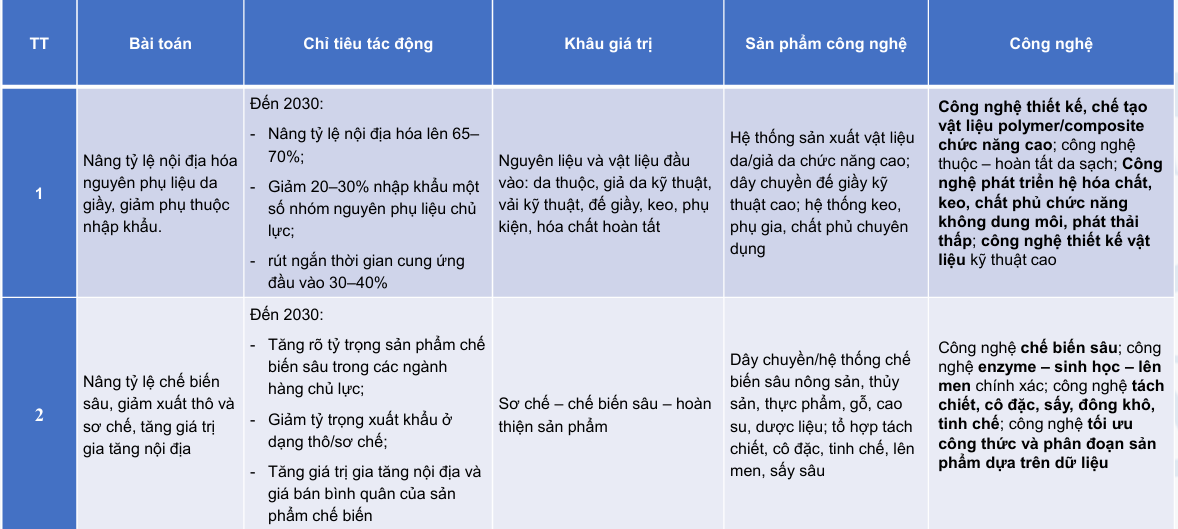
Based on that, on April 30, 2026, the Prime Minister issued Decision No. 21/2026/QD-TTg on the List of Strategic Technologies and the List of Strategic Technology Products, replacing the previous Decision No. 1131.
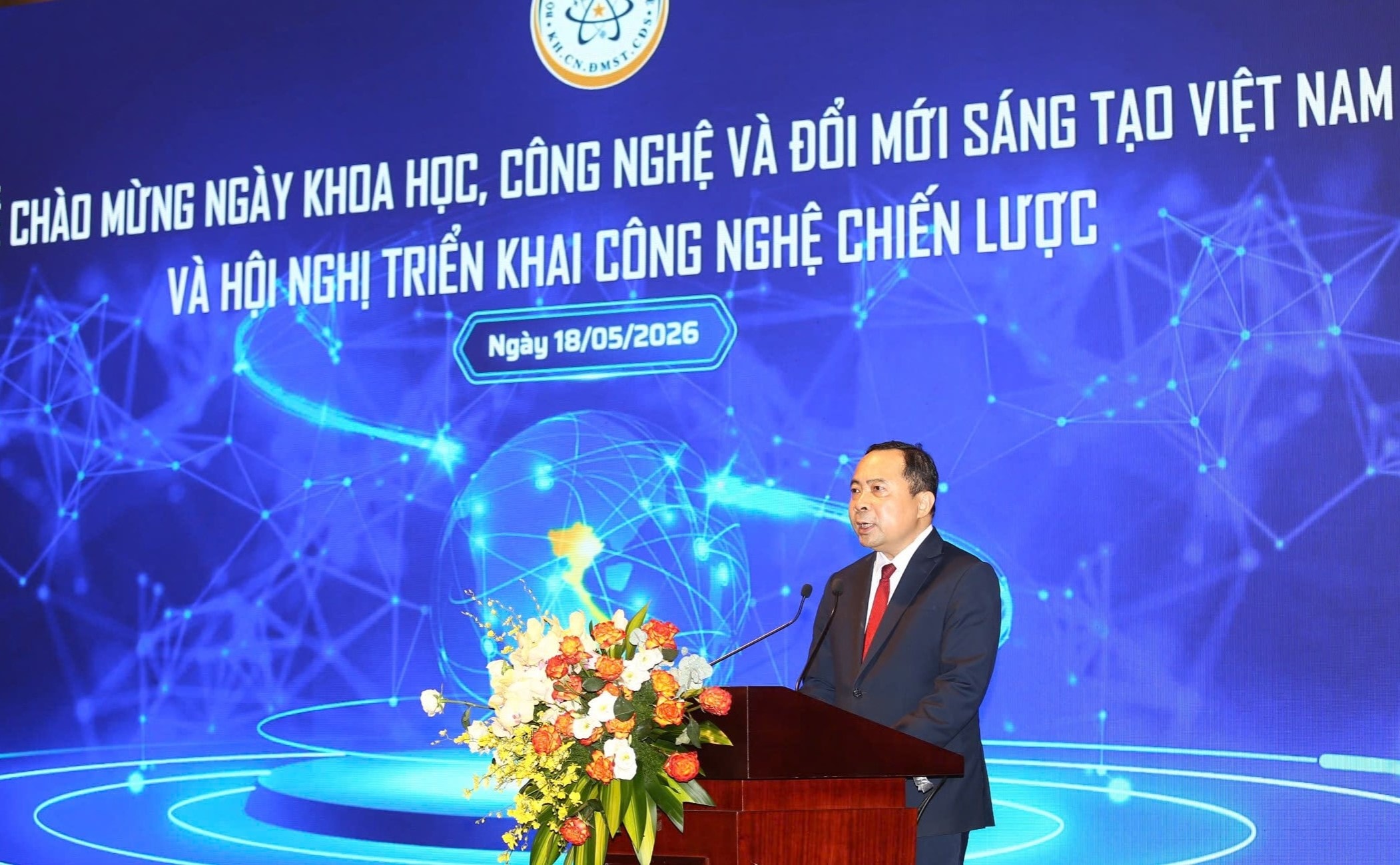
According to Mr. Luu Quang Minh, Deputy Director of the Department of Science, Technology and Engineering, Ministry of Science and Technology, this document is significant in establishing a national priority framework for strategic technologies, serving as a basis for ministries, sectors, localities, businesses, research institutes, and universities to orient their research activities and investment in product development. While previously, the identification of priority technologies was mainly based on global technological development trends, now the selection stems from major national, economic, and sectoral challenges.
According to Mr. Minh, strategic technology is not just about cutting-edge technologies, but must be linked to specific strategic technology products, to entities capable of implementation, and to the target market. This approach helps avoid choosing technologies based on trends or investing haphazardly without developing products and technological capabilities with practical value.
Priority technology groups include artificial intelligence, big data, cloud computing, semiconductors, robotics and automation, quantum technology, cybersecurity, advanced biotechnology and biomedical technology, new energy and materials, aerospace, high-speed rail and urban rail.
The portfolio not only focuses on currently rapidly developing technologies, but also targets areas with the potential to lead the future, such as: green hydrogen, energy storage systems, carbon capture technology, small modular nuclear reactors, deep-sea technology, and rare earth processing.
From policy coordination to building an ecosystem for mastering core technologies.
However, according to Mr. Luu Quang Minh, identifying a list of strategic technologies is only the first step. Practical experience shows that if there is only a list of priorities without specific tasks, implementing entities, resources, and mechanisms for evaluating output, it is very difficult to transform policy directions into actual technological capabilities.
That is why, on May 6, 2026, the Prime Minister continued to issue Decision No. 808/QD-TTg on assigning tasks for the development of strategic technologies.
A key new feature of Decision No. 808 is the requirement to deploy strategic technologies in a chain, starting from major national problems, identifying strategic technology products, breaking down core technologies that need to be mastered, selecting implementing entities, and determining outputs, markets, and end-users.
This approach helps overcome the disconnect between scientific research and practical needs, while also facilitating the participation of businesses, research institutes, universities, and regulatory agencies in a unified chain.
According to Decision No. 808, the Prime Minister assigned 10 ministries and central agencies to implement 20 scientific, technological, and innovation tasks related to major national challenges. These include many important tasks such as: developing new generation plant and animal breeds; mastering vaccines; developing personalized healthcare; developing high-speed rail technology; building a smart education platform using artificial intelligence; developing a domestic cloud computing platform; mastering 5G technology; building national self-reliant artificial intelligence capacity; and developing earth observation satellites.
For the Ministry of Science and Technology, the assigned focus is on fundamental tasks aimed at enhancing technological mastery. Specifically, this includes: developing computing and data infrastructure to support artificial intelligence; establishing research and testing centers and national laboratories for strategic technologies; building a system of technical standards and regulations; promoting connections between businesses and research institutes and universities; and supporting intellectual property and the commercialization of research results.
According to Mr. Luu Quang Minh, to achieve technological self-reliance, Vietnam cannot rely solely on individual research projects but needs to build a synchronized ecosystem comprising research infrastructure, data, laboratories, testing centers, technical standards, high-quality human resources, and market-leading enterprises.
These are fundamental conditions for research results to be transformed into products and for those products to enter the market, helping Vietnamese businesses gradually participate more deeply in regional and global value chains.
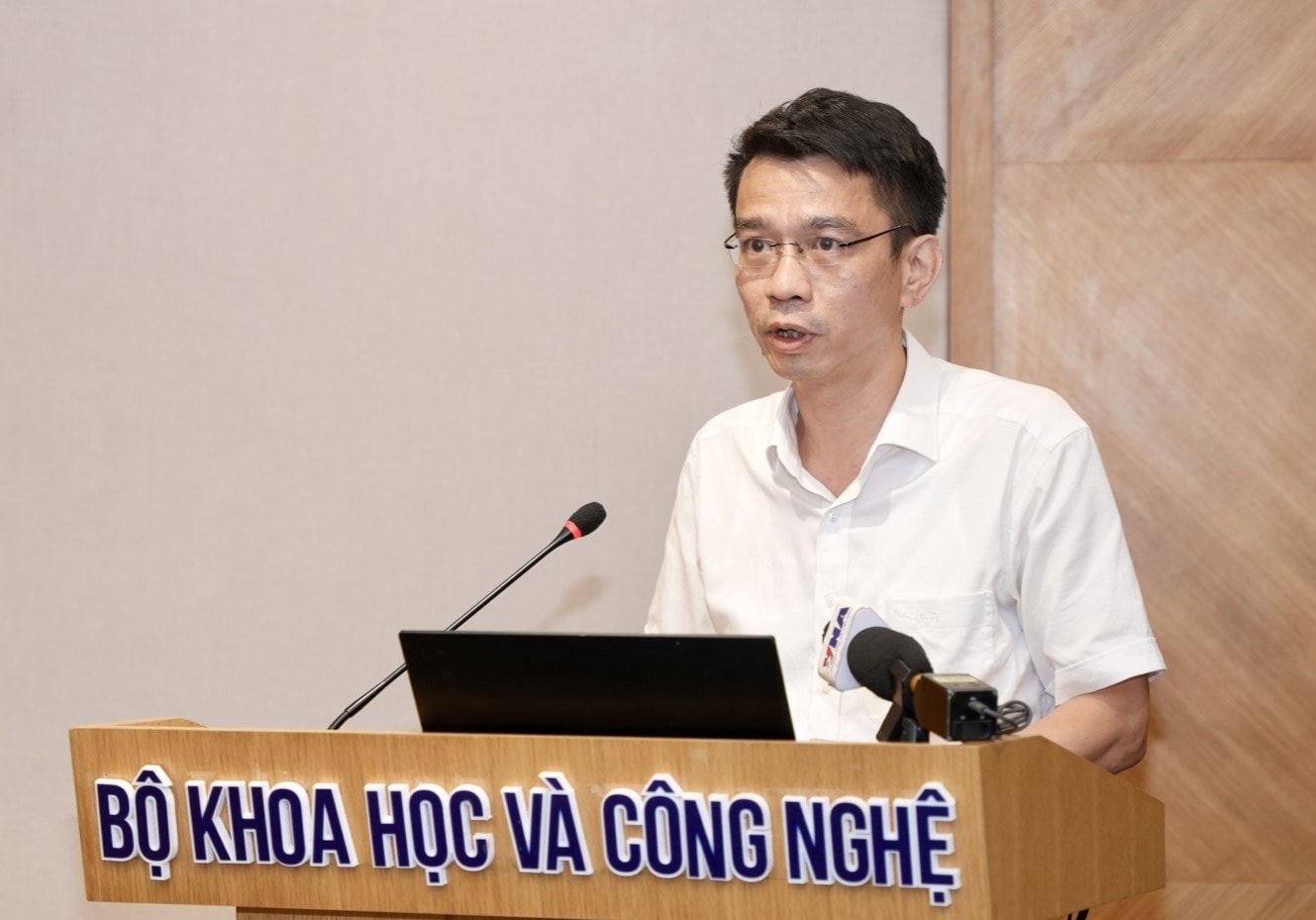
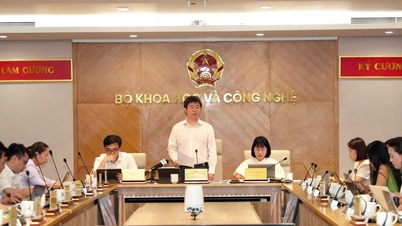
To ensure the implementation progress, the Ministry of Science and Technology is playing the coordinating role. According to Deputy Minister of Science and Technology Bui Hoang Phuong, the Ministry is ensuring the progress of 686 assigned tasks under Resolution No. 57-NQ/TW, while also completing the implementation plan for decisions on strategic technology development and guiding ministries and sectors to organize synchronized implementation.
The Ministry has issued implementation guidelines, gradually establishing a mechanism for ordering the development of strategic technologies; reviewing the standards system; surveying research and testing infrastructure; and simultaneously implementing financial and human resource support mechanisms for the development of strategic technologies.
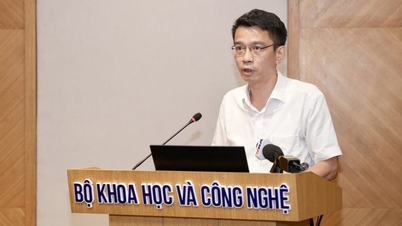
According to Deputy Minister Bui Hoang Phuong, in the next phase, ministries and sectors need to urgently identify major problems and strategic technology product needs within their scope of management, while coordinating to improve mechanisms and mobilize resources to create conditions for Vietnamese enterprises to gradually master strategic technologies.
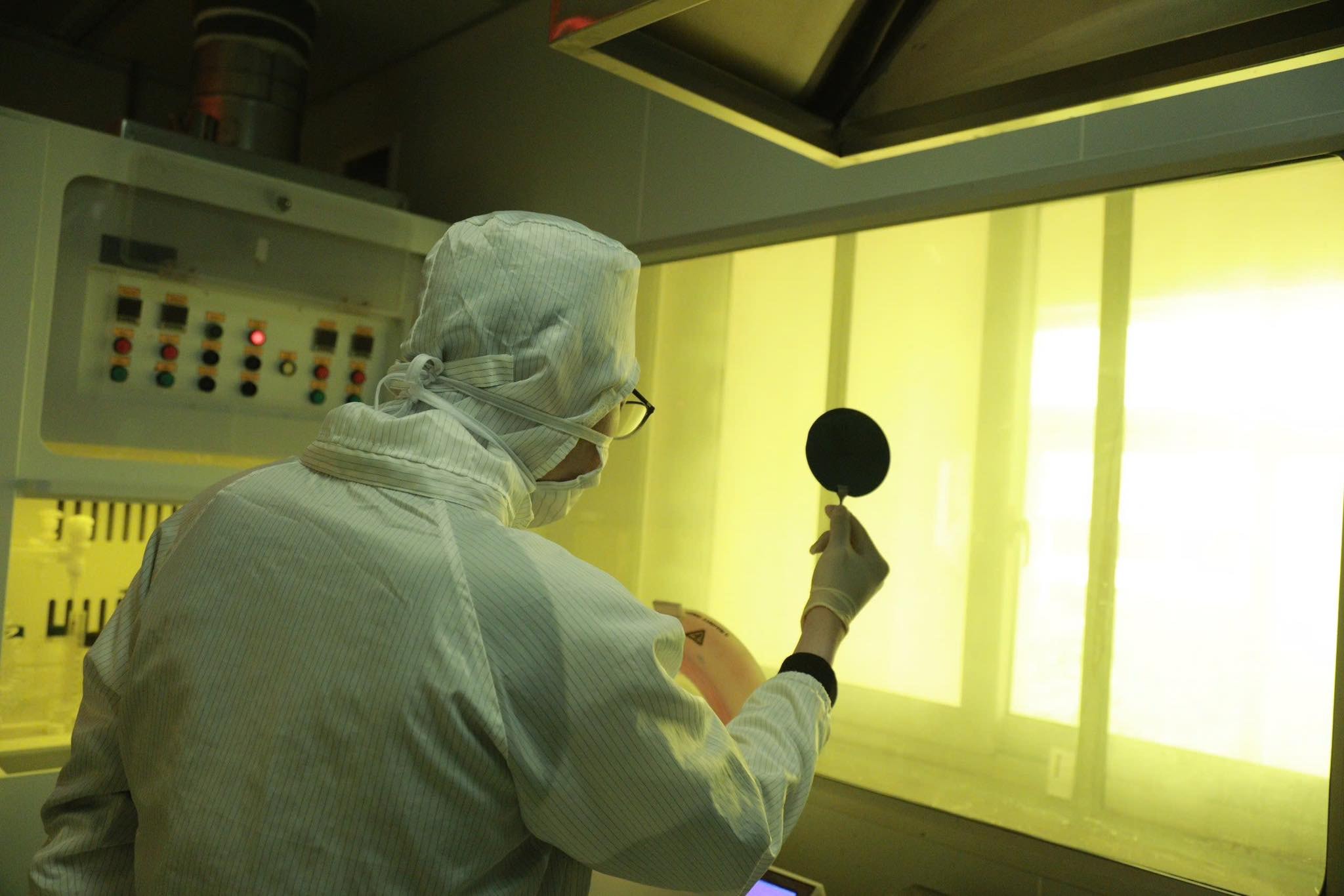
If implemented effectively, these new decisions will not only contribute to increasing the localization rate and reducing dependence on imported technology, but also create a foundation for the formation of new industries based on knowledge, data, and core technologies. This is also a crucial condition for science, technology, innovation, and digital transformation to truly become the driving force for rapid and sustainable growth, enhancing Vietnam's position in the new development phase.
Source: https://hanoimoi.vn/bo-khoa-hoc-va-cong-nghe-kien-tao-lo-trinh-lam-chu-cong-nghe-chien-luoc-1049886.html





![[Photo] First session of the 14th Congress of the Vietnam Trade Union](https://vphoto.vietnam.vn/thumb/1200x675/vietnam/resource/IMAGE/2026/06/03/1780465947883_ndo_br_img-3852-jpg.webp)













































![[Video] Sunset at Lap An Lagoon – Where the sun sets over the fishing nets](https://vphoto.vietnam.vn/thumb/1200x675/vietnam/resource/IMAGE/2026/05/31/1780192137701_beach-landscape-sea-water-nature-grass-745871-pxhere-com.jpeg)




























Comment (0)