

Join Canadian freelance writer Claire Sibonney (*) as she explores Hanoi's incredibly ordinary yet captivating coffee culture.
A very Vietnamese cultural trait.
On her first evening in Hanoi , Claire Sibonney enjoyed a cup of coffee at Café Đinh, nestled in an old house overlooking Hoan Kiem Lake. Coffee is an integral part of Vietnamese culture, alongside sacred temples steeped in history. The Canadian writer's journey began with exploring a number of cafés, from modern, Western-style establishments to classic, traditional ones like Café Đinh.
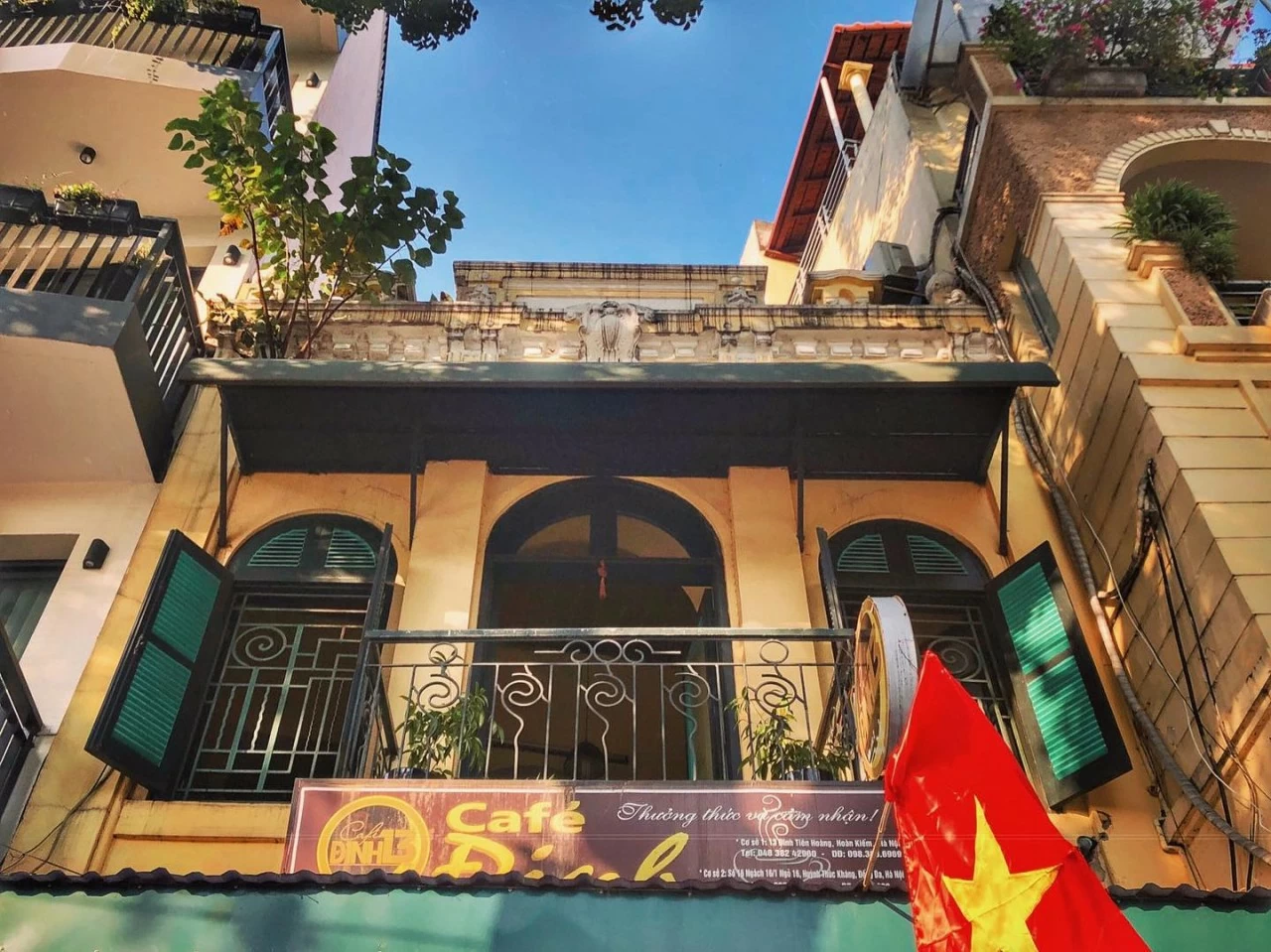 |
| Dinh Cafe is located in a nostalgic old house. (Source: Dinh Cafe) |
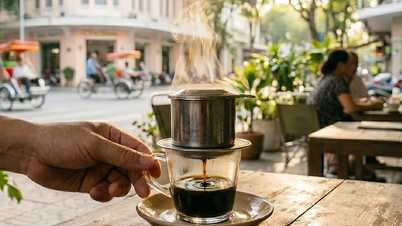
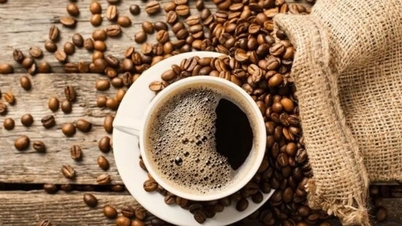
In a cozy space with low wooden tables, stools, and black-and-white family photos, Sibonney ordered a hot latte, a traditional strong black robusta coffee with condensed milk. The barista put the coffee beans in a filter, placed it on top of the cup, poured in hot water, and watched as the "flavor" of the coffee beans slowly seeped and dripped into the cup.
For Sibonney, the first sip of the rich, strong robusta coffee felt like a "lightning bolt" running through her body, balanced by the sweetness of condensed milk. This wasn't the mild arabica coffee she knew and loved back home; Vietnamese coffee was bitter, with a strong aftertaste that invigorated the soul.
Sibonney said this was the first time she had truly experienced the uniqueness of Vietnamese coffee culture. To learn more about the origins and influences of coffee on the lives of Vietnamese people today, she sought out Mr. Tu Van Cong, an expert in the Hanoi Street Eats culinary scene. Mr. Cong explained that Hanoi's coffee culture originated during the French colonial period; French missionaries introduced coffee to Vietnam in 1857, and by the end of the 19th century, the first coffee plantations were established.
According to Mr. Cong, initially, coffee was considered a privilege of the elite, intellectuals, and scholars. Over time, Vietnamese people gradually adapted to the French method of brewing coffee and created the filter, making the beverage more accessible.
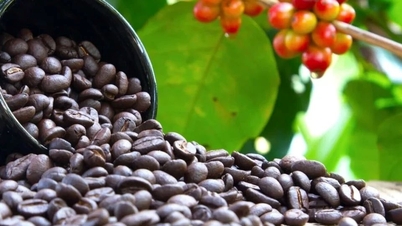
Furthermore, Vietnam is the world's second-largest coffee producer, after Brazil, and a leading supplier of robusta beans. The author argues that, although robusta beans are often considered lower quality by coffee experts, they are deeply ingrained in Vietnam's coffee-drinking culture.
The Taste of Life
According to the Canadian writer, locals are accustomed to the distinctive smoky bitterness, high caffeine content, and the habit of adding condensed milk to balance the astringency of robusta coffee. This type of coffee has also been adapted to suit Vietnamese tastes through the creation of unique coffee variations.
A prime example is Hanoi's famous egg coffee, made by whisking egg yolks with sugar until fluffy and smooth, then pouring it over a cup of coffee.
According to Anthony Slewka, manager of the Sofitel Legend Metropole Hanoi, the oldest hotel in the capital, even those who aren't fans of egg coffee can appreciate the creativity in each layer of flavor. In 1946, when the nationwide resistance war broke out, fresh milk became scarce in Hanoi. Therefore, Nguyen Van Giang, a bartender at the Metropole Hanoi, created the foam layer of cappuccino for European customers by using whipped egg yolks.
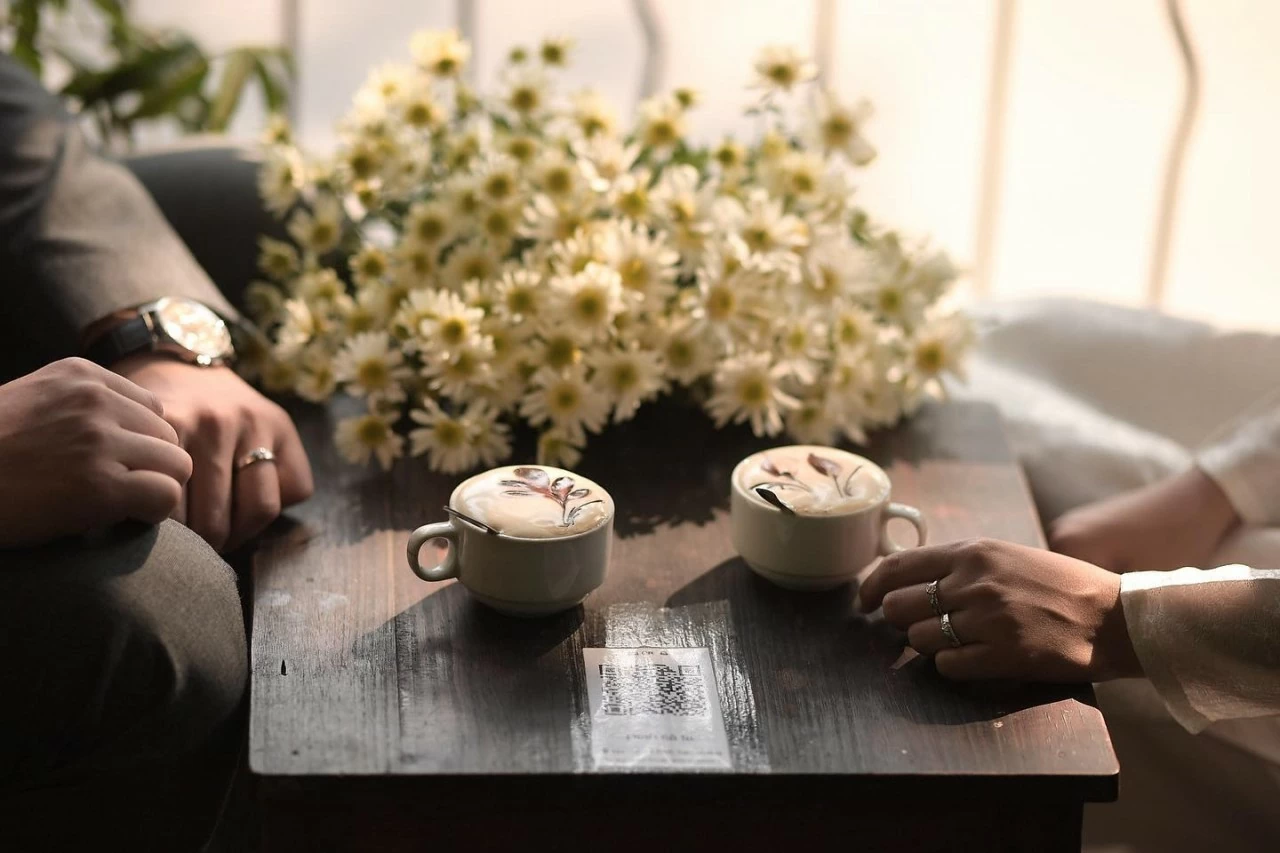 |
| Egg coffee is a fascinating and unique drink for foreign tourists. (Source: Dinh Cafe) |
For Sibonney, coffee culture in Vietnam is deeply intertwined with young people and workers. After a long day at work, chatting over a cup of coffee has become a familiar part of Vietnamese life.
Upon returning to Canada, Sibonney visited Cong Cafe in Toronto, continuing to experience Vietnamese coffee culture. There, she heard the manager tell the story of the plastic or low folding chairs, common in cafes, restaurants, and on sidewalks throughout Vietnam, known for their simplicity, accessibility, and sense of community.
The writer was also eager to learn about the "robusta revolution" taking place in Canada and globally. It was a great topic to chat about with strangers at Cong Cafe, reminding her of conversations in Vietnam. Initially, Sibonney was somewhat hesitant about the strong flavor of this coffee bean, but now it's an opportunity for her to slow down, enjoy a strong coffee with a touch of sugar, and savor the sweet and slightly bitter flavors of life.
During their journey exploring Vietnam, the Canadian visitor not only enjoyed coffee as a beverage but also as a symbol of creativity, resilience, and community. Whether it was a rich robusta or the unique egg coffee, each carried a story of Vietnamese history, identity, and ingenuity. Above all, on every street corner, coffee was not just a source of energy but also a place for connection, sharing, and relaxation.
(*) The author is a freelance writer, editor, and content strategist with over 20 years of experience in journalism. Their works have appeared in magazines such as National Geographic, WIRED, TIME, SELF, Teen Vogue, InStyle, and more.
She previously worked as a reporter at Reuters, Digital Director at Canadian Living, and editor at Huffington Post, Today's Parent, Fashion, and EnRoute. In addition to her editorial work, she teaches journalism at Centennial College (Canada).
Source: https://baoquocte.vn/ca-phe-ha-noi-duoi-goc-nhin-cua-du-khach-nuoc-ngoai-285598.html
![[Photo] First session of the 14th Congress of the Vietnam Trade Union](https://vphoto.vietnam.vn/thumb/1200x675/vietnam/resource/IMAGE/2026/06/03/1780465947883_ndo_br_img-3852-jpg.webp)
![[Photo] General Secretary and President To Lam presides over a meeting with the Central Organizing Committee.](https://vphoto.vietnam.vn/thumb/1200x675/vietnam/resource/IMAGE/2026/06/03/1780482764658_a1-bnd-4741-3342-jpg.webp)
![[Photo] Secretary of the National Assembly Party Committee, Chairman of the National Assembly presides over the meeting of the Standing Committee and Executive Committee of the National Assembly Party Committee.](https://vphoto.vietnam.vn/thumb/1200x675/vietnam/resource/IMAGE/2026/06/03/1780480353201_ndo_br_bnd-2585-jpg.webp)



























![[Video] Sunset at Lap An Lagoon – Where the sun sets over the fishing nets](https://vphoto.vietnam.vn/thumb/1200x675/vietnam/resource/IMAGE/2026/05/31/1780192137701_beach-landscape-sea-water-nature-grass-745871-pxhere-com.jpeg)





















Comment (0)