

Dak Nong is located at the southwestern gateway of the Central Highlands on the M'Nong plateau, connecting with Cambodia via two border gates: Dak Peur (Dak Mil district) and Bup'rang (Tuy Duc district). Dak Nong borders Dak Lak to the east and north, Lam Dong to the south, and Binh Phuoc and Cambodia to the west.
Dak Nong is most beautiful in spring, starting around January, after the rainy season has passed, the sky is clear and cool, and the waterfalls have plenty of water. March and early April is the peak blooming season for coffee flowers, and May and June are the seasons for cassia flowers. Summer in Dak Nong usually has rain, but it stops quickly.
Move
The provincial center of Dak Nong is Gia Nghia city, located approximately 125 km from Buon Ma Thuot city (Dak Lak) and about 250 km from Ho Chi Minh City. To travel to Dak Nong, you can choose from various means of transportation such as cars, buses, motorbikes, or airplanes, depending on your departure point.
Bus tickets from Ho Chi Minh City to Dak Nong, departing from the Eastern Bus Station (Ben Xe Mien Dong) by bus companies such as Dai Nghia, Duyen Ha, and Hoang Long, cost between 150,000 and 200,000 VND per person. Buses departing from Hanoi cost 800,000 VND (including two meals). The journey takes approximately 6 hours from Ho Chi Minh City and about 30 hours from Hanoi.
Dak Nong does not have an airport, so if you want to travel by air, you can choose Vietnam Airlines , Vietjet Air, or Bamboo Airways to the nearest airport, Buon Ma Thuot (Dak Lak), with ticket prices ranging from 2 to 3.5 million VND. Transfer by bus from Buon Ma Thuot to Gia Nghia costs 200,000 VND.
If you want more control over your time and the freedom to stop and rest, you can travel by private car or motorbike from Ho Chi Minh City via National Highway 14. The road is in good condition, so you don't need to worry, but before you depart, please check and maintain your vehicle carefully and comply with traffic safety regulations.
Accommodation
There are many accommodation options. Robin Hotel, Ngoc Thuong Hotel, Dak Nong Lodge, and Sunrise Hotel are highly rated establishments on booking websites. Prices range from 300,000 to nearly 1.5 million VND per night.
Some well-known homestays and farmstays in Gia Nghia include Yumin Farm House, Hoa Dat Garden, and Ngo Gia Trang; in Dak R'Lap district there is Molly Home; and in Dak Mil there is Montagnards Home Farm, with prices ranging from 150,000 to 1 million VND per night.


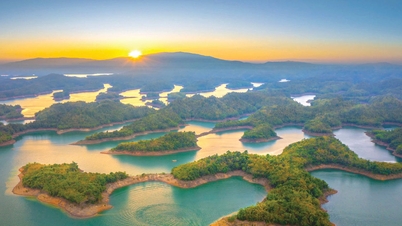
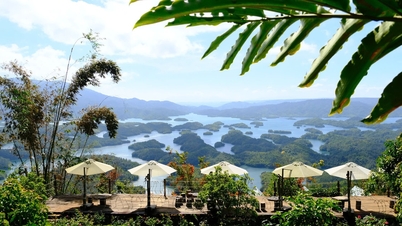
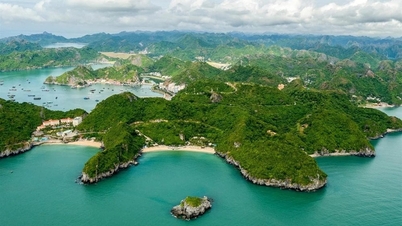
If you're traveling in a large group, you can stay in the Ta Dung tourist area or Phuong Van Farm to experience being immersed in nature. The scenery of Ta Dung Lake is likened to the "Ha Long Bay of the Central Highlands," while Phuong Van Farm in Gia Nghia city is considered a "forest in the city" with its green spaces of forests, coffee plantations interspersed with vegetable gardens and fruit trees.
Where to play
From the center of Gia Nghia city, within a radius of about 50 km, Dak Nong has many places to explore. Some beautiful natural attractions are quite far from the city, so it's recommended to divide the sightseeing routes into about 3 days and 2 nights, or longer.
Ta Dung National Park
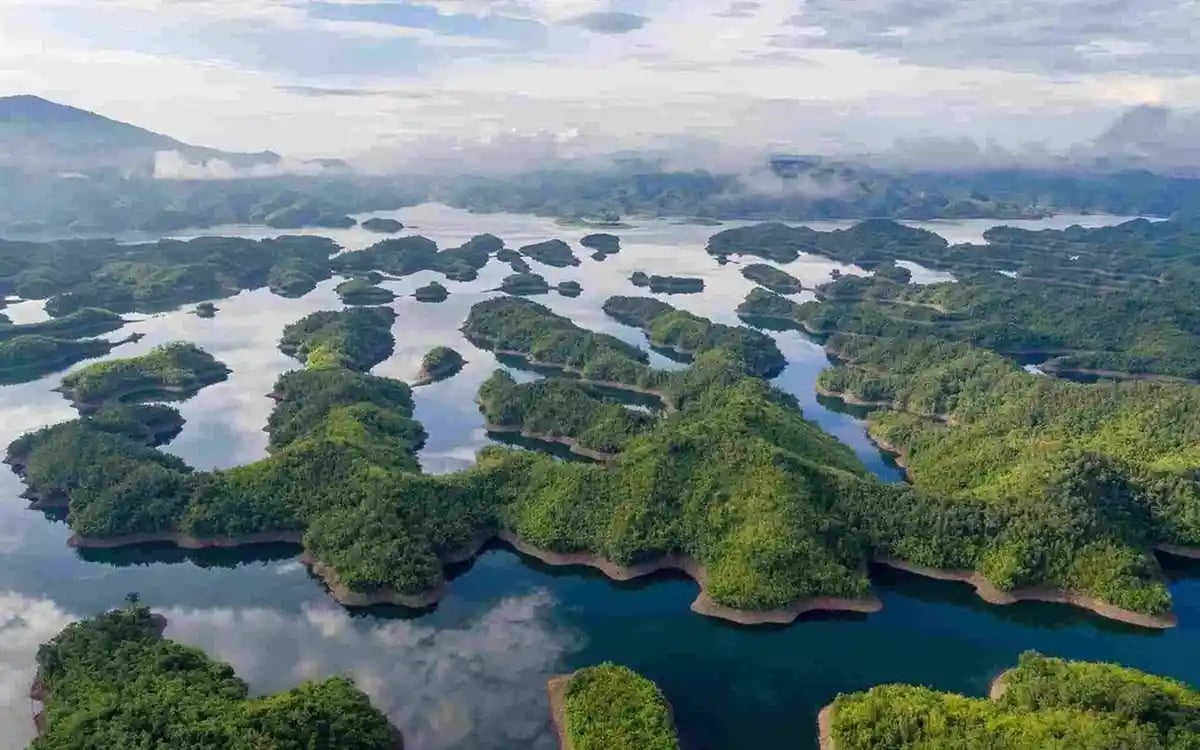


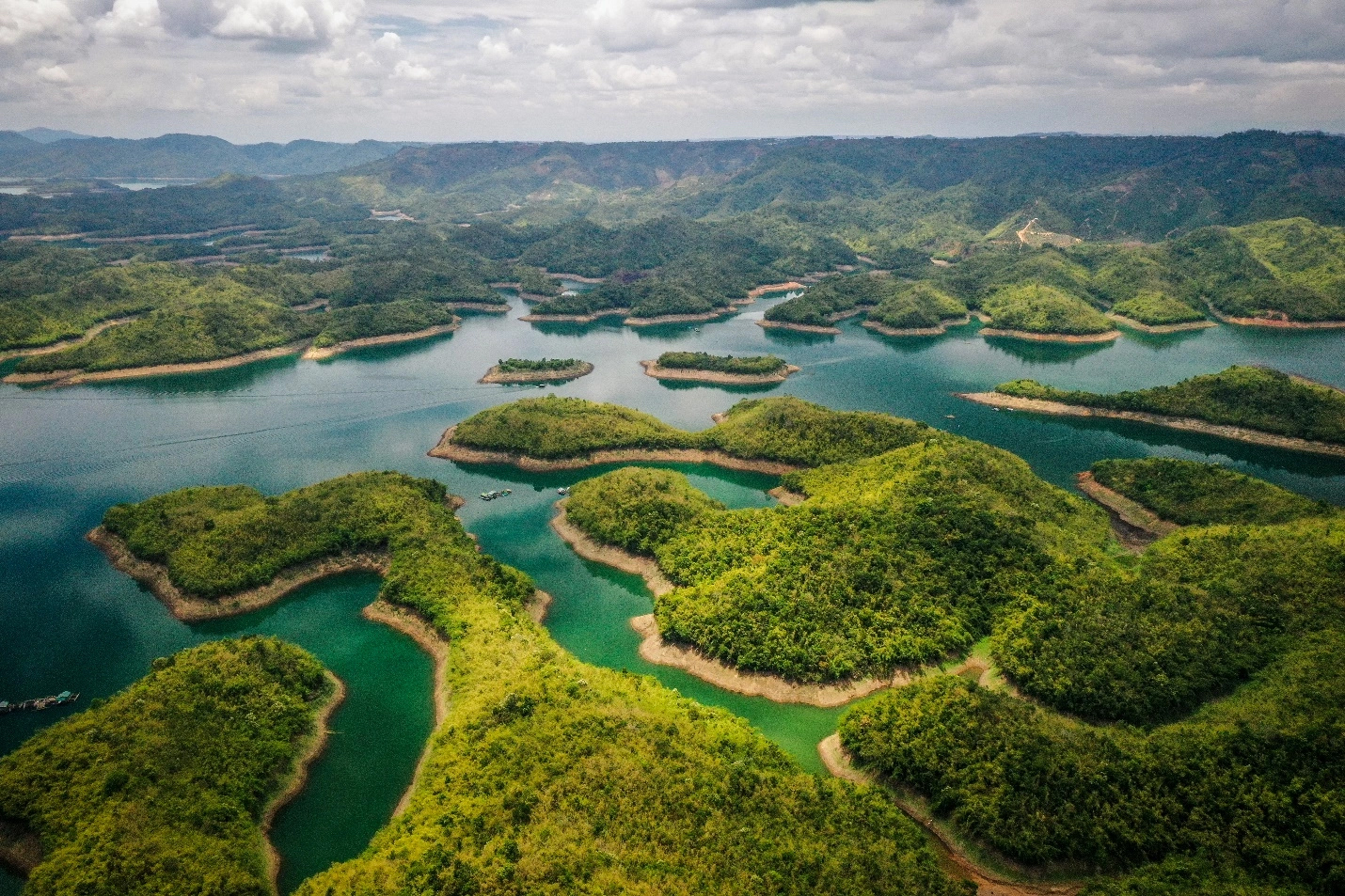
Ta Dung National Park is located in Dak Som commune, about 45 km southeast of Gia Nghia city along National Highway 28. At the heart of the park is Ta Dung Lake. Hydroelectric damming has created this high-altitude lake, covering approximately 22,000 hectares and encompassing over 40 islands and peninsulas of varying sizes. It's a must-see destination in Dak Nong.
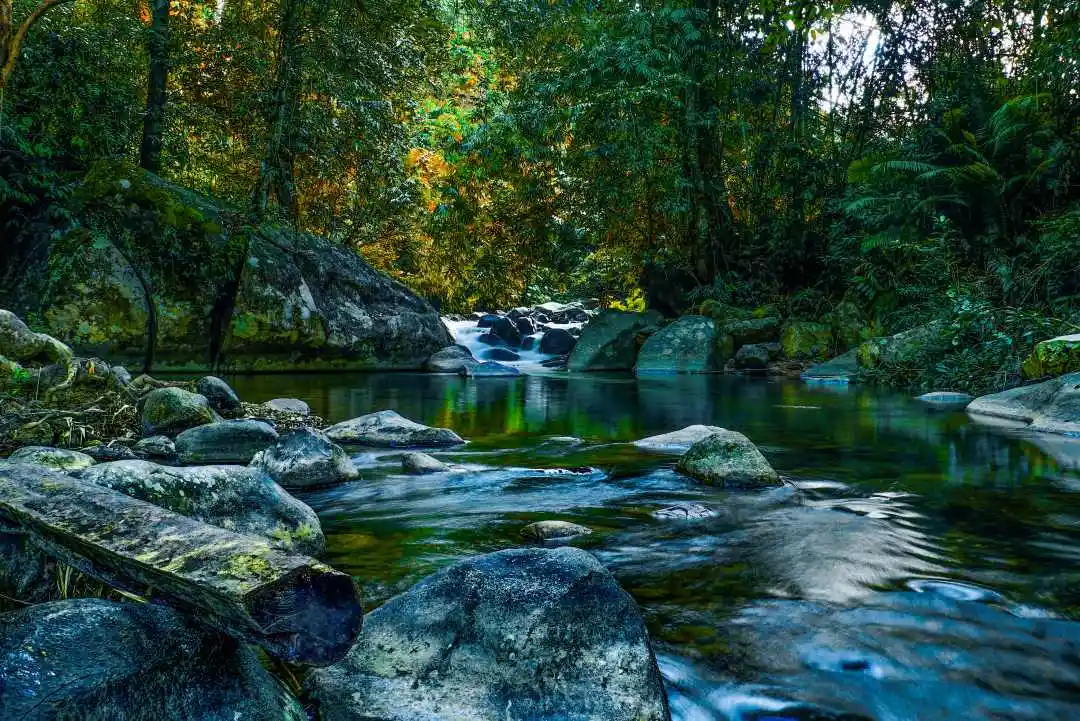
In Ta Dung, you can take a boat ride, admire the scenery of islands emerging from the lake, breathe in the fresh air, and explore the pristine mountain and forest landscapes. In addition, the area boasts granite waterfalls and dozens of rare plant and animal species.
>> See also: Two days and one night in Ta Dung
Volcanic cave
Discovered in 2017, with over 50 caves and a total length of nearly 10,000 meters, this is one of the longest volcanic cave systems in Southeast Asia, located within the UNESCO Dak Nong Global Geopark.
According to researchers, the volcanic cave system was formed more than 140 million years ago. Over time, the volcanic cave system still preserves rare archaeological traces and remains of prehistoric dwellings dating back approximately 6,000-7,000 years.
Nam Kar volcanic mountain range
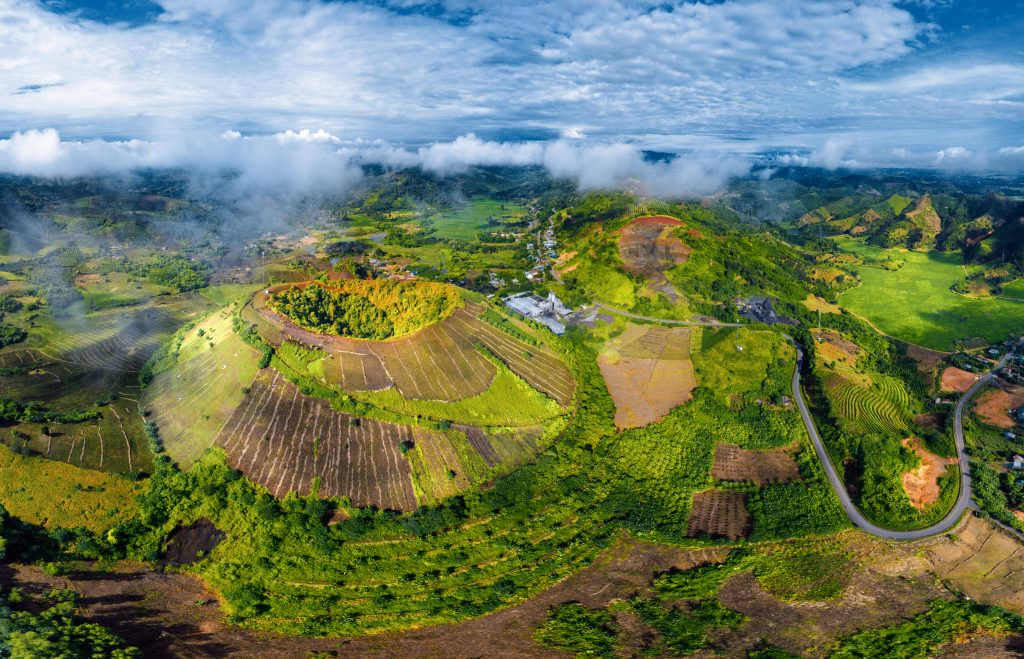
The Nam Kar volcanic mountain range is formed from three volcanoes, including a main cone and two smaller cones. The main cone is 60 meters high, 220 meters in diameter, and has a typical oval shape with a mouth approximately 20 meters deep from the summit. The mountain itself is 660 meters above sea level and is composed mainly of slag, with each slag piece measuring several centimeters in diameter.
The M'Nong people here still pass down mystical stories about the formation of the Nam Kar volcano, with educational significance, reminding their descendants not to harm natural resources.
Green border route
With a border stretching over 140 km, Dak Nong connects with Cambodia through two border gates: Dak Peur (Dak Mil district) and Bup'rang (Tuy Duc district). Along this route, you will experience winding terrain, flanked by pine forests.
This route is ideal for caravanning trips, camping, and exploring the local ecosystem and culture. Along the way, there are numerous waterfalls, some majestic, others gently flowing, interspersed with exposed rock formations. Many border markers between Vietnam and Cambodia are also located along the route.
Truc Lam Dao Nguyen Zen Monastery
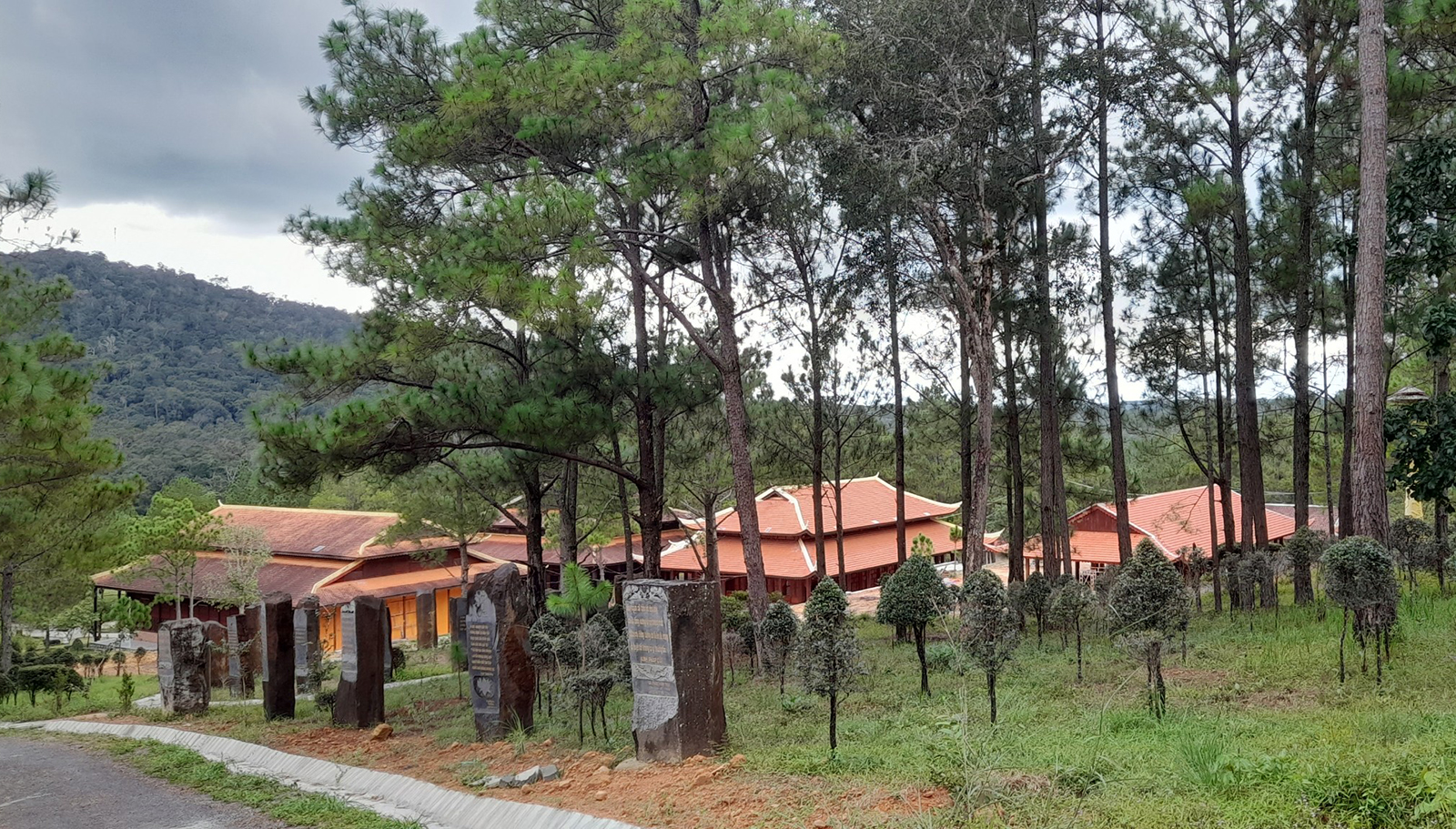
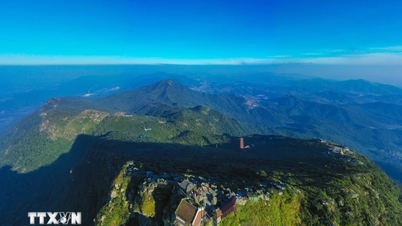
Located approximately 40 km from the center of Gia Nghia city, Truc Lam Dao Nguyen Zen Monastery is the largest Truc Lam Buddhist monastery in Dak Nong. Adjacent to the Nam Nung Nature Reserve, the monastery enjoys a consistently cool and fresh atmosphere, creating a sense of peace and tranquility.
The monastery is steeped in traditional cultural beauty, with its space divided into interconnected functional areas such as the main hall, monks' quarters, bell tower, drum tower, shrine to Avalokiteshvara, refectory, guesthouse, and other auxiliary buildings. It also features a garden of the Dhammapada, containing the words of Buddha Shakyamuni spoken during his lifetime, carved into stone.
Sound Exhibition House
Located on the Dak Nur hill in Gia Nghia city, the Sound Exhibition House is considered a miniature painting, showcasing the sonic colors associated with the UNESCO Dak Nong Global Geopark.
Here, you will experience the distinctive sounds from various materials. Visitors will hear familiar sounds from the stone xylophone, sounds from breath, water, trees, fire, wind... and the sounds of ourselves. This is considered the only sound exhibition in Vietnam today.
Phap Hoa Pagoda
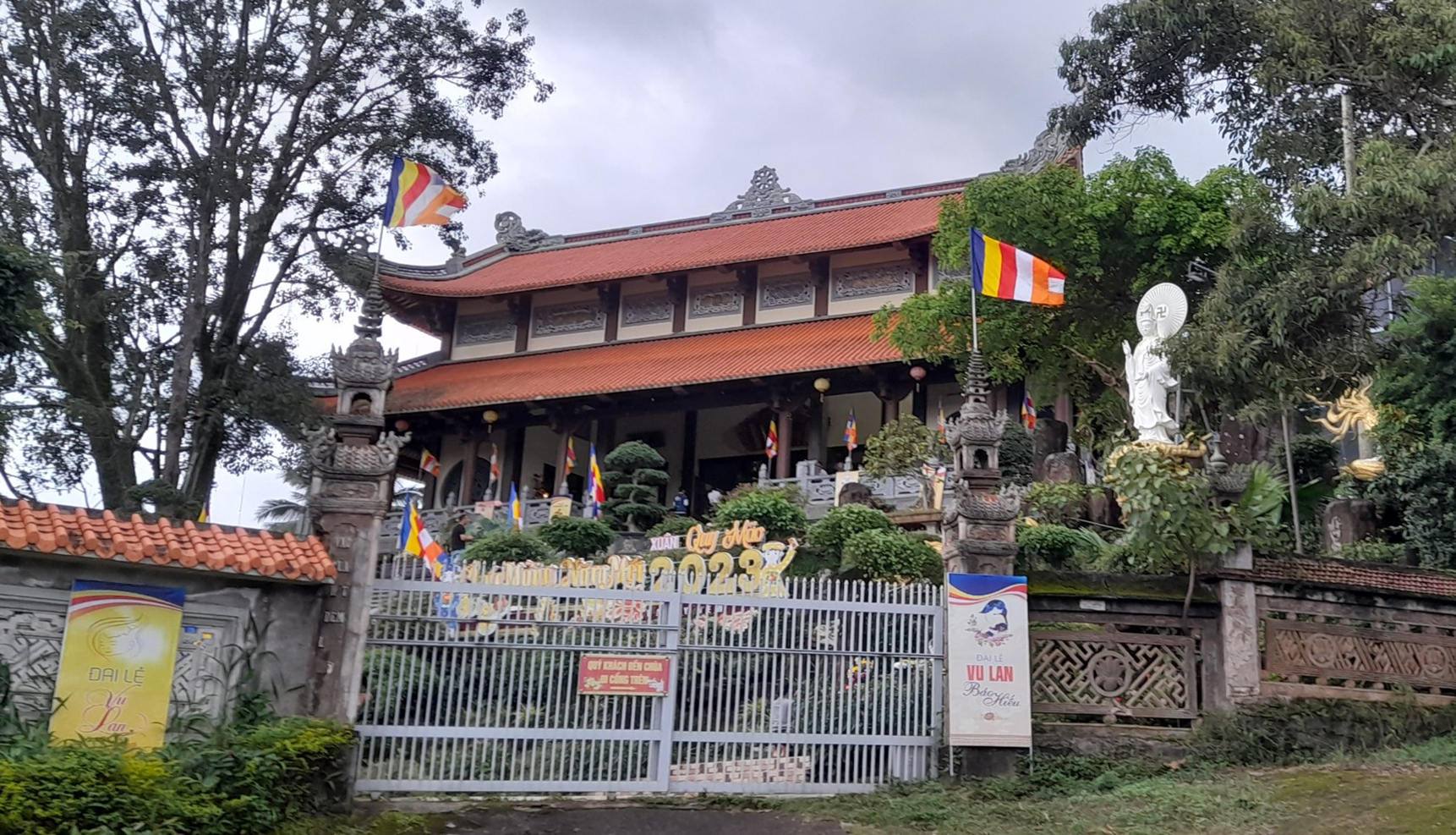
Built in 1957, this is a large and ancient temple in Dak Nong. Visitors can explore the following areas: the five-story main hall, monks' quarters, the Avalokiteshvara statue, the triple-arched gate, and the Lumbini Garden. Within the temple grounds, there are also many Buddha statues, miniature landscapes, and greenery arranged harmoniously.
Phap Hoa Pagoda is not only a spiritual center for the people of Dak Nong province but also a popular destination for tourists from within and outside the province. Located in the heart of Gia Nghia city, the pagoda offers a very peaceful atmosphere.
Lieng Nung Waterfall is located in Dak Nia commune, about 9 km from Gia Nghia along National Highway 28. The waterfall has a unique structure, with a 35-meter-high cliff above a large cave arch where the water cascades down into the Dak Nia stream. The ceiling of the cave arch consists of hexagonal rock formations arranged side by side. The cave arch is covered with vibrant vegetation, creating a mystical atmosphere. Surrounding the waterfall is a wild natural landscape with pristine forests.
Trinh Nu Waterfall is located about 3km from Ea T'Ling town in Cu Jut district. It is not as noisy and majestic as other waterfalls around the Serepok River basin. The waterfall is nestled, flowing gently, winding its way between large basalt rocks with a geological age of 2-5 million years.
Dak G'lun Waterfall is located in Quang Tam commune, Tuy Duc district, about 50 km from Gia Nghia city. The waterfall is nearly 60 meters high and is surrounded by more than 1,000 hectares of protected forest with a rich ecosystem and many ancient trees with wide, shady canopies. Right next to the waterfall are large, flat areas of land where you can camp overnight.
The Dray Sap - Gia Long Cultural and Ecotourism Area (Dray Sap Tourist Area) is located in Dak Sor commune, Krong No district, about 110 km from Gia Nghia city.
This tourist area is characterized by its location within a protected forest area with many famous waterfalls (Dray Sap Waterfall, Gia Long Waterfall, also known as Upper Dray Sap Waterfall, Trinh Nu Waterfall, Dray Nu Waterfall). Accommodation options are diverse, ranging from traditional Ede longhouses to semi-detached houses, and especially the mushroom-shaped houses with thatched roofs, creating a cozy and intimate atmosphere.
You can visit the zoo with many species: deer, antelope, ostrich, bear, tiger, snake, lion. In addition, visitors can experience camping, cycling in the forest, boating, or exploring the protected forest.
Traditional musical instrument exhibition
Located in N'Jriêng hamlet, Đắk Nia commune, more than 9 km from the center of Gia Nghĩa city along National Highway 28 towards Da Lat, Lam Dong province.
Here, you will discover approximately 60 types of musical instruments from various ethnic groups around the world. Each instrument has its own unique sound, and most are crafted from certain types of stone and animal bones. Among these nearly 60 ancient instruments is the Dak Kar stone xylophone of the M'Nong people, dating back almost 3,000 years. This is the "soul" of the exhibition.
According to the M'Nong people's beliefs, the stone xylophone is a link between humans and the spiritual world, closely associated with the cultural and spiritual life of the indigenous people of Dak Nong province. The Dak Kar stone xylophone has also been chosen as one of the symbols of the UNESCO Dak Nong Global Geopark.
Ede ethnic group's traditional crafts
Located about 90 km from Gia Nghia city towards Dak Lak, Buor village in Tam Thang commune, Cu Jut district, was recognized by the Ministry of Culture, Sports and Tourism in 2008 as the oldest Ede village in the Central Highlands.
Buon Buor is located along the Serepok River. For centuries, the people have preserved age-old customs such as brewing rice wine, crafting traditional musical instruments, weaving everyday items from bamboo and rattan, and making brocade. You will admire the beauty of traditional stilt houses; meticulously hand-woven brocade products showcasing the culture of the Ede people; and immerse yourself in the gong and drum dance. You can also participate in ancient ceremonies such as the housewarming ceremony, the Kpan procession, the new rice harvest festival, and the brotherhood ceremony.
Dak Song Wind Power Plant
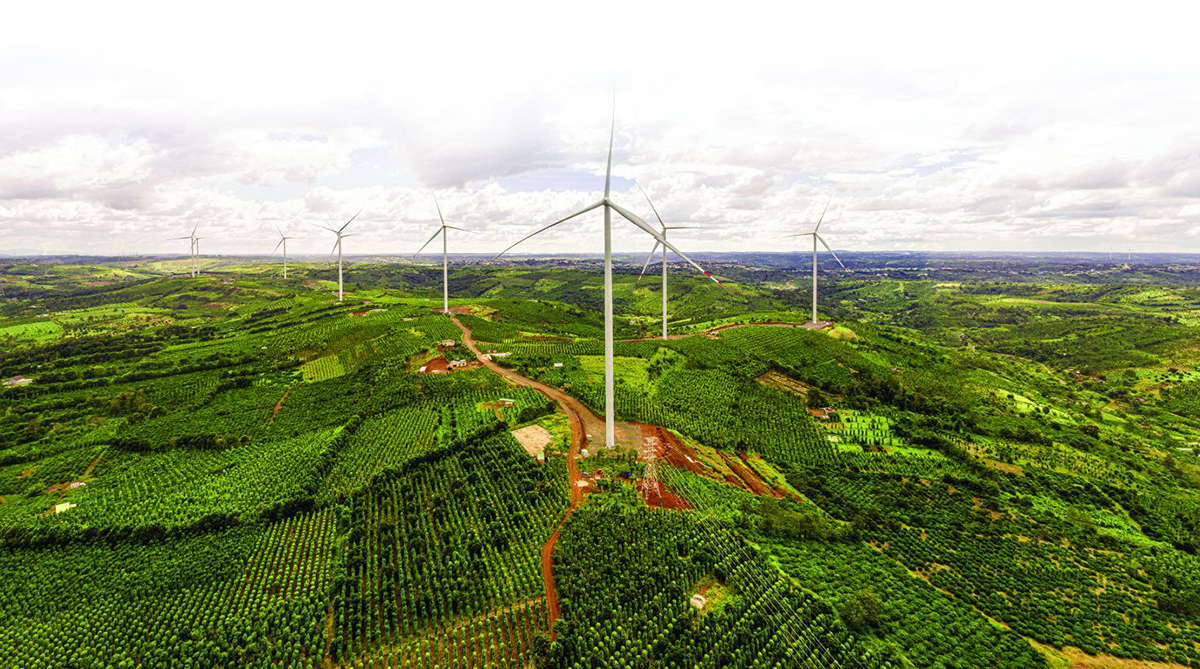
Along National Highway 14, about 40 km from Gia Nghia city, you will reach Dak Song district. From there, travel to Dak Hoa commune or Nam Binh commune to admire the giant wind power projects.
The project has a total investment of nearly 1,700 billion VND and is the 6th wind power project to be implemented in Dak Nong province. The Asia Dak Song 1 wind power plant has a capacity of 50MW, with 13 turbines.
Dak Song district is considered the "wind power capital" of Dak Nong province, with 6 projects that have received investment approval and are under construction. The total capacity of these projects is 430MW.
Nhan Co Church is located in Nhan Co commune, Dak R'Lap district, Dak Nong province. It's a beautiful church with unique architecture that you can see from afar when passing along National Highway 14.
Nhan Co Parish was established in May 2004, initially as a temporary church. In March 2014, construction began on the new church, which now stands as it is today.
Nhan Co Church sits atop a low hill, boasting Gothic architecture with a striking dark blue color. From a distance, Nhan Co Church resembles a mysterious castle. Stepping inside, the sanctuary becomes even more captivating and enchanting, with its beautifully symmetrical architectural lines and decorative details.
Dak R'Mang Market


In Dak Nong, besides experiencing the cultural values of the indigenous ethnic groups, you can immerse yourself in the lively atmosphere of the Mong ethnic minority's weekly markets on the M'Nong plateau in Dak R'Mang commune, Dak G'Long district. The market is held every Sunday, selling a variety of goods, from brocade fabrics, household items, medicinal herbs, and production tools to local specialties like thang co (a traditional stew) and corn wine.
Hill 722 - Dak Sak
The historical site of Hill 722 – Dak Sak, located in Hamlet 4, Tho Hoang Commune, Dak Sak District, is 722 meters above sea level and covers nearly 4 hectares. It marks significant historical milestones in the resistance war against the US by the people of Dak Nong Province, with many fierce battles. Currently, some artifacts, military equipment, and supplies such as shoes, hats, and shell casings are still preserved at the Hill 722 historical site. On October 24, 2012, the Hill 722 – Dak Sak site was recognized as a national historical site by the Ministry of Culture, Sports and Tourism.
If time permits, visitors should also visit Yok Don National Park . Part of the park is located in Dak Nong province, south of the Serepok River, but the main entrance is in Buon Don, Dak Lak province. Visitors can experience trekking, admire the beautiful natural scenery, especially the majestic Bay Nhanh waterfall and the rich ecosystem of flora and fauna. Entrance fee: 40,000 VND per adult and 20,000 VND per child.
Eat and drink
The traditional dishes of the indigenous people are very diverse, always combining many kinds of ingredients, reflecting the solidarity of the community. The main ingredients include bép leaves, rattan shoots, bitter eggplant, bamboo shoots, stream fish, and wild game meat.
Most dishes are prepared by boiling or grilling, or as soups, with bitter and spicy flavors and colors that are distinctly natural and harmonious.
Bamboo rice, grilled meat
Sticky rice cooked in bamboo tubes (Cơm lam) is a beloved dish and a staple at local festivals and celebrations. The main ingredient is glutinous rice. After soaking, the rice is placed in bamboo or reed tubes and cooked in spring water. The bamboo tubes containing the sticky rice are then burned over a fire or buried in charcoal. When the rice is cooked, the burnt outer layer is removed, revealing the white inner layer.
Sticky rice cooked in bamboo tubes is often served with grilled meat, also from livestock or poultry, but usually prepared in a very unique way. Most ingredients are not marinated and are skewered and grilled over charcoal or placed in bamboo tubes and grilled. This method is quick and convenient for those working in the forest or fields. It is typically eaten with a dipping sauce of salt and chili.
Grilled catfish from the Serepok River
The Serepok River, which flows through Krong No and Cu Jut districts of Dak Nong province, is home to many species of catfish, the most common being the red-tailed catfish.
Snakehead fish can be prepared in many ways, such as grilling, braising, making fish cakes, steaming, stir-frying with garlic, or making porridge. Among them, grilled snakehead fish over charcoal is particularly appealing. The fish is wrapped in forest leaves before being grilled and served with a dipping sauce made from lemongrass, green chili, and forest leaves. Grilled snakehead fish eaten with bamboo-cooked rice offers a rich and distinctive flavor characteristic of Dak Nong cuisine. This is one of the Top 100 Vietnamese specialty dishes of 2020 and 2021.
Canh thut is a long-standing dish of the M'Nong people and other ethnic groups in Dak Nong province. According to locals, the name "canh thut" comes from the fact that in the past, people working in the fields would cook soup in bamboo tubes growing in the forest. While cooking, they would use chopsticks to stir the ingredients until they softened.
This dish combines various wild vegetables such as bép leaves (also known as nhíp leaves), rattan shoots, and bitter eggplant with stream fish to create a rustic yet appealing soup. Besides the above ingredients, canh thụt also incorporates pork intestines, pork ribs, and canned fish to add more flavor diversity.
Specialty
Dak Nong is famous for its gifts that are specialties of the Central Highlands mountains and forests.
The fertile basalt soil, suitable topography, climate, and rainfall make Dak Nong one of the key regions for coffee cultivation and processing, producing high-quality coffee beans with a distinctive flavor compared to other regions, famous for Robusta, Arabica, and Culi coffees.
Dak N'rung pepper
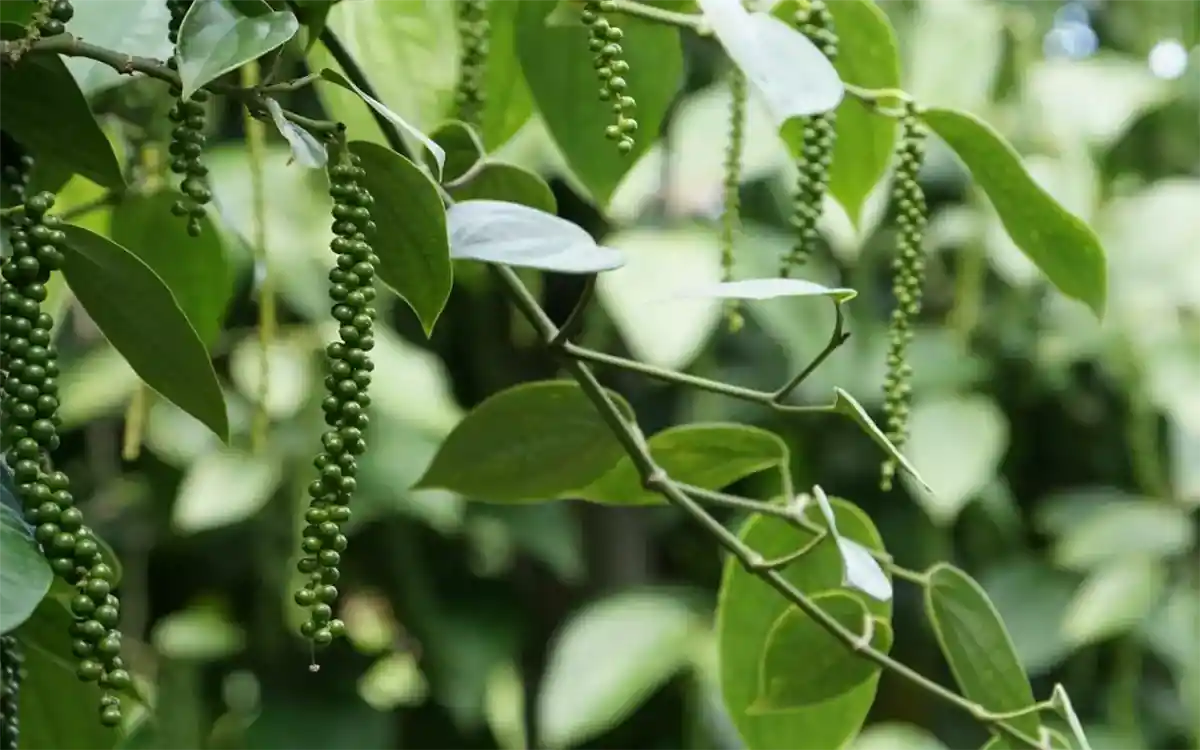
Dak N'rung pepper is also a famous specialty of Dak Nong. The pepper from this region is highly regarded for its quality, characterized by large, round, plump, and fragrant grains. The packaged pepper is convenient for transportation and is therefore a popular choice as a gift.
The terrain and soil of Dak Nong are suitable for growing macadamia trees. This is a highly nutritious crop. Macadamia nuts are cultivated by locals using traditional methods, without the use of chemicals or excessive inorganic fertilizers. Therefore, the macadamia nuts here are completely natural, safe, and healthy for consumers. Macadamia nuts are known as the queen of nuts not only because of their superior nutritional content but also because of their delicious and captivating flavor.
Dak Mil avocados have thin, smooth skins. When ripe, the flesh is yellowish-green and fiberless. The suitable soil and climate, along with the care of the local people, have created avocados that are creamy, fragrant, and delicious, unlike anywhere else.
Rice is grown in Buôn Choáh commune, Krông Nô district - the largest rice granary of Đăk Nông province. This area is formed on volcanic soil, with a favorable climate and irrigation water rich in minerals, contributing to the reputation of Buôn Choáh rice with its distinctive flavor.
Durian is also one of Dak Nong's famous agricultural products that you can buy as a gift. Delicious durians are mainly grown on the red basalt soil in Dak Mil, giving them a special sweetness and aroma. Dak Mil has many durian farms and orchards that welcome visitors.
Source link







































































Comment (0)