

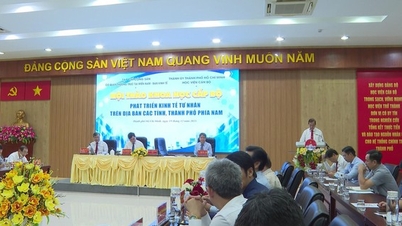
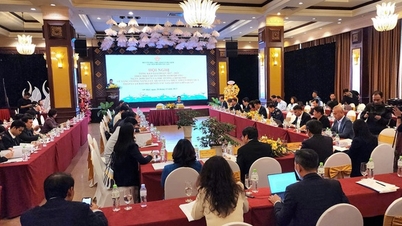
The above information was presented by the consulting consortium at the consultation meeting on the pre-feasibility study report for 5 BOT projects to expand the gateways of Ho Chi Minh City according to Resolution 98 this afternoon (November 14).
The conference, organized by the Ho Chi Minh City Department of Transport, attracted many investors and transportation construction companies such as Ho Chi Minh City Infrastructure Investment Joint Stock Company, Deo Ca Group, Son Hai Group, etc.

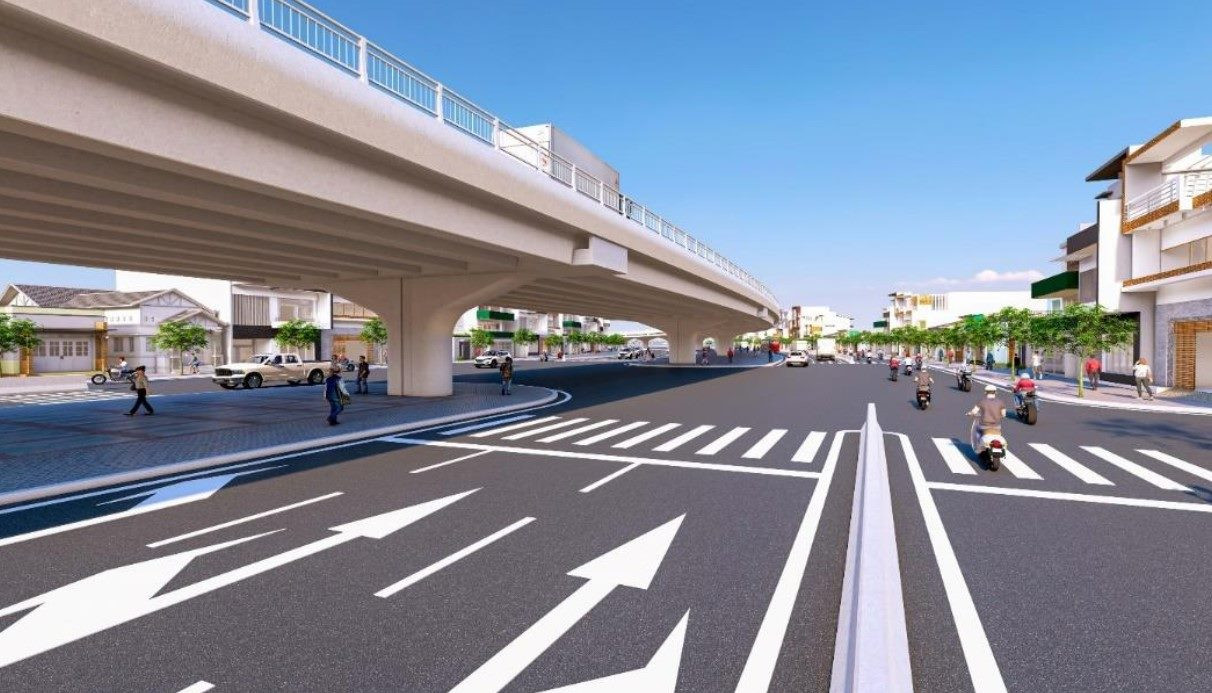
According to the consultant's proposal, out of the 5 BOT projects, 3 are elevated projects. These include the expansion of National Highway 13 (from Binh Trieu Bridge to the border of Binh Duong province), with a total investment of nearly 20,000 billion VND; and the North-South arterial road project (section from Nguyen Van Linh intersection to Ben Luc - Long Thanh expressway) with a total length of 8.6km and a total investment of over 8,483 billion VND.
The third project is the Binh Tien bridge and road BOT project (from Pham Van Chi Street to Nguyen Van Linh Street), with a length of 3.66km and an investment of over 6,863 billion VND.
The remaining two proposed projects, with lower costs, include the expansion of National Highway 1 (from Kinh Duong Vuong Street to the Long An provincial border), costing approximately 15,897 billion VND. The project to invest in the construction of National Highway 22 (from An Suong intersection to Ring Road 3), approximately 8.7 km long, has an investment of 8,810 billion VND (including loan interest).
Diversifying investments is advisable to avoid tying up capital.
At the conference, experts and investors provided feedback and discussed design options for the road construction, as well as land acquisition, investment, and return on investment plans.
Mr. Le Quynh Mai, Vice Chairman of the Board of Directors of Deo Ca Infrastructure Investment Joint Stock Company, stated that all five BOT projects are located in urban areas. According to regulations, elevated road investments should be limited in urban areas to avoid detracting from the aesthetics. Therefore, consultants need to study underground options, constructing tunnels through major intersections.
He also suggested that there should be a unified soft criterion: a capital recovery plan for projects that does not exceed 20 years. Secondly, for transparency and fairness, projects should charge fees based on distance (km) instead of per trip.
"Land acquisition costs for most projects are very high, exceeding 50% of the total investment. Therefore, it is necessary to consider separating land acquisition into a separate project to be implemented by a state agency. If it is not separated, investors will quickly abandon the project," Mr. Mai said.
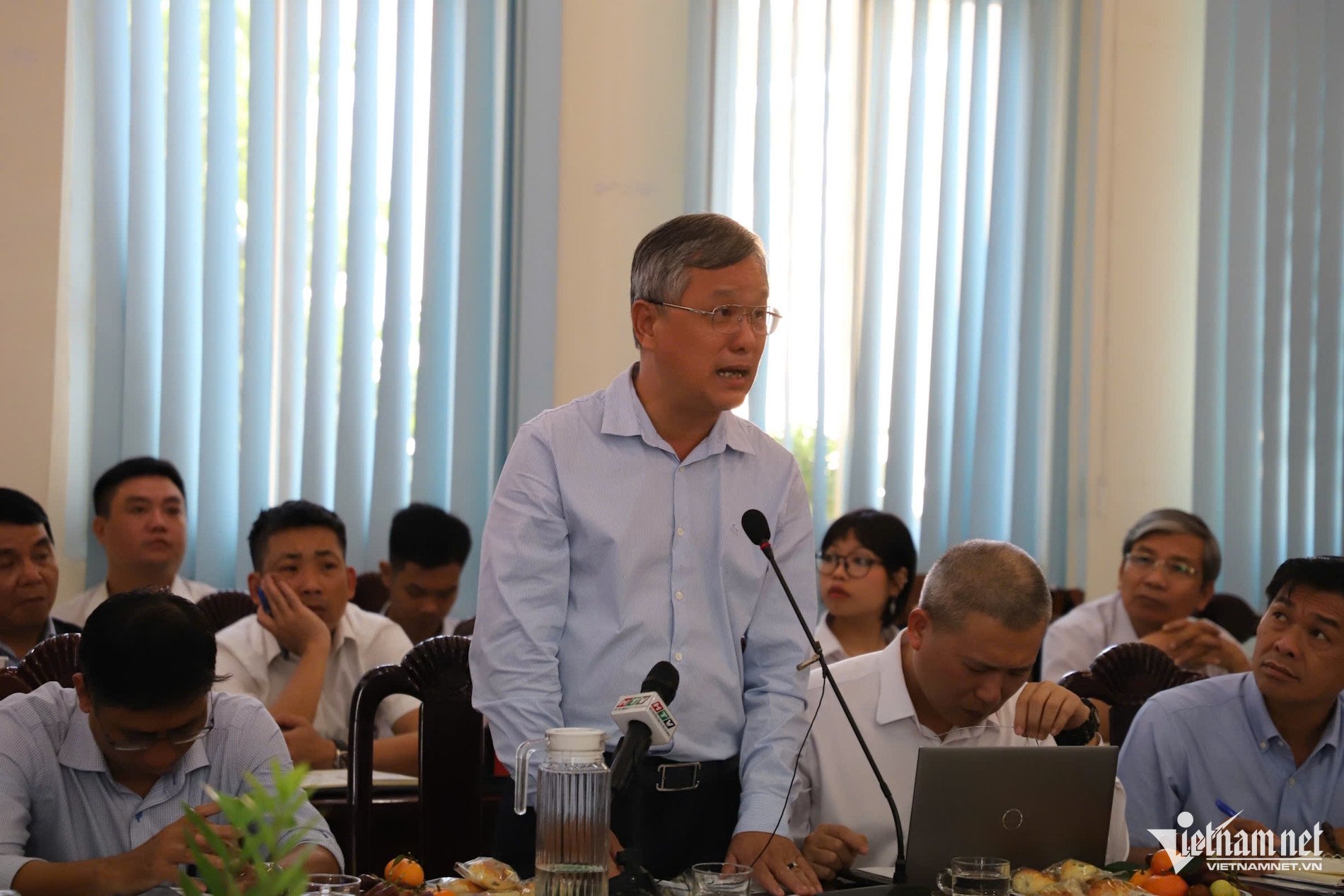
Meanwhile, Mr. Le Quoc Binh, General Director of Ho Chi Minh City Infrastructure Investment Joint Stock Company, believes that the need for elevated roads in the city is not yet necessary. He argues that building elevated roads only solves the problem of traffic flow between the starting and ending points, and does not address traffic congestion in urban areas below the elevated roads.
"If we build an elevated road, we have to invest 750 billion VND for 1km, so 5km would cost 3,500 billion VND. Each year, interest would amount to approximately 350 billion VND. Therefore, investors would have a lot of capital tied up, and the investment efficiency would be lost."
"I propose that the investment be divided into two phases. Phase 1 involves constructing the road at a lower level, with overpasses and underpasses at the intersections. During operation, when traffic volume is high, the investor must implement Phase 2, which involves constructing the elevated road, as per the contract," Mr. Binh suggested.
The investor's representative also agreed that land clearance should be separated into an independent project. The project's commencement must ensure that 90% of the land is cleared.
Responding to investors, the Director of the Ho Chi Minh City Department of Transport, Tran Quang Lam, stated that all five gateway BOT projects have had their land acquisition separated into individual projects. After the projects are separated, the city will carry out the land acquisition.
Regarding the proposed BOT investment plan using a phased approach, the Director of the Ho Chi Minh City Department of Transport commented that this is a new and very good method. The Department of Transport and its consultants will incorporate feedback to finalize the plan, ensuring a balance of interests, sounding the objectives, and achieving real effectiveness.
According to the roadmap, the investment policy will be approved in the first quarter of 2025; contractors will be selected to prepare feasibility studies, conduct surveys, and gather investor interest; and the feasibility study report will be approved in the third quarter of 2025. Investors will be selected, with the goal of commencing the first project by the end of 2025.
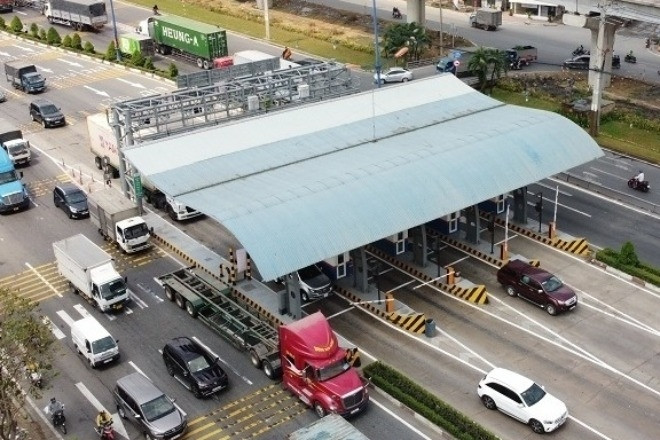
Proposal to limit the maximum speed for cars passing through BOT toll stations in Ho Chi Minh City to only 30km/h.
It has been proposed that cars passing through BOT toll stations in Ho Chi Minh City be limited to a maximum speed of 30km/h to ensure traffic safety and order.
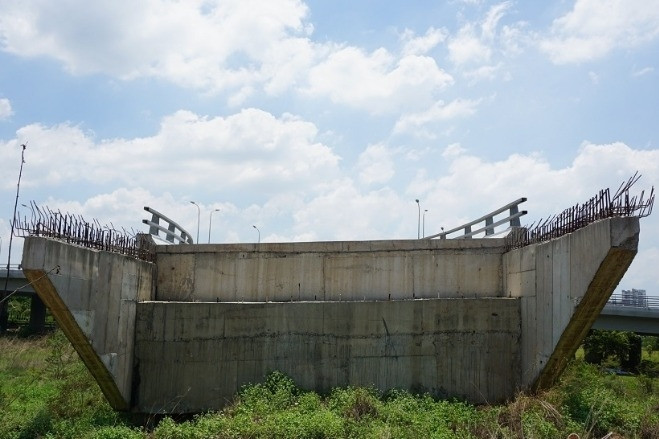
Ho Chi Minh City will unilaterally terminate the BOT contract for the 1.5 trillion VND project to build a 2.7km road.
The project to build a road connecting Vo Van Kiet Boulevard to the Ho Chi Minh City - Trung Luong Expressway, approximately 2.7km long, under a BOT contract and costing over 1,500 billion VND, has been stalled for 6 years.
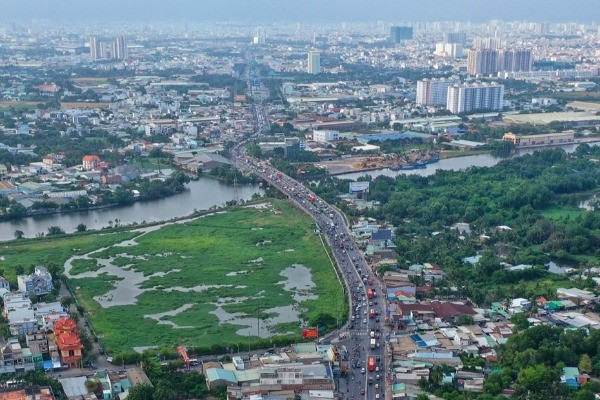
Ho Chi Minh City plans to invest 44,000 billion VND in 5 transportation projects under the BOT (Build-Operate-Transfer) model.
Ho Chi Minh City will begin construction on five projects to upgrade, expand, and modernize existing road infrastructure using the BOT (Build-Operate-Transfer) model in late 2025 and early 2026.





















































































Comment (0)