

As Thanh Nien newspaper reported, on January 18th, the Science magazine website published an investigative report about academic publishing houses bribing the editorial boards of many scientific journals to ensure the publication of their low-quality works (articles). This is a newly discovered form of large-scale, organized fraud. The increasingly sophisticated academic fraud, primarily aimed at increasing the number of publications despite their poor quality, is a troubling reality facing many developing scientific nations, including Vietnam.
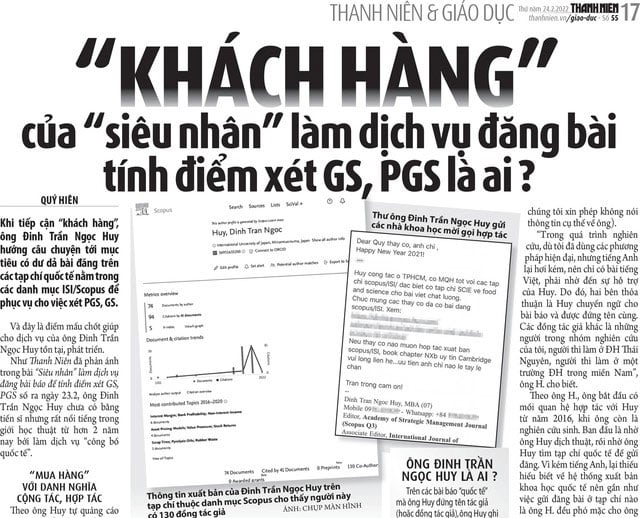
Thanh Nien newspaper once published a series of articles exposing "superhumans" offering services to publish articles in international scientific journals.
SUPPLY AND DEMAND
Speaking to Science magazine, Dr. Nicholas Wise, a fluid dynamics researcher at the University of Cambridge (UK), said: As an expert in combating scientific fraud, he has long witnessed the buying and selling of authorship for research papers. This situation stems from the increasing pressure to publish on scientists worldwide , even when they lack the resources to conduct quality research.
To meet the publication needs of many scientists, intermediary services have emerged (in many countries, the scale of these services resembles factories or companies producing scientific papers). These intermediary services act as a gateway for parties to secretly (and sometimes openly) trade tens to hundreds of thousands of fake, low-quality papers each year.
According to Science , China is also the main market for fake research papers. In this country, publishing papers remains the easiest path to promotion and advancement in academia. However, due to lack of time or training to conduct serious research, many scientists are willing to pay hundreds, even thousands of dollars, to have their names included in papers, viewing it as a worthwhile investment.
In Russia and some post-Soviet countries, policies that prioritize publication metrics (such as the number of articles, citations, and journal impact factor) combined with a corrupt environment have created a similar situation.
Research achievement is also becoming increasingly important in India as universities compete for rankings, and researchers use it to compete for good jobs (some Indian universities even require undergraduate students to publish papers).
In Vietnam, various investigations by Thanh Nien Newspaper have also shown that since the government and universities began prioritizing international publications, the market for buying and selling scientific articles has formed and developed, with diverse transaction methods. There are even some intermediary services for buying and selling articles under the guise of "consulting," "coaching," or "training"... A typical example is Dinh Tran Ngoc Huy, a "superman" providing international publication services ( Thanh Nien Newspaper conducted an investigation into Huy's activities two years ago).
Most recently, after the results of the 2023 professorship and associate professorship review were announced, Thanh Nien newspaper also received a reader's complaint about a candidate who met the criteria for associate professorship in law and was a client of Dinh Tran Ngoc Huy. Upon reviewing this candidate's associate professorship file, we found that the candidate had two articles in which Dinh Tran Ngoc Huy was listed as a co-author. Furthermore, much evidence (such as Thanh Nien 's series of articles on the article-selling factory in Russia) shows that many Vietnamese researchers are clients of services that produce and sell scientific articles.
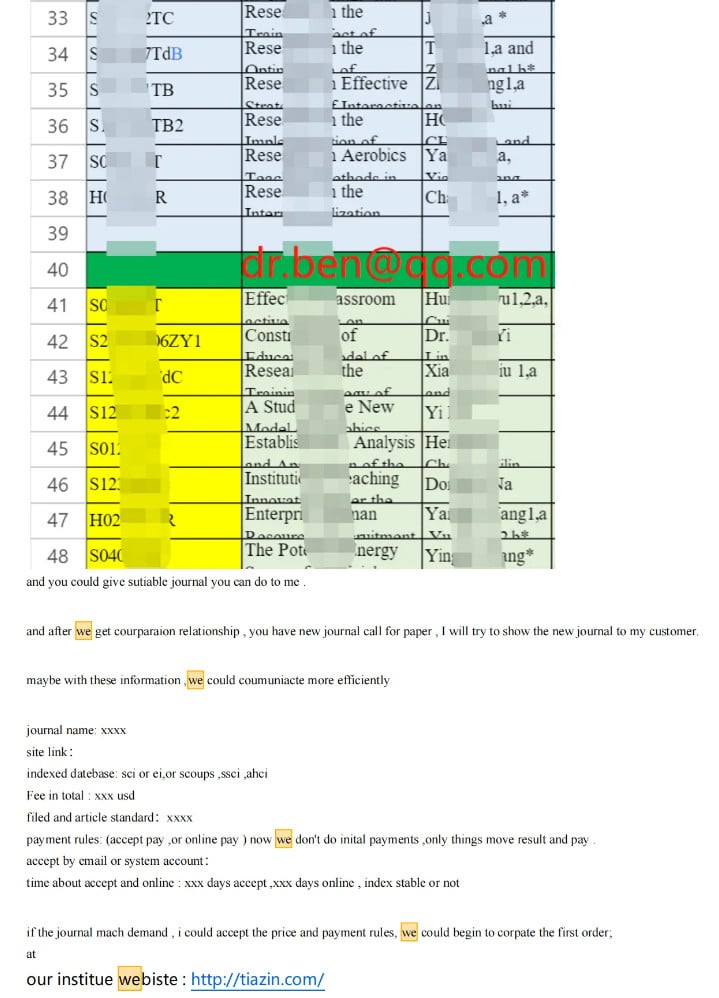
PUBLISHERS ARE "SURROUNDED ON ALL SIDES"
Before the results of Science 's investigation, which Thanh Nien newspaper recently reported on, the scientific community believed that the reason thousands of fake articles from intermediary services or article-selling factories could get published in international journals was due to lax peer review processes, irresponsible reviewers, and editorial boards. However, after Science 's investigation, the scientific community realized another reason for the existence of fake articles even in seemingly reputable journals.
After the scandal broke, publishers sought to portray themselves as "victims." Speaking to Science , publishers acknowledged they were being "besieged from all sides." A spokesperson for Elsevier said their editors regularly received offers of "bribes." The director of ethics and integrity at Taylor & Francis also stated that bribery attempts had targeted their editors and that this was a real concern. Jean-François Nierengarten, a researcher at the University of Strasbourg and co-editor of the Chemistry-A European Journal published by Wiley, said he received a letter from someone claiming to work with "young scholars" in China, offering $3,000 for each article he helped publish in the journal he edited.
However, according to Science , the publishers are not "innocent." After discovering Olive Academic's activities in July 2023, Dr. Nicholas Wise notified several major publishers involved. Most promised to investigate and get back to him. However, to date, Dr. Nicholas Wise has not received any response. Speaking to Science , Matt Hodgkinson, an expert from the UK's Office for Research Integrity, argued that the collusion between the publishing house and editors creates organized criminal gangs that carry out fraud on a large scale.
Some Vietnamese scientists also believe that publishers are actually very greedy. Despite knowing that special issues are a favorite target for publishing houses, many publishers continue to release tens of thousands of special issues to earn additional publication fees from authors.
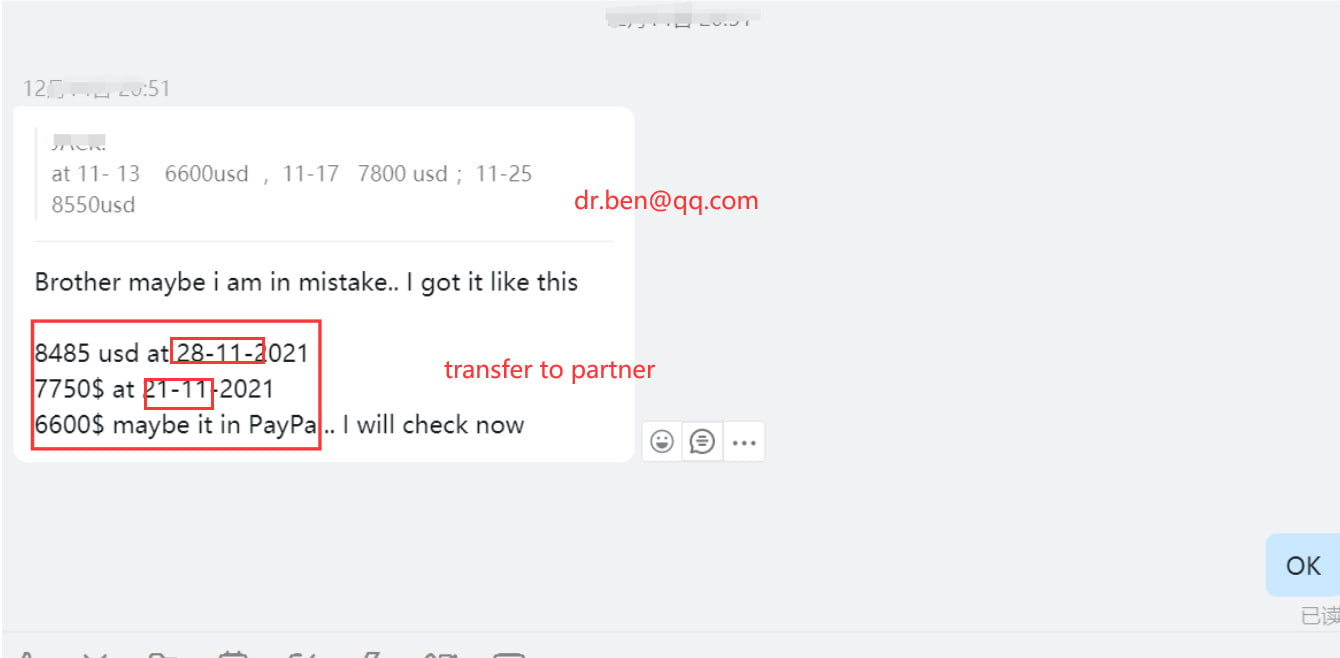
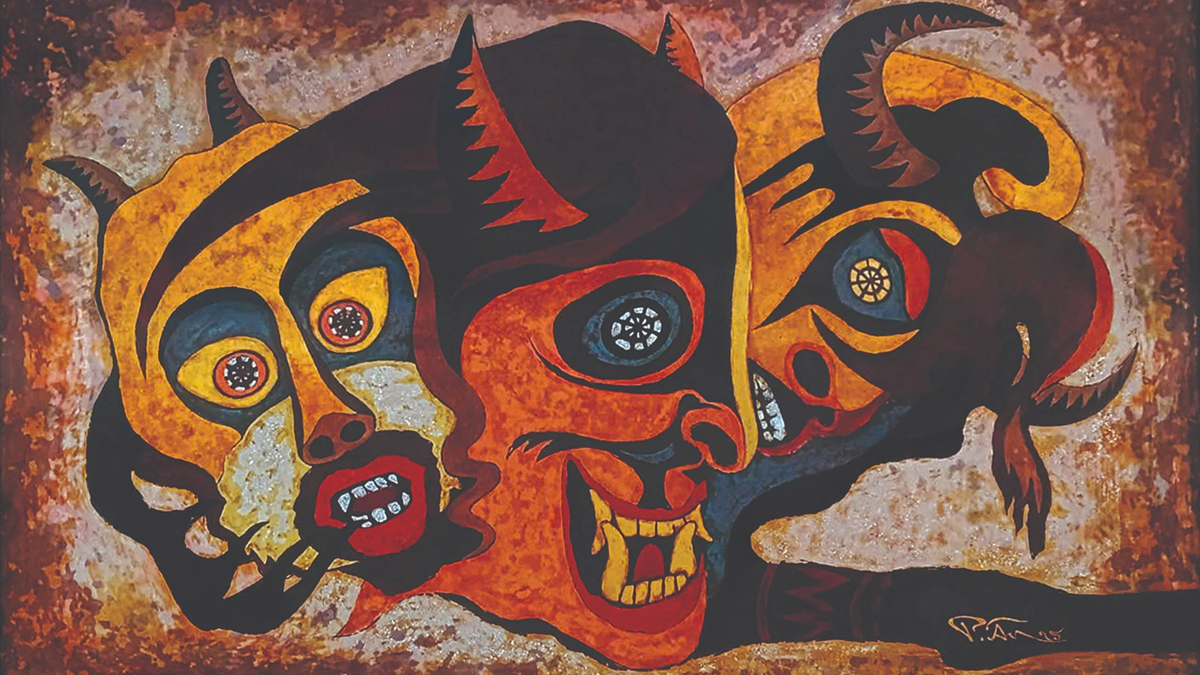
The image, advertised on Facebook, depicts bribery of editorial boards at various scientific journals to ensure the publication of low-quality scientific work (articles). (before it was deleted)
THE FIRM MOVEMENTS OF VARIOUS COUNTRIES
As mentioned above, academic fraud is a prominent problem in countries with developing scientific foundations. Some countries are beginning to recognize the danger this situation poses to the development of science in their nations, and have begun to take decisive action to eliminate fraud in scientific activities.
In December 2023, Science reported that Peru was cracking down on scientific fraud . According to the report, Peruvian lawmakers were preparing to pass two laws to investigate and punish researchers who engage in fraudulent practices in scientific publications, such as paying to be credited as an author. Previously, Peru's national science agency had removed two researchers accused of fraud from the national scientific registry system, Renacyt (being listed in Renacyt is a requirement for government funding, salary increases, and promotions). Peruvian authorities are also investigating more individuals after 180 scientists in the country were accused of publication fraud, including 72 Renacyt members working at 14 universities in Peru.
In early 2022, the Bangkok Post also reported that Thailand's Ministry of Higher Education, Science, Research and Innovation (MHESI) had discovered 33 researchers from eight universities engaging in fraudulent practices by paying to have their names credited on scientific papers. In addition, MHESI would investigate 100 more university lecturers for similar misconduct. The MHESI minister also urged universities to take legal action against cases of academic fraud such as plagiarism or paying for research papers.
In Vietnam, although the media (most notably Thanh Nien Newspaper) has reported on many suspected cases of buying and selling research papers or other violations of scientific integrity, the parties involved tend to "sweep it under the rug," or even ignore it. Decision-making power is primarily left to academic councils, who lack the function and expertise to investigate fraud.
There has been virtually no investigation by authorities into individuals accused of fraud. Even the proposal to establish a specialized agency on scientific integrity has been deemed unnecessary by the Ministry of Science and Technology and the Ministry of Education and Training.
Source link












![[Photo] Prime Minister Pham Minh Chinh receives the Chinese Ambassador to Vietnam](https://vphoto.vietnam.vn/thumb/1200x675/vietnam/resource/IMAGE/2026/04/05/1775397481797_ndo_br_dsc-5512-jpg.webp)








































Comment (0)