

Facing obstetric dangers
Recently, obstetric facilities in Hai Phong have been receiving and treating numerous cases related to patients with a history of cesarean sections, highlighting potential risks that cannot be ignored.
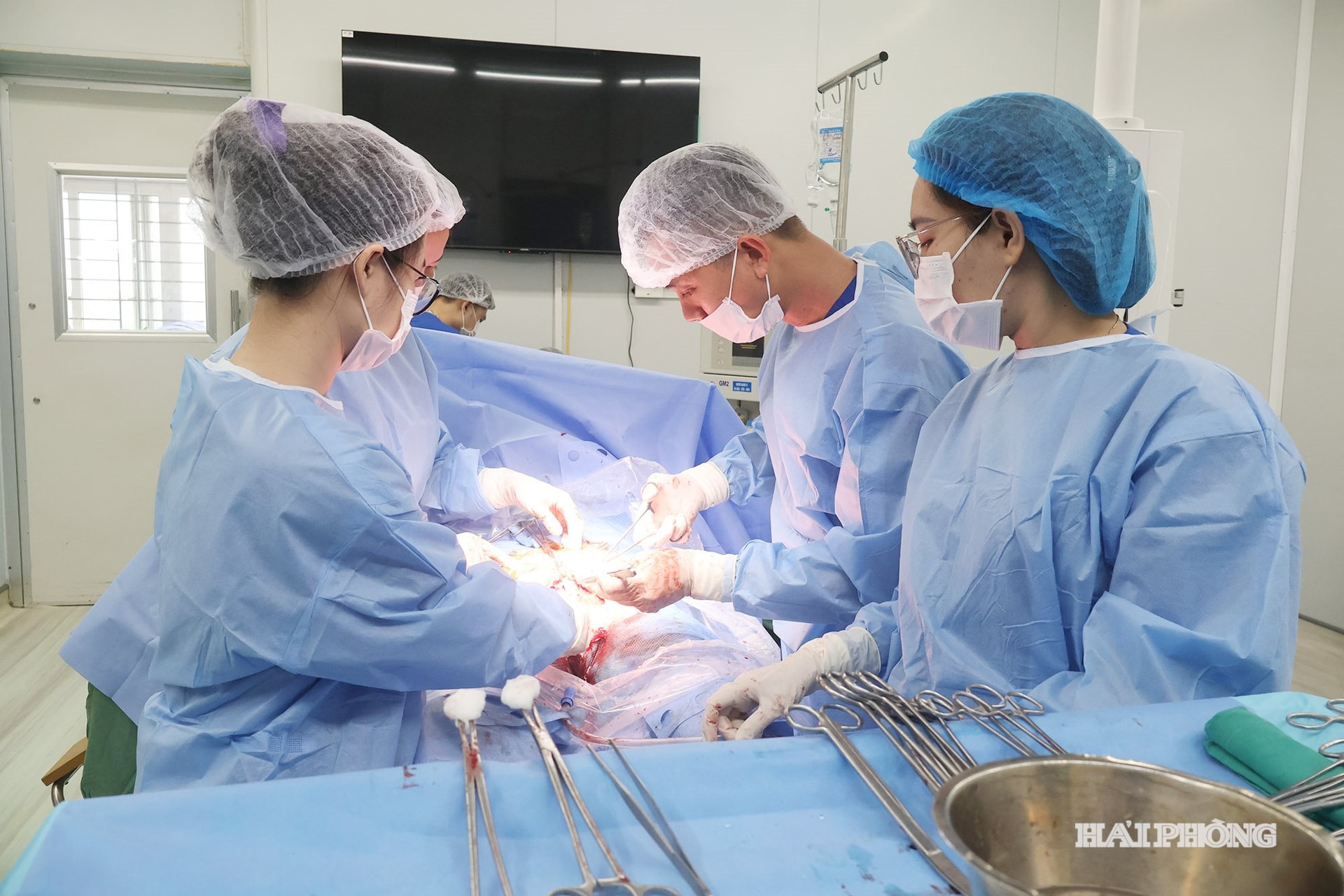
At Viet Tiep Friendship Hospital, doctors in the Obstetrics and Gynecology Department successfully performed surgery on a 25-year-old woman, BTTH, from Kim Thanh commune, who was carrying twins despite having a previous cesarean section scar from 21 months prior. This was not a long enough time for the uterus to fully recover, especially when carrying twins, which causes excessive stretching of the uterus.
The pregnant woman was admitted to the hospital with symptoms of dull abdominal pain and vaginal bleeding. After examination and ultrasound, doctors determined that she was carrying full-term twins in cephalic presentation, but there was a high risk of postpartum hemorrhage due to a previous cesarean section scar and anemia.
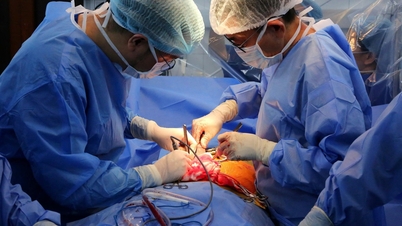
Recognizing the risks, the team proactively performed a cesarean section while simultaneously implementing measures to prevent postpartum hemorrhage. After delivery, the mother was given medication to contract the uterus, combined with hemostatic techniques such as uterine artery ligation and B-Lynch sutures. Thanks to thorough preparation, the surgery was safe. Two healthy baby girls were born, weighing 2.8 kg and 2.9 kg. The mother is stable and has not experienced any significant complications.
Another case at Hai Phong International General Hospital - Vinh Bao also illustrates the dangers of complications associated with cesarean sections. Patient VTT (38 years old, from Nguyen Giap commune) had a history of two previous cesarean sections and was admitted to the hospital during labor at 38 weeks of gestation. Prior to this, the patient had been advised to be monitored due to being in a high-risk group.
As the pain intensified, doctors quickly decided to perform surgery. During the operation, the team discovered that the uterus had ruptured at the site of the previous surgical scar – an extremely dangerous complication that could threaten the lives of both mother and child. Thanks to timely intervention, the doctors safely delivered the baby, repaired the uterus, and effectively controlled the bleeding. The baby, weighing 3.7 kg, was born healthy, and the mother was out of danger.
According to obstetric experts, uterine rupture is one of the most serious complications, often occurring in women with previous cesarean sections, especially when the interval between births is too short or the fetus is too large. Worryingly, this complication often has no clear warning signs.
Preventing complications
In Vietnam, the rate of cesarean sections has been on the rise for many years. According to some statistics, at many medical facilities, this rate has exceeded the World Health Organization's recommended threshold, reaching 40-50% in some places. Besides necessary medical indications, this situation also stems from the psychological tendency to "choose a specific day and time," fear of labor pain, or the desire for a quick and convenient delivery among some pregnant women and their families.
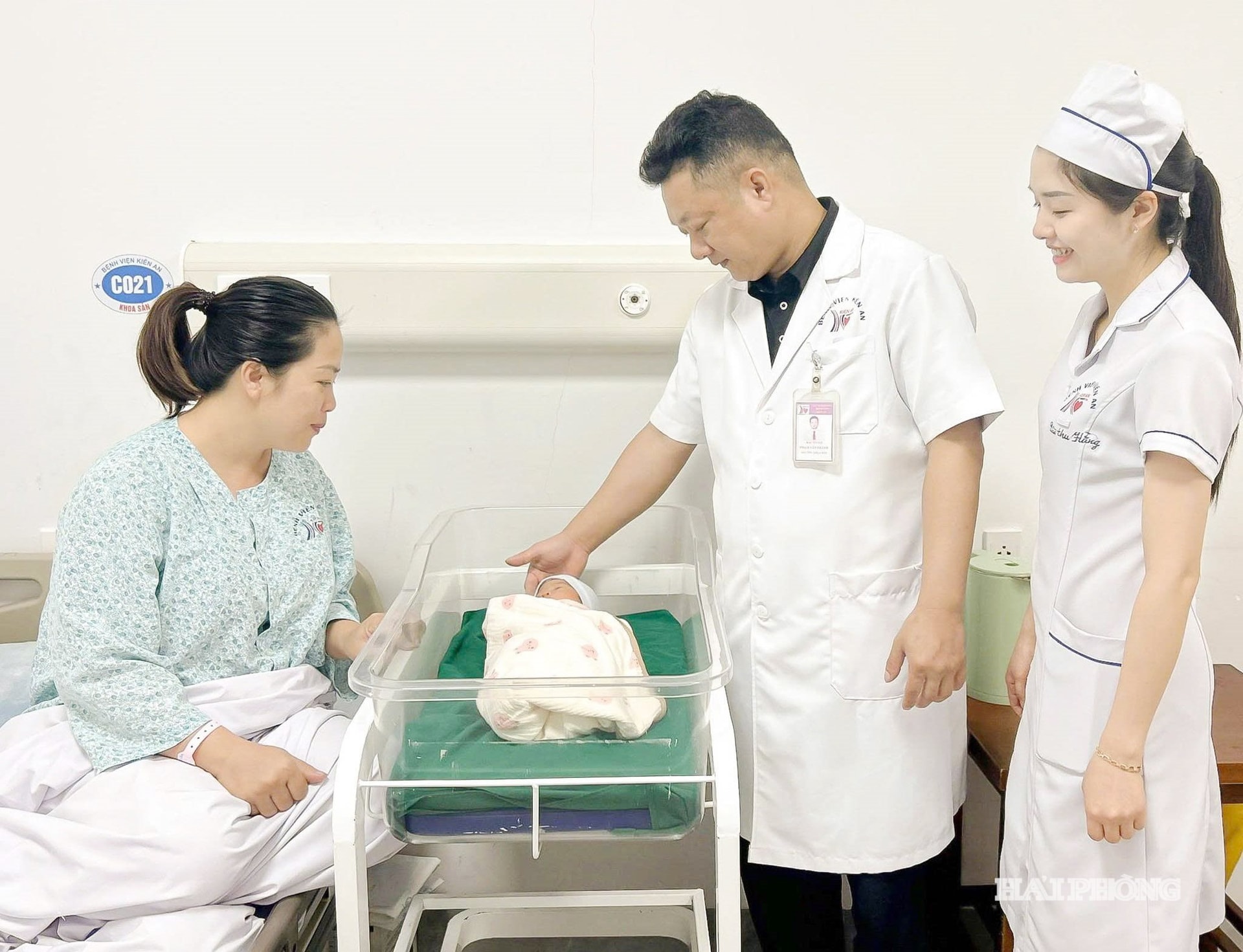
However, according to doctors, cesarean section is not the "absolutely safe" option that many people believe. It is a major surgery with many potential risks, both immediate and long-term. According to Dr. Le Anh Hung, Head of the Obstetrics and Gynecology Department at Viet Tiep Friendship Hospital, cesarean section can safely handle many emergency situations, but overuse can lead to significant consequences for subsequent pregnancies.
Specifically, women who have had a cesarean section are at a higher risk of complications such as uterine rupture or tearing in subsequent pregnancies; placenta previa, placenta accreta – a condition where the placenta is deeply attached to the uterine muscle causing massive bleeding; abdominal adhesions, making subsequent surgeries more difficult; postpartum hemorrhage, especially when the uterus contracts poorly; and an increased risk of premature birth or fetal adhesion to the old cesarean scar. Notably, in cases of twin pregnancies or large fetuses, the pressure on the uterus is even greater, increasing the risk of complications, especially when the surgical scar has not had enough time to heal.
Doctors recommend a safe interval of 18-24 months between two cesarean sections, ideally over 2 years, to ensure the durability of the uterine scar. Becoming pregnant too soon after a cesarean section can pose many risks and lead to unpredictable complications. Furthermore, pregnancy monitoring plays a crucial role. Women with a history of cesarean section should be managed at specialized medical facilities, undergoing early ultrasounds to assess the uterine scar and placental position, thereby promptly detecting and addressing any potential risks.
"You shouldn't be complacent about unusual signs such as prolonged abdominal pain, vaginal bleeding, or a feeling of tightness or pressure in the area of a previous surgical scar. These could be warning signs of dangerous complications," Dr. Hung emphasized.
NGOC THANHSource: https://baohaiphong.vn/can-trong-voi-rui-ro-khi-sinh-mo-542452.html




![[Image] Close-up view of the interchange connecting the two expressways and Long Thanh Airport.](https://vphoto.vietnam.vn/thumb/1200x675/vietnam/resource/IMAGE/2026/05/25/1779703378210_ndo_br_z7863716673926-224453a31600126cce10622af6290afd-4549-jpg.webp)
























































































Comment (0)