In medicine, this disease is scientifically known as Melioidosis, also called Whitmore's disease. When the bacteria invade, it causes symptoms that are easily confused with common illnesses such as pneumonia: high fever, chills, cough, shortness of breath; tuberculosis: persistent mild fever, weight loss, persistent cough; and dermatitis: pustules, abscesses, swelling and pain on the skin.
The most dangerous situation is when the bacteria enter the bloodstream, causing sepsis. At this point, the disease progresses extremely rapidly, leading to multiple organ failure, often leaving doctors and family members with no time to react. In some places, the mortality rate for this disease reaches 40%, a truly alarming figure.
How do germs get into the body?
The bacteria that cause earthworm fever are called Burkholderia pseudomallei. They are very resilient and survive in damp soil and contaminated water. They enter our bodies through three main routes:
1. Through the skin: This is the most common route. Just a tiny scratch from wading in a field or gardening and coming into contact with dirty mud will allow germs to enter.
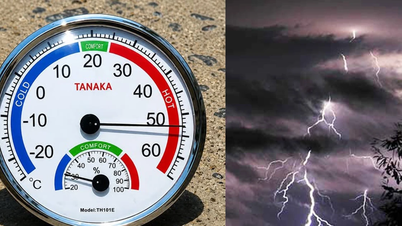
2. Through the respiratory tract: Inhaling dust containing germs, especially after heavy rains or thunderstorms.
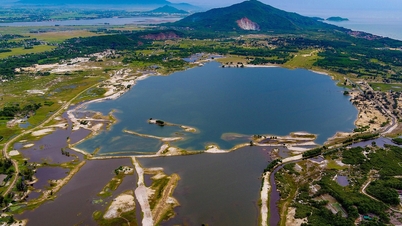
3. Through food and drink: Using untreated, unsanitary water from ponds and lakes.
Since there is no vaccine, prevention is key.
Currently, there is no vaccine to prevent Whitmore's disease. Treatment is also extremely difficult, requiring continuous intravenous administration of strong antibiotics for at least two weeks, followed by oral medication for six months to prevent recurrence.
Therefore, remember the principle of treating the disease better than curing it, using these four simple methods:
- Take precautions: When going to the fields, ditches, or gardening, try to wear rubber boots and gloves.
- First aid for wounds: If you get a scratch, wash it thoroughly with soap under running water, disinfect it immediately, and avoid contact with mud or dirt until it heals completely.
- Cook food thoroughly and boil water: Absolutely do not use untreated water for eating, drinking, or daily activities. Aquatic food must be soaked and rinsed with salt water. This is especially important for high-risk groups: people with underlying conditions such as diabetes, chronic kidney disease, or alcoholism have weaker immune systems, and if they contract this disease, it will be very severe.
Dr. Nguyen Thanh Uc
Source: https://tuoitre.vn/canh-giac-sot-dat-can-benh-xuat-hien-tu-bun-dat-20260420060009683.htm






































































































Comment (0)