A dream of playing professional football left unfulfilled.
Flavio (23 years old), born in the French archipelago of Guadeloupe, was once a promising football player. At the age of 17, while preparing to sign a contract with a professional football club, he discovered he had sepsis due to meningococcal meningitis, with only a 1% chance of survival.
The initial symptoms of the disease were vague, such as just a fever and a sore throat like a cold or flu, causing him to miss early treatment. Although his life was saved, Flavio had one leg amputated due to the rapid progression of the disease and necrosis of the blood vessels.

Flavio was a promising football player before he contracted meningococcal disease (Photo: Provided by the subject).
Watching her son go from being healthy with a bright future to becoming disabled, Catherine Nordey, Flavio's mother, couldn't believe it and regretted not knowing about the disease and therefore not vaccinating him. Flavio isn't alone; many others suffer the consequences of meningococcal disease. It's estimated that globally, there are approximately 1.2 million cases of meningococcal infection and around 135,000 deaths each year.

Flavio had to retire from football at the age of 17 due to contracting a terrible meningococcal disease (Photo: Vo Thoai).
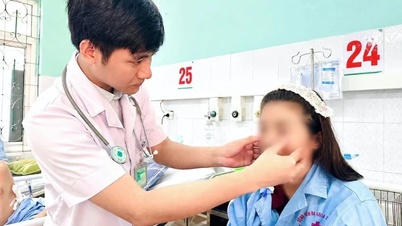
In Vietnam, from December 2024 to the present, the country has recorded 95 cases of meningococcal disease. Most recently, an 11-year-old girl in Duong Hoa commune, Hanoi, contracted the disease before being vaccinated. Prior to that, a 14-year-old boy in Dak Lak was diagnosed with meningococcal disease causing fulminant septic shock and limb necrosis.
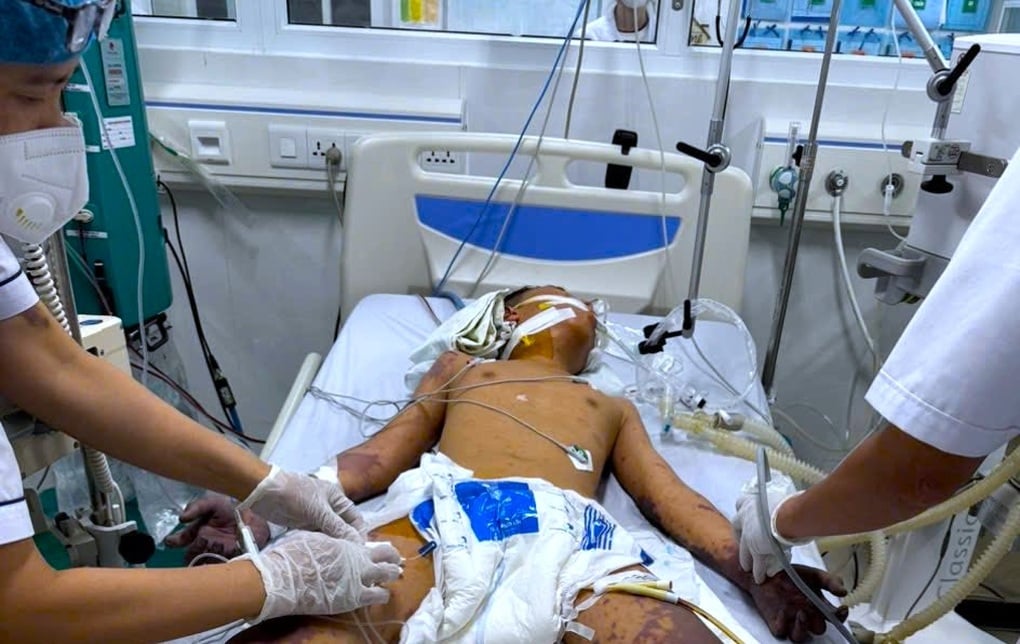
A 14-year-old boy in Dak Lak suffered fulminant meningococcal septic shock in September 2025 (Photo: Gia Lai Central General Hospital).
Meningococcal bacteria are highly contagious, and teenagers are most susceptible.
Dr. Nguyen Le Nga, Medical Manager at VNVC Vaccination System, stated that meningococcal bacteria cause various diseases such as meningitis, sepsis, arthritis, and pericarditis. Among these, the two most common and dangerous are meningitis and sepsis, which can be fatal within 24 hours.
Without timely treatment, the mortality rate for patients can reach 50%. 10-20% of survivors experience severe sequelae such as limb amputation, scarring, deafness, paralysis, and intellectual disability.
Meningococcal bacteria are present in the nasal and throat secretions of infected individuals or asymptomatic carriers, and are transmitted to healthy people through droplets when coughing, sneezing, or talking. The bacteria can also adhere to objects such as drinking glasses, cups, bowls, straws, etc., and are transmitted through shared use.

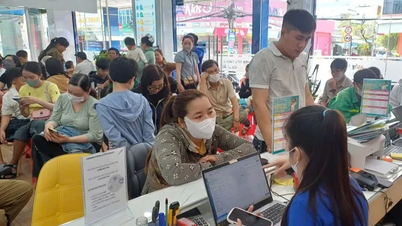
Eating and socializing in crowded places increases the risk of meningococcal meningitis among teenagers (Illustrative image: Shutterstock).
According to the US Centers for Disease Control and Prevention (CDC), among age groups with meningococcal disease, adolescents and young adults aged 16 to 23 have the highest incidence. In Vietnam, adolescents and adults account for 60% of reported meningococcal cases.
The reason is that teenagers often socialize and interact with many people, spending time in public places such as schools, dormitories, clubs, festivals, and restaurants, making them more susceptible to infection and increasing their risk of illness. This age group also frequently stays up late, smokes, and drinks alcohol, which weakens their immune system and makes them more vulnerable to disease.
Meanwhile, initial symptoms such as fever, headache, and sore throat are easily mistaken for a common cold or flu, leading to delayed treatment, increased risk of death, and severe long-term complications.
Vaccination is the most effective way to prevent disease.
According to Russian doctors, there are five common meningococcal serotypes circulating in Vietnam: A, B, C, Y, and W-135, with W and C having the highest mortality rates. Adolescents need to be fully vaccinated to receive broad protection against all five serotypes. If only vaccinated against one or a few serotypes, the body may still contract the disease because the remaining serotypes are not protected.
Currently, vaccines against the four ACYW serotypes are included in the mandatory or recommended immunization schedule for students in many countries such as the UK, the US, France, and Canada. According to research, since its introduction in the US, the ACYW vaccine has helped reduce the number of cases of illness in adolescents caused by the major serotypes C, Y, and W by up to 90%.
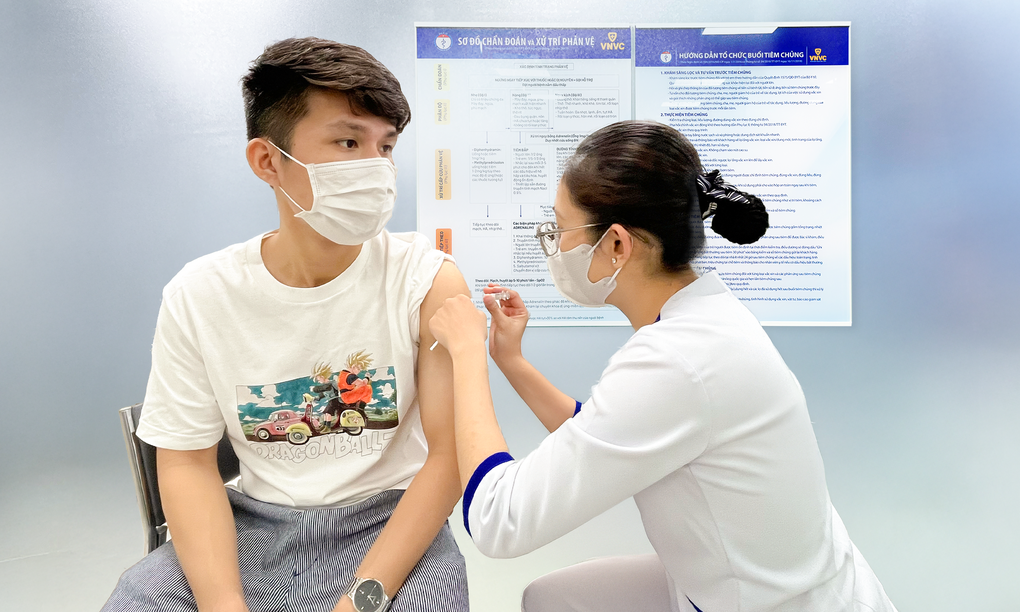
A young man receives a vaccine at the VNVC Vaccination System (Photo: Dieu Thuan).
In addition to vaccination, teenagers also need to prevent meningococcal disease by wearing masks in crowded places, boosting their immune system, eating a balanced diet, getting enough sleep, avoiding staying up late, and using stimulants.
Source: https://dantri.com.vn/suc-khoe/cau-thu-bong-da-phai-cat-bo-chan-vi-mac-benh-do-nao-mo-cau-20251204234424016.htm


![[Photo] First session of the 14th Congress of the Vietnam Trade Union](https://vphoto.vietnam.vn/thumb/1200x675/vietnam/resource/IMAGE/2026/06/03/1780465947883_ndo_br_img-3852-jpg.webp)



































































































Comment (0)