

Uses of the MSG plant
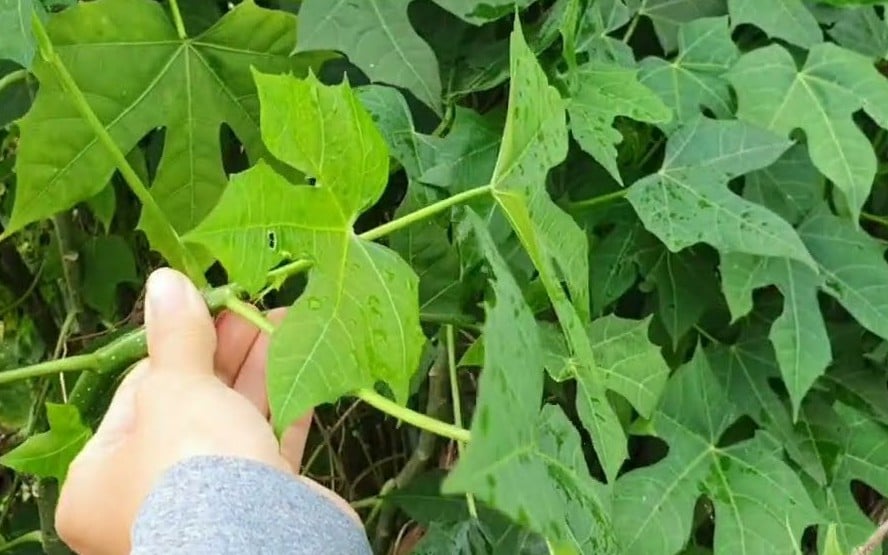
Chaya spinach, also known as MSG spinach (because it has a sweet umami flavor similar to MSG), originates from South America, particularly Mexico. According to records from Mexico, Chaya spinach is considered cooling and sweet. Mexicans use it to control diabetes, lower cholesterol, improve blood circulation, aid digestion, and help treat kidney stones or anemia. Additionally, according to Mayan folklore, Chaya spinach helps lower blood sugar and improve insulin response. It is also believed to support cardiovascular health by improving blood circulation, lowering high blood pressure, and reducing cholesterol and triglyceride levels. Chaya leaves are used as a mild laxative and to relieve digestive discomfort, bloating, and stomach ulcers.
However, natural MSG leaves contain cyanogenic glycosides, especially linamarin, which can release cyanide toxins when eaten raw. To ensure safety, the leaves must be boiled for at least 15-20 minutes and blanched once to completely remove the toxic compounds present in the MSG plant.
In what situations should you avoid eating vegetables with MSG?
MSG (monosodium glutamate) is a highly nutritious vegetable, known for its high content of vitamins, minerals, and antioxidants. It's a rich source of vitamin K, vitamins A, B, and C, iron, magnesium, and folate, making it a popular vegetable for boosting overall health. However, MSG isn't suitable for everyone. Some people should be cautious or avoid consuming MSG due to potential health risks or side effects.
Pregnant women in the late stages of pregnancy: Because MSG contains salicylate compounds, it can prolong labor and cause bleeding.
Children under 1 year old: Vegetables containing MSG have a high nitrate content, which the child's digestive system cannot fully process, easily leading to hypoxemia (oxygen deficiency in the blood).
For people with kidney stones or kidney disease: Spinach is high in oxalates, a natural compound that can bind with calcium and form kidney stones in those prone to the condition. For individuals with a history of calcium oxalate kidney stones or chronic kidney disease, consuming large amounts of spinach may increase the risk of stone formation or worsen kidney function.
People taking anticoagulants: While MSG (monosodium glutamate) is rich in vitamin K, a nutrient essential for blood clotting, this is beneficial for most people. However, it can interact with blood-thinning medications such as warfarin (Coumadin). Vitamin K may reduce the effectiveness of these medications, increasing the risk of blood clot formation.
People with iron overload disorders: MSG contains non-heme iron (the type of iron found primarily in plants), a form of iron that is more difficult to absorb than heme iron found in animal products. Therefore, for people with iron overload disorders such as hemochromatosis, even non-heme iron can contribute to excessive iron accumulation in the body. This can lead to organ damage and other complications.

Vegetables containing MSG are rich in nutrients, but some people should limit or be cautious when consuming them.
People with gout: Vegetables containing MSG contain purines, compounds that break down into uric acid in the body. High uric acid levels can lead to gout, a painful form of arthritis characterized by inflammation and joint pain. Therefore, people with gout can still eat them, but in small amounts and with longer intervals between meals, not continuously.
People with thyroid disorders : MSG contains goitrogenic substances, which can interfere with thyroid function by inhibiting iodine absorption. For people with hypothyroidism, Hashimoto's thyroiditis, or other thyroid disorders, consuming too much goitrogenic food like MSG can worsen their condition.
People with digestive problems: Vegetables containing MSG are high in fiber, which is generally beneficial for the digestive system. However, for those with sensitive digestive systems or conditions such as irritable bowel syndrome (IBS), inflammatory bowel disease (IBD), or small intestinal bacterial overgrowth syndrome (SIBO), the fiber in vegetables may cause bloating, abdominal distension, cramps, or diarrhea.
For those preparing for surgery: Since MSG (monosodium glutamate) is high in vitamin K1 – a substance that promotes blood clotting – it may affect the effectiveness of blood-thinning medications used before and during surgery. To ensure safety, you should stop eating MSG a few days before surgery.
People with calcium absorption problems : Spinach contains oxalates, which can bind to calcium and reduce the body's ability to absorb it. Although spinach itself is a good source of calcium, oxalates can prevent some of the calcium from being used by the body. People at risk of calcium deficiency, such as those with osteoporosis or postmenopausal women, should pay attention to their spinach intake and ensure they get enough calcium from other sources.
People sensitive to the substance in MSG: Although rare, some people may be allergic to MSG or other plants in the Amaranthaceae family (e.g., beets, nuts, spinach...). Symptoms of MSG allergy may include itching, swelling, hives, or in severe cases, anaphylactic shock.
Source: https://suckhoedoisong.vn/nhung-ai-khong-nen-an-rau-mi-chinh-169260603111740346.htm

![[Photo] General Secretary and President To Lam presides over a meeting with the Central Organizing Committee.](https://vphoto.vietnam.vn/thumb/1200x675/vietnam/resource/IMAGE/2026/06/03/1780482764658_a1-bnd-4741-3342-jpg.webp)

![[Photo] Secretary of the National Assembly Party Committee, Chairman of the National Assembly presides over the meeting of the Standing Committee and Executive Committee of the National Assembly Party Committee.](https://vphoto.vietnam.vn/thumb/1200x675/vietnam/resource/IMAGE/2026/06/03/1780480353201_ndo_br_bnd-2585-jpg.webp)
![[Photo] First session of the 14th Congress of the Vietnam Trade Union](https://vphoto.vietnam.vn/thumb/1200x675/vietnam/resource/IMAGE/2026/06/03/1780465947883_ndo_br_img-3852-jpg.webp)













































![[Video] Sunset at Lap An Lagoon – Where the sun sets over the fishing nets](https://vphoto.vietnam.vn/thumb/1200x675/vietnam/resource/IMAGE/2026/05/31/1780192137701_beach-landscape-sea-water-nature-grass-745871-pxhere-com.jpeg)





































Comment (0)