

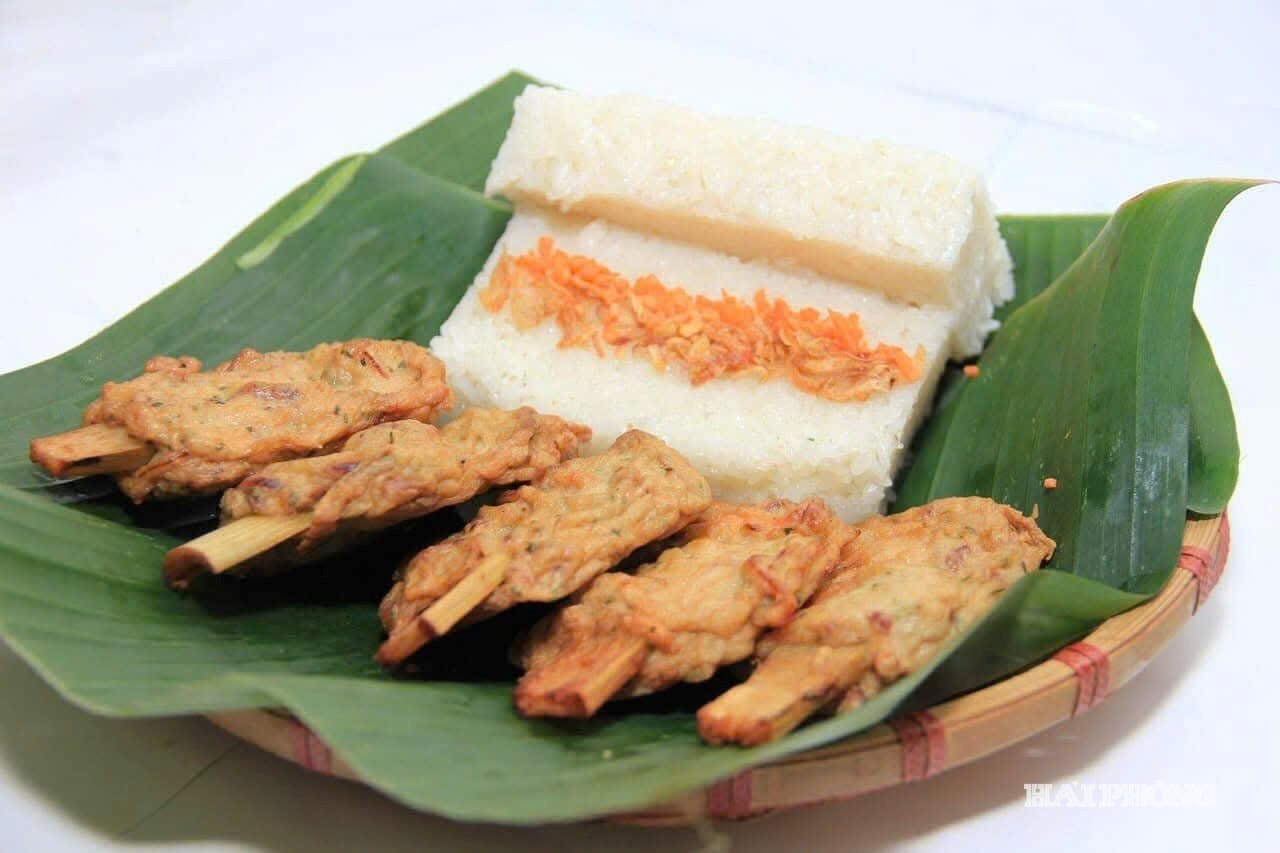
From folk variations
The crispy golden crust after frying, the soft yet chewy filling inside, the rich flavor of pork blended with dried squid, and a hint of pepper and dill... Especially the refreshing sweetness from the sugarcane core, all combine to create a dish that isn't overly complicated but is unique enough to leave a lasting impression.
Therefore, Ha Lung's cha chia (a type of Vietnamese sausage) has been included in the food tour map published by the Hai Phong Department of Culture, Sports and Tourism, as a suggestion for tourists who want to explore local cuisine.
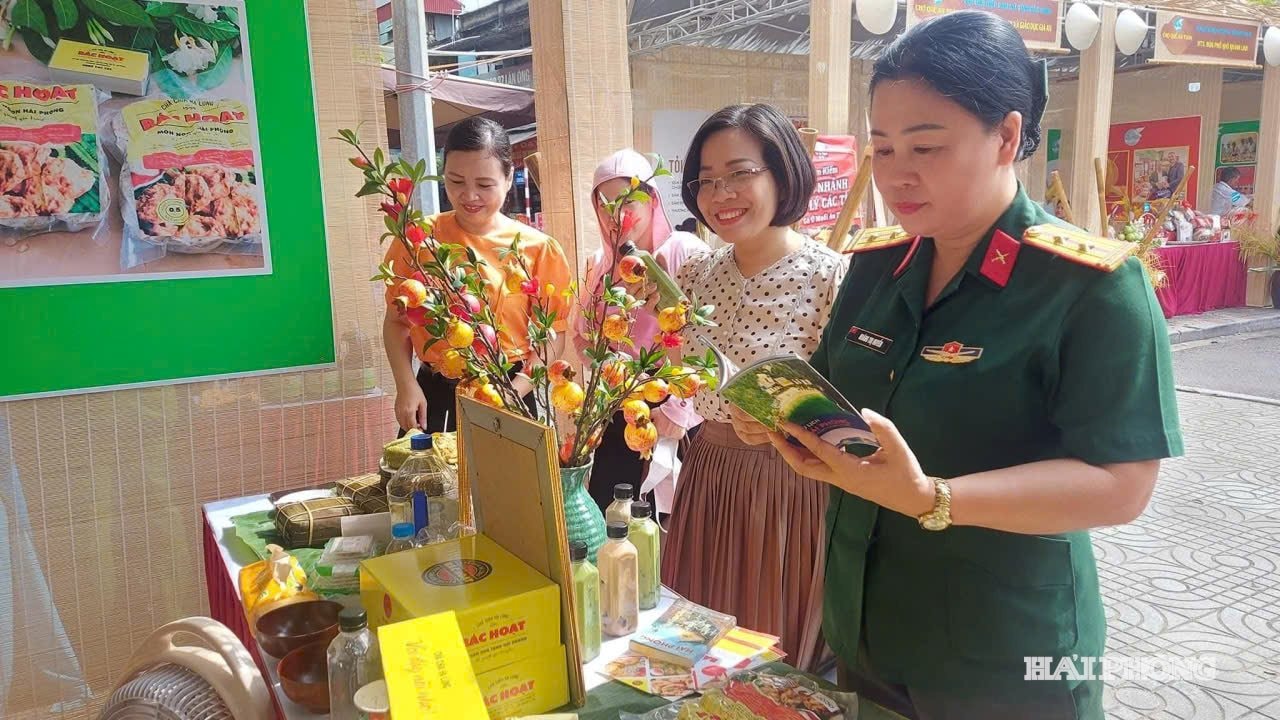
In Hai Phong, when people mention "cha chia," many will think of Ha Lung (Hai An ward) – the place where this dish originated and developed. Not only is it a familiar flower village, Ha Lung is also home to a family-run food processing craft, associated with the name of Mr. Le Khac Hoat. The story of "cha chia" began in the 1990s, when Mr. Hoat switched to making pork sausage and catering services during a time of economic hardship. From then on, he always wanted to find a unique product that would reflect the local culinary identity.
The idea of using sugarcane as the core of the sausage came to him quite by chance after stopping to eat grilled sugarcane on a cold night. The sweet, refreshing taste and subtle aroma of sugarcane made him think of combining it with Vietnamese sausage – a familiar ingredient that easily allows for variations. Initial experiments showed that the dish had a different appearance, but the flavor was not yet distinct enough. After many adjustments, and with the addition of dried squid – a characteristic ingredient of the Cat Ba coastal region – the recipe gradually became perfected.
Originally called "chả que" (stick-shaped patties), the dish naturally came to be known as "chả chìa" (puff patties), stemming from its presentation where the sugarcane pieces often protrude. This colloquial name has stuck with the dish for many years, becoming a cherished memory for many locals. The first batches of patties were sold at Lũng market, attracting buyers not only with their unusual appearance but also with the fragrant aroma that spread when fried. Gradually, the dish gained a more stable place in the culinary life of the region.
Come and experience familiar things.
Over time, chả chìa (a type of Vietnamese sausage) is no longer just found in markets but has become a familiar choice in family feasts, especially during holidays and Tet (Lunar New Year). Ms. Nguyen My Dung from Le Chan ward, Hai Phong, said that her family maintains the habit of buying chả chìa every year-end. "This dish is convenient because it can be preserved; you just fry it again when needed. Importantly, the taste is not greasy and goes well with other dishes on the feast table," she said.
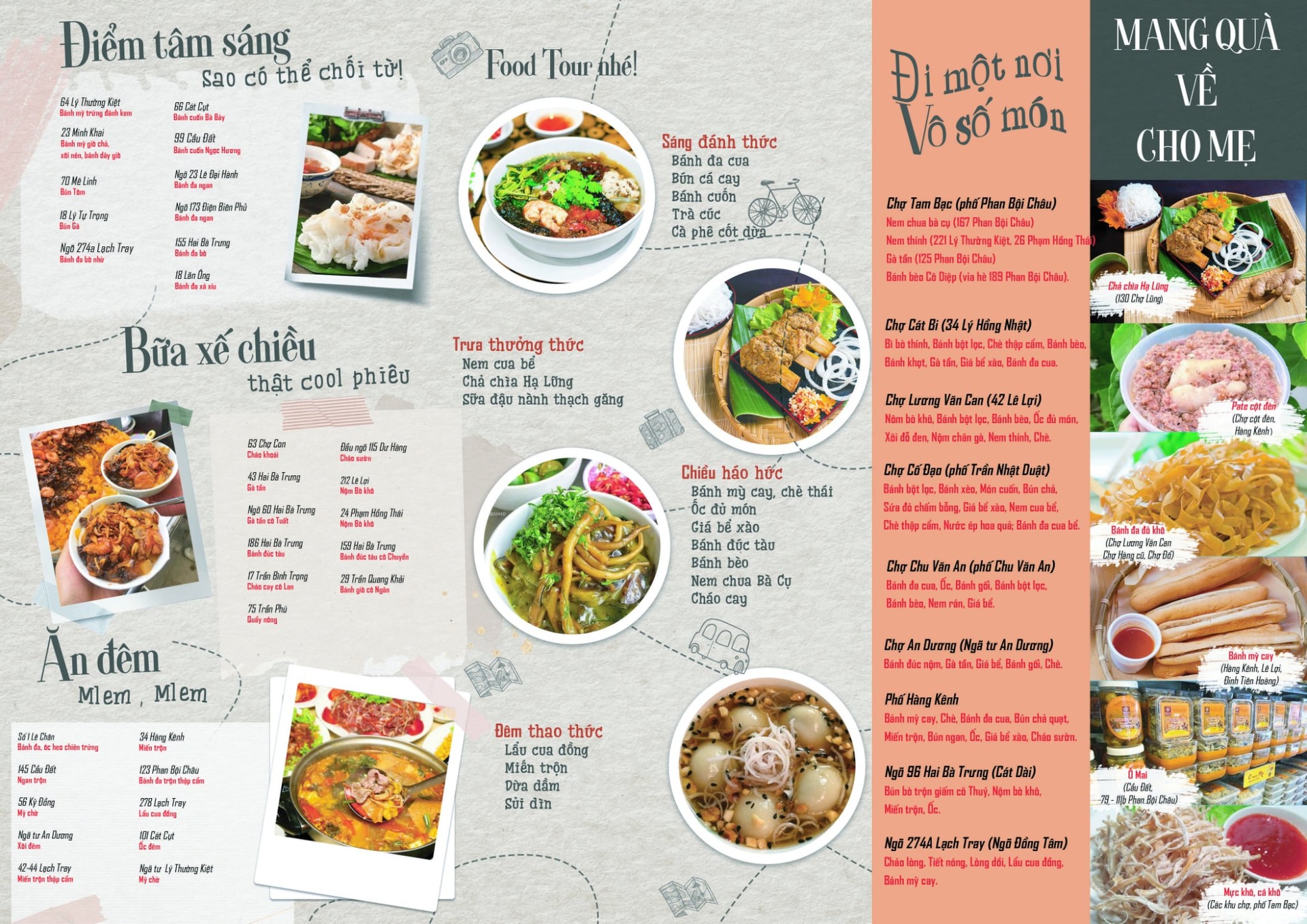
From another perspective, for tourists, chả chìa is often approached as a new experience. Mr. Tran Minh Tuan (Hanoi) said he learned about this dish through a food tour map during a trip to Hai Phong. “At first, I thought it was just another type of sausage, but when I ate it, I clearly saw the difference. The overall taste of chả chìa is delicious, truly reflecting the flavors of the coastal region,” he shared. After the trip, he still bought some packaged products to take home as gifts.
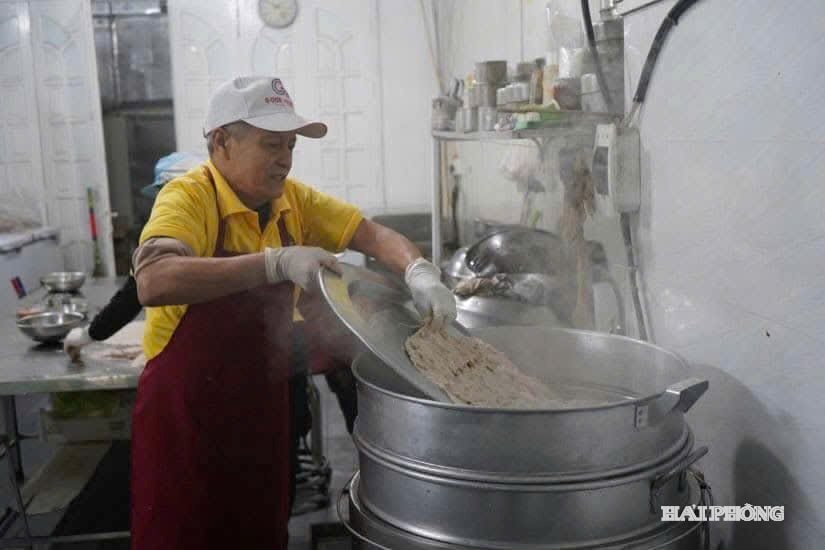
Currently, the basic method of preparing chả chìa (a type of Vietnamese sausage) hasn't changed much. The main ingredients remain fresh pork and dried squid, with shrimp or crab added depending on the establishment. The mixture is ground and kneaded thoroughly to create a pliable consistency, then wrapped around sugarcane sticks, steamed, and fried before serving. Although packaging and vacuum sealing have been added to facilitate transport, most of the process is still done manually, depending on the experience of the processor.
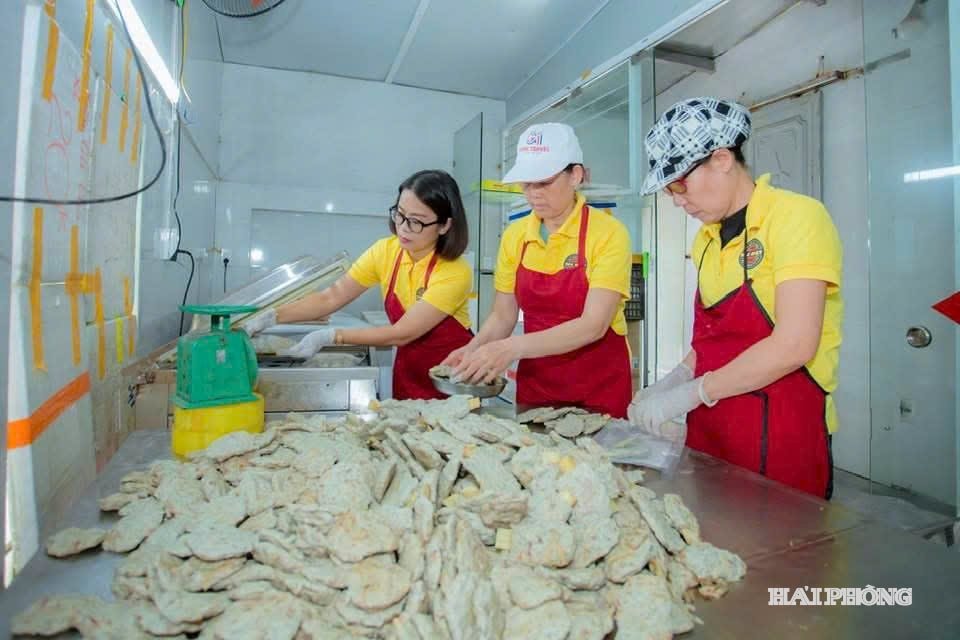
The recognition of Ha Lung's cha chia (a type of Vietnamese sausage) in the list of typical culinary dishes and its 4-star OCOP certification shows the appreciation for a local product. However, the value of the dish lies not only in the accolades, but also in how it has been maintained over many years on a family scale, linked to the experience and skills of the makers.
In the context of an increasingly diverse culinary landscape, with many new dishes emerging and changing rapidly according to tastes, Ha Lung's cha chia (a type of Vietnamese sausage) has maintained its traditional preparation methods, from ingredient selection to manual processes. This stability contributes to its unique identity and ensures the dish continues to be present in daily life, from family meals to culinary experiences for tourists visiting Hai Phong.
HA LINHSource: https://baohaiphong.vn/cha-chia-ha-lung-vi-rieng-dat-cang-538245.html

![[Photo] National Assembly Chairman Tran Thanh Man working with the Standing Committee of the Law and Justice Committee](https://vphoto.vietnam.vn/thumb/1200x675/vietnam/resource/IMAGE/2026/05/21/1779378929214_ndo_br_1-4610-jpg.webp)


![[Photo] General Secretary and President To Lam presides over a working session with the Central Policy and Strategy Committee on the development of the materials industry.](https://vphoto.vietnam.vn/thumb/1200x675/vietnam/resource/IMAGE/2026/05/21/1779359935432_a3-bnd-3129-1412-jpg.webp)































































Comment (0)