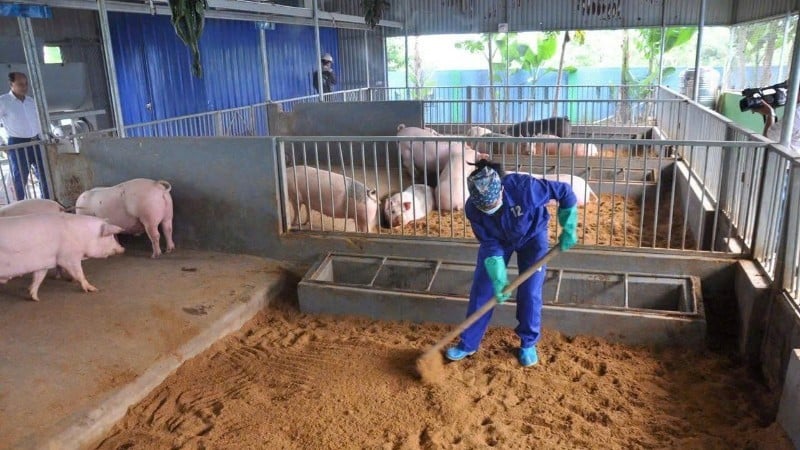
Biosecure pig farming helps control disease outbreaks.
The reasons include the large proportion of small-scale pig farming; difficulties in collecting and disposing of diseased pigs and handling waste at outbreak sites; and in some areas, the authorities and people have not fully understood the dangerous nature of the disease, etc.
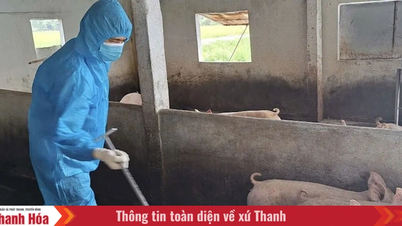
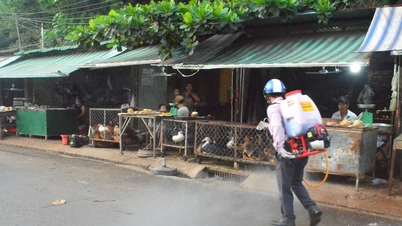
Many believe that, to prevent disease outbreaks, localities need to advise people to raise livestock in a biosecure manner; implement good hygiene, disinfection, and sterilization of livestock areas; and monitor and detect outbreaks early to handle them promptly…
The epidemic is developing in a complex manner.
According to the Ministry of Agriculture and Environment , by mid-August, the country had 926 active African swine fever outbreaks that had not yet passed the 21-day quarantine period, resulting in the forced culling of over 330,000 pigs. Significantly, the disease mainly occurred in small-scale pig farms that did not ensure biosecurity.
According to Le Dinh Hue, Head of the Livestock and Veterinary Department of Region 3 (Department of Livestock and Veterinary Medicine): “Currently, African swine fever is developing complicatedly, appearing in all 34 localities nationwide, especially in the northern provinces. The disease is causing heavy losses to livestock farmers due to the forced culling of infected pigs. Even herds of pigs raised by farmers that are not affected are facing difficulties in sales due to reduced demand; in some places, traders are taking advantage of the disease to force down prices for farmers.”
In Phu Tho province, more than 100 communes and wards have reported outbreaks of African swine fever, resulting in the culling of over 70,000 pigs and significantly impacting local farmers. Despite having 10 years of experience in pig farming, Mr. Nguyen Van Hong's family in Son Dong commune faced hardship due to their open-pit farming practices and inadequate hygiene, disinfection, and sterilization. Mr. Hong shared: "My family raised 20 sows, and the disease killed all of them, causing a loss of approximately 300 million VND."
Currently, African swine fever is spreading rapidly, appearing in all 34 provinces nationwide, especially in the northern provinces. The disease is causing heavy losses for pig farmers due to the forced culling of infected pigs. Even those raising pigs in households that are not affected are facing difficulties in selling their stock due to reduced demand; in some areas, traders are taking advantage of the outbreak to force down prices for farmers.
Mr. Le Dinh Hue, Head of the Livestock and Veterinary Sub-Department Region 3 (Department of Livestock and Veterinary Medicine)
Similarly in Ha Tinh province, the disease is also developing complicatedly, with outbreaks occurring in 45 communes, resulting in the forced culling of over 10,000 pigs and causing significant losses for livestock farmers. According to Nguyen Thanh Hai, Deputy Director of the Department of Agriculture and Environment, the Provincial People's Committee has directed the mobilization of the entire political system to participate in disease prevention and control efforts, aiming to minimize losses, protect livestock, and ultimately control the outbreak. Recently, functional units have taken decisive action to handle over 30 cases of illegal slaughtering, transportation of pigs, and dumping of dead pigs into the environment.
African swine fever not only causes damage to small-scale pig farmers but also threatens large-scale farms. Local authorities and relevant agencies have been focusing on disease prevention and control, strictly monitoring the slaughter, trading, transportation, and consumption of pigs of unknown origin.
Nevertheless, disease prevention and control in localities face many difficulties due to the large livestock population, which is mainly small-scale farming, lacking biosecurity and disease safety standards, and with low vaccination rates. Furthermore, some localities have limited capacity to organize disease control, culling of infected pigs, and waste disposal at outbreak sites due to insufficient personnel and funding for chemicals, lime, etc. Some localities fail to detect outbreaks in a timely manner or conceal them, only intervening when the outbreak has spread widely…
Staying safe during the pandemic.
In the context of the livestock industry facing numerous challenges due to disease outbreaks, alongside pressure to protect the environment and the increasingly high demands of the market, biosecurity in livestock farming is an urgent requirement. In fact, even with the African swine fever outbreak, surveys show that many households applying biosecurity practices remain safe during the epidemic.
Mr. Dang Dinh Vinh, from Xuan Loc commune (Ha Tinh province), recalled: "In 2015, my family invested in building a medium-sized pig farm. However, in 2019, African swine fever killed 70 fattening pigs and 10 sows, causing nearly 500 million VND in losses. At that time, my family was very worried because we had invested heavily in infrastructure; not restocking would be wasteful, but raising pigs again was risky due to the risk of disease."
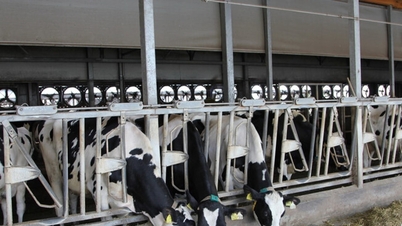
Therefore, after careful research, at the end of 2022, Mr. Vinh's family switched to partnering with Que Lam Group to raise pigs using biosafety practices. Currently, his family raises 10 sows and 50 fattening pigs. The pigpens have a cooling system in the summer and are airtight in the winter; the floor is covered with rice husks mixed with probiotics as bedding to treat waste; and access to the pigpens is strictly controlled. As a result, the pig herd thrives, is free from disease, and the Que Lam Group guarantees the purchase of the product at 65,000 VND/kg.
Also participating in biosecure farming in partnership with Que Lam Group, Mr. Tran Van Son's family in Dan Hai commune (Ha Tinh province) currently maintains a safe pig herd against African swine fever. Mr. Son stated: “Traditional farming methods, with few disease prevention measures and untreated waste, make pigs highly susceptible to disease. Since adopting biosecure farming practices with feed and water mixed with microbial preparations, the pigs are very healthy. Furthermore, the pigpens have less odor, ensuring a clean environment for surrounding residents and providing disease safety, resulting in high returns for the farmers. Currently, the family raises eight sows and 160 fattening pigs per year, with an average annual profit of nearly 300 million VND.”
Biosecure livestock farming helps people proactively control diseases, especially African swine fever, which is currently developing in a complex manner. This is also an inevitable trend for the sustainable development of the livestock industry in the future.
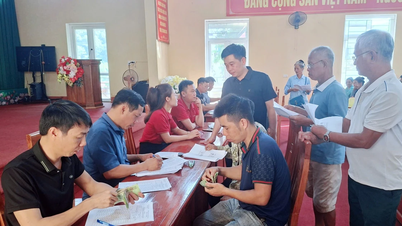
At a recent seminar on biosafety, circular farming solutions, and the application of microbial technology in preventing and controlling African swine fever, organized by the National Agricultural Extension Center in Ha Tinh, many opinions suggested that, in order to expand biosafety farming practices, in the future, management agencies need to research and develop mechanisms and policies to support and encourage people to switch from traditional farming to disease-free and organic farming; and focus on developing farming along the value chain.
According to Deputy General Director of Que Lam Group, Khac Ngoc Ba, the Group is implementing biosafety pig farming in many localities nationwide. When participating in the linkage program, people receive training on farming processes, disease prevention and control, and waste management. To date, the Group has linked hundreds of biosafety farming models with local people, helping to supply safe meat products to consumers.
At a recent seminar on biosafety solutions, circular farming, and the application of microbial technology in preventing and controlling African swine fever, organized by the National Agricultural Extension Center in Ha Tinh, many opinions suggested that, in order to expand biosafety farming, in the future, management agencies need to research and develop mechanisms and policies to support and encourage people to switch from traditional farming to disease-free and organic farming; focusing on developing farming along the value chain. At the same time, it is necessary to strengthen control over the transportation, slaughter, and consumption of products in a safe manner; and to plan concentrated farming and slaughtering areas that meet hygiene and safety standards, helping to control disease outbreaks.
nhandan.vn
Source: https://baolaocai.vn/chan-nuoi-theo-huong-an-toan-sinh-hoc-post880281.html

























![[Photo] Reception to welcome General Secretary and President To Lam and his wife on their State visit to the Philippines](https://vphoto.vietnam.vn/thumb/1200x675/vietnam/resource/IMAGE/2026/06/01/1780295488620_vna-potal-chieu-dai-chao-mung-tong-bi-thu-chu-tich-nuoc-to-lam-va-phu-nhan-tham-cap-nha-nuoc-toi-philippines-8798060-7855-jpg.webp)

























































Comment (0)