

According to AP, hotels in North America have not yet received the expected economic benefits from the 2026 World Cup, with the tournament less than 30 days away.
According to a survey conducted by the Hotel and Lodging Association of America in April, bookings in most of the 11 US World Cup host cities were lower than expected. In cities like Kansas City, Boston, Philadelphia, San Francisco, and Seattle, many hotels reported even lower bookings than during the typical travel season. Meanwhile, in New York, Los Angeles, Dallas, and Houston, booking numbers were almost unchanged compared to previous years.
The association believes there are several reasons why tourists are hesitant, such as concerns about travel, the long waiting times for US visas, and the high cost of tickets to the tournament.
“I think everyone initially believed the World Cup would lead to a surge in hotel bookings. But with the current situation in the U.S. and around the world , things are going in a different direction,” said Michael Black, manager of the Cloud One hotel in Manhattan.
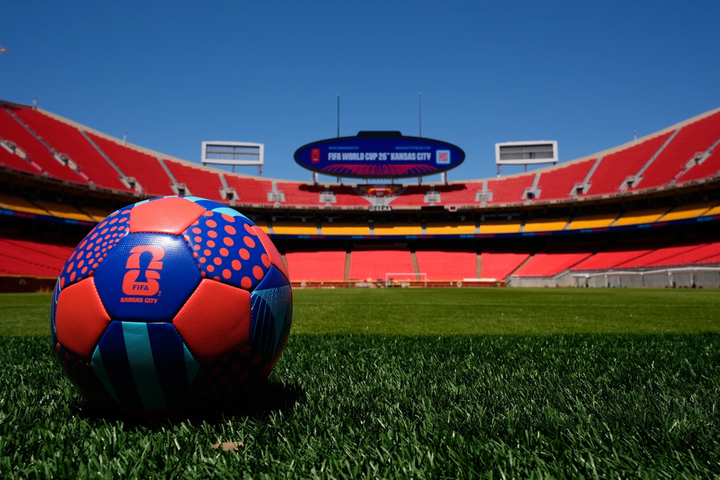
Hotels in North America have not yet received the expected economic benefits from the 2026 World Cup. (Source: AP)
Not only the US, but Mexico – co-hosting the World Cup with the US and Canada – is also facing a similar situation. According to the Mexican Hotel Association, hotels in Mexico City, where the opening match will take place on June 11th, are currently only at about 30-36% occupancy.
After the match schedule was announced, many hotels immediately raised their prices, believing that fans would be willing to pay exorbitant prices to watch the World Cup. Near MetLife Stadium in New Jersey, a hotel that normally charged around $200 per night raised its price to $800 on World Cup match nights. Before the final on July 19th, room rates even exceeded $1,300.
Ronan Evanin, head of the fan support organization Football Supporters Europe, believes that many long-time fans are still waiting for prices to drop.
"Those who are used to attending major tournaments understand that prices like this will eventually drop. Many hotel owners often quote excessively high prices, then have to frantically lower them closer to the event," he said.
According to Evain, many fans have opted to rent homes away from the stadium or use Airbnb and other short-term rental platforms to save money. A report from AirDNA shows that short-term bookings in areas around Kansas City, Seattle, San Francisco, Dallas/Fort Worth, and Miami/Fort Lauderdale have all increased compared to the same period last year.
Last week, Airbnb announced that the 2026 World Cup is likely to become the largest event in the platform's history in terms of the number of guests, surpassing even the 2024 Paris Olympics.
The International Football Federation (FIFA) says it has sold more than 5 million tickets out of a total of over 6 million expected for all 104 matches. However, economics professor Andrew Zimbalist of Smith College argues that major events like the World Cup often lead to a decrease in tourist numbers.
"Football fans, traffic congestion, rising prices, and security concerns could deter business travelers and ordinary tourists from coming," he said.
Vijay Dandapani, President of the New York City Hotel Association, said that summer bookings in the city have increased by about 10% compared to last year, but are still far from what FIFA and sponsors had promised.
In Vancouver, Canada, where seven matches are being held, the number of hotel bookings is currently lower than the same period last year. However, the local hospitality industry remains confident that the situation will improve as the tournament approaches.
In Kansas City, where about 90% of hotels surveyed reported lower-than-expected bookings, local tourism officials remain confident the city will see a record number of visitors during the World Cup.
“Although visitor numbers haven’t reached FIFA’s forecast, we still see many positive signs for the future,” said Derik Detter, Director of Market Research at Visit KC.
Jon Bortz, CEO of Pebblebrook Hotel Trust, also believes the situation is not yet alarming. According to him, room availability in many host cities is still higher than last year, although cities with major games like Boston attract more guests than cities with fewer exciting matches like San Francisco.
"We haven't seen any indication that the final result will be disappointing. The problem is probably just that many people had overly high expectations," he said.
Source: https://vtcnews.vn/chi-phi-world-cup-dat-do-khach-san-bac-my-nguy-co-e-phong-ar1018681.html


![[Photo] General Secretary and President To Lam presides over the meeting to approve the draft report on the results of the second inspection by the Politburo of the Standing Committee of the Hanoi City Party Committee.](https://vphoto.vietnam.vn/thumb/1200x675/vietnam/resource/IMAGE/2026/05/26/1779789811432_a2-bnd-4430-9620-jpg.webp)




















































































Comment (0)