

There are images that seem contradictory but clearly reflect a person's true nature. A few weeks ago, Jeff Bezos appeared at the Met Gala in a lavish outfit under the media spotlight. But that same billionaire, during a meeting at his factory, sat on the floor to discuss operations and tax policy with employees. These two contrasting images have led many to question: which is the "true version" of the Amazon CEO?
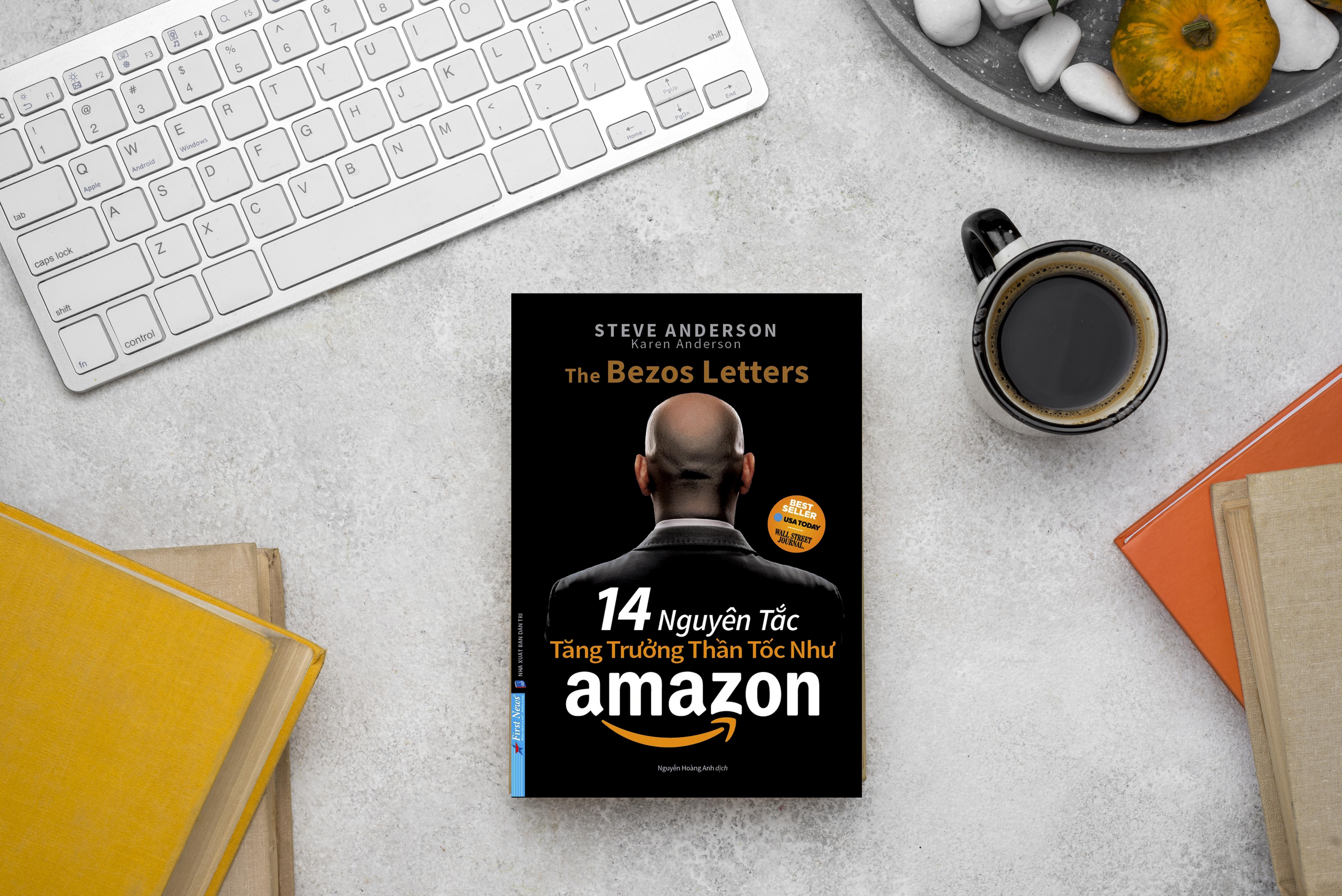
In fact, if you look at Amazon's journey, the answer probably appeared very early on, right in the famous story of the "wooden door desk" from 1994. When he first started his business, Bezos bought old wooden doors, added legs to make desks because it was cheaper than buying real office desks. This story later became a symbol of the principle of "Frugality" - one of the core philosophies mentioned in the book "14 Principles of Rapid Growth Like Amazon".
 |
However, it's worth noting that Amazon never viewed cost saving simply as cutting expenses. It was a ruthless but effective resource allocation philosophy. Bezos was willing to cut costs in areas that didn't directly create value for customers, instead focusing all his efforts on technology, logistics, data, and the shopping experience. For years, Amazon accepted lower profit margins to reinvest in its operations and innovation. This is what helped the corporation build a competitive advantage that is almost impossible to replicate.
This is also a point where many businesses today misunderstand the concept of "cost optimization." Many leaders equate saving money with cutting salaries, reducing benefits, or downsizing. However, if cuts are made immediately in departments that generate innovation and long-term value, the business can easily become an outdated machine, lacking the motivation for innovation and gradually losing talented employees.
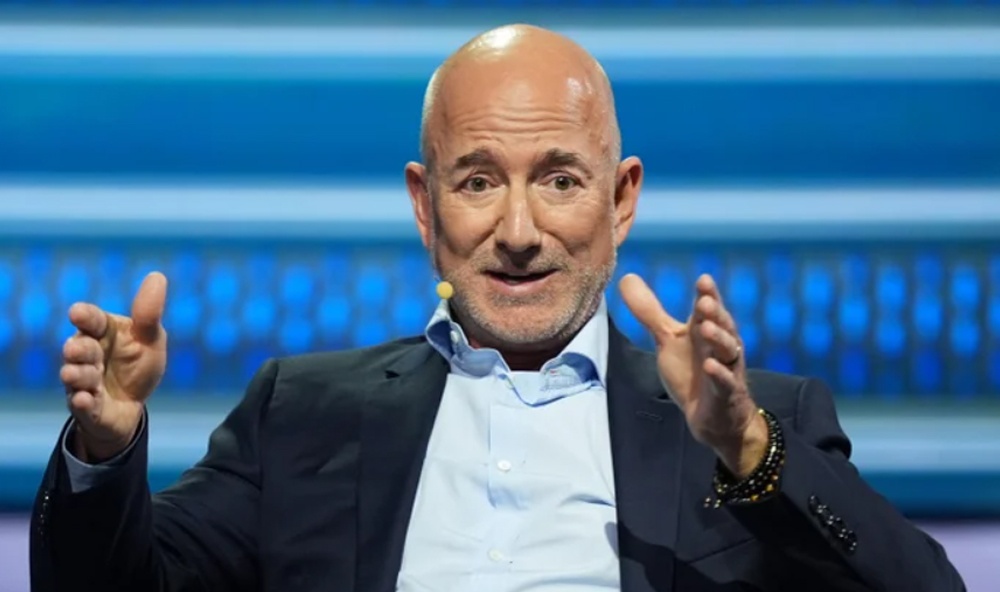 |
Billionaire Jeff Bezos - founder of Amazon. Photo: The Guardian |
Amazon, on the other hand, takes the opposite approach. They may cut unnecessary administrative costs, but they invest heavily in artificial intelligence, supply chains, and customer experience. This shows that true saving isn't about hoarding money, but about knowing where to invest it to generate long-term growth.
Nevertheless, Bezos's journey also reflects an interesting paradox of rapidly growing businesses: the larger they become, the more difficult it is to maintain their "startup DNA." Bezos's current extravagant image leads many to feel that he has strayed from his humble beginnings. But from a management perspective, this is not simply a personal story, but a challenge faced by every business empire as it expands to a global scale.
A startup can easily maintain a "Day One" spirit—a state of constant eagerness, flexibility, and readiness for change. But when a business reaches hundreds of thousands of employees, the massive structure easily leads to stagnation, bureaucracy, and a sense of security. Therefore, the lesson to learn from Amazon is not about imitating Bezos's frugal appearance or lifestyle, but about how they continuously maintain an innovative mindset even after becoming one of the world's largest corporations.
 |
The lesson to be learned from Amazon isn't about imitating Bezos's frugal lifestyle or appearance, but rather how they consistently maintain an innovative mindset even after becoming one of the world's largest corporations. Photo: Pinterest. |
In today's volatile economic climate, this lesson becomes even more thought-provoking. Many businesses rush into a growth race through advertising, expansion, or chasing short-term metrics, but lack long-term cost control and reinvestment strategies. As a result, revenue increases, but the operational foundation becomes increasingly fragile.
The "wooden door table" is therefore no longer just a simple startup anecdote. It symbolizes a management mindset that prioritizes what's essential. For sustainable growth, businesses must learn to control the "cost monster" instead of letting it devour all their resources. And perhaps, that is the greatest lesson Amazon has left for the business world.
Source: https://znews.vn/chiec-ban-cua-go-cua-jeff-bezos-tiet-lo-bi-mat-de-che-amazon-post1653487.html

![[Image] Close-up view of the interchange connecting the two expressways and Long Thanh Airport.](https://vphoto.vietnam.vn/thumb/1200x675/vietnam/resource/IMAGE/2026/05/25/1779703378210_ndo_br_z7863716673926-224453a31600126cce10622af6290afd-4549-jpg.webp)

![[Image] Hanoi's urban life under the challenge of a "scorching hot" environment](https://vphoto.vietnam.vn/thumb/1200x675/vietnam/resource/IMAGE/2026/05/25/1779706979265_nang-nong-t5-2026-minh-duy-7-4636-jpg.webp)


















































































Comment (0)