

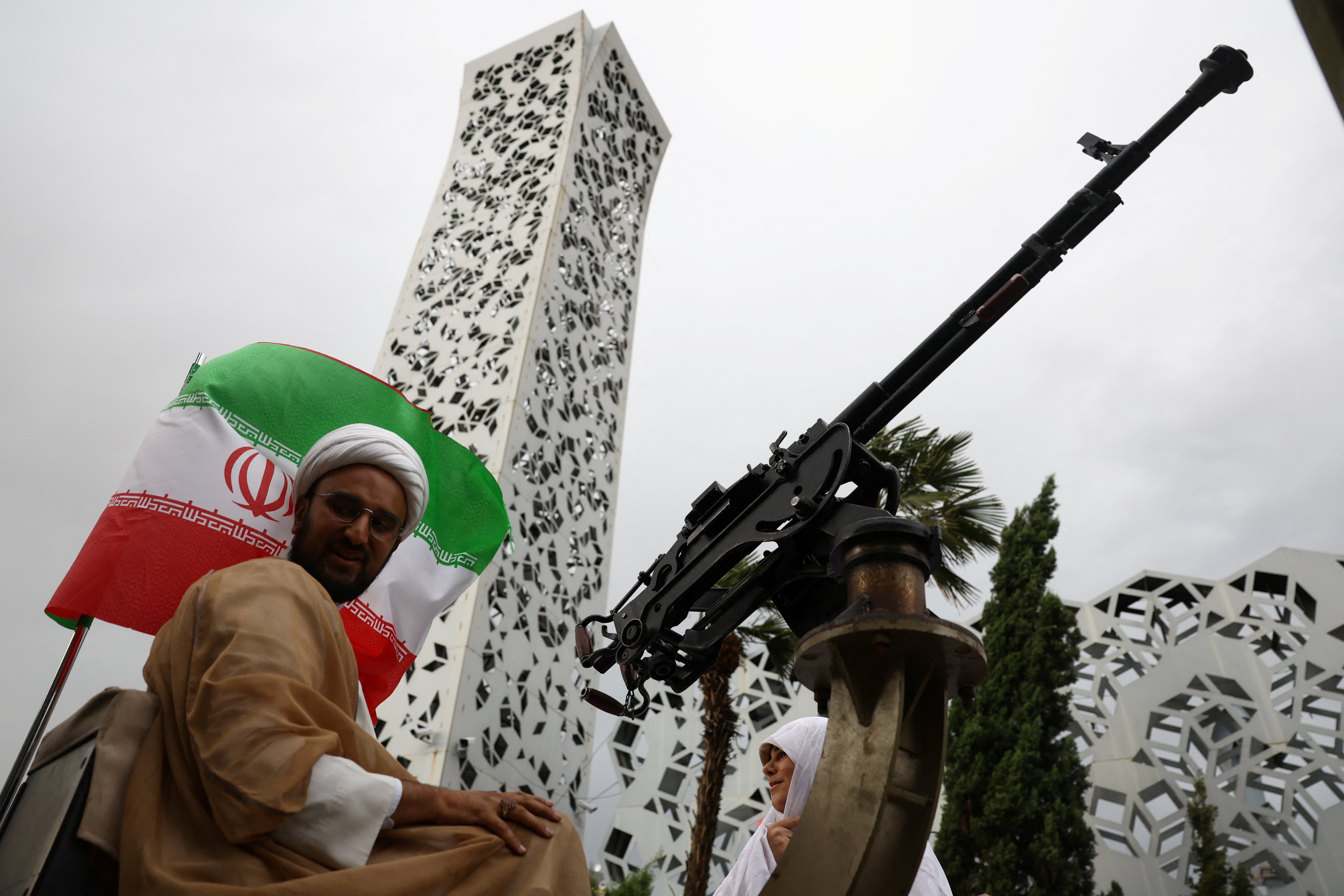
Three months after the US and Israel launched their attack on Iran, Washington's blockade of Iranian ports remains in place, and Tehran continues to maintain tight control over the Strait of Hormuz.
This situation creates a stalemate of "no agreement, no way out" for the Iran conflict. It is in this context that the risk of renewed hostilities continues to increase.
The risk of conflict increases in this stalemate.
According to Reuters , the growing concern among policymakers now is no longer whether the U.S. and Iran are close to reaching an agreement, but rather how long this tension will last before Washington or Tehran ignites a new conflict.
In the U.S. and Israel, calls for renewed attacks are growing. Some officials argue that increased pressure could weaken Tehran's leverage, forcing Iran back to the negotiating table.
Speaking to Reuters , several Iranian officials stated that the missile program, nuclear capabilities, and control of the Strait of Hormuz are not merely tools of leverage, but core strategic assets of vital importance, and ideological pillars that ensure the regime's survival.
Therefore, for Iranian officials, abandoning these issues is not a compromise or a concession, but a surrender.
"Iran is determined to use these assets to protect its interests. We fight, we may die, but we will not accept humiliation. Surrender is fundamentally against the identity of the Iranian nation," a senior Iranian official said, emphasizing that surrender is never an option.
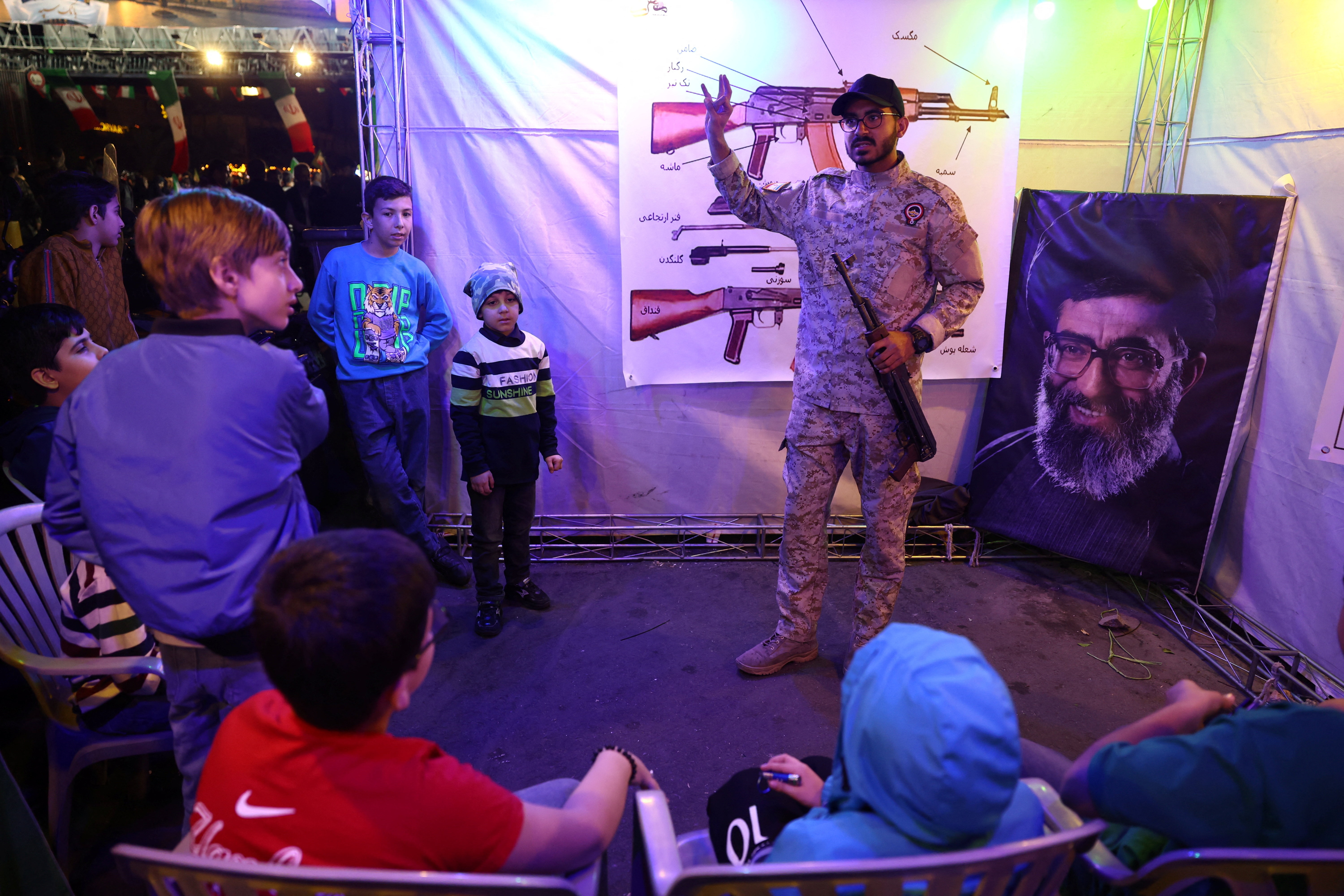 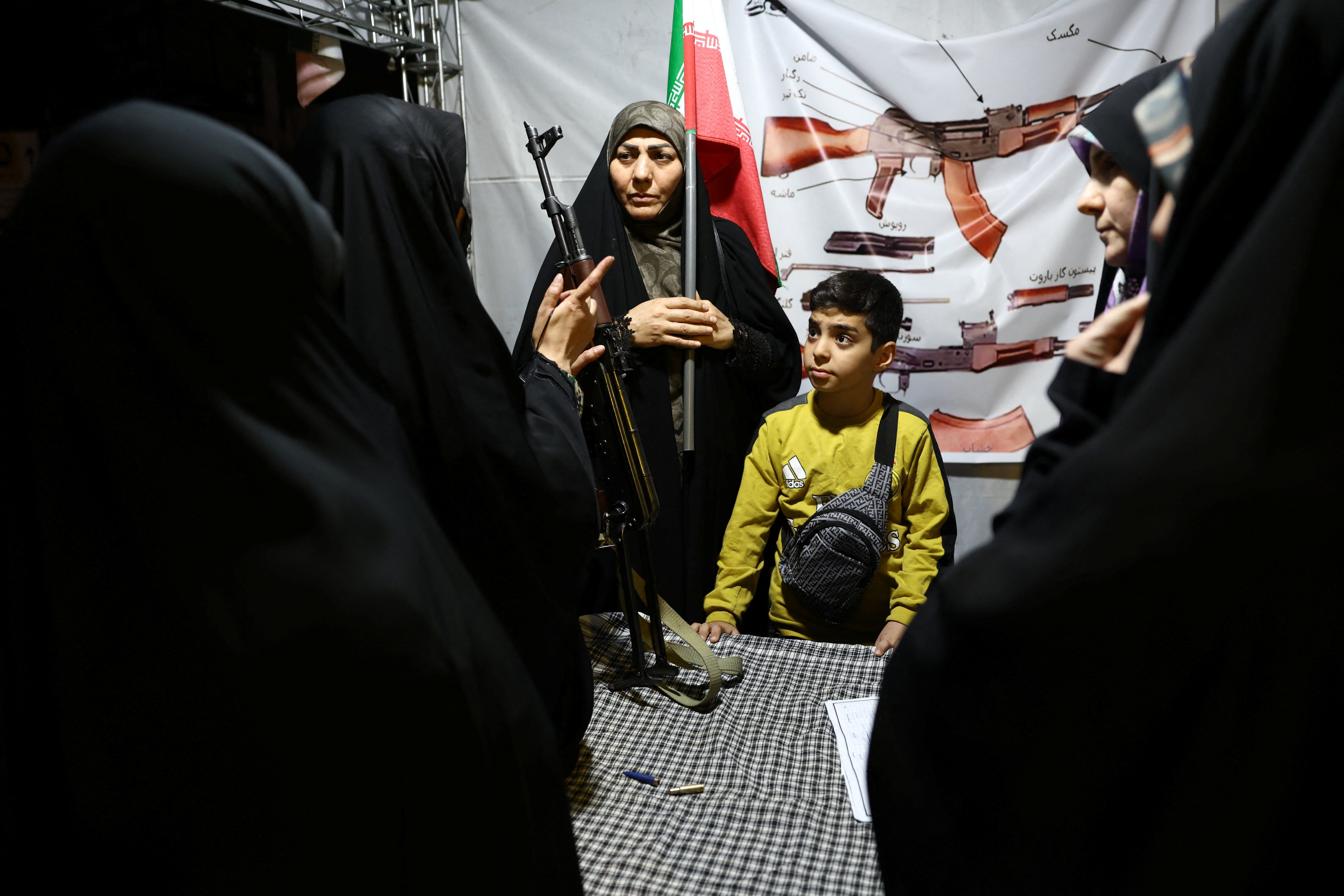 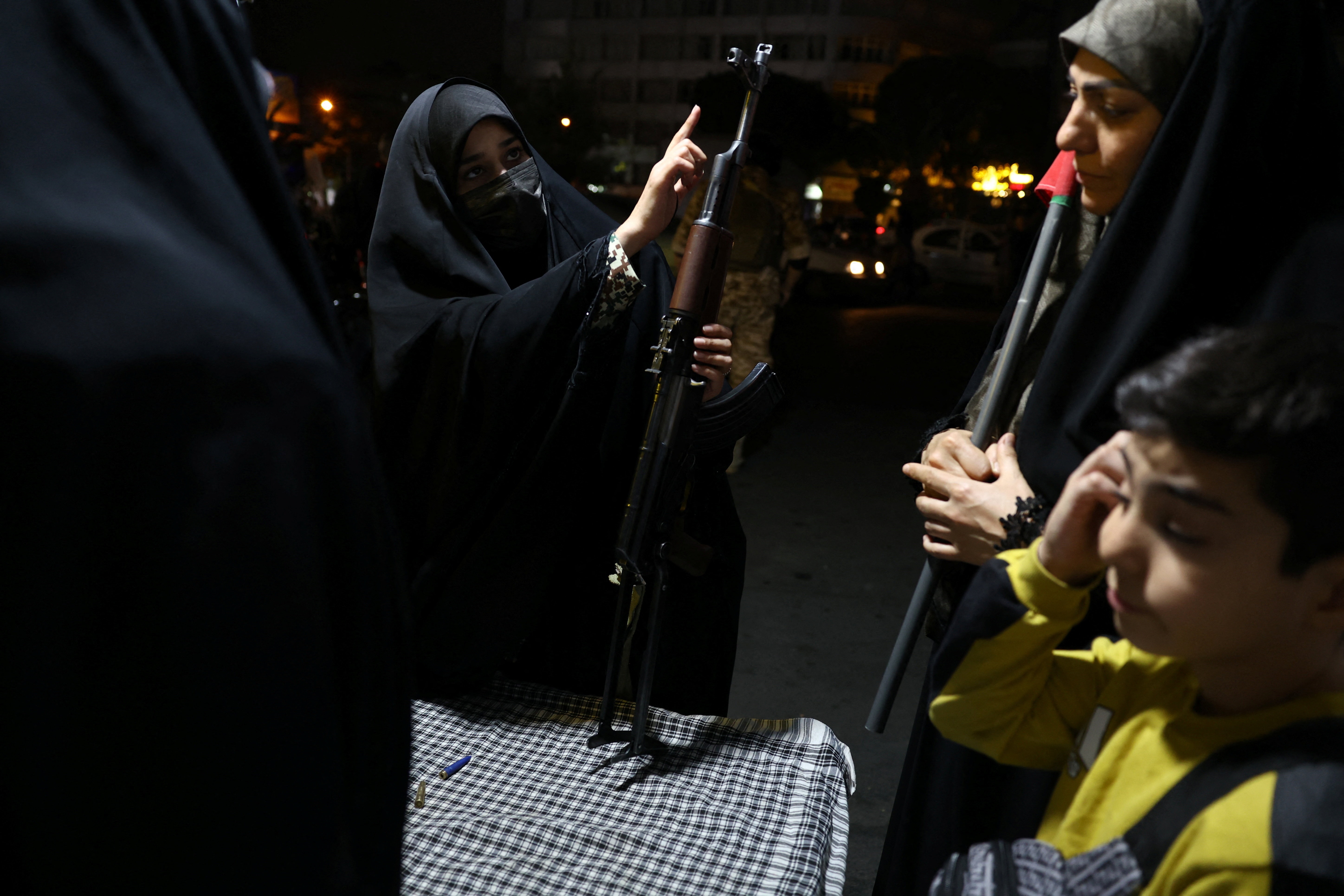 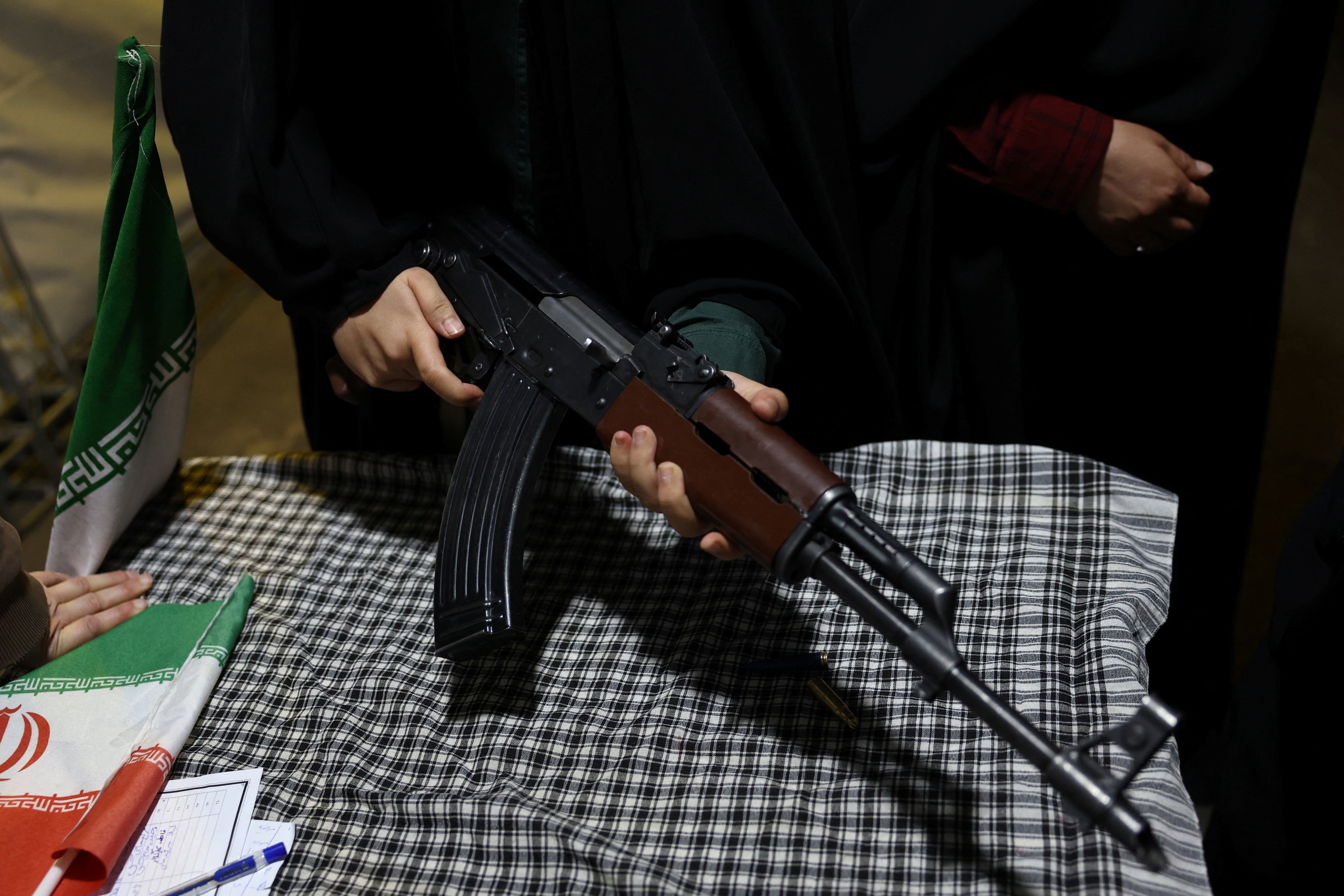 |
Iranian citizens can visit small kiosks set up by officials to learn how to use guns, a method seen as preparing the population for a potential return of hostilities. Photo: Reuters . |
Another Iranian official shared that Tehran has so far won, not by defeating Washington militarily , but by refusing to surrender.
According to this person, weeks of US and Israeli airstrikes have failed to weaken Iran's resolve, and have even reinforced the view that its uranium stockpile and control of the Strait of Hormuz are the foundation of Tehran's deterrence capabilities.
"If we abandon these core interests, the balance will collapse. Can the global economy withstand this pressure? That's the question Mr. Trump needs to answer for the world," the official analyzed.
According to this source, the new attacks will not change Iran's calculations but will only accelerate the escalation of the conflict with unpredictable consequences. Tehran will not abandon its uranium enrichment activities or succumb to ultimatums unless Washington takes steps to compromise.
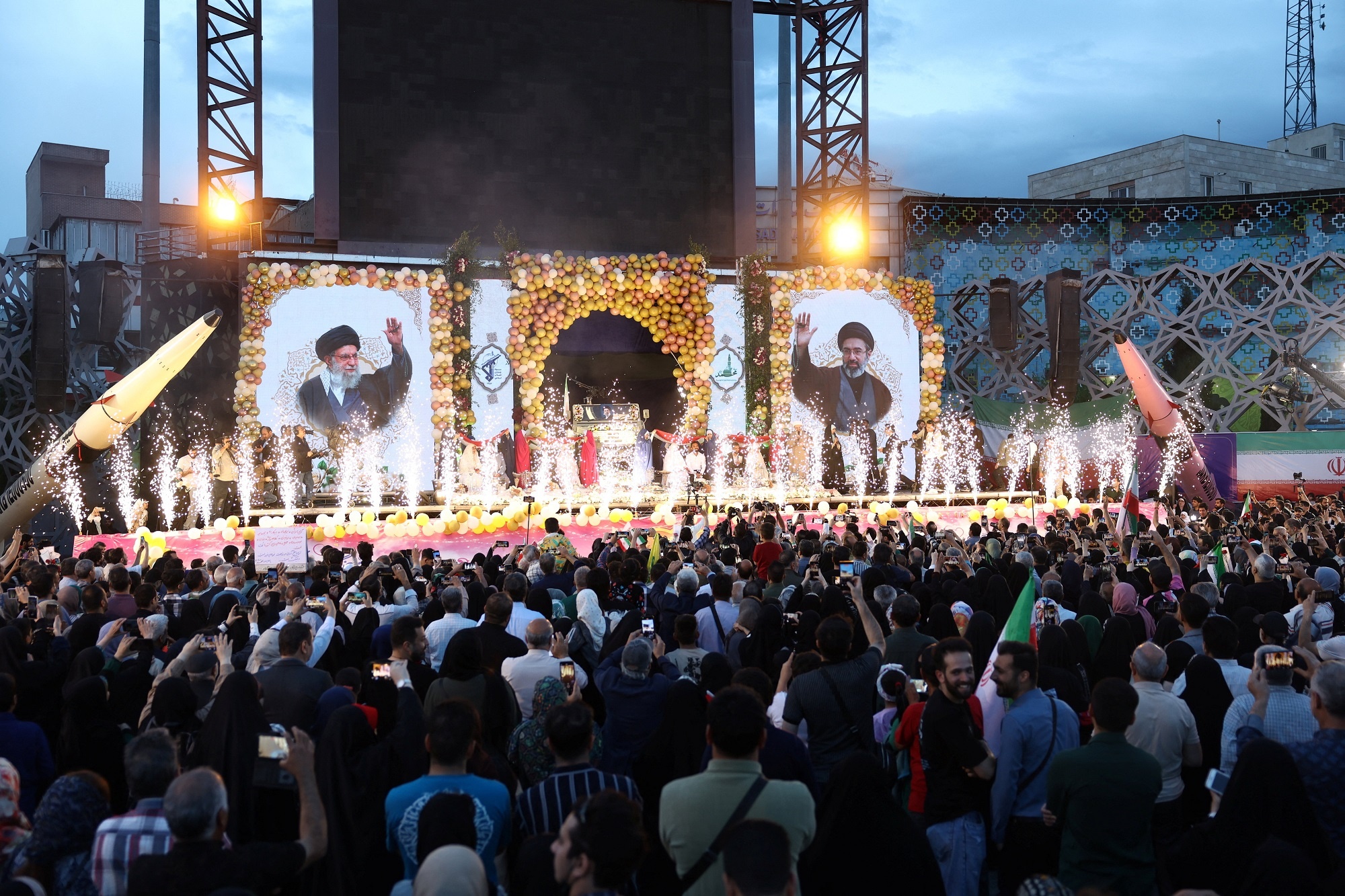 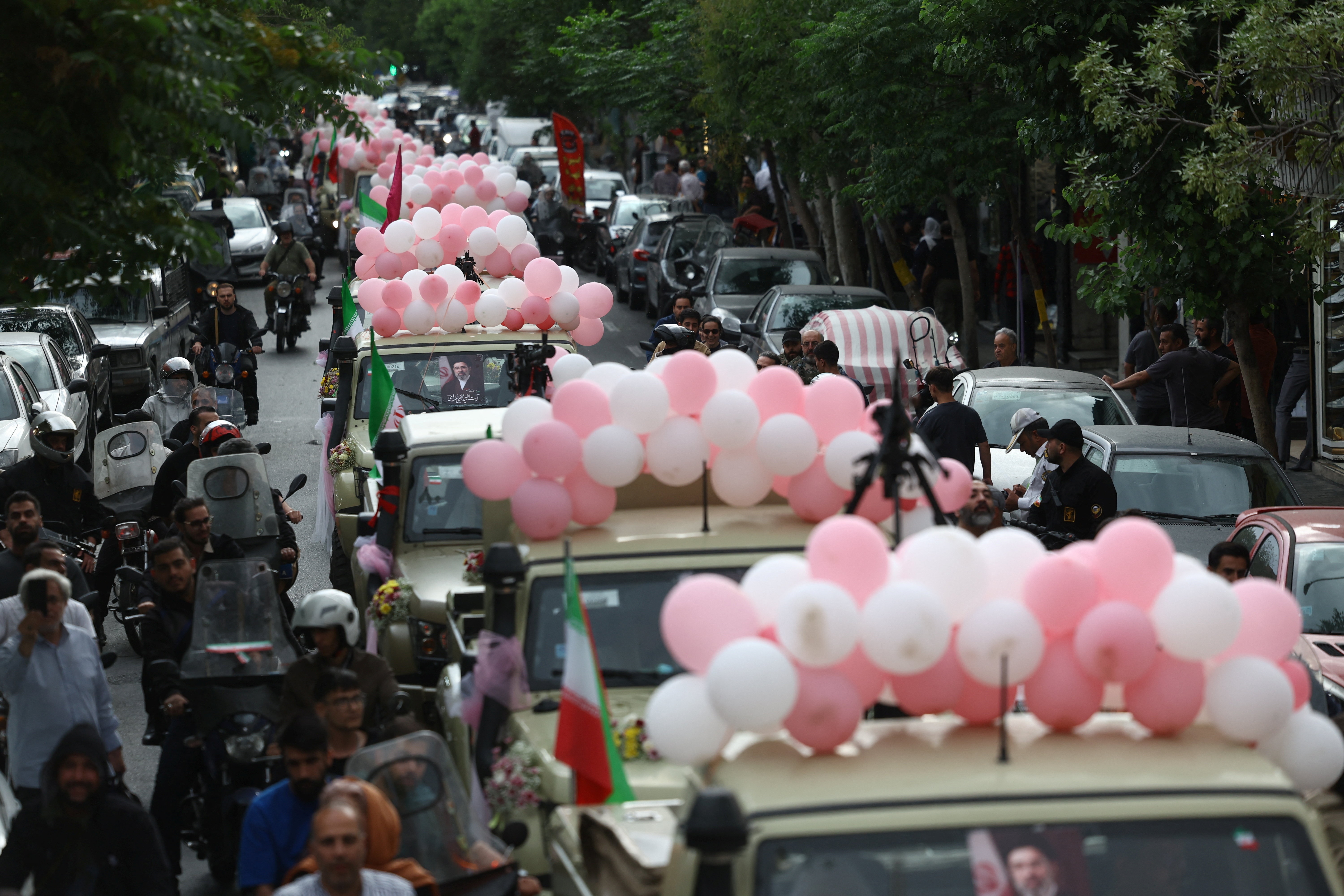 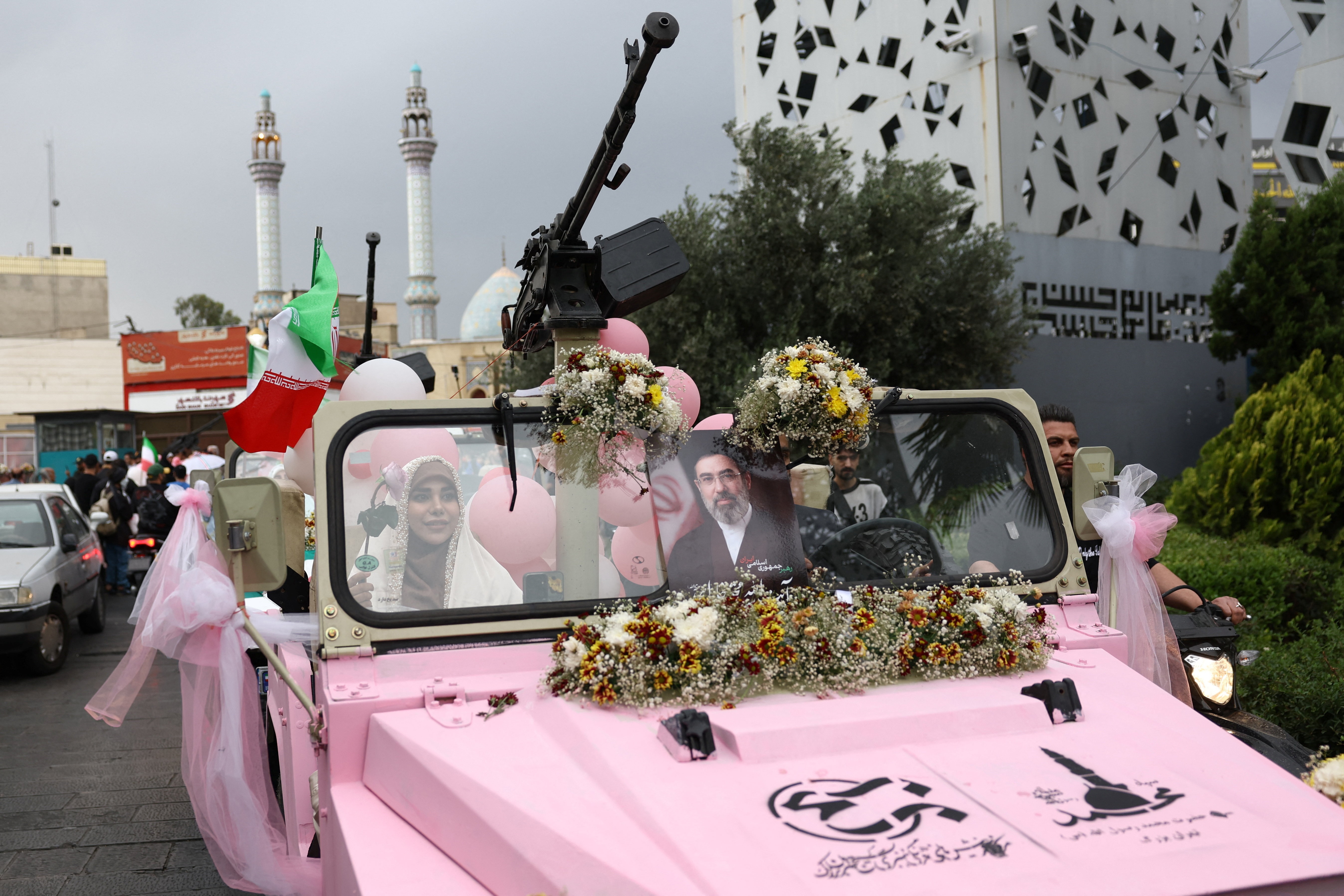 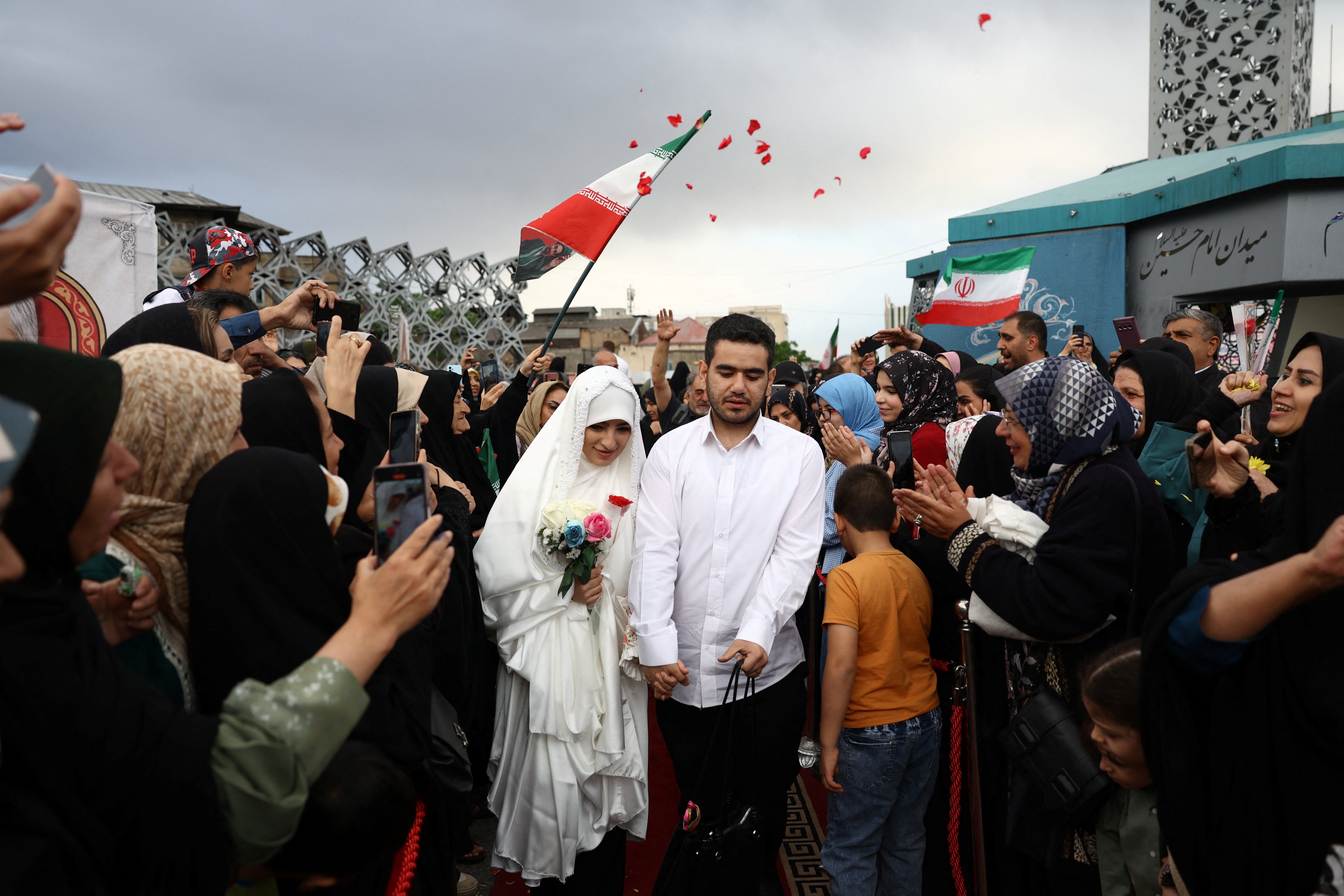 |
A wartime mass wedding ceremony was held in Tehran, Iran, on May 18. Photo: Reuters. |
Experts are now also warning about the significant risks posed by the pressure strategy. Danny Citrinowicz, a senior research fellow on Iran at the Israel National Security Institute and former Israeli military intelligence chief specializing in Iran, opposes the naive belief surrounding pressure tactics.
"There's a big problem with the belief that increased pressure will force Iran to concede. In fact, we've tried to pressure them many times and Iran hasn't surrendered," Citrinowicz said.
According to Citrinowicz, the statements of Iranian officials explain why even a prolonged military confrontation cannot force Tehran to abandon its "red lines." Escalation is also unlikely to yield any more positive results.
According to Citrinowicz, despite the operational results achieved by the US and Israeli campaign, the attacks still failed to deliver a strategically decisive blow.
"We haven't brought about any major changes to the Iranian regime; we've only made them more resolute. We haven't ended Iran's missile capabilities. And they still have uranium," Citrinowicz admitted.
He also warned that overestimating the effectiveness of pressure tactics while underestimating Tehran's resilience would lead to dangerous consequences.
"Exerting pressure will increase the risk of Washington once again entering a confrontation with the expectation that Iran will surrender, but then it may be too late for them to realize that the Tehran regime is willing to suffer heavy losses. Even much greater losses than the US anticipates," Citrinowicz added.
The US and Iran are both "testing their mettle" against pressure.
Numerous rounds of indirect negotiations mediated by Pakistan have so far failed to produce a breakthrough. The gap between the US and Iran remains very large.
The U.S. wants Iran to stop enriching uranium within 20 years and transfer its entire stockpile of enriched uranium to the U.S.
President Donald Trump has also repeatedly issued warnings to Tehran in recent days. Through social media posts, he emphasized that "time is running out," and that Iran "should act quickly or it will have nothing to lose." He threatened that if Tehran does not reach an agreement with Washington, it will face "a very bad period."
Meanwhile, Iran demanded that the US end its attacks, guarantee long-term security, pay war reparations, and recognize Iran's sovereignty over the Strait of Hormuz. These were conditions that Washington rejected.
Ali Vaez (of the International Crisis Group) argues that neither side is ready to make the “painful, but necessary, concessions” needed to reach an agreement.
"Both sides believe time is on their side, both think they have the upper hand. That very perception makes the agreement impossible," said Ali Vaez.
The consequence is a war of attrition underway, primarily centered around the world's most vital shipping lane: the Strait of Hormuz. The economic impact is escalating, and supply chains are disrupted with no clear indication of when they will be restored.
Alan Eyre, a former State Department official who handled Iran affairs and participated in US-Iran negotiations, believes that reaching an agreement is even beyond reach.
"The two sides will never reach an agreement. Trump not only wants to win but also wants to humiliate Iran, to be seen as the one who crushed Iran," Alan Eyre commented.
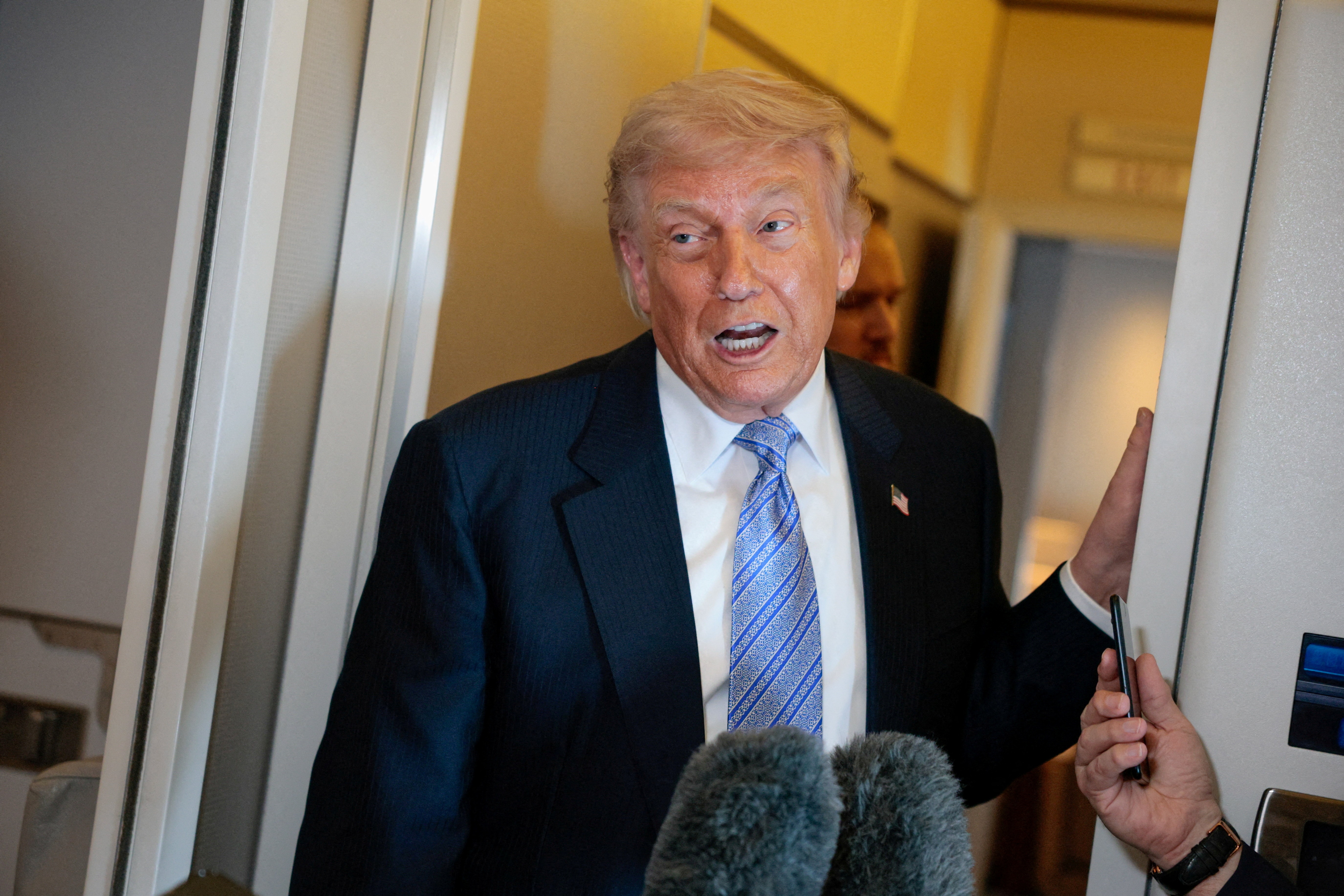 |
President Trump announced a temporary halt to new attacks on Iran this week to create room for negotiations. Photo: Reuters . |
On the Iranian side, behind their hardline stance, sources close to the Iranian leadership indicate that Tehran also does not want to prolong this "neither war nor peace" state.
Iran is facing soaring inflation and worsening unemployment. US and Israeli airstrikes targeting key Iranian industries further weaken an already damaged economy.
According to sources, Iran wants to reach a preliminary agreement to end the hostilities, reopen the Strait of Hormuz under Iranian supervision, and have the US lift its blockade of Iranian ports. After that, the two sides could proceed to address more difficult issues, such as easing sanctions and nuclear restrictions.
However, the US side argued that ending hostilities before reaching crucial agreements posed significant risks.
Regarding the nuclear issue, Iranian sources indicate that Tehran may dilute its enriched uranium or transfer some of it to Russia, arguing that Iran could reclaim it if Washington violates the agreement. However, the US rejects this proposal.
Iran also wants access to the entire $30 billion in assets frozen by the US, but Washington has only agreed to release a portion of these assets according to a schedule.
Regarding the Strait of Hormuz, Tehran is pushing for a new management mechanism, refusing to return to the status quo as it was before the conflict. Meanwhile, the US is demanding the unconditional reopening of the strait, free of charge. The gap between the US and Iran on the Strait of Hormuz is now even more difficult to bridge than the nuclear issue.
Aaron David Miller, a former US negotiator on Middle Eastern issues, argues that control of the Strait of Hormuz is the most important measure of Washington's success or failure in the Iran conflict.
According to Miller, how the Iran conflict ends could reshape Trump's entire foreign policy, as Trump is particularly sensitive to being seen as a failure.
Miller noted that reopening the shipping lanes, in the absence of a bilateral agreement, would require a prolonged US military presence in the region.
Ali Vaez also stated that there are currently no effective solutions to the Hormuz problem, other than costly and risky options that Trump is unwilling to pursue. Therefore, negotiations remain the only viable path, but they are currently at a standstill.
Source: https://znews.vn/chien-su-iran-khong-co-thoa-thuan-cung-khong-co-loi-thoat-post1652465.html




























































































Comment (0)