

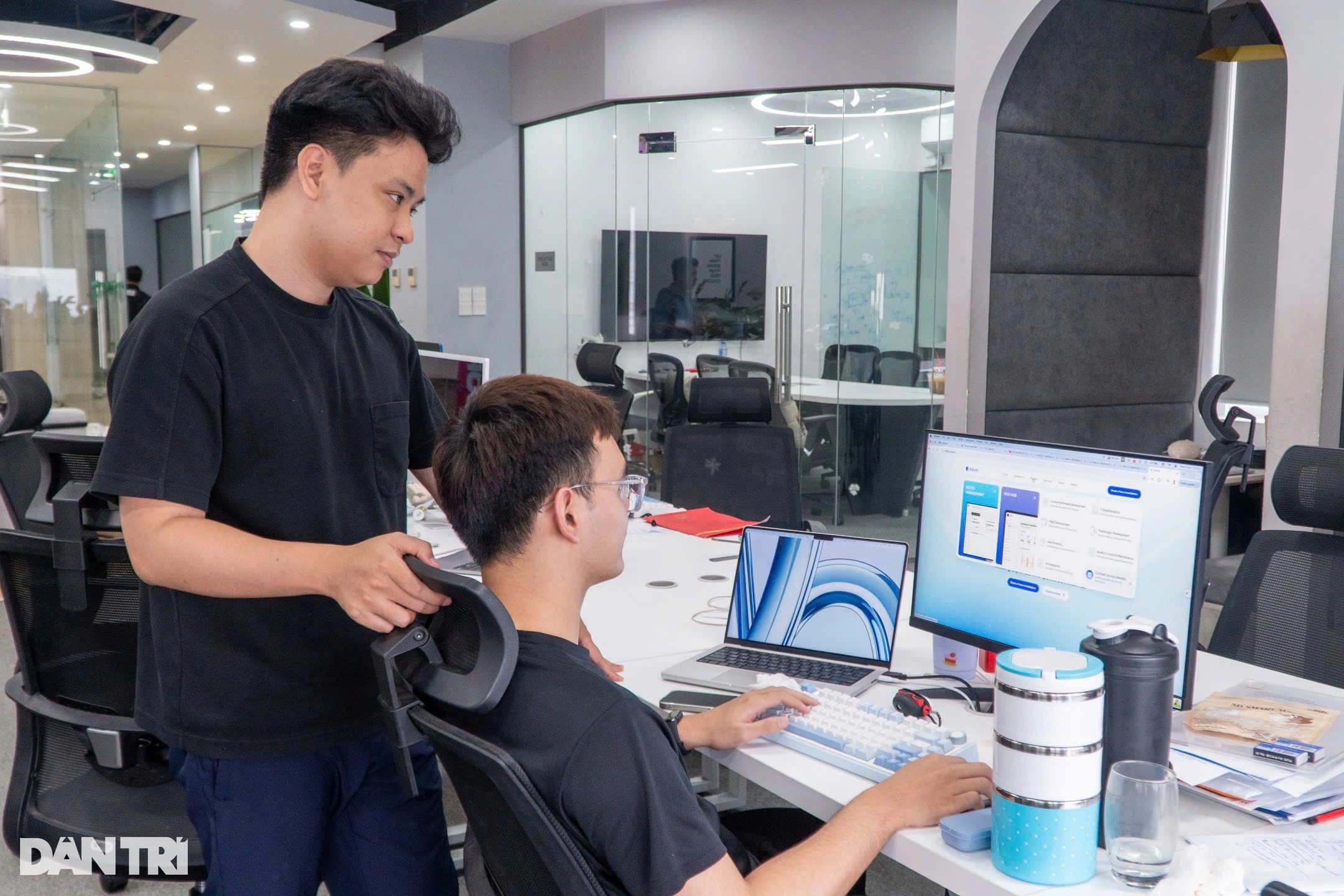
AI won't replace you, but AI users will.
"Artificial intelligence will not replace humans, but those who know how to use artificial intelligence will be able to do so."
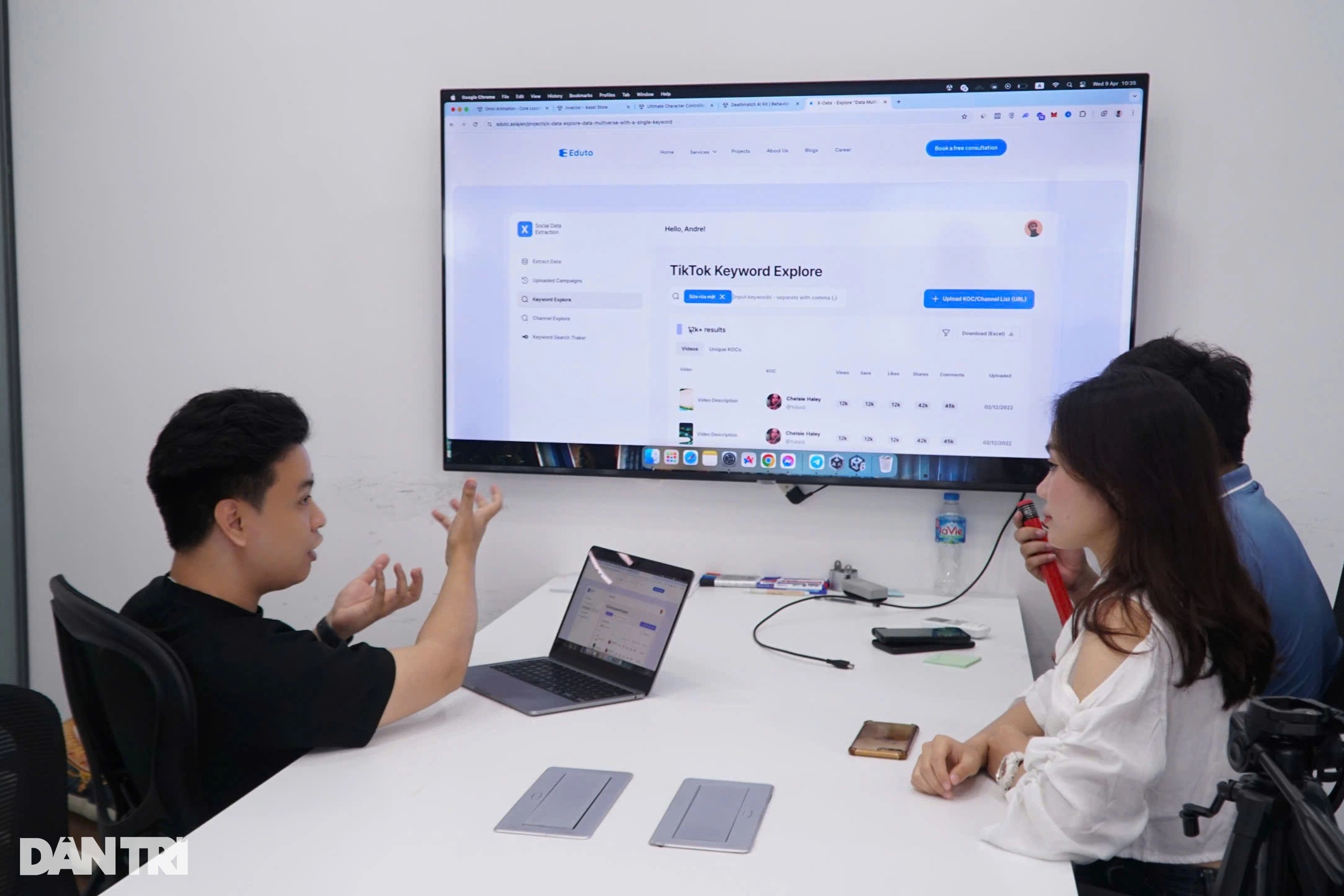
This is what Nguyen Viet Hung (born in 1995), CEO of an AI application software development company in Hanoi , frequently told his staff a few years ago.
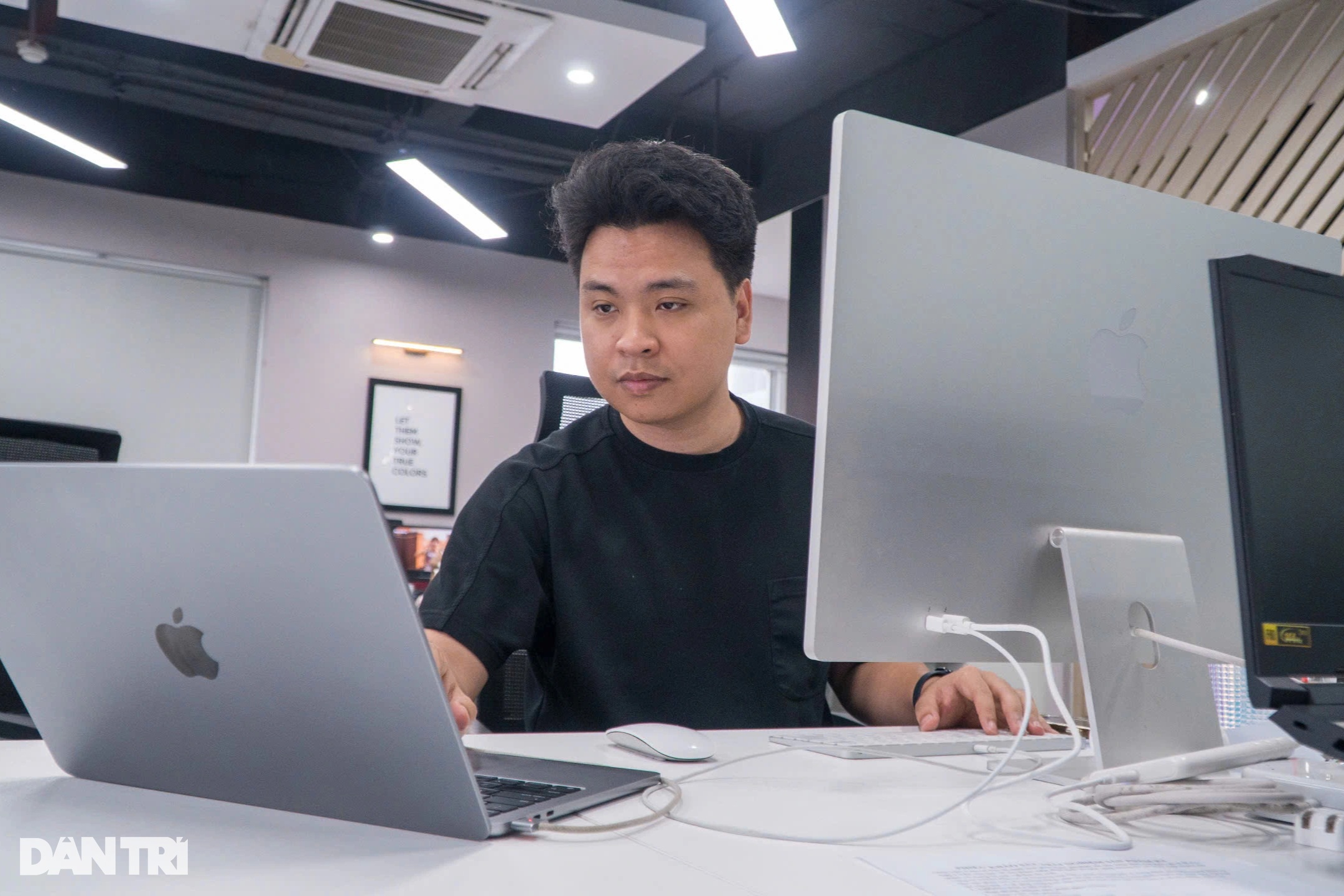
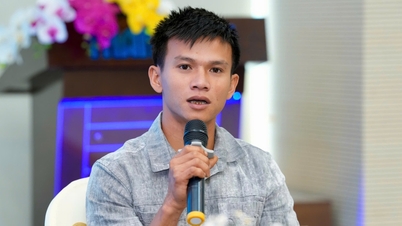
Nguyen Viet Hung (born 1995) is the CEO of a software development company in Hanoi.
The CEO stated that through conversations within the company, people gradually changed their perceptions, shifting from mere curiosity to actively seeking knowledge because they didn't want to be left behind.
From the outset, the company aimed for 100% of its workforce to know how to integrate AI into their work, but not everyone understood how to do it correctly.
"Artificial intelligence is a very broad concept. There are about 30,000 to 40,000 different tools out there. Just saying that employees need to know how to use AI is too general," he commented.
According to Hung, using popular tools like ChatGPT is just the beginning. What makes the difference lies in the ability to apply AI in depth to specific fields.
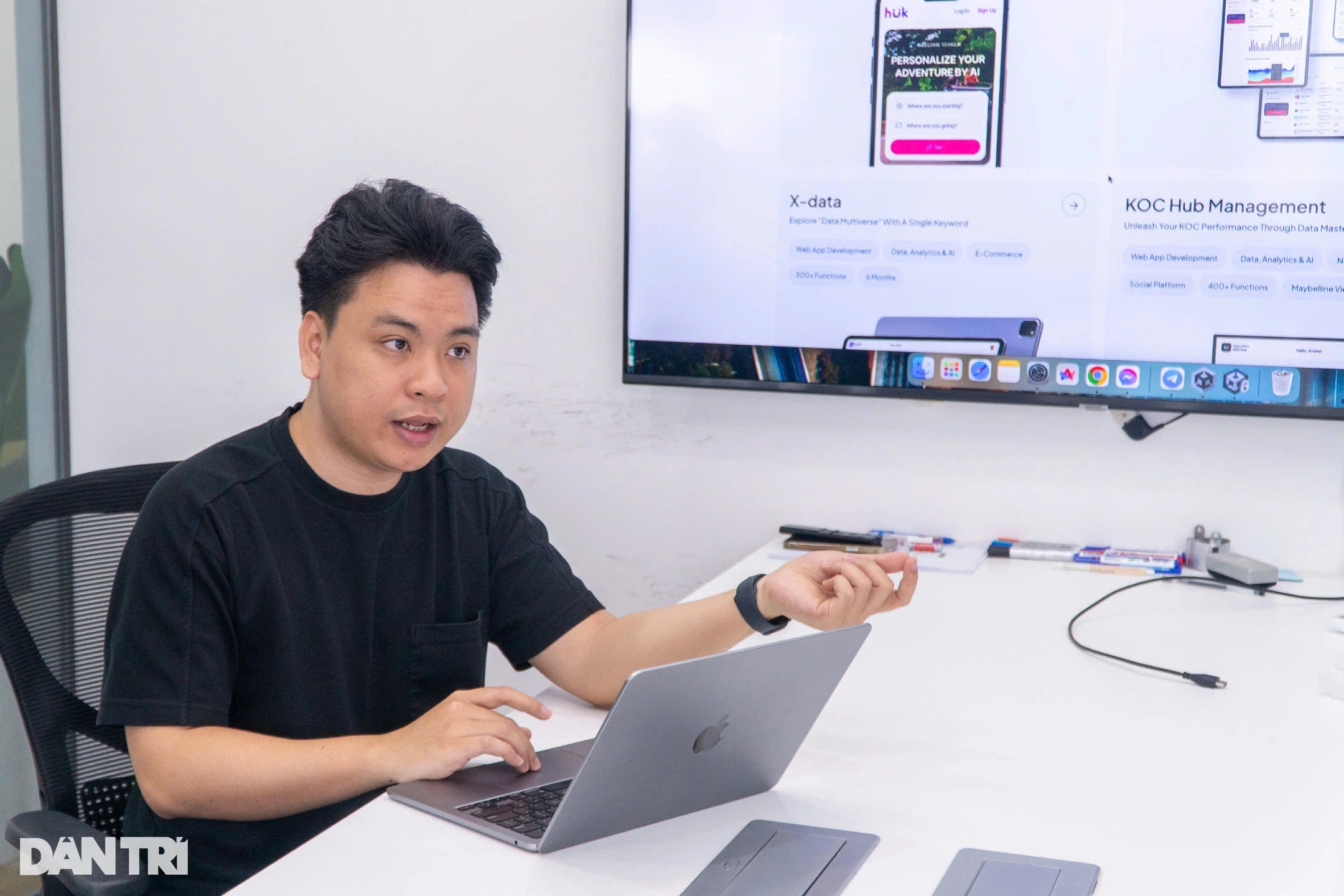
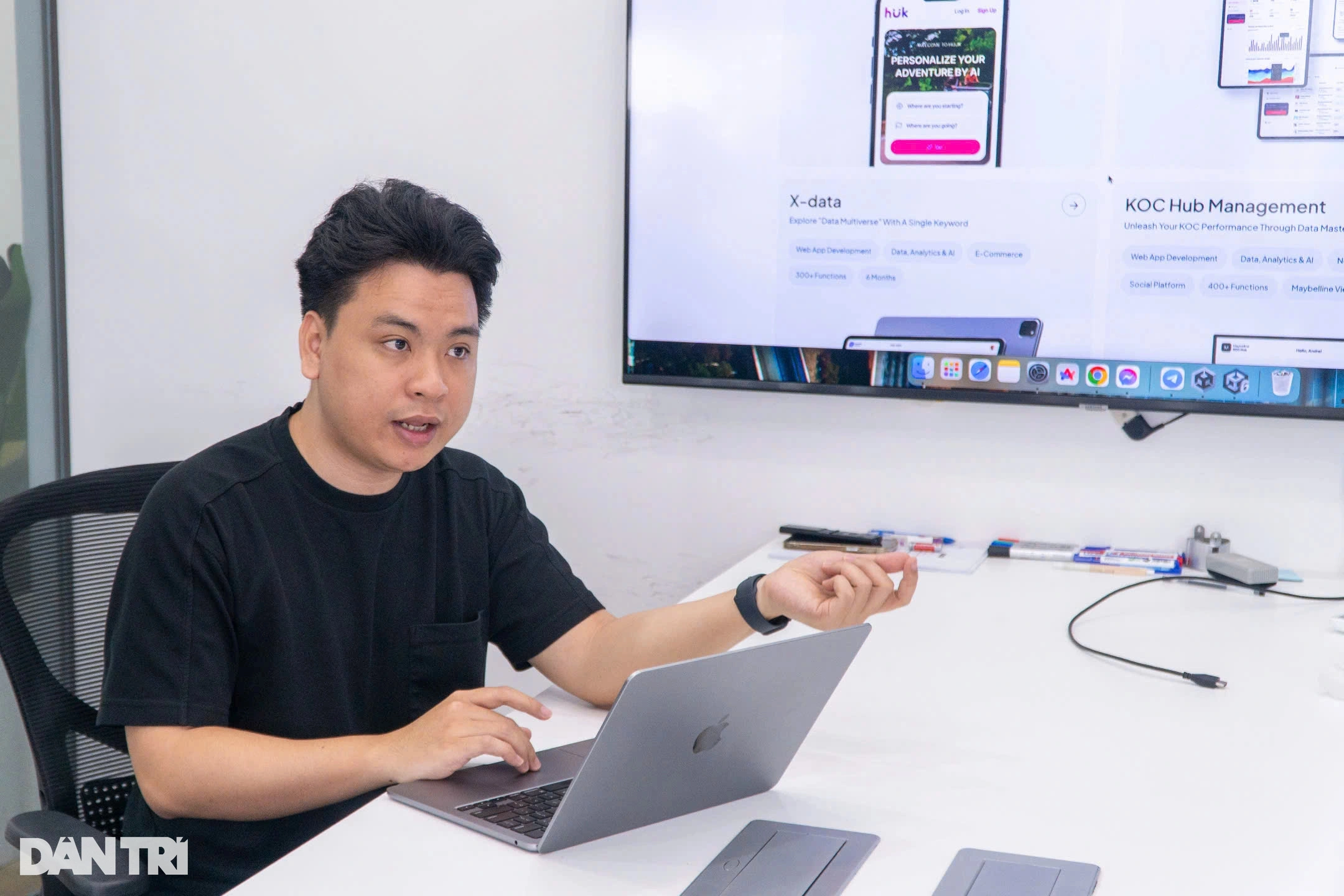
"Artificial intelligence won't replace humans, but those who know how to use it will be able to do so," Hung shared.
This type of tool is specifically designed for fields such as software, testing, finance, customer service, etc., and it is the "weapon" that creates a significant advantage for those who know how to utilize it.
Data from the company shows that after integrating specialized AI tools into the workflow, software development speed tripled, or even quadrupled, and the error rate was reduced by about half.
Instead of resorting to layoffs when AI has enabled "one person to do the work of three," the CEO stated that his strategy is to retain the workforce to achieve dramatic growth in both the quantity and quality of work. From there, the company can enter a larger playing field.
However, Hung emphasized that using AI doesn't always guarantee effectiveness.
"Everything has two sides. For those who approach machines without fully understanding the nature of the work, using the tool can make things more complicated. Errors increase, efficiency decreases, because they lack the ability to control the AI's output," the young director observed.
Based on that reality, the company established a clear principle: do not use AI unless you have a firm grasp of the expertise. Otherwise, users will only be weak links in a chaotic system.
"You have to understand the nature of the tool's output. Otherwise, you'll create a patchwork system that's unsustainable and full of risks for customers," Hung added.
AI tools are like a double-edged sword.
Productivity has skyrocketed thanks to AI; will employees get a pay raise?
AI is being applied in a variety of specialized ways within this company.
The testing team no longer has to manually draft documentation or scripts, but can focus on optimizing the process so that AI can automatically handle the rest.
The customer service and solution development teams also use tools to analyze data, better understand users, and provide more relevant recommendations.
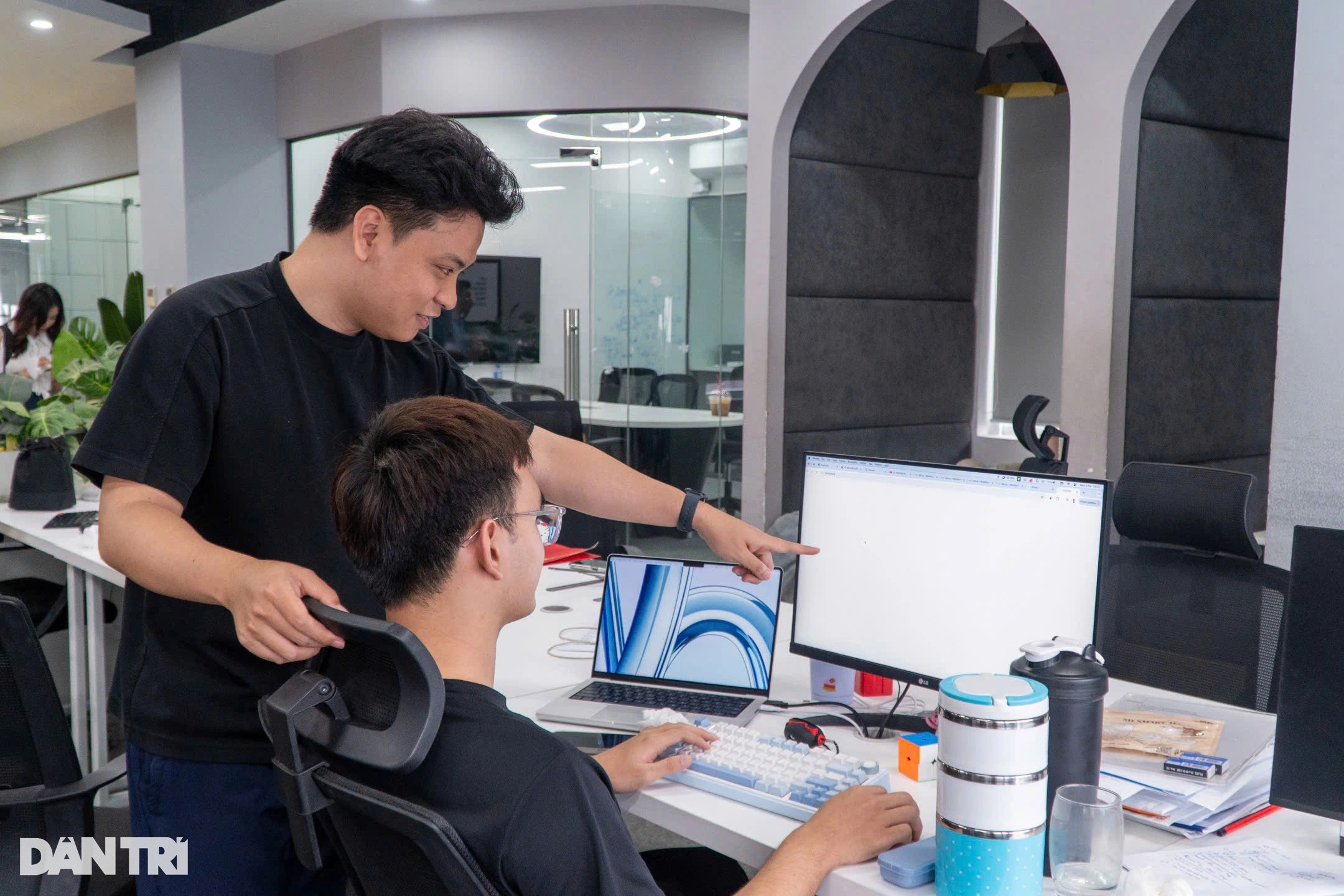
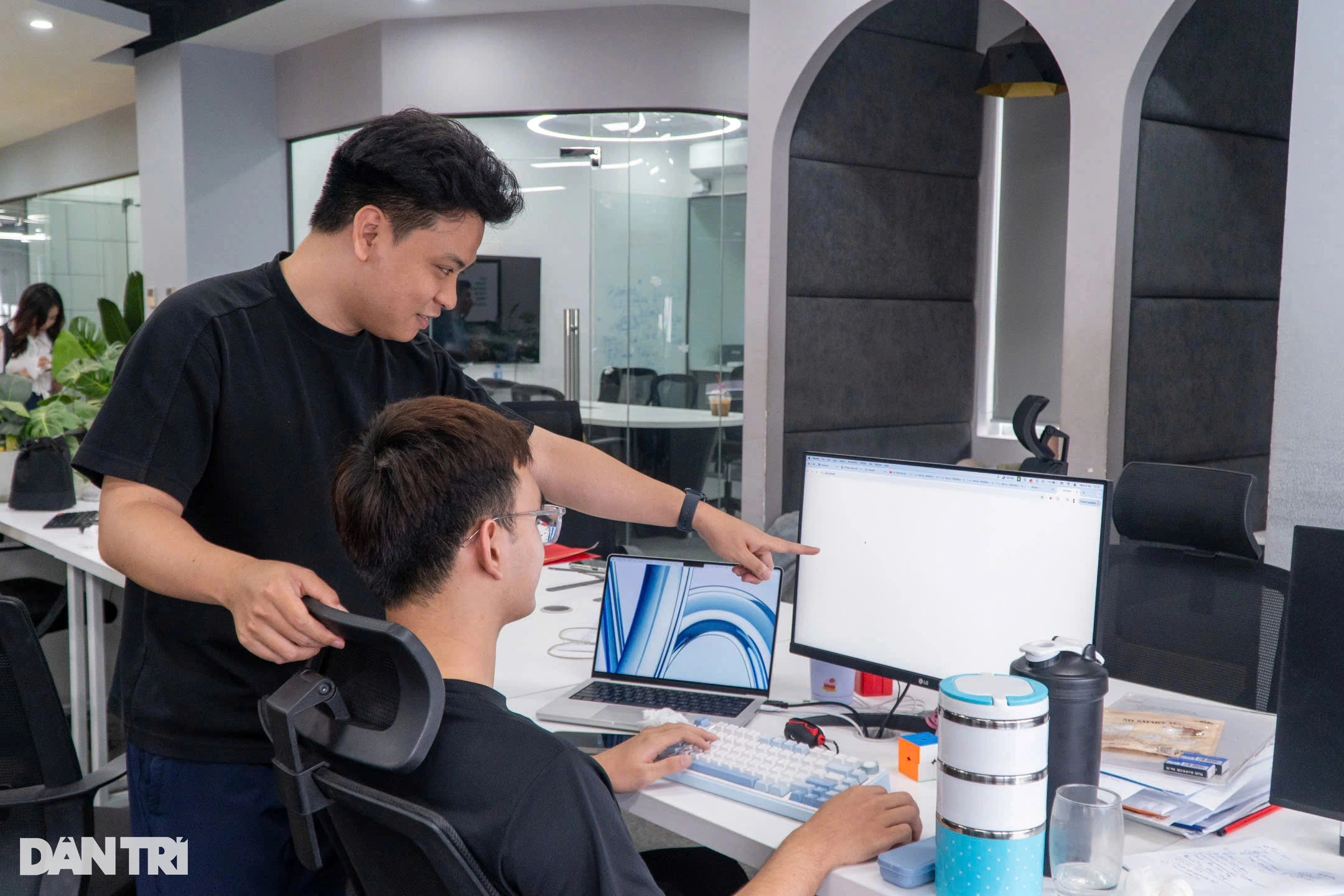
AI is being applied in a variety of specialized ways within this company.
"Only when you understand your customers deeply enough can you offer solutions with a high probability of success," Hung shared.
However, increased productivity also brings new pressures: will employees benefit from the added value created?
This is no easy task for any business. Previously, whenever a new feature was developed, the team would meet to estimate the time required. But now, with AI significantly reducing deployment time, expectations have changed.
"The staff understands that too. They know that if they stick to the old ways, they will be the first to be scrutinized. Either you change or the company will be forced to change you," he stated frankly.
According to Hung, when AI helps increase productivity, it will lead to businesses selling products at lower prices to compete on price. This CEO likened it to the story of "bumper harvest, low prices" experienced by farmers.
"Therefore, it's not that employees will triple their workload compared to before thanks to AI, but rather that their income will also triple. However, they will also experience better salary and bonus growth due to increased company revenue resulting from the advantages created by AI. This motivates employees to explore and apply AI more deeply to their current tasks," Hung shared.
The market is entering a filtering phase.
The AI application software market is entering a period of significant change. According to the young CEO, two major changes are reshaping the entire industry: drastically reduced barriers to entry and increasingly fierce price competition.
"Previously, building a software company required significant investment in many things: from personnel and infrastructure to technology. Now, even with a small team, or even a single independent programmer, it's possible to create a competitive product. AI tools have made everything much more accessible," Hung observed.
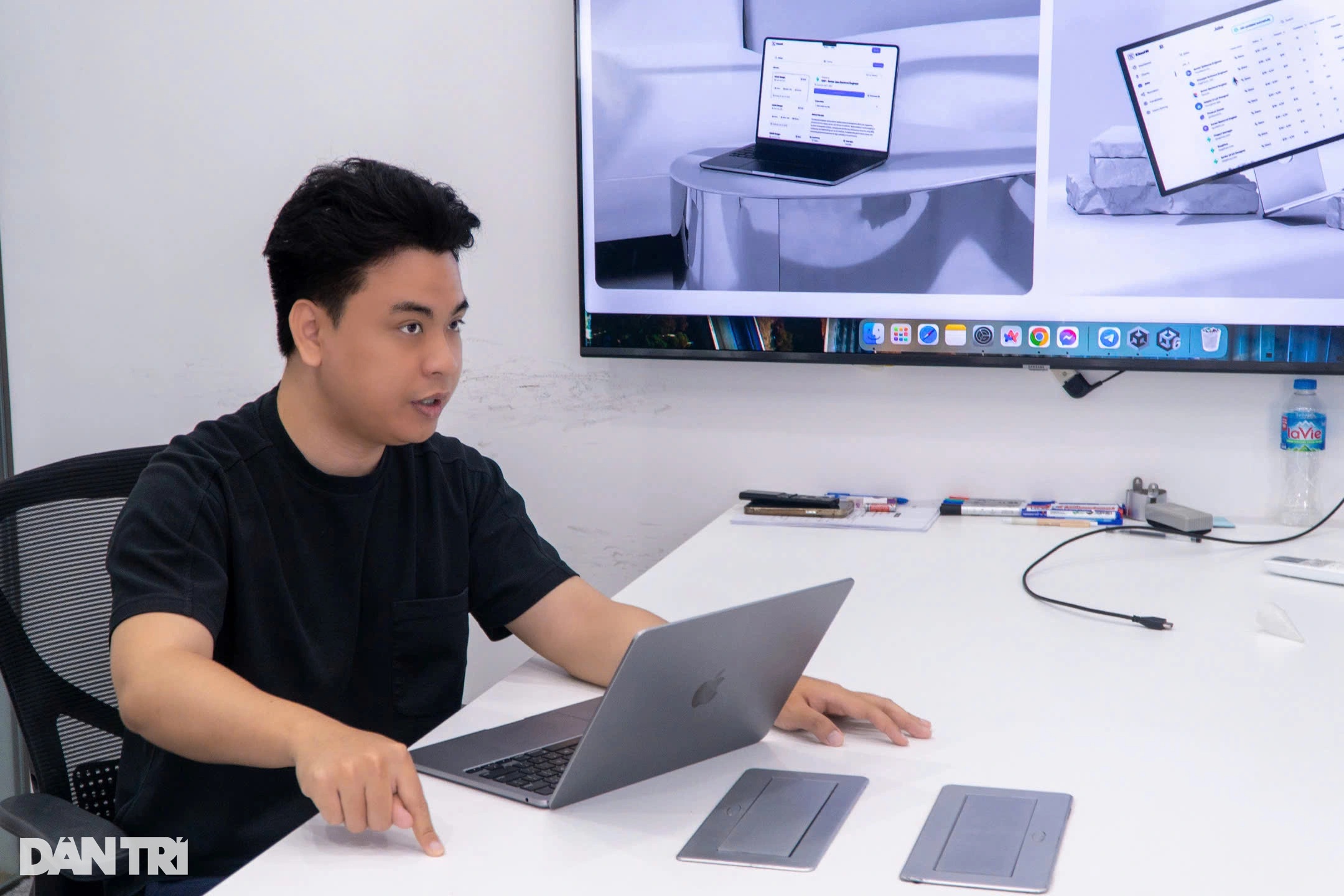
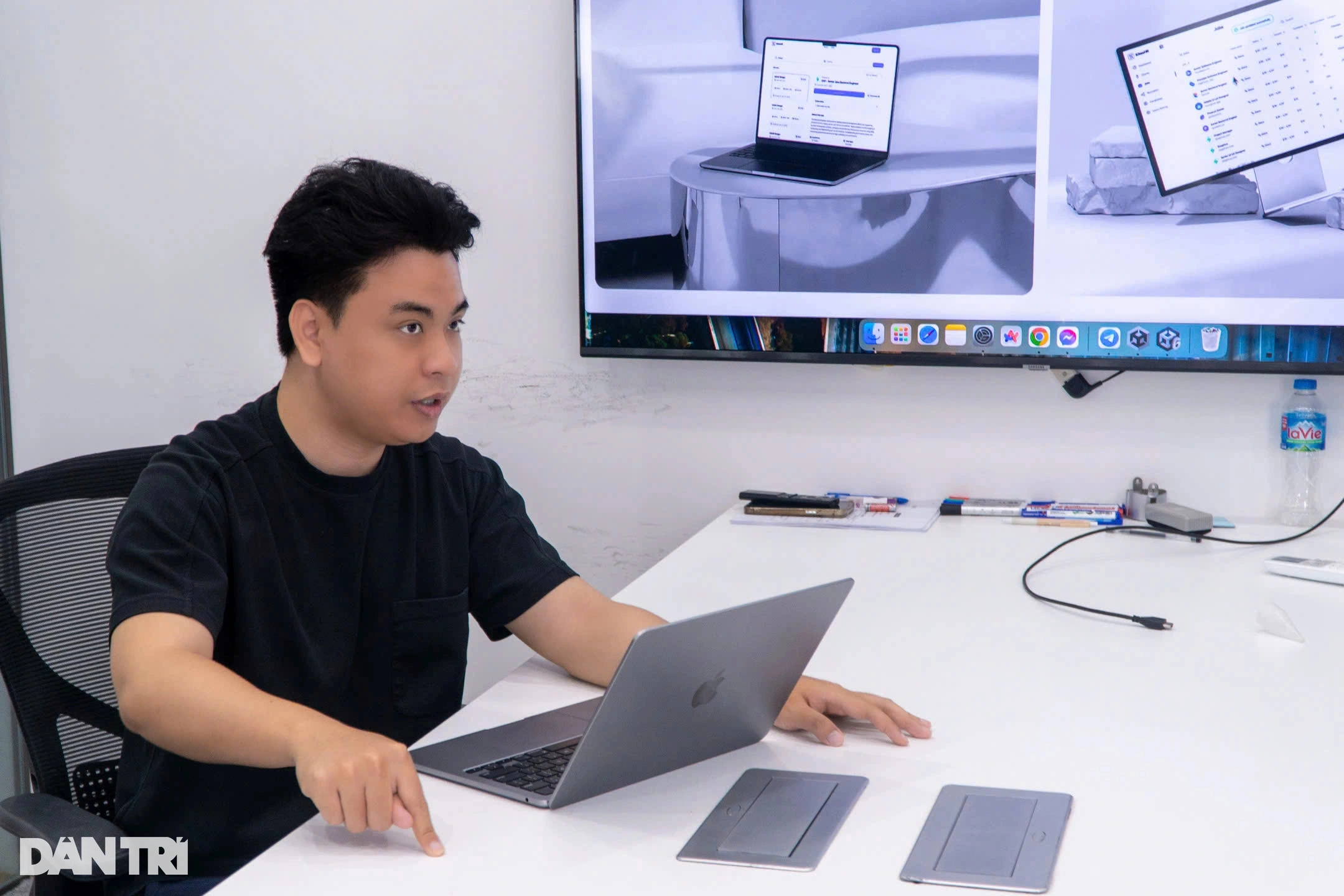
According to Hung, the market for AI-powered software applications is entering a period of significant change.
When market entry becomes easy, the inevitable consequence is fragmentation. Many small entities emerge with flexible models and diverse approaches. Supply increases, and a price war soon ensues.
Even Hung's company has adjusted its pricing strategy to adapt. However, he insists this is not the result of sacrificing quality, but rather stems from a significant increase in productivity.
"The number of programmers hasn't changed much, but the number of projects has almost doubled in a year. AI helps shorten timelines, reduce pressure on personnel, and thus lower production costs," Hung shared.
From Hung's perspective, it's the natural operation of the law of supply and demand. When productivity increases and costs decrease, service prices will adjust accordingly.
"Whether we like it or not, the entire industry will have to change in that direction," he said.
However, he also emphasized that price has never been the primary factor that customers consider.
In the software development field, the first factors considered are always expertise, long-term support capabilities, and a portfolio of completed projects. Artificial intelligence can shorten timelines and support operations, but it cannot replace the core competencies of a business.
Competitive pressure is also driving up the overall quality standard. As every entity is forced to optimize its processes, the final products of the industry are gradually improving, but on the other hand, the market is also undergoing restructuring.
By leveraging AI, Vietnamese businesses can compete effectively internationally.
The question of the competitiveness of Vietnamese software companies in the international market is becoming more pressing than ever, especially as the wave of AI begins to reshape the entire global technology industry.
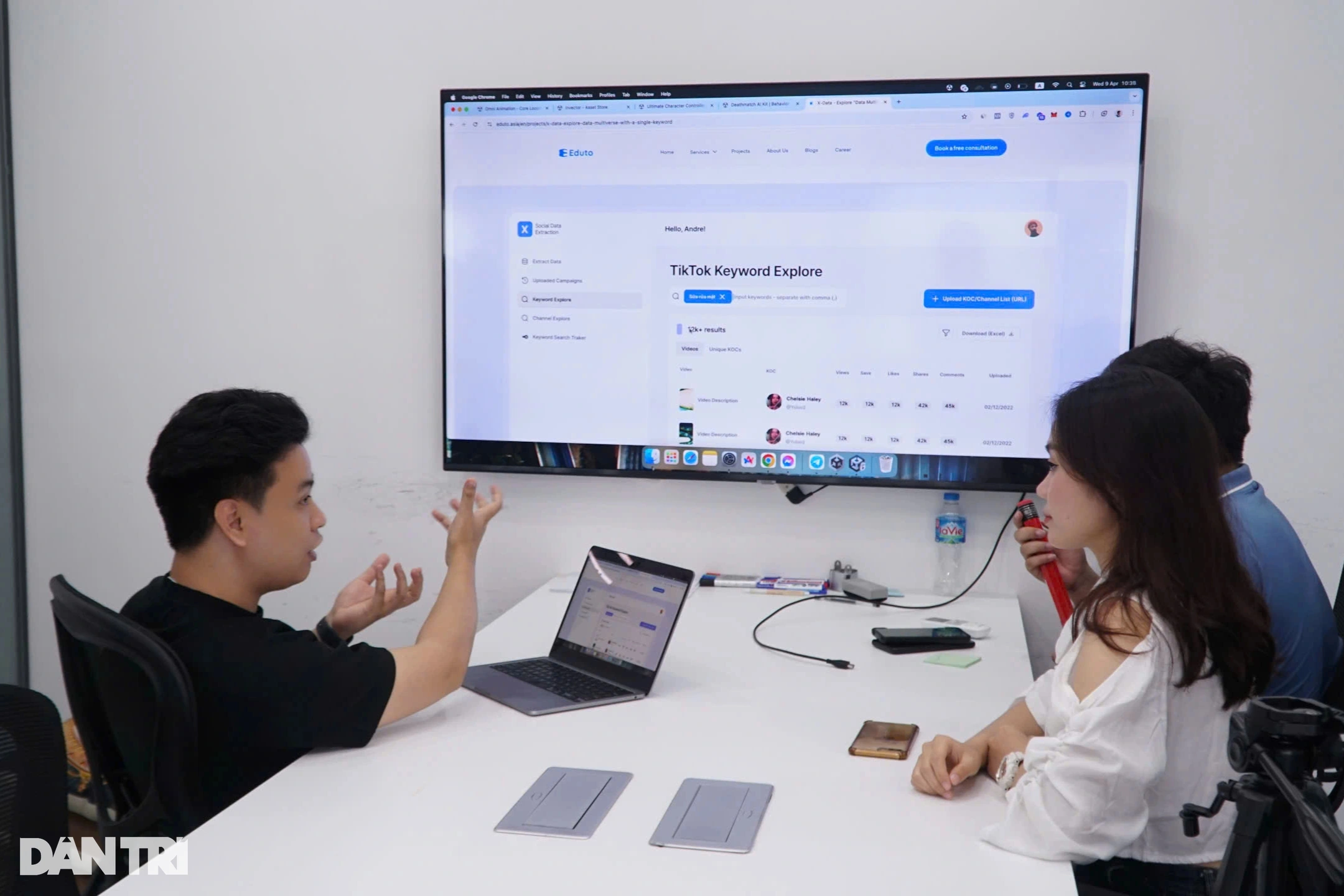
As AI is deployed globally, what were once Vietnam's strengths, such as low labor costs and deployment speed, will gradually diminish.
Over the years, Vietnam has positioned itself as one of the fastest-growing and largest software outsourcing countries in the world . Three main factors contribute to this advantage.
Firstly, Vietnamese people have a strong foundation in logical and mathematical thinking, thanks to an education system that emphasizes natural sciences. This is a crucial factor when training programmers.
Secondly, a moderate standard of living helps keep labor costs low.
Third, Vietnam has built a reputation for consistent quality, rapid implementation, and reasonable prices.
"In the early stages, my company received many large orders from international corporations. Customers came to us because we could guarantee three things: fast service, high-quality work, and reasonable prices," Hung shared.
However, the landscape is changing. As AI is deployed globally, Vietnam's former strengths, such as low labor costs and deployment speed, are gradually diminishing.
"It's not just us who know how to use AI. Other countries will also be able to apply it, and may even do so faster and more extensively. The country with a smarter and more synchronized deployment strategy will quickly create a new competitive advantage," the head of the company stated.
Furthermore, we live in a flat world. A programmer in any country can work remotely for a company located anywhere.
Meanwhile, with the support of AI, foreign businesses can cut costs by leveraging local resources instead of outsourcing to countries like Vietnam.
"As the cost gap between domestic and international outsourcing gradually narrows thanks to tools, the incentive to outsource also decreases. This is a factor we are closely observing," the 9X CEO further shared.
In the long term, he believes Vietnam will maintain a certain position in the international software outsourcing industry, thanks to its proven technical foundation and quality over time. However, complacency is unacceptable. The playing field is changing.
"We are no longer competing on low costs, but on quality, industry understanding, innovation capabilities, and how intelligently we apply AI," he said.
Software development in Vietnam is progressing rapidly, but this pace needs to be accompanied by a clear strategy and the ability to adapt promptly to global changes.
AI is gradually becoming the "invisible workforce" of every industry.
"It's not the technology industry, but businesses that are the quickest to react to the AI wave," Nguyen Viet Hung observed.
In just 2-3 years since ChatGPT and next-generation AI models emerged, numerous businesses have proactively sought to integrate artificial intelligence into almost every aspect of their operations.
From recruitment and human resource management to customer service and product development, AI is becoming increasingly prevalent.
"We've noticed a rapidly increasing demand for AI application systems, not only in the technology sector but also in seemingly unrelated industries like healthcare, tourism, and education. Businesses aren't waiting for trends; they're proactively seeking ways to leverage new tools to create differentiation," Hung said.
In recruitment, AI is being used to automatically screen hundreds of thousands of resumes every day, matching information with job requirements, and even suggesting suitable candidates based on behavioral data. "What used to take weeks can now be completed in minutes," Hung said.
The healthcare sector is also undergoing a transformation. Many businesses are beginning to deploy computer vision technology, allowing AI to "read" and analyze medical images, assisting doctors in diagnosis, monitoring, and partially automating patient care processes.
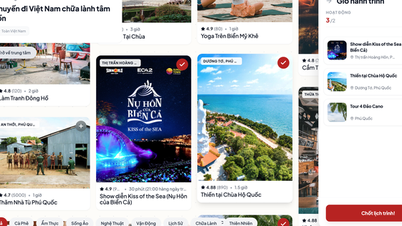
In the travel industry, several companies are developing systems capable of creating complete itineraries: from booking hotels and choosing restaurants to determining travel routes and suggesting personalized experiences for each traveler. All of this is based on user data and behavior.
AI is no longer a tool exclusive to engineers or programmers. It is gradually becoming the new operating platform, present in every industry and at every level of organization.
In this context, the challenge is not just keeping up with technology, but developing an adaptive mindset—how to ensure that people and tools work together seamlessly. And how each business answers this question will shape its position in the future.
Source: https://dantri.com.vn/cong-nghe/chien-thuat-dung-ai-nguoc-giup-startup-viet-nhan-doi-quy-mo-20250503165708164.htm


























































































Comment (0)