 |
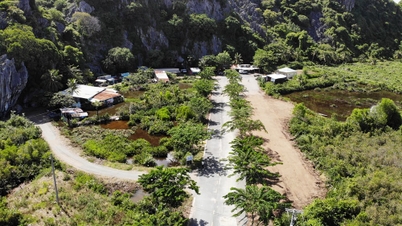
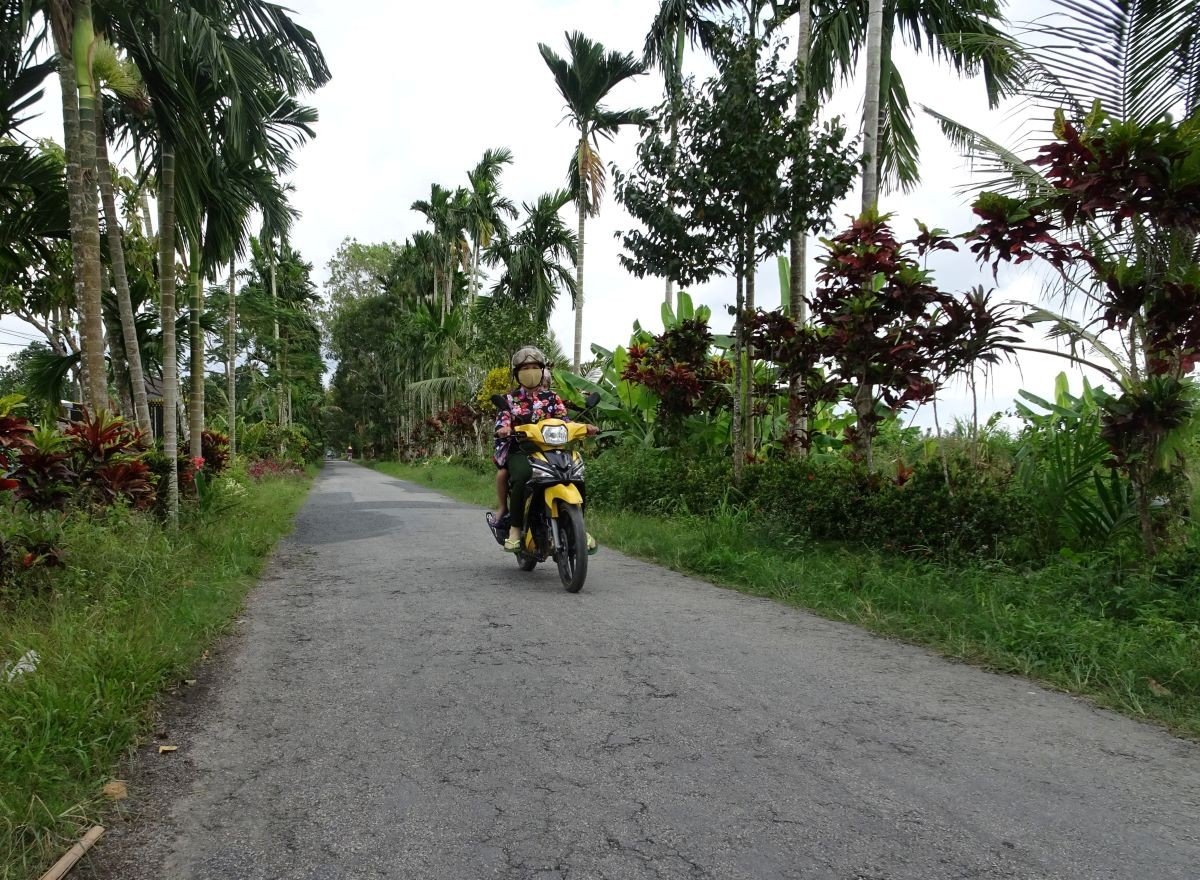
| Life in Thanh Trung hamlet, Thanh Hung commune (Giong Rieng district) is now much more developed than before, with rural roads almost everywhere thanks to the contributions of the people. (Photo: Phuong Nghi) |
Policies are being put into practice.
Go Quao (Kien Giang province) is a rural district with a large population of ethnic minorities (accounting for 34.6%). Over the years, Go Quao has consistently focused on implementing policies for ethnic minorities, contributing to a gradual reduction in poverty, an increase in the number of well-off households, and a continuous improvement in the material and spiritual lives of ethnic minorities.
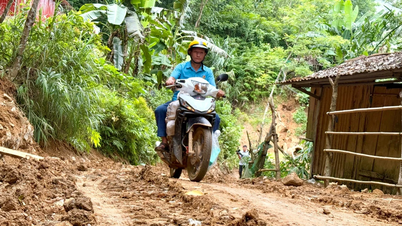
In Dinh Hoa commune (Go Quao district), where over 65% of the population are Khmer ethnic minorities, the rural landscape has been transformed thanks to bridges and concrete roads connecting hamlets and communes, facilitating convenient transportation for the people. Electric lights illuminate villages and hamlets at night thanks to the "Lighting Up the Countryside" projects.
According to Mr. Danh Coi, a respected figure in the community residing in Hoa Hon hamlet, Dinh Hoa commune: The appearance of the ethnic minority areas in Dinh Hoa commune has changed significantly, especially in terms of rural infrastructure. Many concrete roads have been built connecting hamlets and villages, allowing cars to reach every corner. Thanks to this, people's travel is easier, and goods are no longer subject to price manipulation as before. Roads are clear, and brick houses have replaced thatched houses throughout the villages.
“Most of the Khmer people in Dinh Hoa commune have overcome poverty and are striving to become legitimately wealthy. The poverty of the past has been overcome and eliminated by the Party and the State, creating a joyful, prosperous, and happy life today. The Khmer people of Dinh Hoa commune are very grateful to the Party and the State,” said Mr. Danh Coi.
According to Mr. Pham Thanh Hai, Chairman of the People's Committee of Dinh Hoa commune, the commune has been leveraging all available resources to support the Khmer people. The commune's Party Committee has assigned Party branches to closely monitor and manage poor and near-poor households to provide timely assistance. In addition, they have created livelihood models, facilitated access to production loans for the people, and mobilized support in the form of gifts and charitable housing for households in difficult circumstances.


“The lives of the Khmer ethnic minority people in the commune have improved significantly, thanks to the effectiveness of various programs and projects, and most importantly, the people have changed their mindset in production. Previously, the model of earning 100 million VND per year per hectare was rare for the people of Dinh Hoa, but now, it is not uncommon for people with a few acres of land to achieve such an income. This is also thanks to the local government's timely implementation of the Party's policies for the Khmer ethnic minority in developing the economy and improving their living standards,” Mr. Hai affirmed.
Mr. Le Kim Khoa, Vice Chairman of Go Quao District, said: Implementing the National Target Program 1719, Go Quao is carrying out 6 projects, including 4 sub-projects. In 2022 and 2023, Go Quao was allocated 11.5 billion VND. To date, communes are implementing investment procedures to provide housing for 53 households, with 40 million VND per household (16 houses have been completed and handed over), providing vocational training for 80 households, and supporting decentralized water supply for 36 households. In addition, the District Social Policy Bank has supported 27 households in need of loans, provided vocational training for 209 households, and supported decentralized water supply for 105 households. Furthermore, the district is implementing projects and models in ethnic minority areas such as goat farming, pig farming, and rice-shrimp farming, with 55 households accessing capital. Currently, the projects have been implemented and achieved initial results, contributing to boosting economic development and ensuring social welfare; helping people have housing and capital to switch professions, gradually reducing the number of poor households in the district.”
Thanh Trung hamlet, Thanh Hung commune (Giong Rieng district, Kien Giang province), has nearly 50% Khmer population and was once the poorest hamlet in the commune and district, with many people facing difficult living conditions. However, thanks to the persistent support from all levels of government, Thanh Trung now has no poor households, and the number of well-off and wealthy households is increasing.
The family of Ms. Danh Kim Tha, residing in Thanh Trung hamlet, Thanh Hung commune (Giong Rieng district), was selected by the local authorities to receive support for building a solidarity house in 2022. Delighted with this timely assistance, Ms. Kim Tha said: “Despite years of hard work and saving, my family still couldn't build a decent house to live in. When the government provided financial support for building a house, my family was overjoyed. Now, we no longer have to endure the leaky roof and crumbling pillars of our house, so we can work and produce with peace of mind.”
Mr. Nguyen Nhu Manh, Head of Thanh Trung Hamlet, said: “Newly lifted-out-of-poverty and near-poverty households will be guaranteed preferential loans for production and business to prevent them from falling back into poverty. Currently, the loan amount reaches 2 billion VND. Previously, the hamlet mobilized 1-2 solidarity houses annually to support people in the poor, near-poor, and especially disadvantaged households. The lives of people in Thanh Trung are now much more developed than before. Rural roads are almost completely paved with concrete thanks to the contributions of the people; 75% of households in the hamlet have a relatively high standard of living; 98% of the population participates in health insurance; 70% of families have children studying at universities and colleges...”.
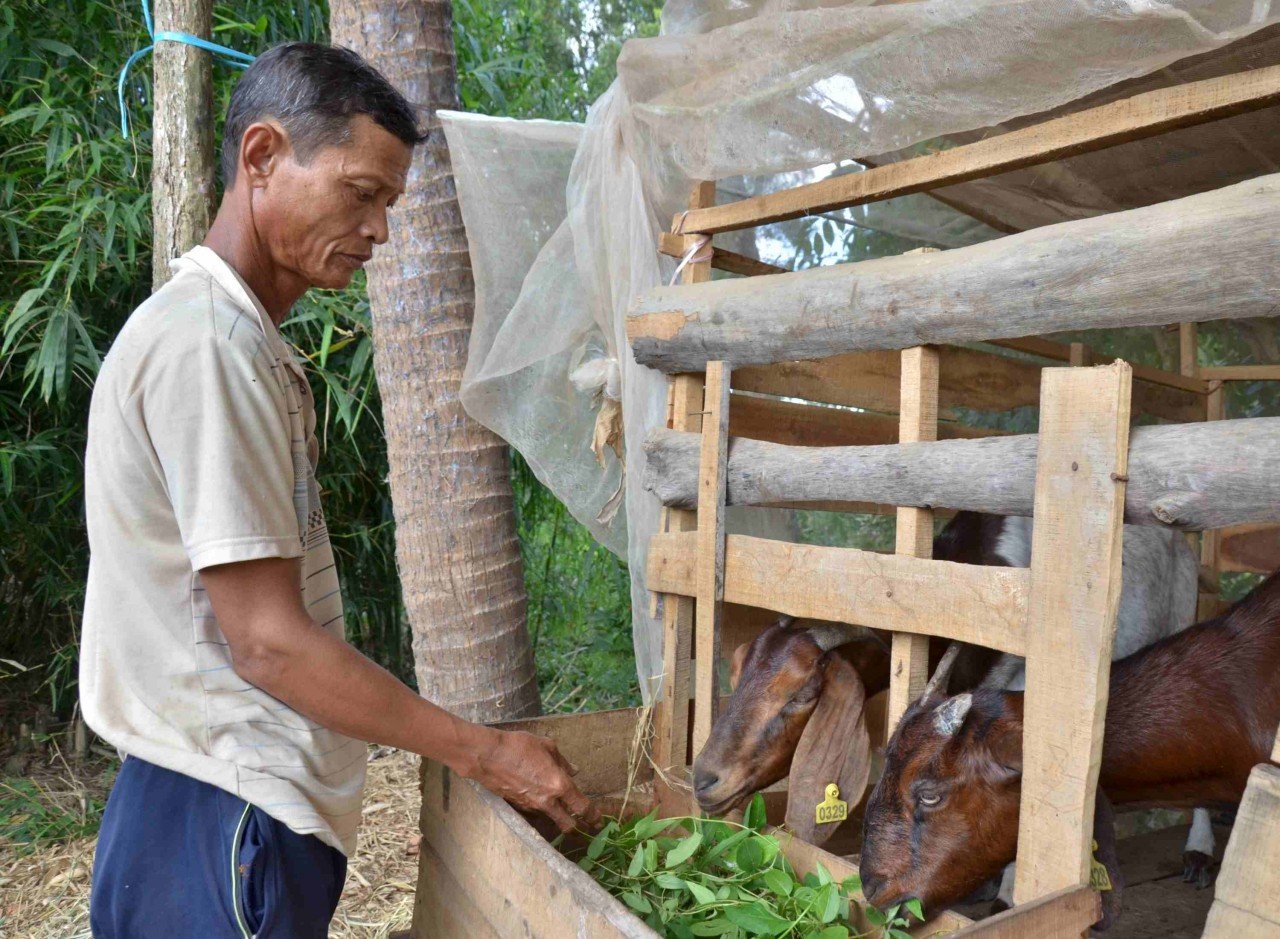 |
| Mr. Danh Chach (a Khmer man) in Thoi Trung hamlet, Thoi Quan commune (Go Quao district), cares for his goat herd using preferential loans from the Social Policy Bank, helping him earn income and escape poverty sustainably. (Photo: Phuong Nghi) |
Opportunities for development in ethnic minority areas.
Over the three years (2021-2023), the total capital allocated to Kien Giang province under the National Target Program 1719 was over 446 billion VND, implementing 11 sub-projects under 9 projects of the Program. To effectively implement the National Target Program 1719, Kien Giang set specific and clear goals, especially prioritizing particularly disadvantaged communes to focus investment on key areas. Simultaneously, it mobilized the entire political system and conducted propaganda and mobilization efforts to encourage people to participate in the Program. Kien Giang strives to achieve, by 2025, a twofold increase in the average income of ethnic minority people compared to 2020, an annual poverty reduction of 1-1.5%, and a 60% reduction in the number of communes no longer classified as particularly disadvantaged…

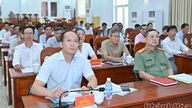
Mr. Nguyen Luu Trung, Vice Chairman of the People's Committee of Kien Giang province, said that the Standing Committee of the Kien Giang Provincial Party Committee has just issued Directive No. 16-CT/TU, dated October 10, 2023, on strengthening leadership in implementing the National Target Program 1719. All levels and sectors need to coordinate closely in the implementation process, avoiding shirking responsibility; review project lists, prioritize projects based on feasibility, effectiveness, and disbursement capacity to make timely adjustments; accelerate implementation progress, without affecting the lives, activities, production, and business of the people, and create high consensus among the people in the implementation of the program.
“To achieve the above goals, Kien Giang will continue to effectively implement the Party and State's guidelines and policies, creating breakthroughs in the comprehensive socio-economic development of ethnic minority areas. We will do a good job of disseminating information, raising awareness and a sense of responsibility among cadres, Party members, civil servants, and officials in the political system, as well as members of mass organizations and the people, regarding the Party's viewpoints and guidelines, and the State's policies and laws on ethnic affairs and ethnic policies; the meaning and importance of implementing ethnic policies, affirming that the successful implementation of the program creates opportunities for the development of ethnic minority areas,” Mr. Trung said.
The effective implementation of ethnic policies has affirmed the Party and State's care and concern for the development of ethnic minority communities. The appearance of areas with large ethnic minority populations has changed, and people are now able to work and produce with peace of mind, develop their family economies, build cultural lives, and contribute to the overall development of their villages and hamlets, making them increasingly prosperous.
Source
![[Photo] Prime Minister Le Minh Hung presides over the thematic session on promoting science and technology development and innovation.](https://vphoto.vietnam.vn/thumb/1200x675/vietnam/resource/IMAGE/2026/06/23/1782207872934_ndo_br_dsc-1724-jpg.webp)