

With around 1 billion VND in hand, many people often consider real estate as a way to accumulate assets, especially middle-aged people, retirees, or those who want to buy for both living and investment purposes. However, in the context of a volatile real estate market, choosing the right segment, location, and investment strategy becomes crucial.
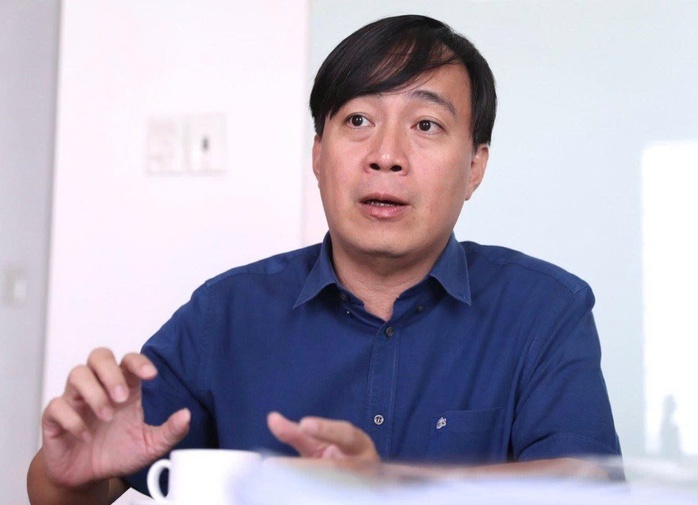
Mr. Tran Khanh Quang, General Director of Viet An Hoa Real Estate Investment Company
According to Mr. Tran Khanh Quang, General Director of Viet An Hoa Real Estate Investment Company, real estate prices have increased sharply compared to five years ago, making investment opportunities with a capital of 1 billion VND increasingly limited.
Furthermore, the market is facing financial pressure as lending interest rates have increased from around 8% previously to over 10% per year. At the same time, banks are tending to tighten loan disbursement, making access to capital more difficult.
According to Mr. Quang, high interest rates may remain in place for some time, forcing investors to be more cautious when using financial leverage.
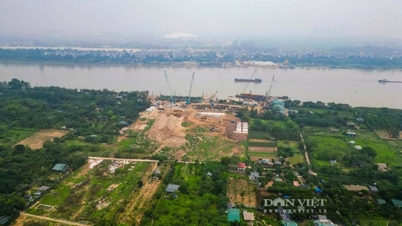
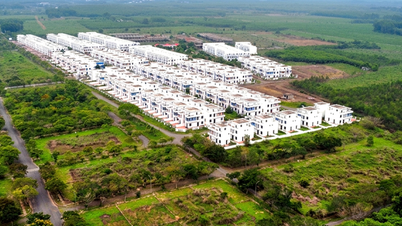
Notably, real estate investment flows are no longer concentrated in the central area of Ho Chi Minh City as before, but are spreading towards large-scale infrastructure projects, especially around the Ring Road 3 and Ring Road 4. These are considered areas with potential for price appreciation in the medium and long term.
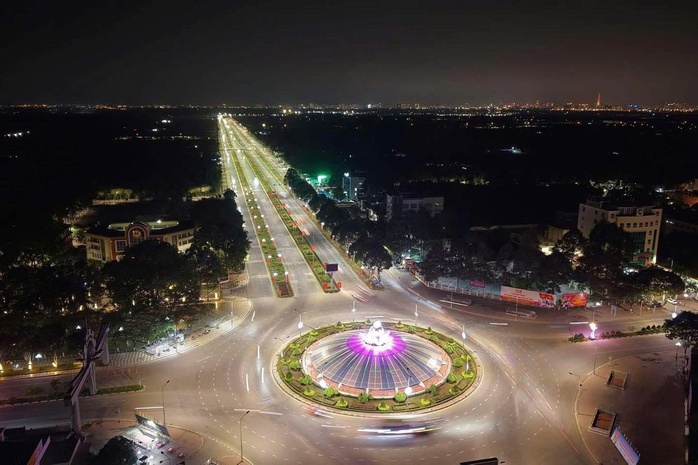
The newly opened routes connect the suburbs more closely to Ho Chi Minh City.
With 1 billion VND, Mr. Quang recommends that investors clearly define their strategy. If not using borrowed capital, priority should be given to small-scale land plots in suburban areas, especially around infrastructure routes such as Ring Road 3. However, with this amount of capital, investors will find it difficult to access formal projects and will mainly find residential land outside of these areas. This is a long-term investment, with expectations of 3-5 years when infrastructure is completed and inter-regional connectivity is improved.
In the case of using financial leverage, Mr. Quang recommends borrowing only 30%-50% of the property value to limit interest rate risk. With a budget of around 1.5-2 billion VND (including borrowed capital), investors can consider apartment units – a segment that still maintains good demand and suits the trend of urbanization. Additionally, townhouses in areas bordering Ho Chi Minh City should also be considered, provided the distance is convenient.
“Investors should prioritize assets that can be exploited immediately, such as for leasing or use, in order to generate cash flow and ensure liquidity. At the same time, they need to closely follow infrastructure planning, especially new dynamic routes such as Ring Road 3, followed by Ring Road 4,” Mr. Quang emphasized.
According to this expert, in the current context, using high leverage carries many risks. Investors who borrow capital need to carefully calculate their ability to repay interest in the long term, especially when interest rates tend to remain high.
Source: https://nld.com.vn/co-1-ti-dong-nen-dau-tu-bat-dong-san-the-nao-196260505134213129.htm

![[Photo] Ba Lang An Lighthouse - the "eye of the sea" amidst the "rock museum" of Quang Ngai province.](https://vphoto.vietnam.vn/thumb/1200x675/vietnam/resource/IMAGE/2026/05/29/1780038698840_anh-man-hinh-2026-05-29-luc-14-10-42.png)























![[Image] Pleasant weather helps students enter the 10th grade entrance exam with confidence.](https://vphoto.vietnam.vn/thumb/1200x675/vietnam/resource/IMAGE/2026/05/29/1780034401612_ngay-1-thi-lop-10-minh-duy-8-5009-jpg.webp)




























































Comment (0)