

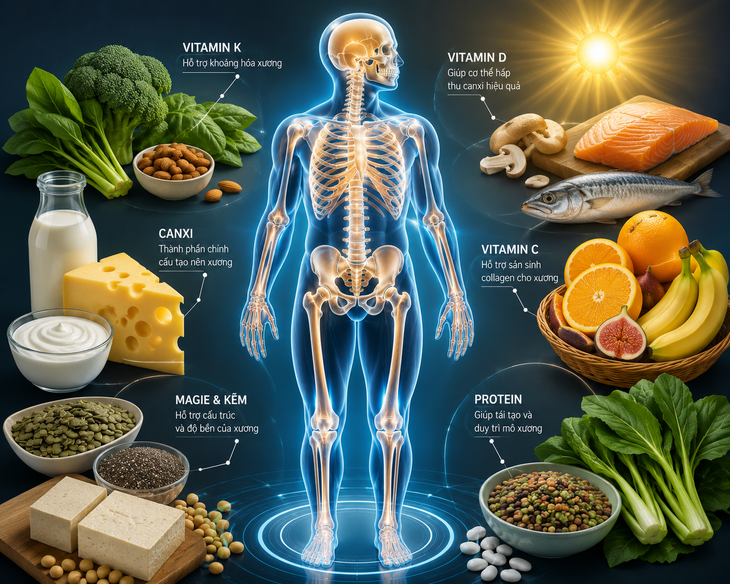
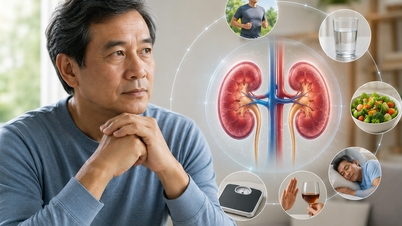
Bone is not a static structure, but a living tissue that is constantly being regenerated throughout life. Therefore, today's nutritional and lifestyle choices can directly impact bone health for years to come. - Image: AI
According to nutrition experts, bone care shouldn't wait until osteoporosis or joint pain occurs. Maintaining a balanced diet and providing sufficient essential nutrients from an early age is a crucial foundation for long-term protection of the musculoskeletal system.
How do vitamin D and calcium work together to protect bones?
Calcium is the main mineral that makes up bones and teeth, while vitamin D plays a role in helping the body absorb and utilize calcium effectively.
According to American nutritionist Jessica Cording, vitamin D helps enhance calcium absorption in the intestines. When the body lacks vitamin D, the amount of calcium absorbed from food decreases significantly, even if the diet contains plenty of calcium.
To maintain essential functions such as muscle contraction, nerve transmission, blood clotting, and hormone regulation, the body is forced to mobilize calcium reserves in the bones if the supply from food is insufficient. Over time, this process can impair bone density and increase the risk of osteoporosis.
When adequately supplied, vitamin D and calcium both participate in the process of bone remineralization.
Calcium provides the building material for bone tissue, while vitamin D helps regulate the balance of calcium and phosphorus in the body, facilitating the integration of these minerals into bone structure. This allows the skeletal system to maintain its strength and load-bearing capacity over time.
Numerous studies have shown that simultaneous supplementation with vitamin D and calcium is associated with higher bone mineral density and a lower risk of fractures, particularly in older adults. Some evidence also notes that this combination helps reduce the risk of osteoporotic hip fractures in women.
How can we effectively supplement vitamin D and calcium?
According to current nutritional recommendations, adults aged 19 to 50 need approximately 1,000mg of calcium per day. This requirement increases to 1,200mg/day for women aged 51 and older and for people over 71 in general. For vitamin D, the recommended amount is 600 IU/day for those aged 19 to 70 and 800 IU/day for the elderly.
Experts emphasize that it's not necessary to consume calcium-rich foods and vitamin D in the same meal. The important thing is to maintain adequate and consistent supplementation over the long term so that the body has enough nutrients to support bone regeneration.
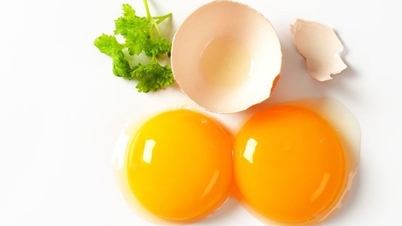
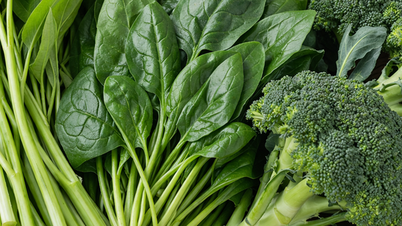
Calcium is abundant in milk, yogurt, cheese, sardines, whole-bone salmon, kale, broccoli, and calcium-fortified products. Meanwhile, vitamin D can be found in salmon, beef liver, egg yolks, and some fortified milks or cereals.
In addition to nutrition, experts recommend maintaining regular physical activity through weight-bearing activities such as walking, climbing stairs, dancing, or strength training. These exercises help stimulate the formation of new bone tissue and maintain muscle mass, thereby supporting overall bone health.
In addition, moderate exposure to sunlight helps the body synthesize vitamin D. However, this ability is affected by age, skin color, weather conditions, and sunscreen use habits, so sunlight should only be considered a supplement, not a complete replacement, for a balanced diet.
Experts believe that the foundation of a healthy skeletal system remains a varied, nutrient-rich diet, combined with an active lifestyle and adequate supplementation of vitamin D and calcium when needed. These are crucial factors in maintaining mobility, reducing the risk of osteoporosis, and improving quality of life in old age.
Source: https://tuoitre.vn/co-nen-bo-sung-vitamin-d-va-canxi-cung-mot-luc-20260522232548658.htm

![[Image] Hanoi's urban life under the challenge of a "scorching hot" environment](https://vphoto.vietnam.vn/thumb/1200x675/vietnam/resource/IMAGE/2026/05/25/1779706979265_nang-nong-t5-2026-minh-duy-7-4636-jpg.webp)



![[Image] Close-up view of the interchange connecting the two expressways and Long Thanh Airport.](https://vphoto.vietnam.vn/thumb/1200x675/vietnam/resource/IMAGE/2026/05/25/1779703378210_ndo_br_z7863716673926-224453a31600126cce10622af6290afd-4549-jpg.webp)












































































Comment (0)