

In step 1 (from July 1st to December 31st, 2025), representatives from the Department of Public Assets Management stated that they have completed the processing of 26,447 local properties; of which 3,015 were allocated for educational and training purposes; 648 for medical facilities; 2,385 for cultural and sports facilities; and 626 for other public purposes...
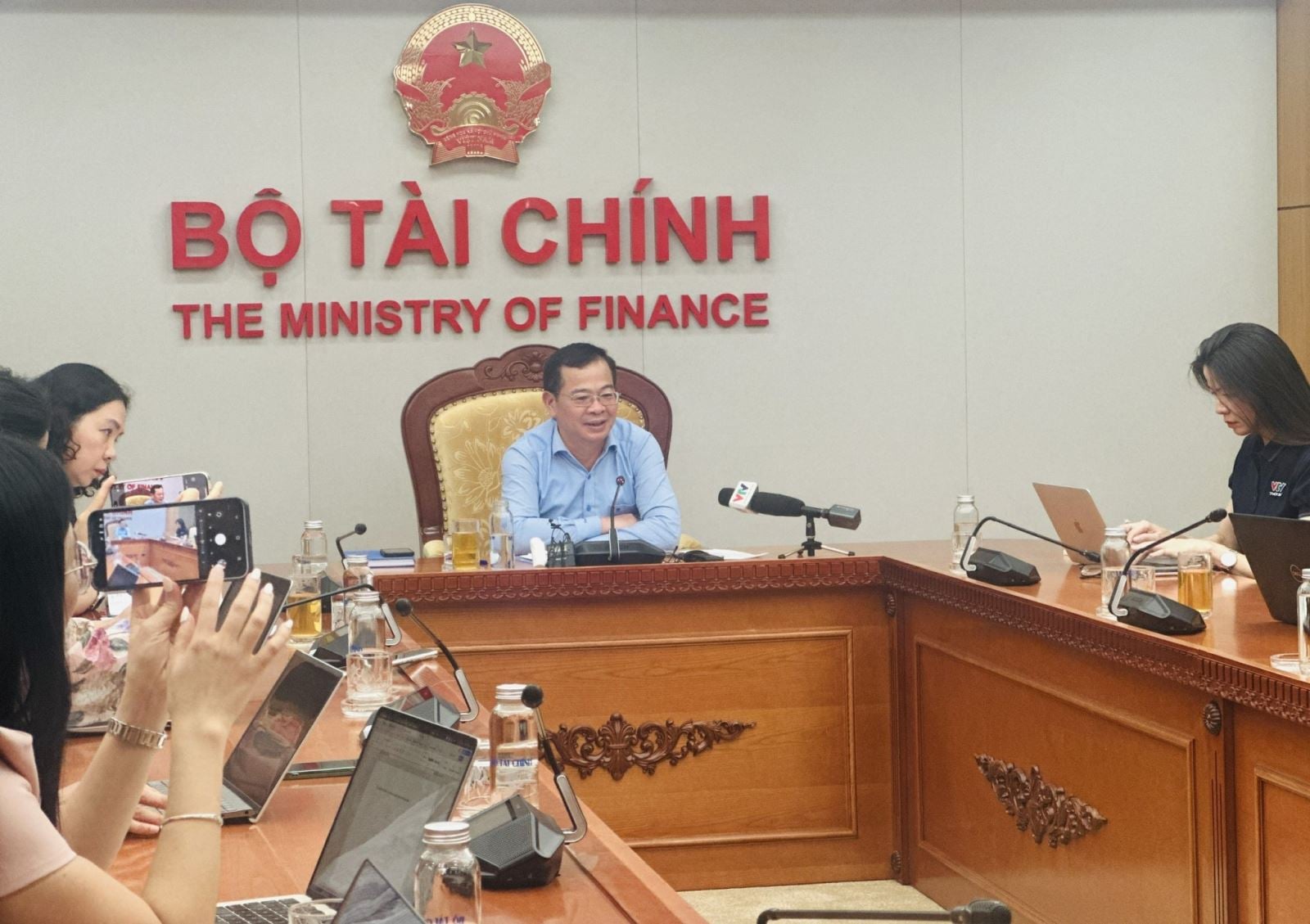
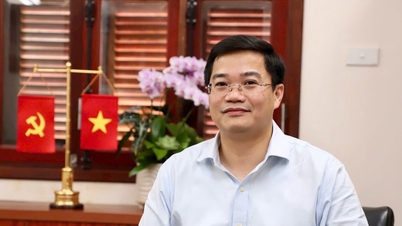
“From the beginning of 2026 to the end of the second quarter of 2026, there are still 16,101 local properties that have been subject to recovery and transfer decisions and need to be fully processed and exploited. To date, the number of surplus properties that have been processed or put into exploitation is 4,709,” Mr. Nguyen Tan Thinh shared.
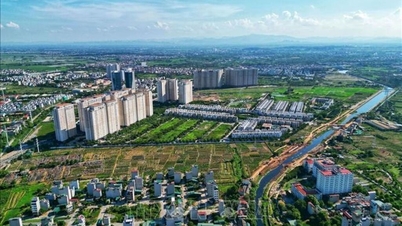
However, according to the Ministry of Finance, there are still 11,412 surplus land and property assets that have been subject to recovery and transfer to local authorities for management but have not yet been fully processed or put into full use. Of these, 5,329 assets have been assigned to housing businesses or land development organizations for management but have not yet been put into use; 2,823 assets have had their processing plans approved but not yet completed; and 3,260 assets have no processing or exploitation plans in place.
For central ministries and agencies, 3,446 properties have been processed, but 702 remain unprocessed. Some agencies still have a large number of surplus properties that have not been processed, such as the Central Committee of the Vietnam Fatherland Front and the Supreme People's Court .
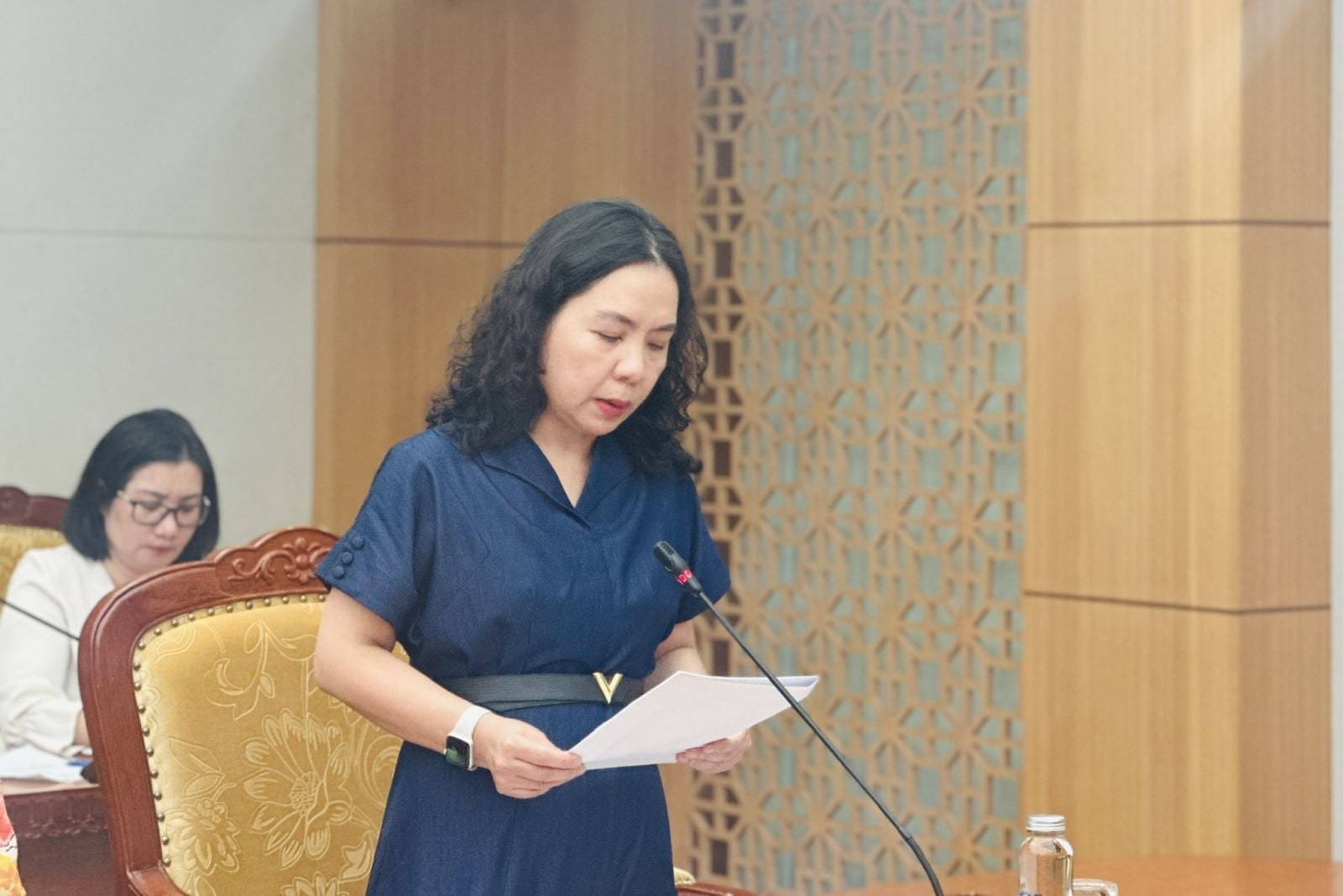
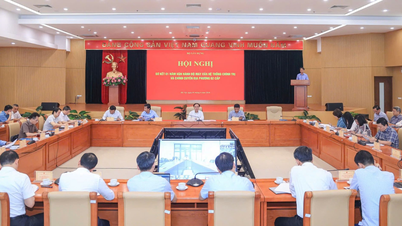
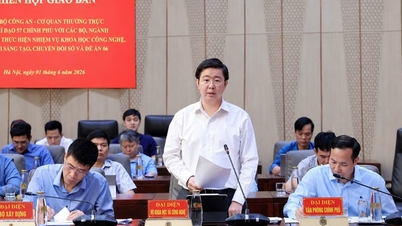
At the working session on the afternoon of June 1st, Ms. Tran Dieu An, Deputy Director of the Department of Public Assets Management (Ministry of Finance), stated that the arrangement and handling of public assets in the past period has made a significant contribution to ensuring the smooth operation of the two-level local government apparatus after the restructuring. At the same time, this process has also created additional land resources and infrastructure for essential sectors such as education, health, culture, and sports, contributing to improving the quality of public services and people's lives.
However, the progress in handling and utilizing surplus houses and land in phase 2 is uneven among localities. While some localities such as Lai Chau, Dien Bien, Cao Bang, Lang Son, and An Giang only have a small number of facilities remaining to be processed, many other localities still have a large number of surplus houses and land that have not yet completed the exploitation and utilization phase.
“The process of handling public assets is facing many obstacles. The arrangement and relocation of offices and land must be carried out within a short timeframe, involving a very large volume of assets and implemented simultaneously nationwide. Meanwhile, the organizational structure after the reorganization has changed significantly compared to before, leading to changes in the requirements for physical infrastructure, demanding flexible asset allocation and utilization,” a representative from the Ministry of Finance stated.
In addition, the staff responsible for managing public assets in many localities has been disrupted following the reorganization of administrative units; many officials have to handle multiple tasks simultaneously, increasing pressure and workload.
Furthermore, some ministries, departments, and localities have not yet fully issued documents within their authority related to the decentralization of public asset management, standards and norms for the use of office buildings, official vehicles, and specialized assets, affecting the progress of asset disposal.
Notably, the exploitation of surplus housing and land is facing difficulties due to a sharp increase in supply following administrative unit reorganization, while demand from both the public and private sectors in many areas has decreased. Many properties are small-scale, located in remote areas, or lack commercial advantages, making them difficult to attract organizations or individuals to rent or utilize. Furthermore, some communes newly assigned to manage surplus assets are still struggling to develop effective utilization plans.
To facilitate the restructuring of public assets, from the end of 2024 to the present, the National Assembly, the Government, the Prime Minister, and the Ministry of Finance have issued 38 legal documents in the field of public asset management and use. Specifically, from June 1, 2025 to the present, the Ministry of Finance has submitted to competent authorities for promulgation 12 decrees, 2 decisions of the Prime Minister, and issued 7 circulars to complete the legal framework for managing and disposing of public assets after the restructuring of administrative units.
Mr. Nguyen Tan Thinh shared that in the coming time, ministries, sectors, and localities need to continue to accelerate the efficient exploitation and use of surplus houses and land; review and improve regulations on public asset management; and consider the results of handling and exploiting surplus houses and land as a criterion for evaluating the performance of heads of agencies and units.
Notably, since May 26th, the Ministry of Finance has submitted a proposal to the Government regarding the issuance of a Resolution on specific mechanisms and policies to accelerate the processing and utilization of surplus houses and land after the restructuring and streamlining of the political system's organizational apparatus and the reorganization of administrative units according to simplified procedures. The Ministry of Finance is actively coordinating closely with the Government Office to issue this Resolution.
To expedite the processing and utilization of surplus land and buildings after organizational restructuring, the Ministry of Finance suggests that the State needs specific mechanisms and policies that differ from the current standard procedures.
Mr. Nguyen Tan Thinh emphasized that the draft Resolution on special mechanisms and policies has been proposed by the Ministry of Finance with many solutions to shorten the processing time, such as simplifying the method of determining rental prices, decentralizing more power to localities, allowing flexible adjustments to management and exploitation plans, and reducing unnecessary administrative procedures.
Notably, the draft also proposes allowing adjustments to rental prices in cases where the property has been publicly advertised but no tenant has been selected, in order to avoid prolonged periods of vacant property.
Source: https://baotintuc.vn/kinh-te/con-hon-11400-co-so-nha-dat-doi-du-chua-xu-ly-triet-de-20260601162108235.htm























![[Photo] Reception to welcome General Secretary and President To Lam and his wife on their State visit to the Philippines](https://vphoto.vietnam.vn/thumb/1200x675/vietnam/resource/IMAGE/2026/06/01/1780295488620_vna-potal-chieu-dai-chao-mung-tong-bi-thu-chu-tich-nuoc-to-lam-va-phu-nhan-tham-cap-nha-nuoc-toi-philippines-8798060-7855-jpg.webp)
























































Comment (0)