

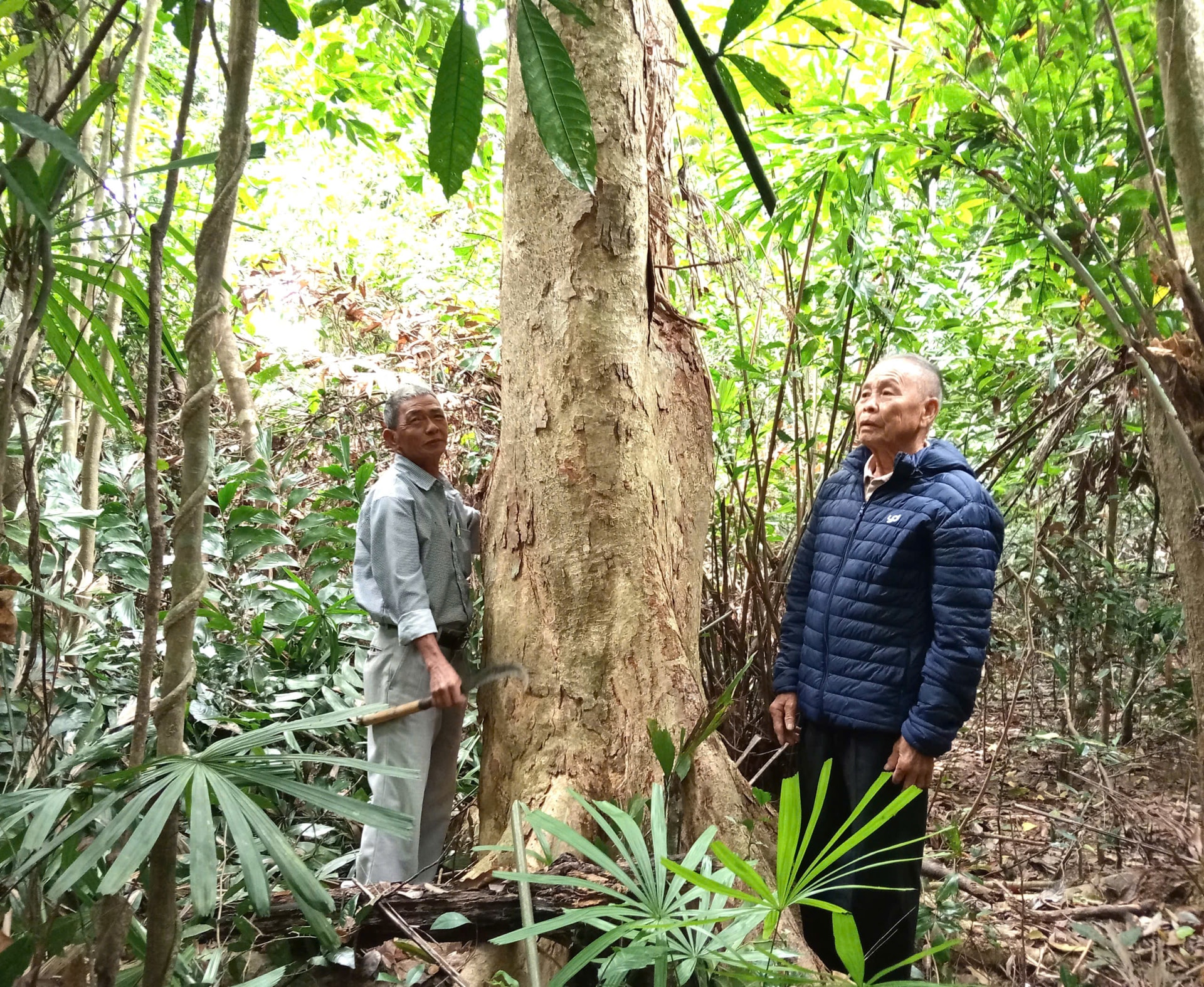
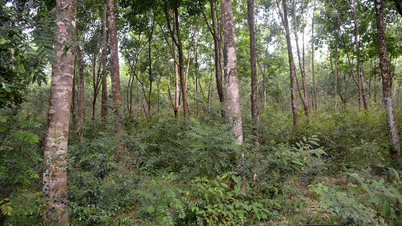
According to the history of Nghi Son village, the Cam Mieu forest has existed for over 500 years, closely associated with the founding and settlement process of the village's ancestors. According to Mr. Dinh Huu Nam (Nghi Son village), from the very beginning, the inhabitants recognized the forest's importance to their lives and worked together to protect it. They erected a shrine at the edge of the forest to worship deities, the local spirits, and established strict rules to preserve it, hence the name "Cam Mieu forest".
In 1938, when Nghi Son village was officially established, the village regulations for forest protection were further developed, strictly prohibiting villagers from setting fires, cutting down trees, chopping firewood, or burning charcoal. Anyone who violated these regulations would be fined between 1 and 10 ang of rice, depending on the severity of the offense.
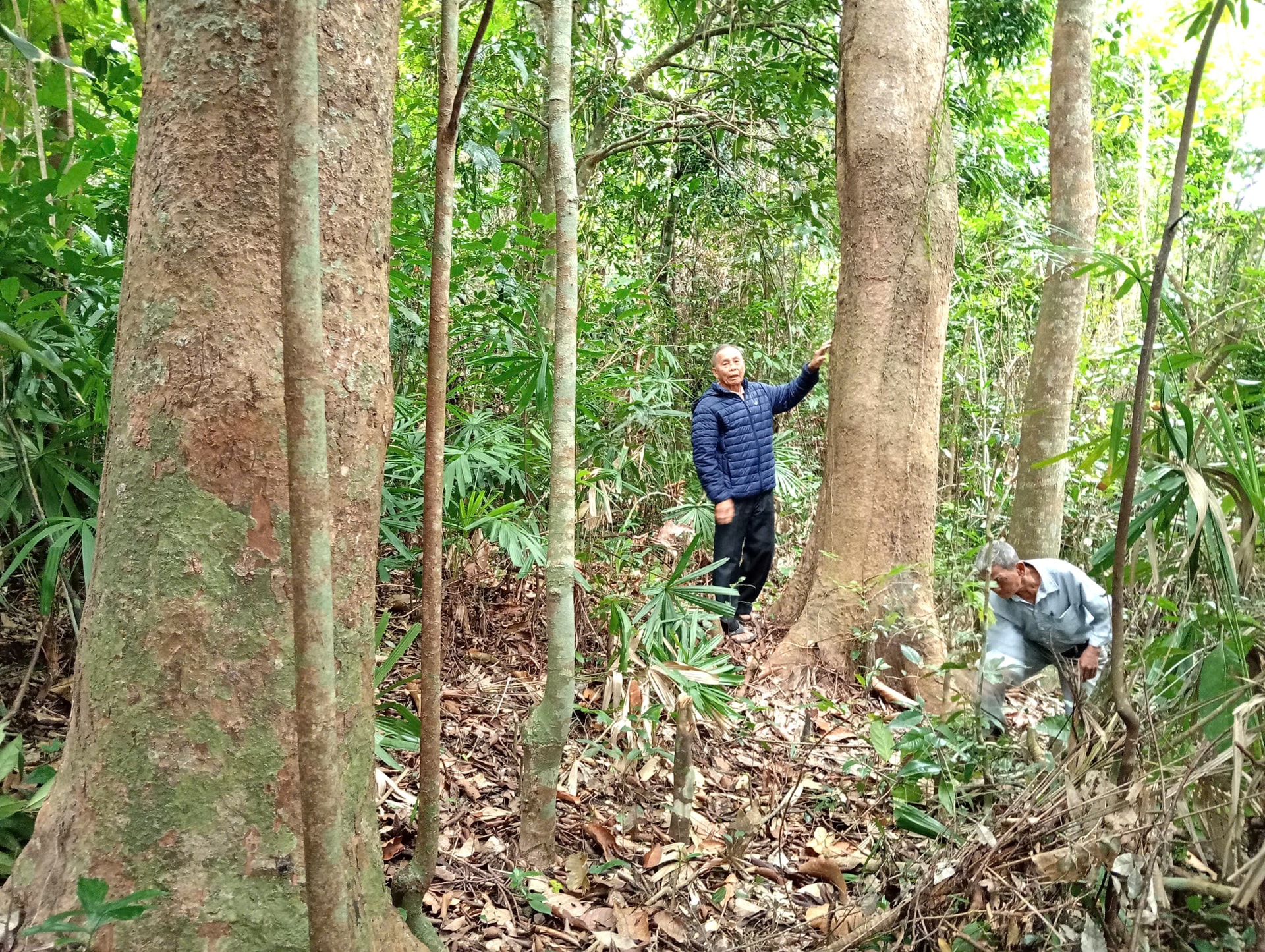
In the memories of many elderly people, Cam Mieu Forest is also a witness to history. Mr. Tran Dinh Bay (Nghi Son village) said that during the war, the forest was a revolutionary base, a hiding place for food and weapons. In 1941-1942, Comrade Vo Chi Cong came here to work and lead the revolutionary movement. During the period 1968-1970, Cam Mieu Forest was the encampment of Regiment 31, 38…; despite being heavily damaged by bombs and bullets, the forest still regenerated strongly.
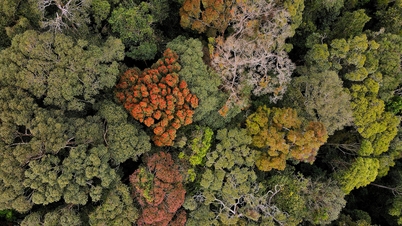
After liberation, the local authorities and Nghi Son village continued to renovate the temple and finalize the regulations for protecting the Forbidden Temple Forest, entrusting 12 clan leaders and villagers with the responsibility of preserving the forest. Thanks to this, in the middle of the midland region, the forest, covering more than 9.5 hectares, still exists today, with many large-diameter, wide-canopied trees.
“The Forbidden Forest Temple is closely associated with the Khai Son Festival, a unique cultural feature of the local people. Every year on the 8th day of the Lunar New Year, the villagers hold a festival to express gratitude to their ancestors and the mountain spirits, and to pray for good fortune for all families. Beyond its spiritual significance, the forest also regulates the climate, preserves water resources, and creates a healthy living environment for the community. Our ancestors said that as long as the forest remains, the village remains, so we are always conscious of preserving it for future generations,” Mr. Bay shared.
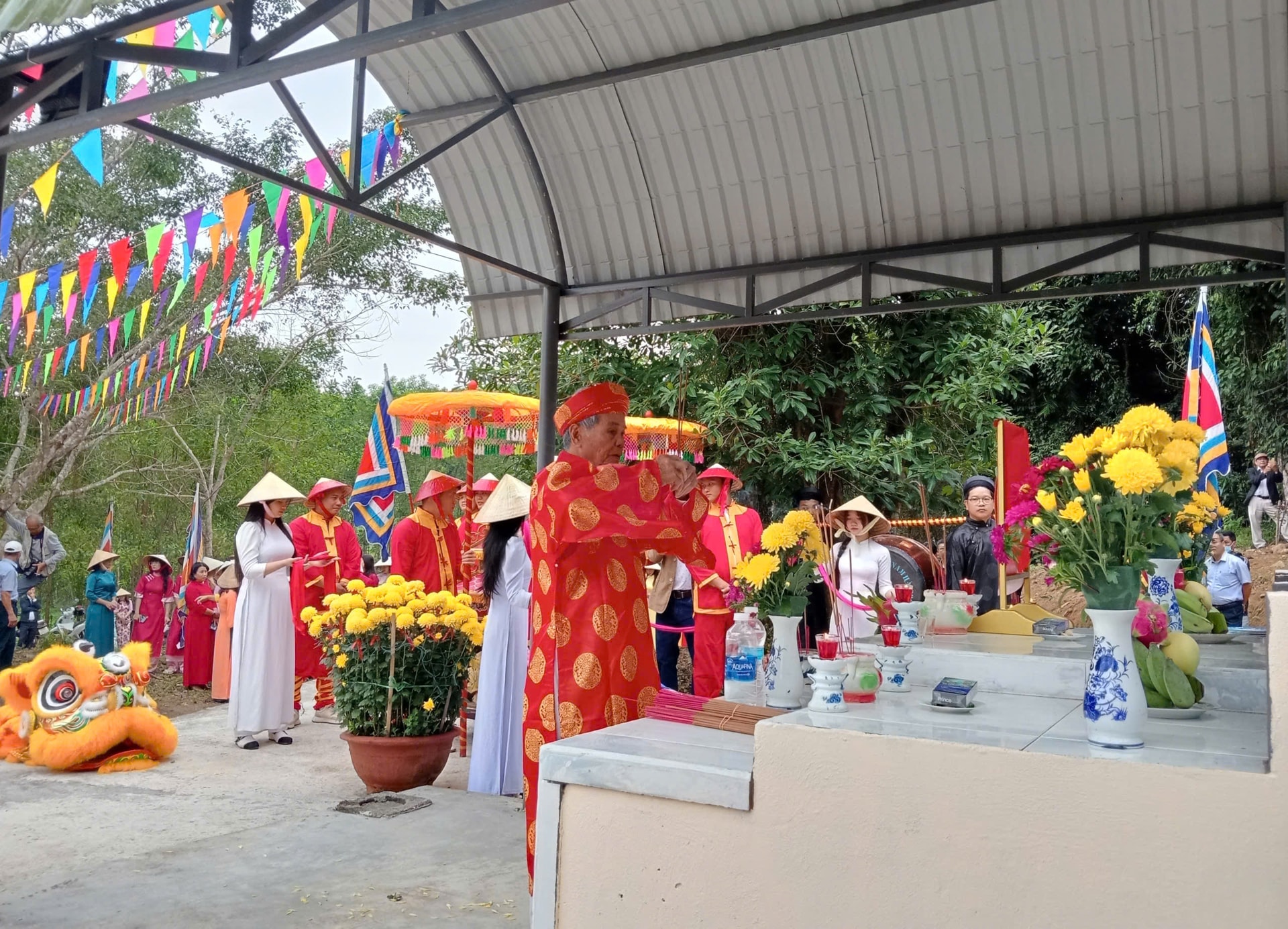
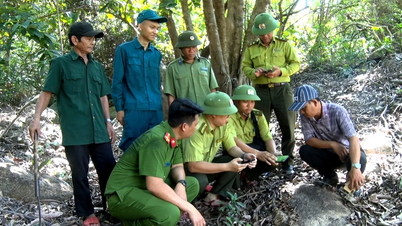
According to Mr. Ngo Van Nhanh, Chairman of the People's Committee of Que Son Trung commune, the Nghi Son village's forest protection regulations were established very early on and have been sustainably maintained to this day, demonstrating clear effectiveness in forest conservation. These regulations serve as an important foundation for community cohesion, fostering self-governance and self-monitoring among clans and villagers in forest protection. As a result, the nearly 10-hectare Cam Mieu forest remains almost completely intact, becoming a "green treasure" and a cultural and spiritual space for the village.
“The forest protection regulations of Nghi Son village are one of the exemplary models that need to be preserved and promoted. In the coming time, Que Son Trung commune will continue to review and supplement the regulations to ensure they comply with legal regulations and strengthen propaganda efforts so that awareness of forest protection continues to spread in community life,” Mr. Nhanh said.
Source: https://baodanang.vn/cong-dong-giu-rung-cam-mieu-3336204.html

![[Photo] General Secretary and President To Lam presides over the meeting to approve the draft report on the results of the second inspection by the Politburo of the Standing Committee of the Hanoi City Party Committee.](https://vphoto.vietnam.vn/thumb/1200x675/vietnam/resource/IMAGE/2026/05/26/1779789811432_a2-bnd-4430-9620-jpg.webp)











































































Comment (0)