

On January 21st, in an interview with VietNamNet reporters, Colonel Pham Quang Huy, Deputy Director of the Traffic Police Department ( Ministry of Public Security ), stated that 60 traffic police teams from 30 local traffic police departments along National Highway 1A and 260 officers and soldiers from 7 highway patrol teams under the Traffic Police Department have applied inter-provincial patrol connectivity technology to their patrol and control activities.
Colonel Huy stated that the traffic police's mobile patrol and control application is connected to a professional database system and is compatible with various mobile devices to gradually automate and improve the efficiency of patrol and control work, creating the most favorable conditions for road users.
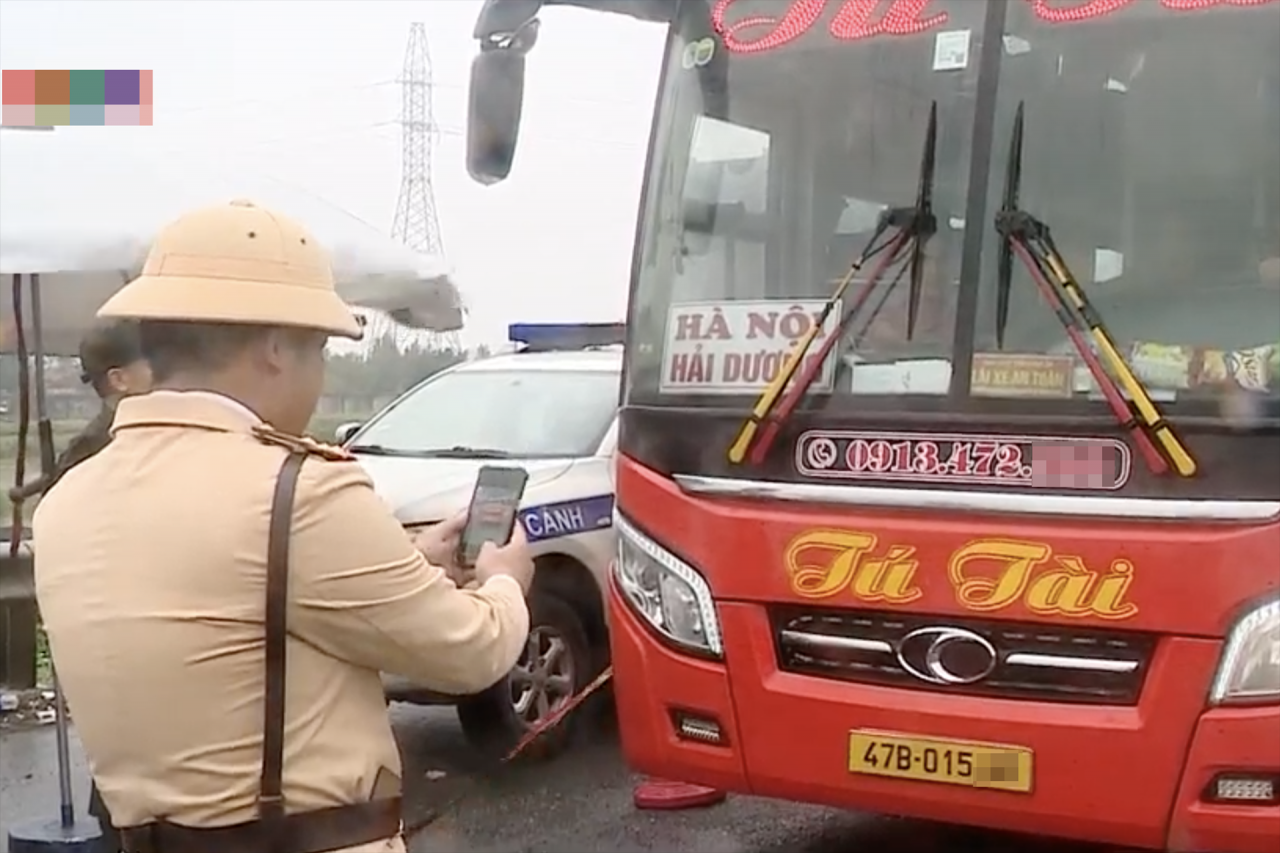
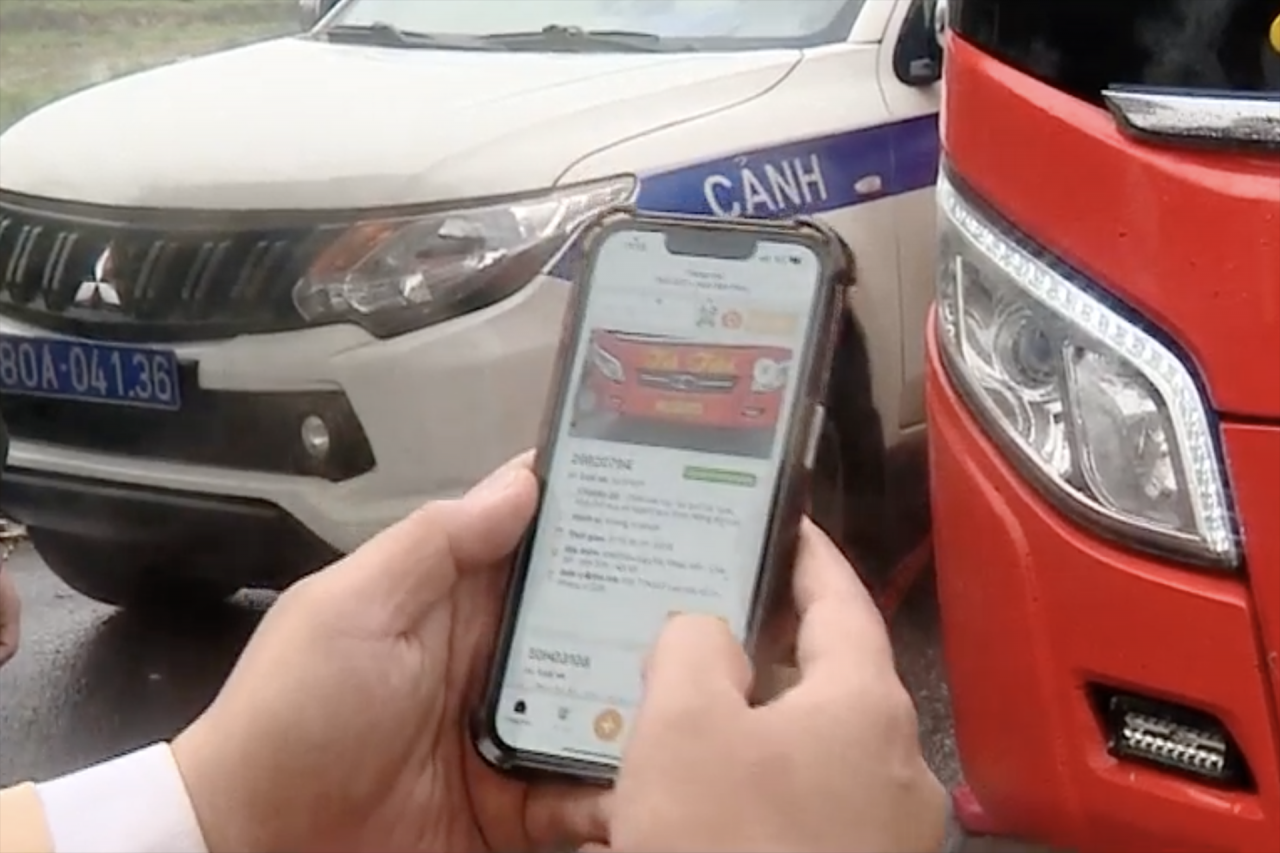
"During the pilot phase, based on images captured by phone cameras, the application uses AI technology to analyze and identify vehicle license plates so that the data system can automatically check vehicles that have been previously inspected by traffic police teams, limiting multiple inspections on the route," said Colonel Pham Quang Huy.
The Deputy Director of the Traffic Police Department added that the application also uses QR code scanning technology, citizen identification cards, and driver's licenses to quickly and accurately collect information on vehicle operators, and is connected online to traffic police teams operating on National Highway 1A. Simultaneously, it connects to the traffic command and control information centers at all levels for management and operation.
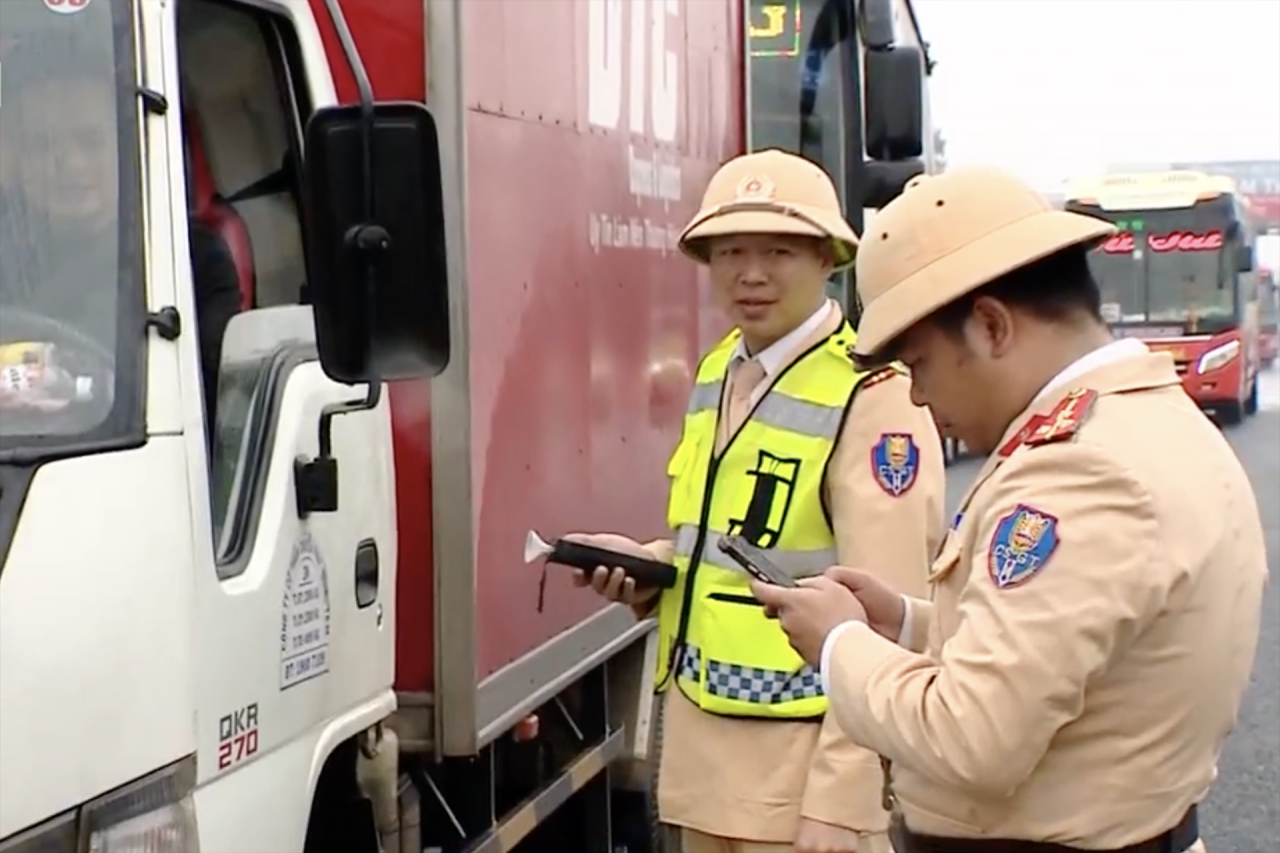
"To date, we have issued accounts to 1,780 officers and soldiers from 60 traffic police teams of 30 local traffic police departments along the route and 260 officers and soldiers from 7 highway traffic control and patrol teams under the Traffic Police Department," Colonel Huy informed.
Shorten the inspection time for traffic police.
According to Colonel Pham Quang Huy, from the very beginning of the pilot program, the technology connecting inter-route patrols has received positive feedback from officers and soldiers directly involved in patrolling, controlling, and handling violations on the route, as well as from people participating in traffic.
The application of technology helps avoid overlapping in vehicle inspections, facilitating traffic flow. Traffic police teams can quickly determine whether a vehicle has been inspected before, the time and location of the inspection, to decide whether to stop the vehicle for inspection (except in cases of direct detection of violations), limiting the number of times a vehicle is stopped repeatedly, causing inconvenience to the driver and passengers.
At the same time, the application helps shorten the inspection time because the information and legal status of documents related to the driver and vehicle are already displayed in the traffic police team's inspection and violation processing information on the application.
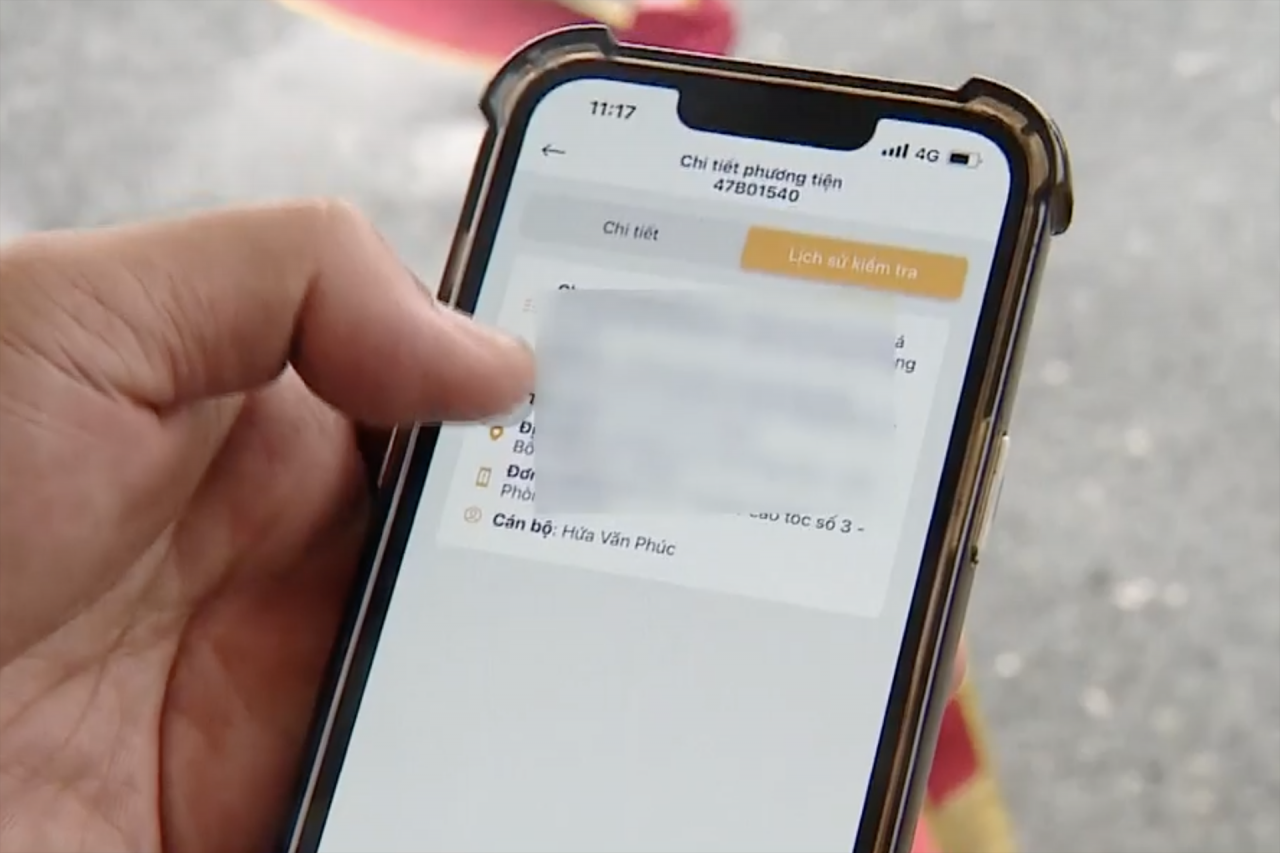
Furthermore, the use of technology helps to determine the vehicle's travel route, location information, and the time of license plate photos (whether the vehicle stopped for inspection or not). This information is stored in the application's database to reconstruct the vehicle's travel route.
This saves time for law enforcement agencies during inspections; time for businesses and vehicle operators; and saves on consumable materials used in inspection and control (such as breathalyzer tubes, test strips, and printed result sheets...).
Currently, the Traffic Police Department is taking steps to build a shared data center to facilitate the connection and sharing of camera data. Once completed, mobile devices will be provided to traffic police officers on patrol and control duties nationwide.
The Traffic Police Department is also urgently researching and developing a dedicated application for citizens. Through this application, people can access utilities related to traffic such as: checking traffic conditions, checking traffic violations, paying administrative fines online... as well as reporting traffic safety issues and traffic violations to relevant authorities for timely action.
Source

![[Photo] Prime Minister Pham Minh Chinh presides over a meeting on private sector economic development.](/_next/image?url=https%3A%2F%2Fvphoto.vietnam.vn%2Fthumb%2F1200x675%2Fvietnam%2Fresource%2FIMAGE%2F2025%2F12%2F20%2F1766237501876_thiet-ke-chua-co-ten-40-png.webp&w=3840&q=75)


















































































Comment (0)