Ulcerative colitis is an inflammatory condition affecting the lining of the colon and rectum. It can be short-lived or chronic. This condition causes discomfort, pain, and in some cases, bleeding, increasing the risk of colorectal cancer.
Causes of ulcerative colitis
There are many causes of ulcerative colitis, the most common of which are:
Poor hygiene in eating and drinking can cause intestinal infections due to bacteria such as Salmonella, Shigella, or Campylobacter.
Some cases of proctitis are associated with antibiotic use. While antibiotics can kill the bacteria causing the infection, they can also disrupt the balance of beneficial bacteria, creating conditions for Clostridium difficile to thrive and cause proctitis.
- Genetic and immunological factors
A genetic abnormality causes the immune system to overreact to agents such as bacteria, viruses, or food when they come into contact with the digestive tract.
However, the exact cause cannot be determined in every case.
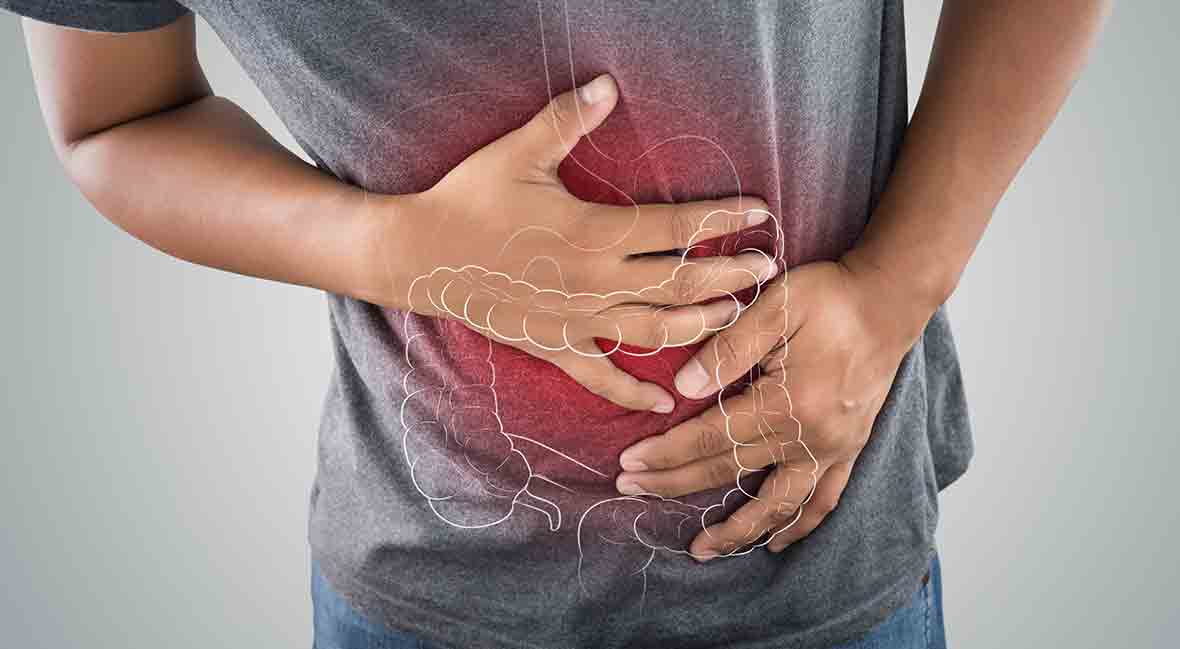
Ulcerative colitis is a chronic inflammatory disease of the lining of the colon and rectum.
Symptoms of ulcerative colitis
The most common symptom is tenesmus – an uncomfortable, constant urge to defecate even after just having gone to the toilet. This condition stems from inflammation and irritation of the rectal lining.
Common symptoms include:
- Bloody stools
- Itching or burning sensation in the anus
- Rectal bleeding
- Anal or rectal pain
- intermittent abdominal cramps
- Rectal discharge of mucus or pus
- Diarrhea or loose stools
- Swollen lymph nodes in the groin
Patients may also exhibit extra-gastrointestinal manifestations.
Anyone who suspects they have the disease or notices unusual symptoms should see a doctor for examination and diagnosis. Based on symptoms, health status, family history, and sexual behavior, the doctor will order appropriate tests.
Complications of ulcerative colitis
If left untreated or unresponsive to treatment, proctitis can lead to several complications:
Prolonged rectal bleeding causes a deficiency of red blood cells, leading to fatigue, dizziness, shortness of breath, pale skin, and irritability.
A painful, swollen, pus-filled area forms due to infection.
Chronic inflammation can easily lead to rectal mucosal ulcers. When the ulcers spread deeply, they can form fistulas connecting the rectum to the skin or other organs such as the bladder or vagina.
It is a dangerous, life-threatening complication if not detected and treated early.
Treatment of ulcerative colitis
Depending on the cause and severity of the condition, the doctor will choose the appropriate treatment method.
Commonly used medications include:
- Antibiotics in case of bacterial infection.
- Anti-inflammatory drugs: 5-ASA, corticosteroids
- Immunosuppressant drugs
If medical treatment is ineffective or the disease recurs frequently, patients may need surgery to remove the damaged portion of the colon and rectum, especially when complications such as colon perforation or massive gastrointestinal bleeding occur.
Preventing ulcerative colitis
Diet:
- Limit dairy products if you are lactose intolerant.
- Reduce your intake of fats, and avoid butter, cream sauces, and fried foods.
- Prioritize cooked foods that are high in fiber.
- Limit spicy foods, alcohol, and coffee.
Other measures:
- Use probiotics to maintain gut health.
- Drink about 2 liters of water each day.
- Supplement with vitamins and minerals as needed.
Source: https://suckhoedoisong.vn/dau-hieu-thuong-gap-cua-viem-loet-dai-truc-trang-169251125082515144.htm





























![[Photo] Reception to welcome General Secretary and President To Lam and his wife on their State visit to the Philippines](https://vphoto.vietnam.vn/thumb/1200x675/vietnam/resource/IMAGE/2026/06/01/1780295488620_vna-potal-chieu-dai-chao-mung-tong-bi-thu-chu-tich-nuoc-to-lam-va-phu-nhan-tham-cap-nha-nuoc-toi-philippines-8798060-7855-jpg.webp)








































































Comment (0)