

On August 22nd, the Ministry of Education and Training published a draft Circular regulating tutoring and supplementary classes for public comment. The Ministry's issuance of a new document to amend Circular 17/2012/TT-BGDĐT is necessary. However, upon reading the draft, we found that its content lacks the groundbreaking measures to restrict tutoring and supplementary classes currently in place; in fact, it seems even more lenient than before.
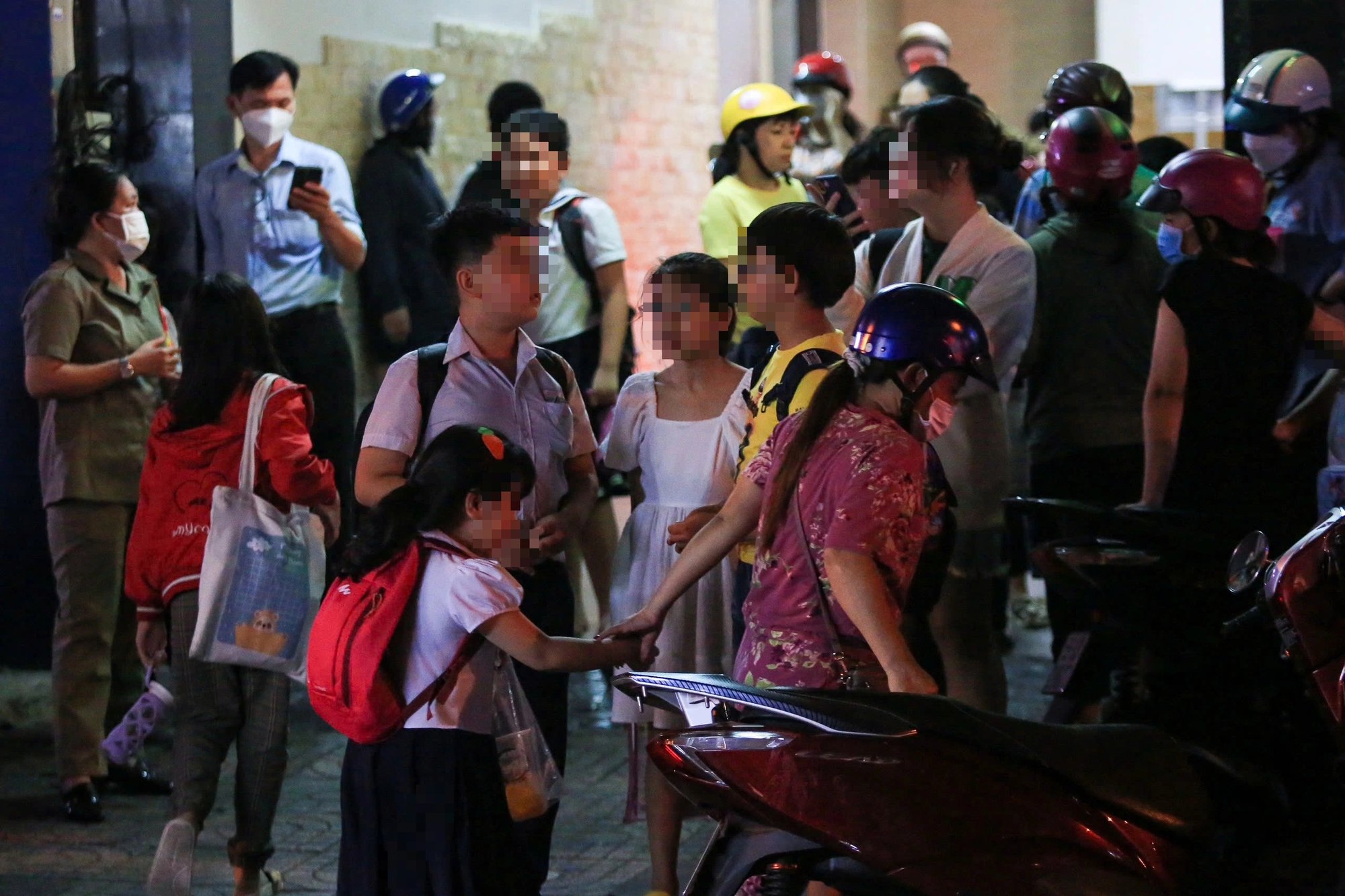
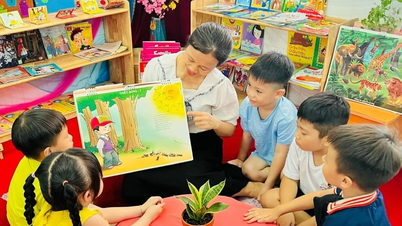
Elementary school students after extra classes at a facility in District 5 (Ho Chi Minh City) in March 2023.
"Voluntary": Difficult to control
The draft regulations on supplementary tutoring (Article 3) stipulate that "supplementary tutoring may only be organized when students have a need for it, voluntarily choose to attend, and have the consent of their parents or guardians. Organizations and individuals organizing supplementary tutoring are not allowed to use any form to force students to attend."
Previously, Circular No. 17/2012/TT-BGDĐT also stipulated: "The target group for supplementary education is students who need supplementary education, voluntarily participate in supplementary education, and have the consent of their families; no form of coercion should be used to force students' families or students to participate in supplementary education."
However, the situation regarding extra tutoring in recent years has been quite complicated. Students attend extra classes "voluntarily"; no teacher forces them. While teachers don't force them, there are instances where students who don't attend extra classes are at a disadvantage in class and on tests. Therefore, widespread extra tutoring has occurred in some subjects.
"No extra tutoring ahead of the curriculum": Is it easy to implement?
The draft circular stipulates: "No supplementary teaching of content beyond the curriculum outlined in the school's educational plan is allowed; examples, questions, and exercises taught in supplementary classes are not to be used for student assessment." However, who, or which agency, will inspect extracurricular tutoring remains an open question.
Most teachers currently providing extracurricular tutoring to students outside of school are teaching ahead of the curriculum. Systematizing and expanding knowledge is rarely done, and this is usually reserved for students in their final year of school, particularly during the period leading up to entrance exams or graduation exams.
The regulation prohibiting the use of examples, questions, and exercises from supplementary classes or tutoring sessions for testing and evaluating students is even more difficult. This is precisely what parents and students expect. The credibility of tutoring teachers hinges on this. Without this regulation, how can students achieve high scores and academic honors?
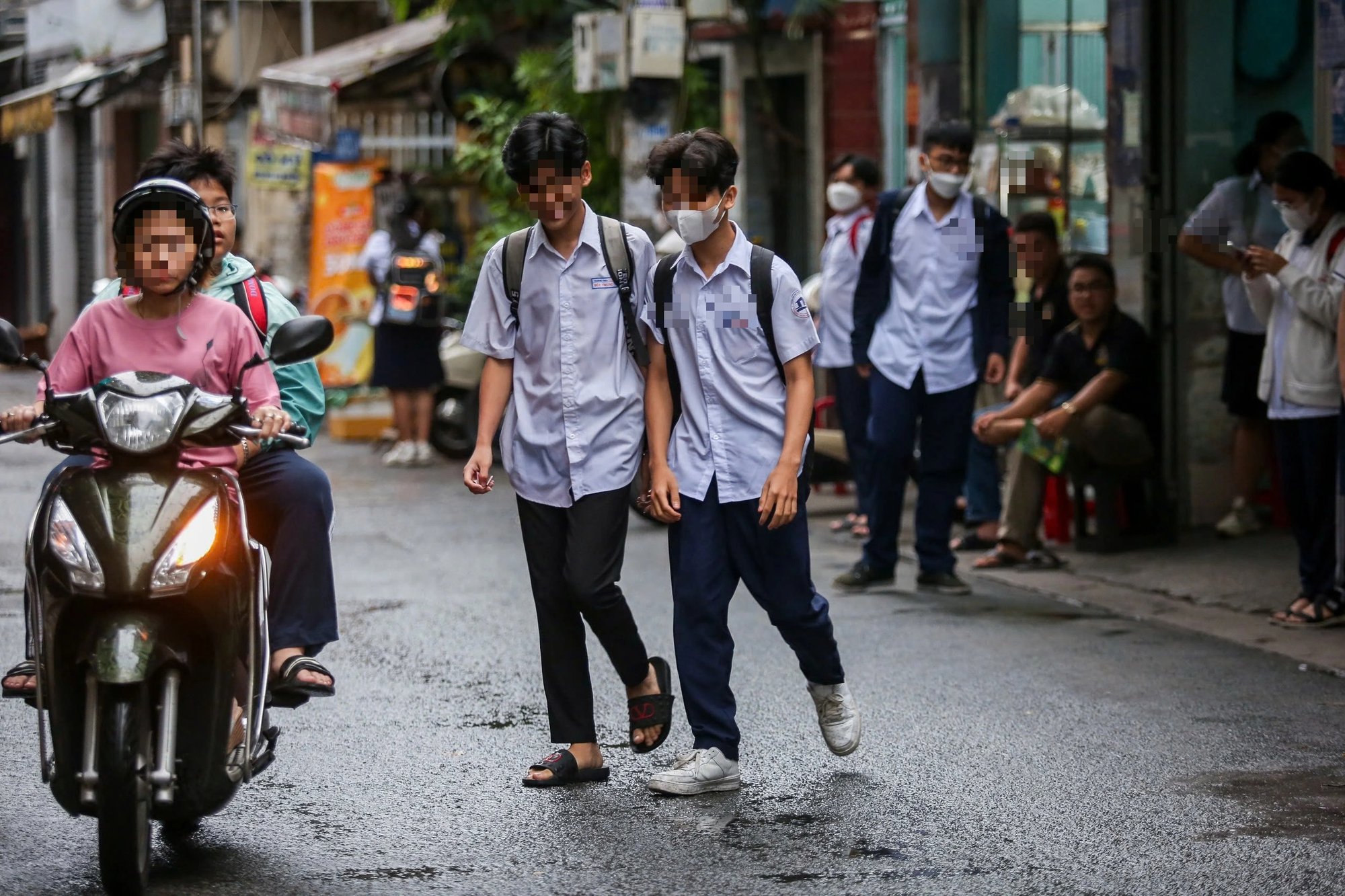
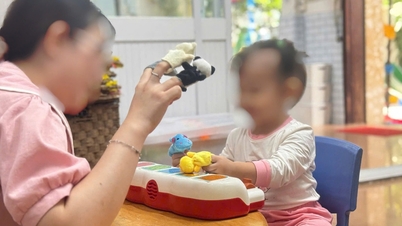
Students leaving school at a tutoring center on Cach Mang Thang Tam Street (Tan Binh District, Ho Chi Minh City) in 2023.
Should we acknowledge and allow extracurricular tutoring?
The provision regarding extracurricular tutoring (Article 5) requires "Business registration in accordance with the law," which, when compared to Circular No. 17/2012/TT-BGDĐT requiring a license, does not differ significantly in content.
Furthermore, while Circular No. 17/2012/TT-BGDĐT previously prohibited teachers from providing extra tutoring to regular students, teachers still primarily did so. Now, the draft Circular no longer prohibits this. This regulation essentially acknowledges the permission for extra tutoring outside of school. As long as teachers provide extra tutoring outside of school and report the location and time, and commit to not violating regulations to the head of the unit or managing agency, they can open tutoring classes.
Clause 2, Article 6 of the draft guidelines on collecting and managing fees for extracurricular tutoring states: "The amount of fees for extracurricular tutoring shall be agreed upon between parents, students, and the tutoring institution and must be publicly disclosed before enrollment in tutoring classes."
For a long time, this has been either "negotiated" with parents or "publicly stated before enrollment," but whatever amount the tutor charges, parents and students pay in full. No parent or student has ever disagreed with the tuition fee requested by the tutor.
In reality, the draft Circular recently published by the Ministry of Education and Training, when compared to Circular No. 17/2012/TT-BGDĐT, does not change much in content or nature. Therefore, the situation of extra tutoring may continue to be complicated. In particular, not prohibiting teachers from tutoring regular students also means removing a barrier, allowing teachers to provide extra tutoring more freely and without worry. As long as they report to the principal and make certain commitments as stipulated, they are allowed to do so.
Source: https://thanhnien.vn/day-them-hoc-them-se-de-dang-hon-truoc-day-185240825120423232.htm



















































































Comment (0)