

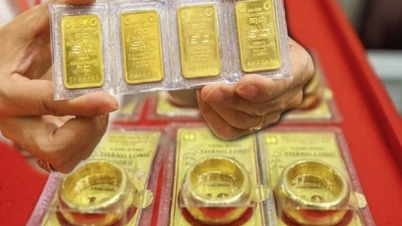
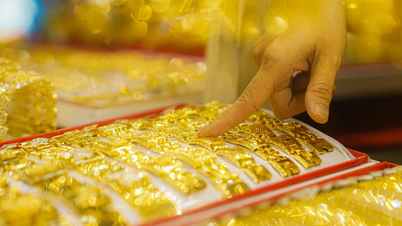
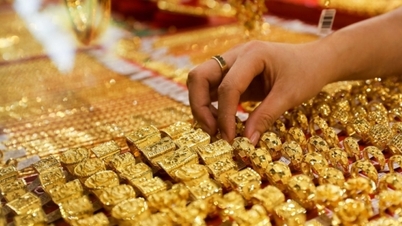
Most people buy gold to keep in a safe or vault as a safeguard against unforeseen circumstances.
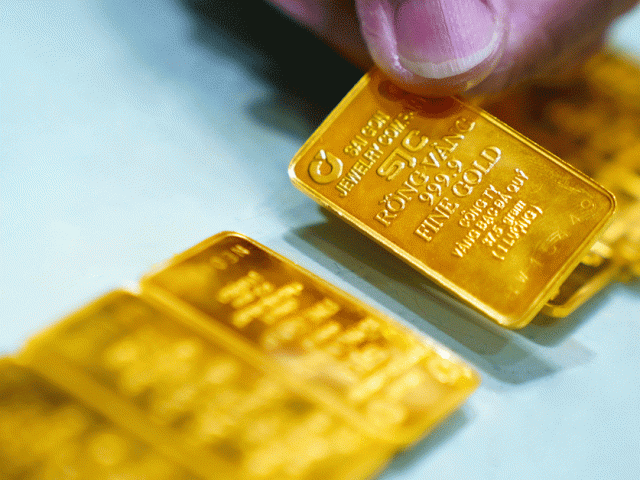
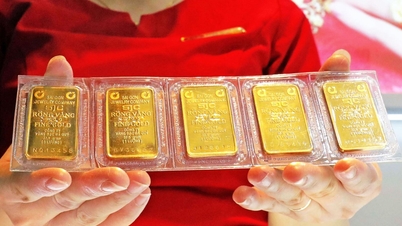
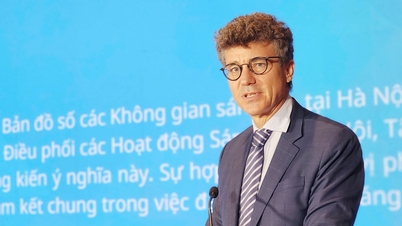
Speaking at the seminar "Solutions for developing a safe and sustainable gold market" organized by the Government's electronic information portal, National Assembly representative Hoang Van Cuong stated that the State has a monopoly on the production of gold bars and uses the SJC brand as the national brand. Therefore, people often choose SJC for hoarding and risk mitigation.
This creates inequality because although 9999 gold is of the same quality, SJC gold is protected, so its price is always higher.
Furthermore, the lack of interconnected gold imports within the country prevents a balance between the domestic and international gold markets. Therefore, when the global price increases slightly, the price of gold in Vietnam also rises sharply. This price difference between domestic and international gold leads to smuggling, where higher profits lead to greater smuggling.
"This would make it impossible to manage the gold market effectively, leading to tax revenue losses and failing to create competition, transparency, and equality," Mr. Cuong shared.

Based on those analyses, Mr. Cuong suggested that the management method needs to be changed and the regulations related to this issue need to be amended.
"A state monopoly on gold branding is not necessary. When the gold supply is free and subject to fair competition, there will no longer be a shortage," Mr. Cuong analyzed.
Furthermore, he argued that gold is an interconnected and highly volatile market, so it is necessary to open up tools to connect the domestic and international gold markets, and to manage imports and exports using appropriate methods. Instead of maintaining a licensing and quota system based on a "request-and-grant" basis, management should be done through financial instruments to ensure balance in gold imports and avoid financial risks.
He also suggested that there should be a method of managing the gold trading business similar to trading on exchanges, contracts, and gold certificates. When opening an exchange, it should not rely too heavily on gold imports, but instead use derivative instruments to balance supply and demand.
Stating that Vietnamese people tend to be very cautious and risk-averse, Mr. Cuong pointed out that the reality is that people's need to own and buy gold bars is not primarily for jewelry but for savings, risk mitigation, and self-protection.
This representative raised the question: "If we only maintain the physical gold market, buying gold and keeping it in safes or vaults, will that currency generate profit and circulate?"
Therefore, the establishment of a gold exchange will change people's mindset; instead of buying gold, they can buy gold certificates. People will feel more secure and find it more convenient, without worrying about storing gold. Gold will then be in the market and will be a commodity in circulation.
Furthermore, Mr. Cuong also argued that using derivative instruments, selling gold through contracts and importing gold on the market, ensures greater market transparency, prevents smuggling, and evades taxes.
Gold trading should be allowed through forward contracts.
According to Mr. Nguyen The Hung, Vice Chairman of the Vietnam Gold Business Association, gold is considered a commodity internationally, encompassing both physical gold (bars, ingots, gold coins, and jewelry) and intangible gold (gold accounts and certificates) that are commonly traded in the market.
Decree 24/2012 on the management of gold trading activities only mentions physical gold; SJC gold bars are chosen as a national brand produced and exclusively traded by the state.
According to surveys, in countries around the world, including major economies, central banks do not directly manage gold trading activities, as it is a commodity regulated by state agencies. For example, the Ministry of Trade and Industry in Singapore and Thailand manages foreign exchange and regulates money flows, while the central bank only coordinates gold reserves as a national reserve to ensure monetary security.
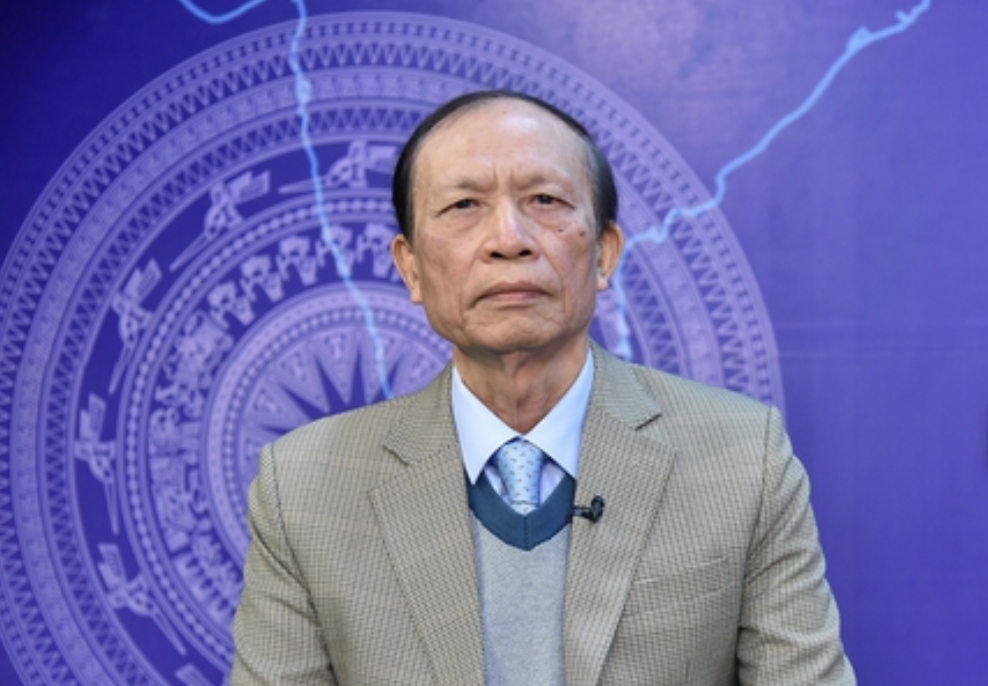
Given that in Vietnam gold is considered a means of storing wealth, hedging against risks and inflation, Mr. Hung commented that the Vietnamese currency is stable, the exchange rate is stable, therefore people do not use gold as a means of payment, and the concept of "goldization" no longer exists.
Therefore, to increase the added value in import and export business, the way the gold market is managed needs to be reconsidered. If gold is considered a commodity, then the State Bank of Vietnam should not manage the gold market.
Dr. Tran Tho Dat - Chairman of the Scientific and Training Council (National Economics University) - believes that a change in mindset regarding the management of the gold market is necessary. Regulatory bodies need to research and develop strategies for the gold market as an integral part of the financial market, closely linked to the financial market, integrated and interconnected with the world, and inseparable.
Therefore, amendments to Decree 24/2012 need to include this content in order to develop a transparent, efficient, safe, and stable market.
According to this expert, many countries allow capital mobilization through gold certificates issued by the State - the State Bank - to ensure safety. The buying and selling of gold certificates must adhere to strict regulations because it is a special type of commodity.
Because gold is not only a means of speculation but also a safe-haven asset for risk prevention, a large quantity of gold, approximately 400 tons, is lying idle in an area inhabited by local residents.
Emphasizing that this is a large sum, Mr. Dat suggested that the State Bank of Vietnam should mobilize resources under specific conditions and criteria for the gold market and gold exchanges, drawing on the experience of many countries to allow commodity exchanges to trade gold through forward contracts and options. Participating members must meet strict standards.
"We need to establish a gold-backed trust fund. These fund certificates could be listed on an exchange or participate in modern derivatives programs, which would allow the fund to act as a stabilization fund, reducing pressure on macroeconomic policies and contributing to a stable macroeconomic environment," Mr. Dat suggested.
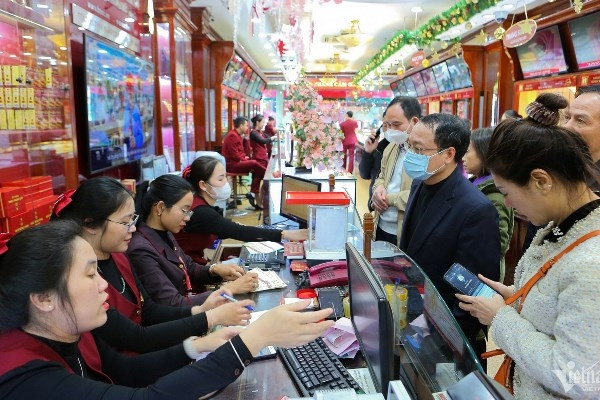
"The price of SJC gold will immediately fall to over 60 million VND/ounce if the State Bank of Vietnam takes concrete action."
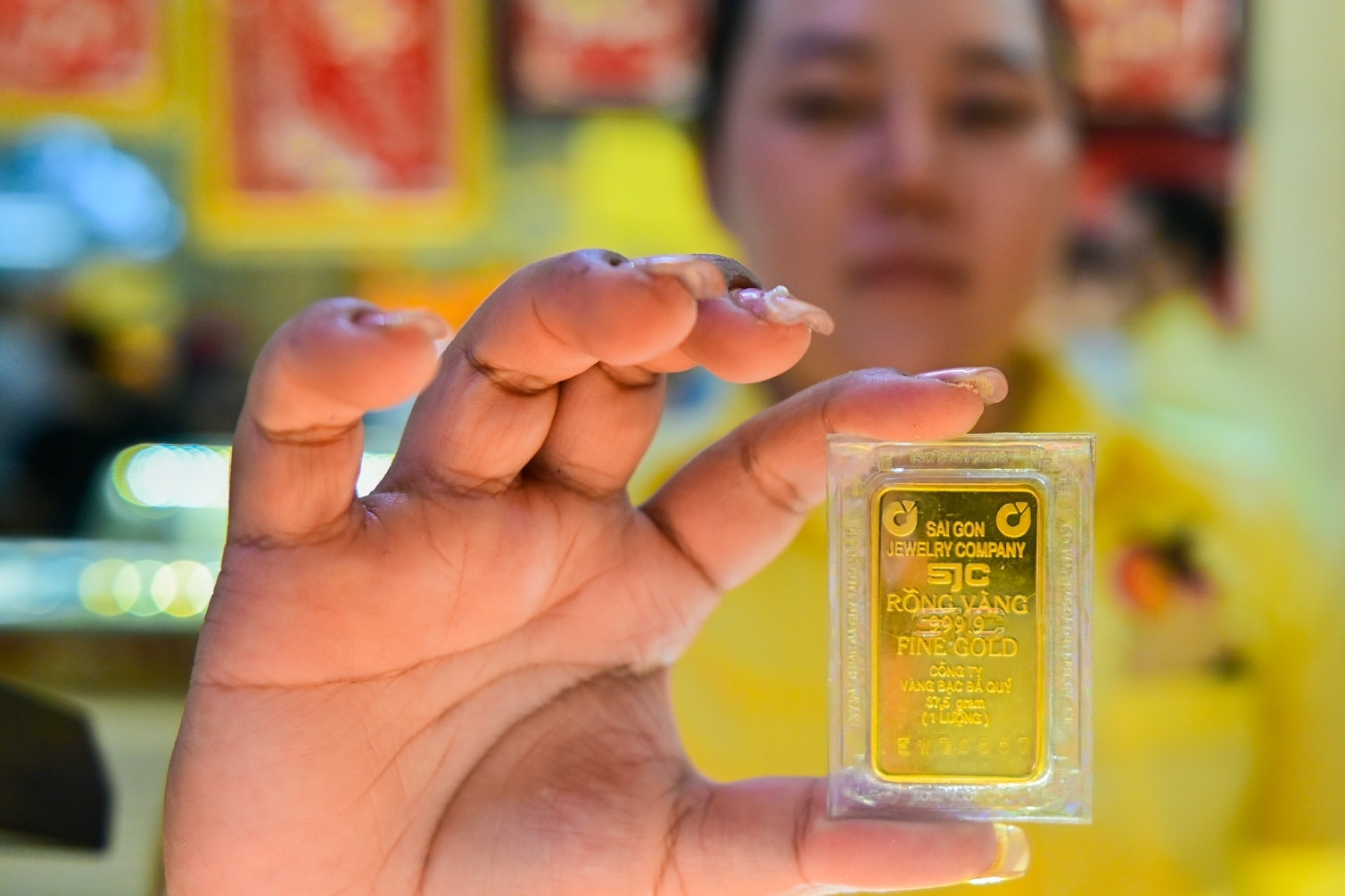
A simple way to link SJC gold prices to the global market, even while remaining a monopoly.
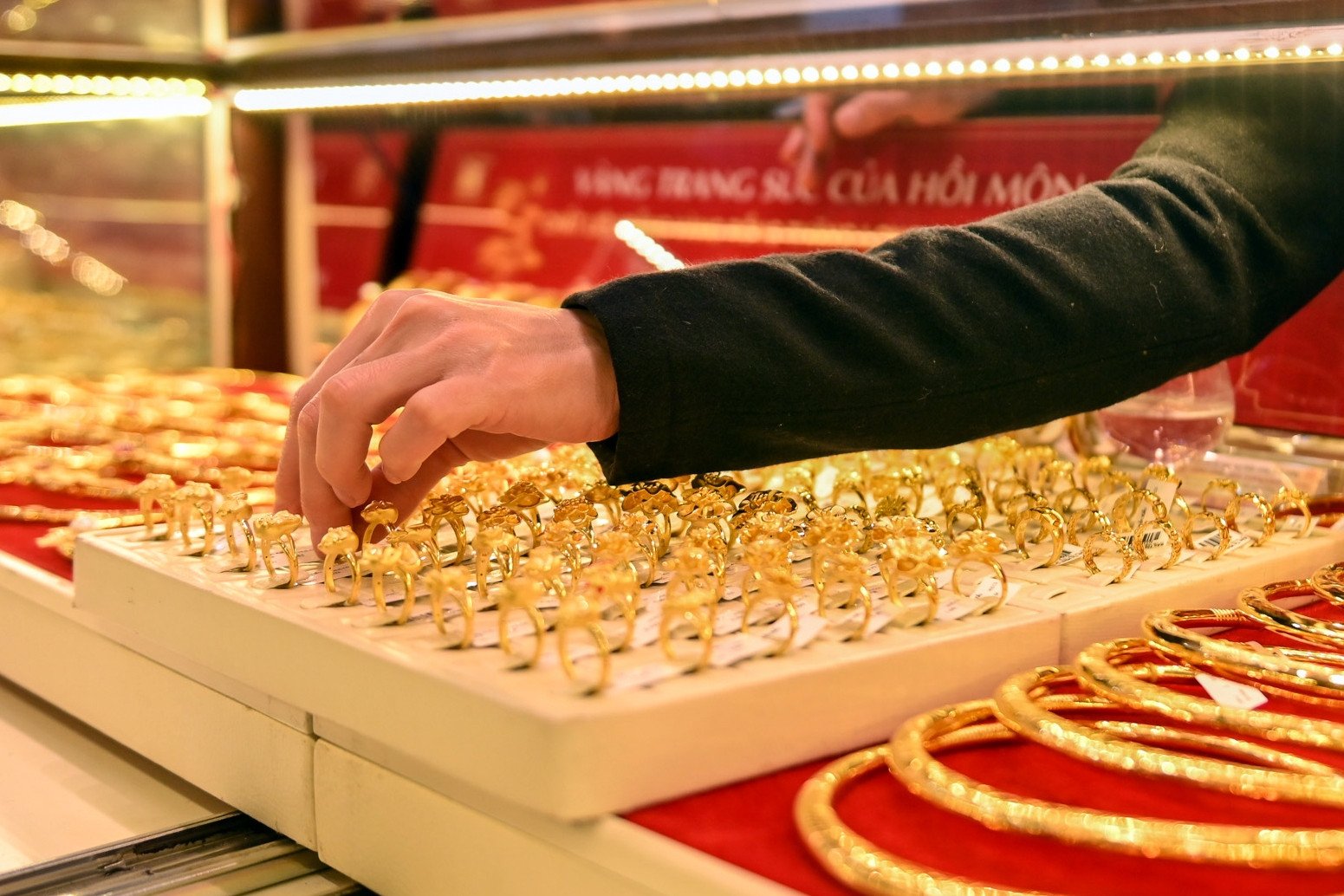
Prime Minister: Domestic gold prices must not be significantly different from international prices.
Source



![[Photo] Ba Lang An Lighthouse - the "eye of the sea" amidst the "rock museum" of Quang Ngai province.](https://vphoto.vietnam.vn/thumb/1200x675/vietnam/resource/IMAGE/2026/05/29/1780038698840_anh-man-hinh-2026-05-29-luc-14-10-42.png)

![[Image] Pleasant weather helps students enter the 10th grade entrance exam with confidence.](https://vphoto.vietnam.vn/thumb/1200x675/vietnam/resource/IMAGE/2026/05/29/1780034401612_ngay-1-thi-lop-10-minh-duy-8-5009-jpg.webp)


















































































Comment (0)