

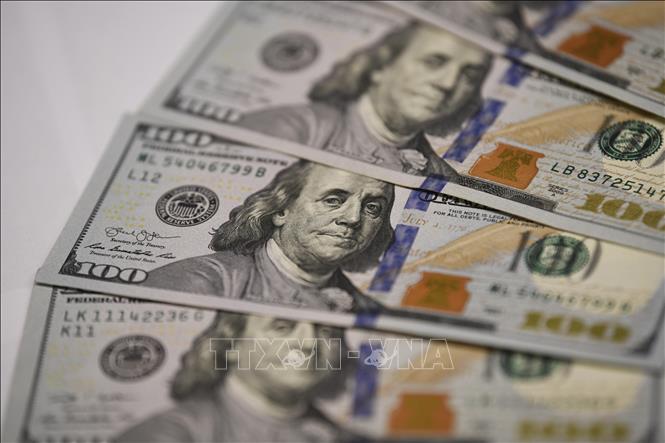
1. Investors expect the US dollar to appreciate as the Fed shifts policy direction: The market is expecting the US dollar to enter a new bull cycle as the Federal Reserve (Fed) shifts its focus to combating inflation. US government bond yields have risen sharply due to concerns about inflation stemming from the Iran conflict, making holding USD more attractive. The economic power gap between the US and other regions also supports the dollar's upward trend. Experts predict the Fed will tighten interest rates further in the near future, especially if oil prices continue to remain high.
2. Gulf States Raise Over $13 Billion Amid Regional Conflict: Governments and financial institutions in the Gulf region have raised over $13 billion through private bond issuances since the US-Iran conflict erupted. Pimco of the US is one of the largest investors, providing over $10 billion to the region. The increased need for capital reflects the impact of geopolitical instability on energy markets and the regional economy. Meanwhile, the US is considering providing a currency swap mechanism to support the United Arab Emirates (UAE) in the face of long-term economic challenges.
3. Electric vehicles drive growth in the European automotive market: The European Union (EU) automotive market saw a recovery in the first four months of 2026, with sales increasing by 4.2%. The main driver was the strong demand for electric vehicles, which now account for 19.7% of the market share, thanks to support from government incentive programs. Hybrid vehicles still hold the largest share, while gasoline and diesel vehicles continue to decline. The rise of electric vehicles is increasing competition between traditional European manufacturers and emerging brands from China.

4. Fed Governor: Inflation Not Falling as Expected: Federal Reserve Governor Lisa Cook warned that inflation in the US is not falling as expected and that she is prepared to support raising interest rates if necessary. She expressed concern about the impact of soaring energy prices and significant investment in artificial intelligence (AI) on prices. This statement came ahead of the release of the Personal Consumption Expenditures (PCE) price index, which is projected to rise due to escalating energy prices. However, Cook still expects inflation to fall without raising interest rates and that the job market will remain stable.
5. Tech CEOs soften their tone on the risk of AI replacing jobs: Leading artificial intelligence (AI) leaders such as Jensen Huang (Nvidia) and Sam Altman (OpenAI) are retracting previous warnings about the risk of AI causing mass unemployment. They assert that the gloomy predictions were exaggerated and argue that the recent wave of layoffs is not due to AI, as the technology has only become truly effective in the last few months. This move comes as the AI industry faces increasing public opposition, while the reality shows that AI's impact on jobs remains very small.
6. IEA: Conflict in the Middle East is changing global energy strategy: The energy crisis caused by the conflict in the Middle East is forcing the world to reshape its energy investment strategy. The International Energy Agency (IEA) says countries are racing to diversify their supply sources and boost domestic resource exploitation. Investment in natural gas and coal is expected to surge, while capital flows into oil are declining. Renewable energy and nuclear power are also attracting significant capital, with total investment in infrastructure and power supply projected to reach nearly $1.6 trillion by 2026.

7. Young Koreans are pouring money into stocks and the risks involved: The number of young Koreans investing in stocks is skyrocketing due to rising housing prices and living costs, eroding confidence in accumulating wealth through salaries. Many students are even using preferential loans or savings to invest in technology and AI stocks. This trend reflects a shift in economic thinking, with young people prioritizing financial products over real estate. However, the increasing trend of leveraged trading and short-term speculation also raises concerns about financial risks for the younger generation.
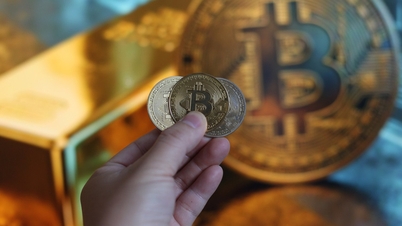
8. Cryptocurrency Market "Evaporates" $80 Billion: The global cryptocurrency market lost approximately $80 billion in market capitalization in just 24 hours following new US airstrikes on Iran. Bitcoin prices fell to their lowest level since early April, triggering a wave of sell-offs and liquidations worth billions of dollars in leveraged trading markets. This decline was driven by concerns that prolonged conflict would push inflation higher, forcing the Fed to maintain high interest rates. Additionally, capital outflows from Bitcoin ETFs also contributed to increased pressure on the market.
Source: https://baotintuc.vn/kinh-te/diem-tin-kinh-te-the-gioi-noi-bat-ngay-285-20260528203725015.htm




































































































Comment (0)