

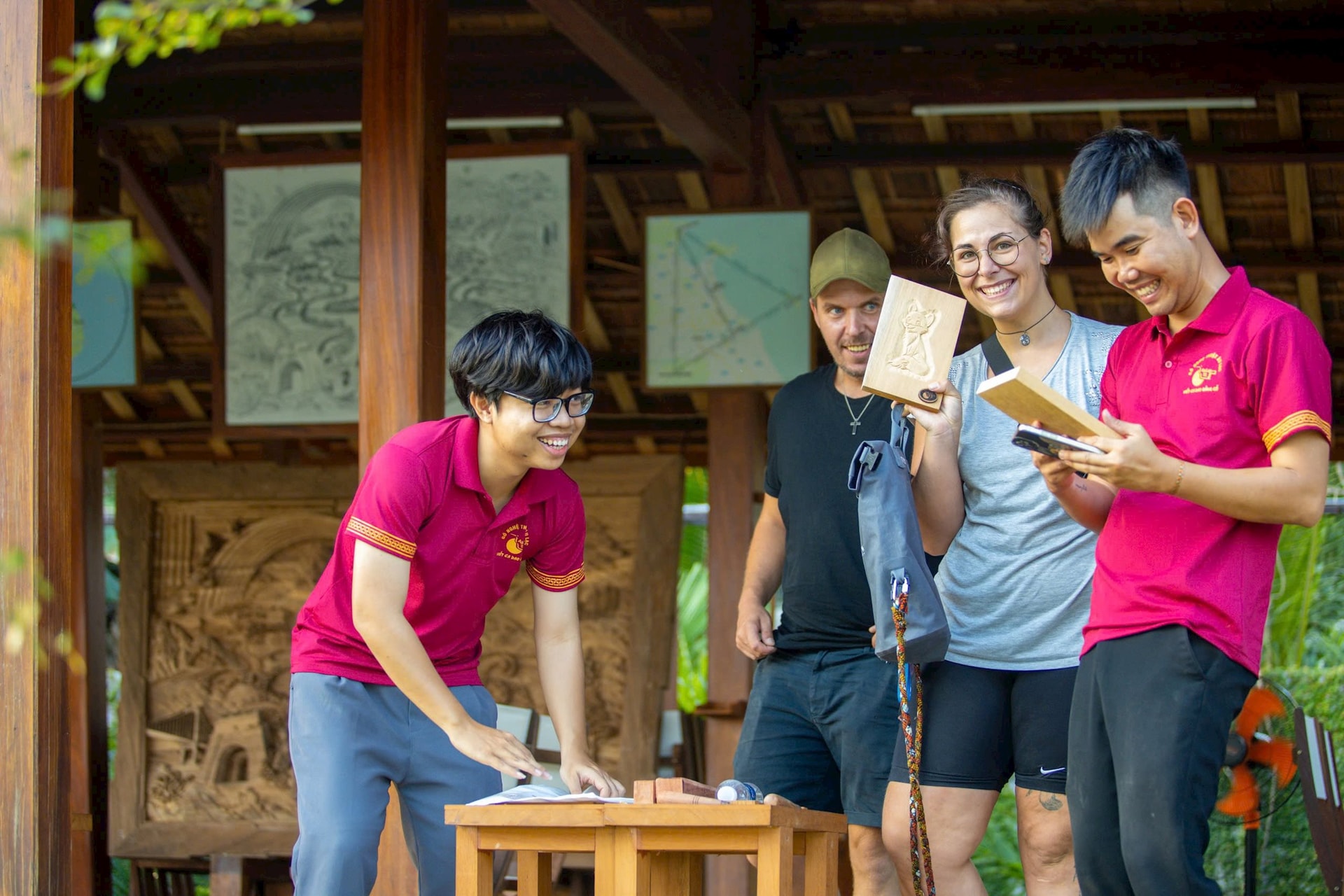
Developing the area in the direction of "ecotourism - rural villages - traditional craft villages," maximizing the exploitation of local values to create sustainable appeal, is what Dien Ban is aiming for.
Opening up tourism space
According to the provincial plan, based on the characteristics of resource distribution and tourism infrastructure and facilities, Quang Nam will distribute tourism activities into four main spatial areas.
Specifically, the tourism development area for cultural and historical heritage sites covers the northeastern part of the province, including Hoi An and the localities of Dien Ban and Duy Xuyen, with the Hoi An tourist city as its center.
Hoi An and its surrounding areas are oriented towards developing their strengths in cultural tourism, including visiting historical sites, attending festivals, participating in folk art programs, visiting traditional craft villages, conference tourism, beach tourism, and resort tourism...
Priority is given to developing Cu Lao Cham Island into a high-end seaside resort. Along the Dien Ngoc - Cam An coastline and the Co Co River, high-end resorts, entertainment areas, and hotels of 3 stars and above will be developed.
According to the plan, Hoi An will connect with surrounding areas to form one of the country's major tourism centers with international competitiveness.
Furthermore, Dien Ban is located on the route connecting Hoi An with the My Son World Heritage Site, allowing for the exploitation of its strengths in cultural tourism, visiting historical sites, and researching Champa culture, Sa Huynh culture, and revolutionary historical relics. Cultural tourism is combined with ecotourism.
The main types of tourism that can be developed in this area include: heritage tourism; international-class resort tourism; marine and island ecotourism; various types of marine sports tourism; community tourism; entertainment tourism; and weekend tourism.
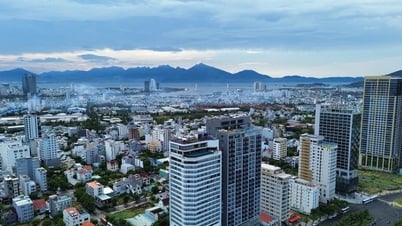
Dien Ban is now considered a tourist destination rich in culture, history, and traditional crafts. Situated between Hoi An and Da Nang , Dien Ban plays a pivotal role in linking tourism spaces in the South Central Coast region.
According to a representative from the Department of Culture, Science and Information of Dien Ban town, the locality is focusing on developing tourism in the direction of "agricultural tourism - rural tourism - traditional craft village tourism," maximizing the exploitation of local values to create sustainable attractions.
Space synchronization
According to the plan, in the future, Dien Ban, along with Hoi An and Da Nang, will form a chain of inter-regional products and routes: from the yacht pier connecting Cu Lao Cham - Hoi An - Dien Ban - Da Nang, to the development of 3-4 star coastal resorts, entertainment areas along the Co Co River, and community tourism along the Thu Bon River.
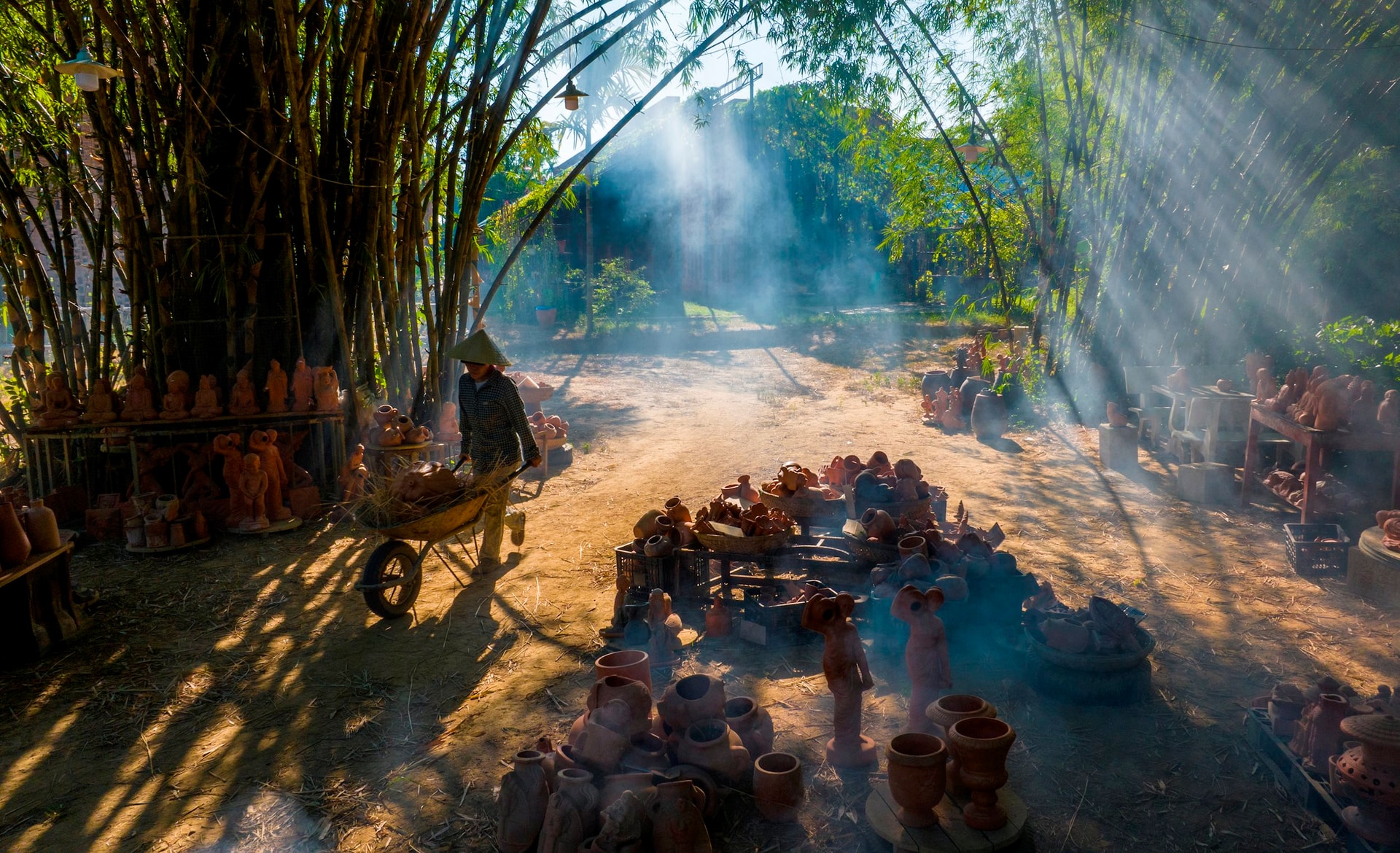
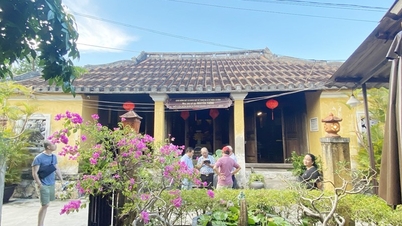
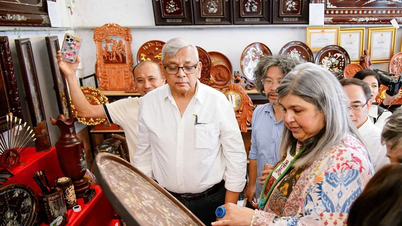
Traditional craft villages such as Phuoc Kieu bronze casting, Triem Tay mat weaving, Phu Chiem rice paper making, and community tourism in the Go Noi area are gradually receiving investment, offering experiences connected to the history, customs, and beliefs of the people of Quang Nam province.
There is still considerable potential for developing unique cultural spaces in this urban area. According to the overall socio-economic development plan for Dien Ban town for the period 2021-2030, the locality has chosen to develop green spaces, create focal points, and establish tourism development hubs that connect to the tourism development strategy of the Central Vietnam key economic region.
Accordingly, Zone 1 includes the Dien Duong - Dien Ngoc coastal tourism area to the Co Co River and extends westward, associated with high-end resort tourism.
Zone 2, located on both sides of the Vinh Dien River, is designated as the main public space associated with commercial, service, cultural, and recreational activities, connecting eco-tourism tours along the Cam Le - Go Noi route.
Adjacent to it is the Thanh Chiêm - Gò Nổi sub-region, an ecotourism and traditional craft village development area, associated with homestay activities, cultural and culinary exploration tourism, and agricultural education.
In the future, when Quang Nam and Da Nang merge to form a regional urban area or an expanded centrally-governed city, the urban areas of Dien Ban will not only be geographically intermediate but will also become a strategic gateway, a place where heritage, coastal urban areas, and the unique ecological and cultural spaces of Central Vietnam intersect.
Currently, Dien Ban has a favorable location, being only a 30-minute drive from the center of Da Nang. Urban experts believe that after the merger, inter-regional planning barriers will be removed, creating conditions for integrating infrastructure systems and opening up opportunities for upgrading investment in community tourism clusters.
With a proper strategy, Dien Ban's current destinations could directly connect with the international tourist markets in Da Nang and Hoi An to offer experiences in traditional culture, riverine ecotourism, and more.
Source: https://baoquangnam.vn/dien-ban-khong-gian-mo-cua-du-lich-do-thi-3155443.html

![[Photo] General Secretary and President To Lam presides over a meeting on preparations for the review of one year of operation of the three-tiered government system.](https://vphoto.vietnam.vn/thumb/1200x675/vietnam/resource/IMAGE/2026/06/02/1780391821195_a1-bnd-4595-9717-jpg.webp)













![[Image] Affirming the aspirations and new standards of the Vietnamese real estate market in the new era.](https://vphoto.vietnam.vn/thumb/1200x675/vietnam/resource/IMAGE/2026/06/03/1780441948766_giai-thuong-bat-dong-san-2026-minh-duy-6-7364-jpg.webp)










































Comment (0)