

What actually happens inside a child's body when they are obese?
Adipose tissue is not simply a passive energy "storage" system, but is essentially a highly complex endocrine organ. When children consume more energy than they need, fat cells hypertrophy. This process triggers a chain of metabolic consequences:
Low-grade systemic chronic inflammatory response
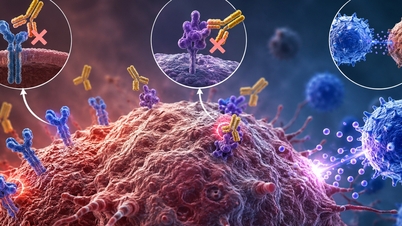
When fat cells become excessively large, insufficient blood supply leads to localized oxygen deficiency. At this point, the fatty tissue releases inflammatory cytokines such as TNF-alpha and IL-6. This insidious inflammation destroys cell membranes and causes rupture of small blood vessels, even in very young children.

Proper nutrition during school age helps prevent the risk of obesity.
The "wall" of insulin resistance and the vicious cycle of cravings.
Insulin acts like a key that unlocks cells, allowing glucose to enter and nourish the body. When inflammatory cytokines surround the cells, the "lock" rusts – a condition known as insulin resistance.
Visual consequences: The pancreas has to work harder to secrete more insulin to lower blood sugar. Excessively high insulin levels in the blood inhibit fat breakdown and stimulate the hypothalamus in the brain to send "hunger" signals, trapping children in a vicious cycle: Overeating → Fat accumulation → Insulin resistance → Disruption of satiety signals → Continued cravings.
The trap known as school fructose
Regular granulated sugar (sucrose) or the sugar in soft drinks and candies (HFCS) contains a large amount of fructose. Unlike glucose, which is metabolized by the entire body, fructose goes directly to the liver and is completely metabolized there. This process bypasses the cell's natural energy control mechanism, promoting de novo lipogenesis in the liver, leading to fatty liver disease and a rapid increase in blood triglycerides, especially among school-aged children.
The paradox of "Obesity but malnutrition"
Through research and field assessments, Huong identified three major paradoxes in the lifestyles of students today:
Hidden Hunger: Overweight children often suffer from severe deficiencies in essential micronutrients such as Vitamin D3, Zinc, Iron, and Calcium. This is because their diets are too high in empty calories (sugar, trans fats) but poor in micronutrient density (green vegetables, fish, nuts).
Academic stress and cortisol: High-intensity studying and chronic sleep deprivation activate the Hypothalamus-Pituitary-Adrenal (HPA) axis, causing it to release cortisol. This stress hormone accumulates in the abdominal area, diverting the accumulation of central fat (visceral fat) – the most dangerous type of fat for cardiovascular health.
The shift in technology: "Communicating" through phone and computer screens significantly reduces natural physical activity (NEAT), causing muscle mass – the body's largest calorie burner – to shrink and be replaced by fat tissue.
How to reverse the metabolic spiral
To address the root cause, we cannot resort to extreme measures such as "forcing children to fast" or "completely cutting out carbohydrates," as children are in a crucial stage of growth in height and brain development. The goal is to restructure their metabolism.
Solution 1: Restructuring the plate and order of eating (Glycemic Load Control)
Apply the Plate Method: Design a plate with a diameter of approximately 20cm. In this plate: 1/2 should be colorful boiled/steamed vegetables; 1/4 should be high-quality protein (lean meat, fish, eggs, tofu); and 1/4 should be complex carbohydrates (brown rice, sweet potatoes, oats).
A small but effective tip - Change the order of eating: Guide your child to eat vegetables first, then protein-rich foods, and finally carbohydrates. The fiber from vegetables, when entering the stomach first, forms a thin gel-like network, slowing down the absorption of sugar into the bloodstream, preventing sudden insulin spikes, helping children feel full longer and preventing fatigue after meals.
Solution 2: Managing the home food environment
Make a firm decision to remove soft drinks, bubble tea, and processed foods from your refrigerator. Replace them with healthy snacks such as plain yogurt with berries, nuts (almonds, walnuts), or cucumber and jicama.
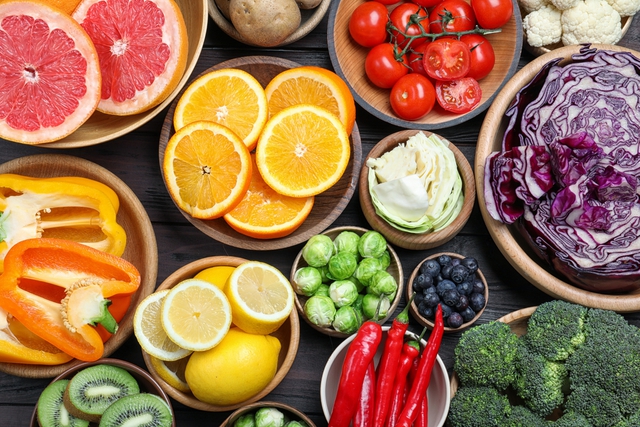
Build healthy eating habits starting within the family.
Solution 3: Activate the muscular system and optimize energy metabolism.
Children need at least 60 minutes of moderate-to-vigorous physical activity each day (running, swimming, cycling, basketball). Exercise helps the insulin receptors in the muscles open up automatically without requiring much insulin hormone, directly addressing insulin resistance.
Solution 4: Personalization using Body Composition Analysis (BIA) technology
Instead of being solely focused on the numbers on a regular scale (which doesn't differentiate between muscle, fat, or water), parents should have their children undergo regular, in-depth checks using Bioelectrical Impedance Analysis (BIA) technology. The readings from these specialized devices accurately break down visceral fat and muscle mass, helping nutritionists determine if a child has excess fat or insufficient muscle, allowing for more precise adjustments rather than just looking at overall weight.
Instead of forcing their children into restrictive diets, parents should build a healthy "food environment" at home. Raising a child with a biologically healthy weight and metabolism is a persistent journey that requires patience and understanding from parents, not pressure or criticism.
Remember: "Proper nutrition during your child's school years is the most profitable investment in their lifelong health." Hopefully, this information will help parents have a more scientific and calm perspective on caring for their children's physical well-being. Wishing all parents to be wise companions on their journey to protecting their children's health!

Source: https://suckhoedoisong.vn/dinh-duong-giup-phong-chong-thua-can-beo-phi-tuoi-hoc-duong-169260519165642477.htm

























![[Photo] Reception to welcome General Secretary and President To Lam and his wife on their State visit to the Philippines](https://vphoto.vietnam.vn/thumb/1200x675/vietnam/resource/IMAGE/2026/06/01/1780295488620_vna-potal-chieu-dai-chao-mung-tong-bi-thu-chu-tich-nuoc-to-lam-va-phu-nhan-tham-cap-nha-nuoc-toi-philippines-8798060-7855-jpg.webp)


































































Comment (0)